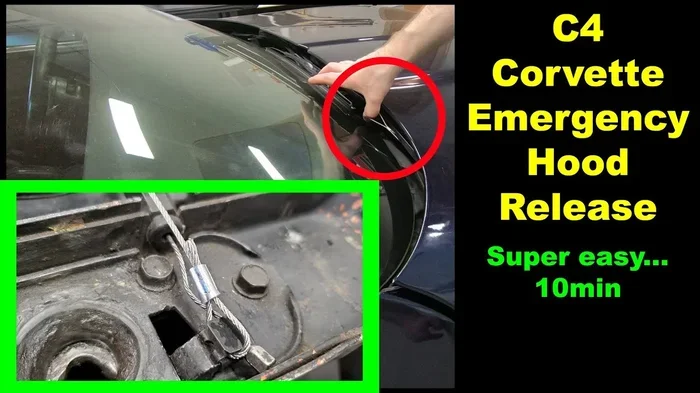
How to Pop Open a Hood From the Outside in Emergencies
Knowing how to pop open a hood from the outside can save you in emergencies when the interior release fails. This guide walks you through every method, tool, and trick to free a stuck hood safely. Whether your hood latch is broken, frozen, or jammed, you will find the solution you need right here.
There is nothing quite like the panic that sets in when you walk up to your car and realize the hood will not open. Maybe the interior release handle broke. Maybe the hood latch cable snapped overnight. Or maybe you are dealing with a frozen mechanism on a cold winter morning. Whatever the reason, knowing how to pop open a hood from the outside is a skill every driver should have in their back pocket.
This guide is built for real-world situations. We will walk you through every reliable method, every tool you might need, and every trick that mechanics use but rarely tell regular drivers about. By the end, you will feel confident handling a stuck hood latch on your own. Let us get into it.
Key Takeaways
- Emergency hood release is a must-know skill: Every driver should understand how to pop open a hood from the outside when the interior handle fails.
- Multiple methods work for different situations: From lever tricks to latch tools, several approaches can free a stuck hood latch.
- Common causes include broken cables and frozen latches: Understanding why your hood won’t open helps you choose the right fix.
- Preventive maintenance keeps your hood latch working: Regular lubrication and inspection can prevent most hood problems.
- Safety always comes first: Use proper techniques to avoid damaging your hood, latch, or yourself during an emergency release.
- Professional help is available when DIY fails: Some hood latch issues need a trained mechanic to repair safely.
📑 Table of Contents
- Why Knowing How to Pop Open a Hood From the Outside Matters
- Common Reasons Your Hood Will Not Open From Inside
- Step-by-Step: How to Pop Open a Hood From the Outside
- Tools You Should Keep for Emergency Hood Release
- Preventing Hood Latch Problems Before They Happen
- When to Call a Professional for Hood Latch Issues
- Key Safety Tips When Popping Open a Hood From the Outside
- Conclusion
Why Knowing How to Pop Open a Hood From the Outside Matters
Your car hood gives you access to the engine, the coolant reservoir, the battery, and other critical components. When something goes wrong under the hood, you need to open it fast. A broken hood release mechanism should not stop you from addressing the problem. Here is why this knowledge matters so much.
Emergencies Do Not Wait
Engine overheating, low oil warnings, and loose belts do not care what time it is. If your interior hood release fails during a roadside emergency, you cannot simply walk into a shop and wait. You need to act immediately. Understanding the emergency hood release process puts you back in control of the situation.
It Saves Money
Calling a tow truck or a locksmith every time your hood latch sticks costs real money. Learning how to free a stuck hood latch on your own can save you hundreds of dollars over the life of your vehicle. Most methods require nothing more than a flathead screwdriver or a coat hanger.
It Builds Confidence
There is a real sense of empowerment that comes from knowing you can handle car problems without waiting for help. Once you understand your hood release mechanism, you will never feel helpless standing in front of a locked hood again.
Common Reasons Your Hood Will Not Open From Inside
Before we dive into the solutions, let us talk about why hoods get stuck in the first place. Understanding the root cause helps you pick the right fix and prevents the same problem from happening again.
Broken Hood Latch Cable
The hood latch cable connects your interior release handle to the latch mechanism under the hood. Over time, this cable can stretch, fray, or snap completely. When that happens, pulling the interior handle does nothing. This is one of the most common reasons drivers find themselves searching for how to pop open a hood from the outside.
Frozen Hood Latch
In cold climates, moisture can build up inside the hood latch assembly and freeze overnight. A frozen hood latch feels like the hood is completely locked, even though the internal mechanism is fine. This is especially common in older vehicles that have not been well maintained.
Worn or Damaged Hood Latch
The latch itself can wear out over years of use. Metal fatigues, springs weaken, and the entire hood latch assembly can become stiff or unresponsive. A damaged latch may not respond to the interior release lever at all.
Misaligned Hood Hinge
Sometimes the problem is not the latch at all. A bent or misaligned hood hinge can prevent the hood from rising even when the latch is released. This often happens after minor accidents or if someone leans on the hood incorrectly.
Broken Hood Prop Rod
While not directly related to the latch, a missing or broken hood prop rod can make it seem like the hood is stuck. The latch releases, but the hood has no support and cannot stay open safely.
Step-by-Step: How to Pop Open a Hood From the Outside
Now for the part you have been waiting for. Here are the most reliable methods to open your car hood from the outside when the interior release fails. Try them in order, starting with the simplest approach.
Method 1: Use the Hood Latch Lever
Most vehicles have a secondary latch lever visible from the front of the car. Stand in front of your vehicle and look at the center of the grille, just below the hood edge. You may see a small lever or tab. Push it to the left or right, and the hood should pop open slightly. This gives you enough room to reach inside and fully release the latch.
Quick Tip: Not all cars have this lever. Check your owner’s manual to see if your vehicle model includes a secondary hood release. If it does, memorize its location now so you are prepared for an emergency.
Method 2: Reach Through the Grille
If your car does not have a secondary lever, you can try reaching through the front grille to manually pull the hood latch cable. Use your hand or a pair of pliers to grip the cable end and pull it toward the driver’s side. You should feel the latch release.
This method works best on vehicles where the grille has enough gaps to fit your hand through. Be gentle so you do not damage the grille or the cable.
Method 3: Use a Flathead Screwdriver
With the hood popped open slightly using Method 1, insert a flathead screwdriver into the gap between the hood and the fender. Feel for the latch mechanism and push it to the side. The hood will release enough for you to lift it fully and secure it with the prop rod.
Important: Place a cloth between the screwdriver and the hood paint to prevent scratches. You do not want to create a new problem while solving the old one.
Method 4: Use a Coat Hanger or Wire Tool
Straighten a wire coat hanger and bend a small hook at one end. Feed it through the grille or a gap near the headlights and feel for the hood latch cable or lever. Hook it and pull gently. This method mimics what professional mechanics use with specialized hood release tools.
Quick Tip: Wrap the hooked end of the wire with tape or rubber to prevent scratching the paint or damaging plastic components under the hood.
Method 5: Use a Hood Latch Release Tool
Automotive stores sell dedicated hood latch release tools that are designed for this exact purpose. They are slim, flexible, and shaped to reach the latch mechanism through the grille. If you live in an area with harsh winters or own an older vehicle, keeping one of these tools in your trunk is a smart move.
These tools are inexpensive, usually under fifteen dollars, and they take up almost no space. They are one of the best investments you can make for roadside preparedness.
Method 6: Lift the Hood Manually (For Vehicles With External Latches)
Some older vehicles and certain models have external hood latches that can be lifted by hand. Look along the front edge of the hood for a secondary lock or latch mechanism. Release it, and the hood should lift freely.
If you are not sure whether your vehicle has this feature, consult the owner’s manual or search online for your specific make and model.
Tools You Should Keep for Emergency Hood Release
Being prepared means having the right tools on hand. Here is a short list of items that make popping open a hood from the outside easier and safer.
- Flathead screwdriver: The most basic and widely available tool for releasing hood latches.
- Wire coat hanger: A classic emergency tool that works in most situations.
- Hood latch release tool: A purpose-built tool that professionals and DIYers both rely on.
- Needle-nose pliers: Helpful for gripping and pulling the hood latch cable directly.
- Lubricant spray (WD-40 or similar): Keeps the latch mechanism from freezing or sticking.
- Protective cloth or glove: Prevents scratches and protects your hands from sharp edges.
Store these items in a small bag in your trunk. When an emergency strikes, you will be glad you did.
Preventing Hood Latch Problems Before They Happen
The best way to deal with a stuck hood is to prevent the problem in the first place. Regular maintenance of your hood latch mechanism can save you from a world of frustration.
Lubricate the Latch Regularly
Apply a spray lubricant to the hood latch and cable at least twice a year. This prevents rust buildup and keeps the mechanism moving smoothly. Focus on the cable housing and the latch pivot points where metal meets metal.
Inspect the Hood Latch Cable
Check the hood latch cable for fraying, kinking, or stiffness every few months. A cable that feels stiff or does not return smoothly to its resting position is a warning sign. Replace it before it snaps completely.
Clear Debris From the Hood Area
Leaves, dirt, and ice can accumulate around the hood latch and prevent it from operating properly. Make it a habit to clear the area around the front grille and the hood edges, especially in autumn and winter.
Check the Hood Hinge Alignment
Over time, hood hinges can shift, causing the latch to misalign. If your hood feels harder to open or does not sit flush, have the hinges checked and adjusted by a mechanic. Proper hood hinge alignment extends the life of the entire latch system.
Replace Worn Parts Promptly
If you notice any wear on the hood latch cable, the latch itself, or the release handle, replace the part immediately. Waiting only makes the problem worse and increases the chance of a complete failure at the worst possible moment.
When to Call a Professional for Hood Latch Issues
Most hood latch problems can be solved with the methods described above. However, some situations call for professional help. Here is when you should stop trying DIY fixes and call a mechanic.
If the hood latch cable has snapped inside the housing and you cannot access it, a mechanic has the tools to remove the front grille and replace the cable. If the hood latch assembly is severely corroded or damaged, replacement may be the only option. And if you notice any cracks or structural damage to the hood or the latch mounting points, do not attempt to force it open.
A professional mechanic can also inspect the entire hood release mechanism and recommend any additional repairs or replacements. This is especially important after a front-end collision, even a minor one, since the latch alignment may have been compromised.
Quick Tip: Keep your regular mechanic’s contact information in your phone and glove box. In an emergency, having a trusted professional on speed dial can save you a lot of stress and time.
Key Safety Tips When Popping Open a Hood From the Outside
Safety should always come first when working on your vehicle, even during an emergency. Here are a few important safety reminders.
- Never force the hood open: Applying too much pressure can damage the hood, the latch, or the hinges. If a method is not working, try a different approach or call for help.
- Wear gloves: Metal edges, wire, and cable ends can be sharp. A pair of thick gloves protects your hands.
- Secure the hood properly: Once the hood is open, always use the prop rod or hydraulic support to hold it in place. A hood that falls unexpectedly can cause serious injury.
- Turn off the engine: If your vehicle is still running when you need to open the hood, turn off the engine first. This reduces the risk of burns from hot engine components.
- Let the engine cool: If the engine has been running, wait a few minutes before reaching inside. Hot components and coolant can cause burns.
Conclusion
Learning how to pop open a hood from the outside is one of those essential car care skills that every driver should have. Whether you are dealing with a broken hood latch cable, a frozen mechanism, or a simple interior release failure, the methods in this guide give you real, practical solutions you can use right away.
Keep a hood latch release tool in your trunk, lubricate your latch mechanism regularly, and inspect your cable and hinge components at least twice a year. These small habits make a huge difference when emergencies strike. The next time your hood refuses to cooperate, you will know exactly what to do. Stay prepared, stay safe, and remember that a little knowledge goes a long way when it comes to taking care of your vehicle.
Frequently Asked Questions
Can I pop open a hood from the outside on any car model?
Most vehicles have at least one method for external hood release, whether through a secondary lever, grille access, or an external latch. However, some newer or specialty models may require specific tools or techniques. Always check your owner’s manual for model-specific instructions before attempting any method.
What should I do if the hood latch cable is completely broken?
If the cable is broken, you will need to access the latch mechanism directly. You can try reaching through the grille with pliers or a wire tool to manually release the latch. If you cannot reach it, a trip to a mechanic or roadside assistance service is the safest option. Carrying a spare hood latch cable in your trunk is also a smart preventive measure.
Is it safe to use a coat hanger to release a stuck hood latch?
Yes, it is generally safe if you take precautions. Wrap the hooked end of the wire in tape or rubber to protect the paint and plastic components. Use gentle, steady pressure rather than forceful jabbing. A coat hanger is one of the most effective and accessible emergency tools for releasing a stuck hood latch.
How much does it cost to replace a hood latch cable?
Replacement costs vary by vehicle make and model, but a hood latch cable typically costs between twenty and sixty dollars for the part alone. Labor costs at a mechanic shop may add fifty to one hundred dollars. Doing the replacement yourself can save you the labor charge entirely.
What causes a hood latch to freeze in winter?
Moisture enters the latch mechanism through small gaps and freezes in cold temperatures. Road salt, rain, and snow all contribute to this problem. Regular lubrication with a weather-resistant product can prevent freezing and keep your hood release mechanism working smoothly throughout the winter months.
How often should I inspect my hood latch and cable?
A good rule of thumb is to inspect the hood latch, cable, and hinge every three to six months. If you live in a harsh climate with lots of snow, salt, or moisture, inspect more frequently. Early detection of wear or stiffness prevents unexpected hood failures and keeps your hood latch replacement costs low.