How to Save Money on Auto Window Tint Without Shortcuts
Saving money on auto window tint doesn’t mean sacrificing quality. This guide breaks down every way to reduce your auto window tint cost — from choosing the right DIY kit to finding trusted installers at fair window tinting prices. You’ll learn which film types deliver the best value, how to avoid costly mistakes, and when a DIY window tint project actually makes sense.
Nobody wants to overpay for auto window tint. Whether you’re tinting your daily driver or a weekend cruiser, the auto window tint cost can sneak up on you fast. And here’s the frustrating truth — most people either overspend on unnecessary upgrades or go too cheap and end up re-tinting within a year.
How to Save Money on Auto Window Tint Without Shortcuts is exactly what this guide covers. We’ll walk you through real, practical ways to lower your window tinting prices while still getting a film that looks great and lasts. No gimmicks. No risky shortcuts. Just smart, honest advice you can use right away.
By the end of this article, you’ll know exactly what to look for, what to avoid, and how to get the best deal on car window film for your specific vehicle. Let’s dive in.
Key Takeaways
- Know your options: Understanding film types (ceramic, carbon, dyed, spray) helps you pick the best value without overspending.
- DIY can save big: A window tint kit costs a fraction of professional installation, but only if you do it right.
- Compare installers: Getting multiple quotes ensures you pay fair professional installation cost without hidden fees.
- Avoid cheap shortcuts: Low-quality car window film peels, bubbles, and fades fast — costing you more in the long run.
- Timing matters: Seasonal demand and promotions can slash window tinting prices by 20-40%.
- Check local laws: Staying within legal tint limits prevents tickets, removal costs, and wasted money.
- Invest in quality heat rejection: Good tint blocks UV rays and keeps your car cooler, saving on AC fuel costs over time.
📑 Table of Contents
- Understanding Auto Window Tint Costs
- DIY Window Tint: Can You Really Save Money?
- How to Find the Best Deals on Professional Tinting
- Choosing the Right Film Type for Your Budget
- Common Mistakes That Waste Money
- Quick Tips for Maximizing Your Savings
- Expert Insights: What Professional Installers Wish You Knew
- How to Save Money on Auto Window Tint: The Bottom Line
Understanding Auto Window Tint Costs
Before you can save money, you need to understand what you’re actually paying for. The auto window tint cost varies a lot depending on several factors. Let’s break them down so you can make informed decisions.
What Drives the Price of Window Tint
Several things affect how much you’ll pay for tinting your car. The type of film is the biggest factor. Cheaper dyed films cost less upfront but don’t last long. Higher-end ceramic tint and carbon tint options cost more but offer better heat rejection and durability.
Your vehicle matters too. A compact car with fewer windows costs less to tint than a large SUV or truck with rear side windows and a back windshield. Each window needs its own cut of film, and larger windows use more material.
Geographic location also plays a role. In areas with high demand, professional installation cost tends to be higher. In smaller towns, you might find lower rates — but you also need to make sure the installer has real experience.
Average Price Ranges You Can Expect
Here’s a rough idea of what different tint levels typically cost for a standard sedan. Keep in mind that prices vary by region and installer.
| Film Type | Price Range (All Windows) | Durability | Best For |
|---|---|---|---|
| Dyed Film | $100 – $250 | 2-4 years | Budget tinting, temporary use |
| Metalized Film | $200 – $450 | 4-6 years | Balance of cost and performance |
| Carbon Film | $300 – $600 | 6-8 years | No signal interference, good fade resistance |
| Ceramic Film | $400 – $900 | 8-12 years | Best heat rejection, premium look |
| Spray Tint | $20 – $80 | 6 months – 2 years | Temporary tint, emergency use only |
As you can see, the window tinting prices range widely. The cheapest option isn’t always the smartest choice, and the most expensive isn’t always necessary either. The key is finding the sweet spot for your needs and budget.
DIY Window Tint: Can You Really Save Money?
The idea of doing it yourself is appealing. A DIY window tint kit can cost anywhere from $25 to $150 for a full set of pre-cut films. Compare that to paying $300 or more for professional work, and the savings are obvious.
What’s Included in a DIY Tint Kit
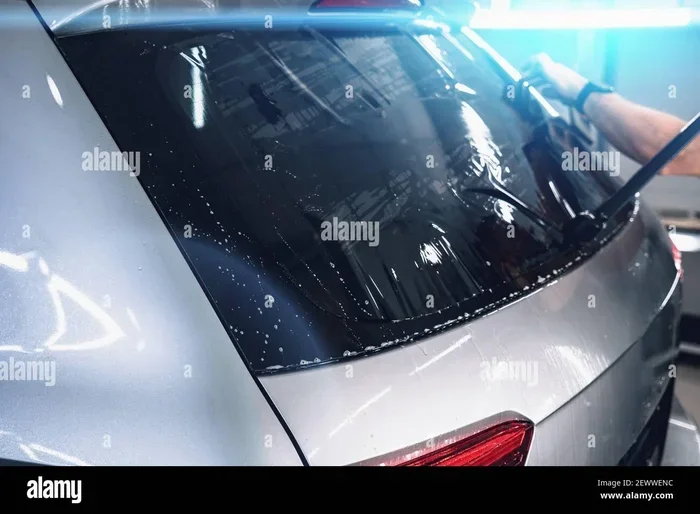
Most window tint kits come with pre-cut film pieces for each window, a squeegee, a spray bottle, application solution, and a few scrapers. Some kits include a heating gun to help shape the film around curved windows.
The quality of the film in DIY kits varies a lot. Some brands offer surprisingly good car window film that holds up well for years. Others sell thin, low-grade film that bubbles and peels within months. Reading reviews and checking the film specifications before buying is essential.
Tips for a Successful DIY Tint Job
- Clean your windows thoroughly before starting. Any dust or grease under the film causes bubbles and lifting.
- Work indoors or in a garage. Dust and wind are the biggest enemies of a clean tint application.
- Use plenty of application solution. This gives you time to slide the film into position before it sticks.
- Heat the film gently with a hairdryer or heat gun to conform it to curved window edges.
- Let it cure for at least 3-5 days before rolling down the windows. Rushing this step causes wrinkles and peeling.
- Watch tutorial videos for your specific vehicle model before you start. Every car has slightly different window shapes.
When DIY Makes Sense
DIY window tint works best for people who are patient, detail-oriented, and willing to learn the process. If you’ve never done it before, practice on an old car or a junk window first. The savings are real, but the risk of a bad job is also real.
If you’re not comfortable with the process, it’s worth paying for professional installation. A botched DIY job often costs more to fix than hiring a pro the first time.
How to Find the Best Deals on Professional Tinting
If you prefer going the professional route, there are smart ways to reduce your professional installation cost without sacrificing quality. You just need to know where to look and what to ask.
Get Multiple Quotes
This is the single easiest way to save money. Call or visit at least three tint shops in your area and ask for a written quote. You’ll often find that window tinting prices vary by 20-40% between shops for the same film type.
When getting quotes, make sure you’re comparing the same things. Ask what film brand and model is included in the price. Some shops quote a low price but install a lower-grade film, then upsell you on a better option once you’re in the door.
Look for Seasonal Promotions
Tint shops often run promotions during slower months. Winter and early spring tend to be the best times to find deals on auto window tint. During peak summer months, demand goes up and prices often follow.
Watch for holiday sales, anniversary specials, or package deals that include tinting with other services like paint protection or ceramic coating. Bundling services can save you a surprising amount of money.
Ask About Warranty and Included Services
A good tint warranty adds value to your purchase. Many reputable shops offer lifetime warranties that cover bubbling, peeling, or fading. This means if something goes wrong, they’ll fix it at no extra cost.
Some shops also include free touch-ups or bubble repairs as part of their service. Factor warranty coverage into your price comparison — a slightly higher quote with a strong warranty can be a better deal than the cheapest option with no coverage.
Check for Student, Military, or Loyalty Discounts
Many tint shops offer discounts for students, military members, first responders, or returning customers. It never hurts to ask. These discounts can save you 10-15% on your total auto window tint cost.
Choosing the Right Film Type for Your Budget
Not all car window film is created equal. Choosing the right type for your needs and budget is one of the most important decisions you’ll make. Here’s a closer look at your options.
Dyed Film: The Budget Option
Dyed film is the most affordable aftermarket tint available. It looks good when first installed and provides basic UV protection. However, it has significant downsides. Dyed film fades over time, turning purple or bubbly after a few years. It also offers the weakest heat rejection of all film types.
If you’re on a very tight budget and plan to keep the car for only a year or two, dyed film might work. But for most people, it’s a false economy because you’ll need to replace it sooner.
Carbon Film: The Sweet Spot
Carbon tint offers an excellent balance of performance and price. It doesn’t fade like dyed film, provides strong heat rejection, and doesn’t interfere with cell phone or GPS signals. Carbon film typically lasts 6-8 years with proper care.
For most car owners looking to save money while still getting quality, carbon film is the best choice. It’s not the cheapest option, but it delivers the best long-term value.
Ceramic Film: Premium Performance
Ceramic tint is the top-tier option. It blocks more heat than any other film type, provides excellent UV protection, and doesn’t interfere with electronics. It also has the longest lifespan — often 10+ years.
The professional installation cost for ceramic film is higher, but the durability and performance make it worth it for people who keep their cars long-term. If you can afford the upfront investment, ceramic film saves money over time because you won’t need to re-tint.
Spray Tint: A Temporary Fix
Spray tint is the cheapest option by far, but it’s also the least effective. It’s a temporary spray-on coating that provides minimal heat rejection and fades quickly. It’s not legal in most states and won’t hold up beyond a few months.
We strongly advise against using spray tint as a permanent solution. It might seem like a quick money-saver, but it usually leads to disappointment and the need for a proper re-tint.
Common Mistakes That Waste Money
Avoiding common mistakes is one of the best ways to save money on auto window tint. Here are the pitfalls that cost people time and cash.
Choosing the Cheapest Option Without Research
The cheapest quote isn’t always the best deal. Some shops use low-grade film, cut corners on preparation, or rush the application. You end up with a poor-quality job that needs to be redone — costing you more in the long run.
Ignoring Local Tint Laws
Every state has legal tint limits for different windows. Installing a tint that’s too dark on your windshield or front side windows can result in a ticket and a mandatory removal. That means you’ve wasted your entire investment.
Before you spend a dollar, look up your state’s legal tint limits. In most states, the front side windows must allow more than 50% of light through, and the windshield can only have a tinted strip at the top.
Skipping the Prep Work
Proper window preparation is critical for a long-lasting tint job. If the installer doesn’t clean the windows thoroughly or doesn’t use the right tools, the film won’t adhere properly. Bubbles, peeling, and lifting are almost guaranteed.
When getting a quote, ask what their preparation process looks like. A thorough installer will spend significant time cleaning and drying each window before applying the film.
Not Asking About the Tint Warranty
Many people forget to ask about the tint warranty until something goes wrong. A good warranty protects your investment and gives you peace of mind. If a shop doesn’t offer any warranty, that’s a red flag.
Quick Tips for Maximizing Your Savings
Here are some quick, actionable tips to help you save on window tinting prices without compromising quality:
- Tint all windows at once. Many shops offer package discounts when you tint multiple windows together instead of doing them one at a time.
- Choose a less popular film color. Standard charcoal or neutral shades are often cheaper than specialty colors or high-reflectivity options.
- Join local car groups. Enthusiast clubs often have group discount deals with tint shops. Check Facebook groups or forums for your car model.
- Wait for end-of-month sales. Shops sometimes discount services at the end of the month to meet sales quotas.
- Maintain your tint properly. Use a non-ammonia cleaner and a soft cloth. Proper care extends the life of your tint and delays replacement costs.
- Check for manufacturer rebates. Some film brands offer rebates or promotions that reduce the effective cost of premium car window film.
- Ask about payment plans. Some shops offer financing options that let you spread the cost over a few months interest-free.
Expert Insights: What Professional Installers Wish You Knew
We talked to several experienced tint installers to get their honest advice on saving money without sacrificing results. Here’s what they had to say.
“The biggest mistake customers make is focusing only on price,” says Mark T., a professional installer with 12 years of experience. “A $150 tint job that peels in a year costs more than a $300 job that lasts a decade. Always ask what film brand they use and what the warranty covers.”
“If you’re going the DIY route, buy the best kit you can afford,” adds Sarah L., a car care specialist. “A $50 kit from a reputable brand will outperform a $25 kit every time. And watch those YouTube tutorials — they save you from a lot of frustration.”
Another installer, James R., shared this insight: “Timing your tint job can save you real money. Avoid summer rush and holiday weekends. Late fall and winter are the best times to find competitive window tinting prices and shorter wait times.”
These professionals agree on one thing: the cheapest option is rarely the best value. Whether you choose DIY or professional installation, investing in quality car window film from a reputable brand pays off in the long run.
How to Save Money on Auto Window Tint: The Bottom Line
How to Save Money on Auto Window Tint Without Shortcuts really comes down to making smart, informed choices. You don’t need to spend a fortune, but you also shouldn’t chase the absolute cheapest option that might cost you more later.
The best approach combines research, smart timing, and choosing the right film type for your needs. Whether you go with a DIY window tint kit or find a skilled professional at fair window tinting prices, the key is balancing upfront cost with long-term value.
Remember to stay within legal tint limits, check the tint warranty, and maintain your tint properly after installation. These simple steps protect your investment and keep your auto window tint looking great for years.
Saving money on auto window tint is absolutely achievable without taking shortcuts. Use the tips in this guide, compare your options carefully, and you’ll find the perfect tint at the right price. Your car — and your wallet — will thank you.
Frequently Asked Questions
What is the cheapest way to tint car windows?
The cheapest option is a DIY window tint kit using basic dyed film, which typically costs $25-$100 for all windows. However, this film fades quickly and offers the least heat rejection. For better long-term value, a carbon film DIY kit in the $50-$150 range is a smarter choice.
Is it legal to DIY tint your own car windows?
In most states, DIY tinting is legal as long as your film meets the legal tint limits for your area. Check your state’s specific laws before applying any tint. The front side windows usually need to allow more than 50% light transmission, and the windshield can only have a narrow tinted strip at the top.
How long does auto window tint last?
It depends on the film type. Dyed film lasts 2-4 years, metalized film lasts 4-6 years, carbon film lasts 6-8 years, and ceramic film can last 10+ years. Proper maintenance and avoiding rolling down windows during the curing period significantly extends the lifespan of any car window film.
Can you save money by tinting windows yourself instead of hiring a pro?
Yes, DIY window tint can save you 50-70% compared to professional installation. But the savings only make sense if you’re willing to invest time in learning the process and doing it carefully. A poor DIY job can cost more to fix than professional work in the first place.
What should I look for in a tint warranty?
A good tint warranty should cover bubbling, peeling, fading, and delamination for the lifetime of the film. Look for warranties that are transferable if you sell the car. Ask your installer whether the warranty covers both the film and the labor for any repairs or replacements.
Does tinting windows really reduce heat inside the car?
Yes, quality auto window tint significantly reduces heat inside your vehicle. Ceramic tint and carbon tint offer the best heat rejection rates, blocking up to 60-80% of solar heat. This can reduce AC usage and slightly improve fuel efficiency over time, especially during hot summer months.
=== CONCLUSION ===
How to Save Money on Auto Window Tint Without Shortcuts comes down to one simple idea: invest smartly, not just cheaply. Every choice you make — from the film type to the installer you pick — affects both your upfront cost and your long-term satisfaction.
Whether you choose a DIY window tint kit or go with a professional, the best savings come from avoiding mistakes and choosing quality over the lowest price tag. Compare quotes, understand your local legal tint limits, and always check the tint warranty before committing.
Use the tips and insights from this guide to make confident decisions about your auto window tint. You deserve a tint job that looks great, performs well, and fits your budget — without any shortcuts that leave you regretting the choice.