Idaho Window Tint Law The Complete Guide For Drivers
Idaho window tint law sets specific rules for how dark or reflective your car windows can be. The state regulates visible light transmission (VLT) percentages for every window, including the windshield, front side windows, rear side windows, and rear window. Understanding these Idaho tint regulations helps drivers avoid tickets, stay safe, and keep their vehicles compliant. This guide covers every rule, exemption, and penalty you need to know.
Key Takeaways
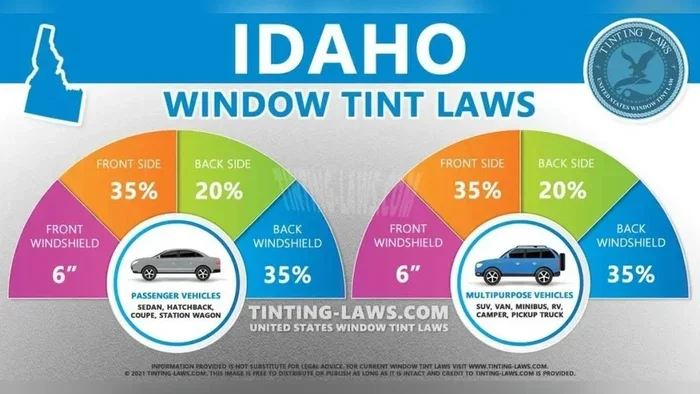
- Windshield tint: Only a non-reflective strip on the top is allowed, above the AS-1 line.
- Front side windows: Must allow more than 70% of light in (VLT above 70%).
- Rear side and rear windows: Can be tinted to any darkness level.
- Reflective tint: Not allowed on any window in Idaho.
- Medical exemptions: Available for drivers with specific medical conditions.
- Penalties: Illegal tint can result in fines and failed vehicle inspections.
- Sticker requirement: A legal tint sticker must be placed between the film and glass on the driver’s side window.
📑 Table of Contents
- Understanding Idaho Window Tint Law: What Every Driver Needs To Know
- Legal Tint Darkness Limits by Window
- Reflective and Metallic Tint Rules
- Medical Exemptions for Window Tint in Idaho
- Punishments for Breaking Idaho Window Tint Rules
- Tips for Choosing Legal Window Tint in Idaho
- Common Mistakes Drivers Make With Window Tint
- Key Takeaways
- Final Thoughts on Idaho Window Tint Law
Understanding Idaho Window Tint Law: What Every Driver Needs To Know
If you have ever driven through an Idaho summer with the sun beating down on your face, you know the appeal of window tinting. Tinted windows keep your car cooler, protect your skin from UV rays, and add a sleek look to your vehicle. But before you roll down the highway with dark windows, you need to understand the rules.
Idaho window tint law is not as strict as some other states, but it still has clear limits. The state sets specific rules for how dark your tint can be, whether it can be reflective, and which windows can be tinted. Breaking these rules can lead to fines, failed inspections, and even having to remove your tint entirely.
This guide breaks down every aspect of Idaho tint regulations in simple terms. Whether you are a new car owner or thinking about adding tint to your current vehicle, you will find everything you need right here. Let us dive into the details so you can stay legal and enjoy the benefits of window tinting.
Legal Tint Darkness Limits by Window
The darkness of window tint is measured by something called Visible Light Transmission, or VLT for short. VLT tells you what percentage of light the tint allows to pass through your window. The lower the VLT number, the darker the tint. Idaho window tint law uses VLT percentages to set legal limits for each window on your car.
Windshield Tint Rules
Your windshield has the most restrictive rules. In Idaho, you can only tint the top portion of the windshield. This non-reflective strip must sit above the manufacturer’s AS-1 line. The AS-1 line is usually printed on your windshield by the car manufacturer. It marks the area where tinting is not permitted.
You cannot tint the rest of the windshield. This rule exists to keep your view of the road clear, especially at night or in bad weather. A tinted windshield can seriously reduce your ability to see pedestrians, other cars, and road signs.
Front Side Window Tint Rules
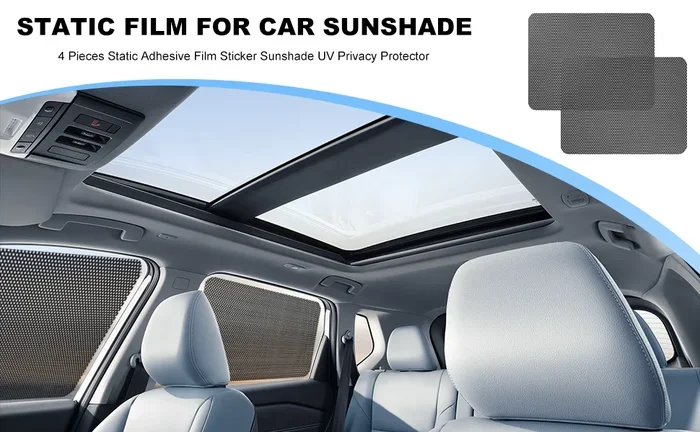
The front side windows on your car must allow more than 70% of visible light to pass through. This means your tint can only block up to 30% of light. In practical terms, this allows for a very light tint that reduces glare and heat without making your windows too dark.
These rules apply to both the driver and passenger front windows. The idea is simple: keep the front windows relatively clear so you can see other drivers and be seen clearly. This is especially important for law enforcement officers who need to see inside your vehicle during traffic stops.
Rear Side Windows and Rear Window Tint Rules
Here is where Idaho law gives you more freedom. The rear side windows and the rear window can be tinted to any darkness level. You can go as dark as you want on these windows. There is no VLT minimum requirement for the back of your car.
This is great news if you want maximum privacy or heat reduction in the back seat. Many families with young children appreciate darker rear tint because it protects kids from too much sun exposure. Just keep in mind that darker rear windows can make it harder for you to see out at night.
Reflective and Metallic Tint Rules
Some window tints contain metallic particles that give them a mirrored or reflective look. These tints are popular because they reduce heat and glare even more than standard tints. However, Idaho window tint law has clear rules about reflective tint.
In Idaho, reflective tint is not allowed on any window. This includes the windshield, front side windows, rear side windows, and rear window. The state prohibits any tint that has a mirrored or metallic appearance. The reason is safety: reflective tints can blind other drivers, especially when the sun hits them at certain angles.
If you are shopping for tint, make sure the product you choose is labeled as non-reflective. Most reputable tint shops in Idaho will only install tints that meet state regulations. Always ask your installer to confirm that the tint they are using is compliant with Idaho law.
What About Colored Tint?
Idaho law does not specifically ban colored tint. However, the tint must still meet the VLT and reflectivity requirements. Red, blue, and amber tints are generally not recommended because they can interfere with color recognition, which is important for reading traffic signals. Stick with neutral shades like gray, bronze, or charcoal to stay safe and legal.
Medical Exemptions for Window Tint in Idaho
Some people need darker window tint for medical reasons. Certain skin conditions, photosensitivity disorders, and other health issues make ordinary sun exposure dangerous. If you have a medical condition that requires you to limit your exposure to sunlight, Idaho offers a path to legal darker tint.
How to Get a Medical Exemption
To qualify for a medical exemption, you need a signed statement from a licensed physician. This statement must explain your condition and why darker window tint is medically necessary. The doctor should specify which windows need tinting and how dark the tint should be.
You must carry this exemption document in your vehicle at all times. If you are pulled over, you can show the document to the officer to prove your tint is legal. Without this documentation, even a medically necessary tint could result in a citation.
Limitations of Medical Exemptions
A medical exemption does not give you unlimited freedom to tint your windows however you want. The exemption is specific to the windows and darkness levels stated by your doctor. If you change your tint or add tint to additional windows without updating your exemption, you could still face a violation.
Keep your exemption current. If your condition changes or your doctor updates your recommendation, make sure your documentation reflects the latest information. It is also a good idea to keep a copy of your exemption in your glove box so it is always accessible.
Punishments for Breaking Idaho Window Tint Rules
Getting caught with illegal window tint in Idaho can cost you money and time. The state takes tint violations seriously, and the penalties can add up quickly if you do not address them.
Fines and Penalties
A tint violation in Idaho typically results in a fine. The exact amount can vary depending on the county and the severity of the violation. In most cases, you can expect a fine that ranges from a few hundred dollars. Repeat offenses may lead to higher fines.
Beyond fines, you may be required to remove the illegal tint and provide proof of removal. Some officers will give you a fix-it ticket, which means you have a set amount of time to correct the issue. If you do not fix it, the fine increases.
Failed Vehicle Inspections
If your vehicle needs to pass an inspection, illegal tint will cause it to fail. This can be a major inconvenience, especially if you rely on your car for daily transportation. You will need to remove or lighten the tint before you can pass inspection.
Keep in mind that Idaho does not require annual safety inspections for all vehicles. However, if your car is involved in a sale, a lease return, or a specific registration process, tint compliance may be checked. Staying ahead of the rules saves you from unexpected headaches.
How Cops Check for Illegal Tint
Law enforcement officers use a device called a tint meter to measure the VLT of your windows. This handheld tool shines a light through the glass and calculates the percentage of light that passes through. It takes just a few seconds and gives an accurate reading.
If your tint reads below the legal limit, you will likely receive a citation. Officers can check your tint during any traffic stop, so it is not worth the risk. A quick check of your tint darkness before hitting the road can save you a lot of trouble.
Tips for Choosing Legal Window Tint in Idaho
Now that you know the rules, let us talk about how to stay compliant while still enjoying the benefits of window tint. A few smart choices can keep you on the right side of Idaho window tint law and help you get the most out of your investment.
Work With a Reputable Tint Shop
Choose a tint installation shop that knows Idaho regulations inside and out. A good shop will only offer products that meet state legal limits. They will also handle the paperwork if you need a medical exemption sticker or documentation.
Ask questions before you commit. Find out the VLT percentage of the tint they use. Make sure they understand the difference between front and rear window rules. A knowledgeable installer makes the whole process smoother and keeps you out of trouble.
Consider Ceramic or Dyed Tints
For front side windows, stick with a light tint that allows more than 70% of light through. Ceramic tints are a great choice because they reduce heat and UV rays without darkening the window too much. Dyed tints are another affordable option that stays within legal limits.
For rear windows, you have more flexibility. You can choose darker tints for better privacy and heat rejection. Just remember that very dark rear tints can reduce visibility at night, so use them with caution.
Keep Your Tint in Good Condition
Over time, tint can bubble, peel, or fade. Damaged tint not only looks bad but can also put you at risk for a violation. If your tint starts to wear out, consider replacing it before it becomes a problem.
Regularly check your tint for signs of damage. Small bubbles might seem harmless, but they can be a reason for an officer to pull you over. Keeping your tint in good shape ensures it stays legal and effective for years to come.
Common Mistakes Drivers Make With Window Tint
Even well-meaning drivers can run into trouble with window tint. Being aware of common mistakes helps you avoid the same pitfalls.
One big mistake: buying tint online without checking the VLT. Many online tints look great in photos but are much darker than they appear. Always verify the VLT percentage before purchasing. A tint that looks perfect in a store might be illegal on your car.
Another mistake: assuming all windows follow the same rules. Idaho treats front and rear windows differently. Tinting your front side windows too dark is one of the most common violations in the state. Know the rules for each window before you commit.
Some drivers forget about the sticker requirement. Idaho requires a legal tint sticker to be placed between the film and the glass on the driver’s side window. Without this sticker, an officer may assume your tint is illegal even if it meets the VLT requirement. Always ask your installer to apply the sticker during installation.
Key Takeaways
- Windshield tint: Only a non-reflective strip on the top is allowed, above the AS-1 line.
- Front side windows: Must allow more than 70% of light in (VLT above 70%).
- Rear side and rear windows: Can be tinted to any darkness level.
- Reflective tint: Not allowed on any window in Idaho.
- Medical exemptions: Available for drivers with specific medical conditions.
- Penalties: Illegal tint can result in fines and failed vehicle inspections.
- Sticker requirement: A legal tint sticker must be placed between the film and glass on the driver’s side window.
Final Thoughts on Idaho Window Tint Law
Understanding Idaho window tint law does not have to be complicated. The state keeps its rules straightforward, giving you freedom on the rear windows while protecting safety on the front. As long as you follow the VLT limits, avoid reflective tint, and carry your medical exemption if needed, you can enjoy tinted windows without worry.
Take the time to choose the right tint for your vehicle. Work with a trusted installer, verify the VLT of your chosen film, and keep your documentation handy. A little preparation goes a long way in keeping you legal and comfortable on the road.
Window tinting is a great investment for any vehicle. It reduces heat, blocks harmful UV rays, and adds privacy. Just make sure your tint meets the standards set by Idaho law. Drive safe, stay compliant, and enjoy the ride.
Frequently Asked Questions
What is the legal tint darkness for front windows in Idaho?
Front side windows must allow more than 70% of visible light to pass through. This means the tint can block up to 30% of light. The windshield can only have a non-reflective tint strip on the top, above the AS-1 line.
Can I tint my rear windows as dark as I want in Idaho?
Yes. Idaho law allows any darkness level for rear side windows and the rear window. There is no minimum VLT requirement for the back windows of your vehicle.
Is reflective tint legal in Idaho?
No. Reflective or metallic tint is not allowed on any window in Idaho. The state prohibits tints that have a mirrored appearance because they can blind other drivers.
Do I need a sticker for legal window tint in Idaho?
Yes. Idaho requires a legal tint sticker to be placed between the film and the glass on the driver’s side window. This sticker proves your tint meets state regulations.
Can I get a medical exemption for darker window tint?
Yes. You need a signed statement from a licensed physician explaining your condition and why darker tint is necessary. Carry this documentation in your vehicle at all times.
What happens if I get caught with illegal tint in Idaho?
You can face a fine, and you may be required to remove the illegal tint. Officers use a tint meter to check your windows during traffic stops. Repeated violations can lead to higher fines and additional penalties.
=== CONCLUSION ===
Idaho window tint law gives drivers a good balance of freedom and safety. By following the VLT limits, avoiding reflective tint, and staying informed about exemptions, you can keep your vehicle compliant and enjoy the benefits of tinted windows. Whether you live in Boise, Idaho Falls, or anywhere else in the Gem State, understanding these rules is essential for every driver.