What Gas Does a Ford F-150 Take – The Complete Guide
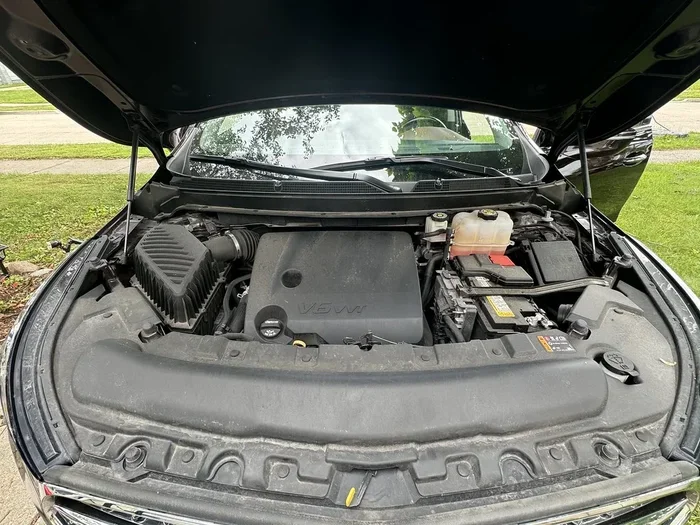
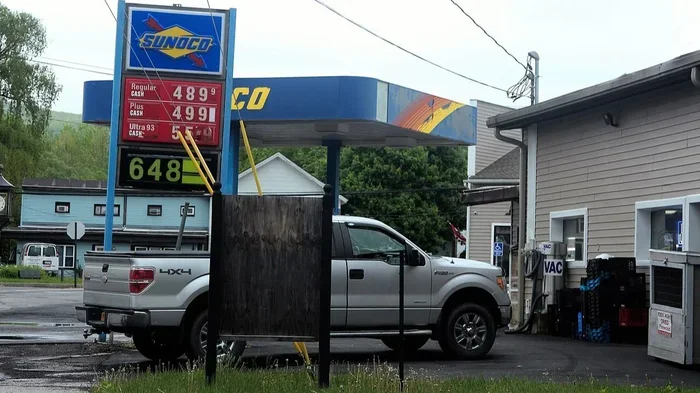
The Ford F-150 takes regular unleaded gasoline with an octane rating of 87 for most engines. Some models support E85 flex fuel, and a few high-performance trims recommend premium gas at 91 octane. Always check your owner’s manual or the fuel door label for your specific engine. Using the wrong fuel can hurt performance and efficiency.
The Ford F-150 is one of the best-selling trucks in America. It has been for decades. And with so many different engines and trims available, it is natural to wonder what gas does a Ford F-150 take. The answer depends on the engine you have. But the good news is that most F-150s use simple, widely available regular gasoline.
In this guide, we will walk through every engine option, explain the fuel requirements, and help you make the right choice at the pump. Whether you drive a base XL or a high-performance Raptor, this article has you covered.
Key Takeaways
- Most F-150 engines run on regular unleaded gas (87 octane): This includes the 3.3L V6, 2.7L EcoBoost, and 5.0L V8 engines found in many trims.
- Flex fuel (E85) is available on select models: Many F-150s come with a flex-fuel system that accepts up to 85% ethanol blends.
- The 5.2L V8 in the Raptor requires premium gas: This high-performance engine needs 91 octane for best results.
- Check the fuel door or owner’s manual: Ford places a clear label inside the fuel door showing the recommended fuel type.
- Using the wrong gas can cause problems: It may lead to reduced power, lower fuel economy, or engine knocking.
- Mixing gas types is generally safe in a pinch: But stick to the recommended grade for long-term engine health.
📑 Table of Contents
- What Gas Does a Ford F-150 Take Across All Engines
- Understanding Fuel Types for the Ford F-150
- Where to Find the Fuel Recommendation for Your F-150
- Can You Use Different Gas in a Ford F-150?
- Fuel Efficiency and Gas Mileage for the Ford F-150
- What Happens If You Use the Wrong Gas?
- Quick Tips for Filling Up Your Ford F-150
- Expert Insights on Ford F-150 Fuel Choices
- Conclusion
What Gas Does a Ford F-150 Take Across All Engines
The Ford F-150 comes with several engine options. Each one has its own fuel recommendation. Here is a quick look at the most common engines and what they need.
3.3L Ti-VCT V6 Engine
This is the base engine in many F-150 trims. It is a reliable workhorse found in the XL, STX, and XLT models. The 3.3L V6 takes regular unleaded gasoline with an octane rating of 87. This is the most common fuel at any gas station. You will not need to search for a specific pump.
2.7L EcoBoost V6 Engine
The 2.7L EcoBoost is a turbocharged engine that delivers strong performance and good fuel economy. It also runs on regular unleaded 87 octane gas. Ford designed this engine to work well with standard gasoline. This makes it a popular choice for daily drivers and work trucks alike.
5.0L Ti-VCT V8 Engine
The 5.0L V8 is a tried-and-true option for those who need serious towing power. It also uses regular unleaded gasoline at 87 octane. This engine is found in many L, XL, XLT, and Lariat trims. It is simple, durable, and easy to fuel.
5.2L Ti-VCT V8 Engine (Raptor)
The 5.2L V8 comes in the Ford F-150 Raptor. This is a high-performance engine built for off-road speed and power. It requires premium unleaded gasoline with an octane rating of 91. Using regular gas in this engine is not recommended. It can cause engine knocking and reduce performance.
3.5L EcoBoost V6 Engine
The 3.5L EcoBoost is a twin-turbo engine found in higher trims like the King Ranch, Platinum, and Limited. It takes regular unleaded 87 octane gas in most model years. This engine balances power and efficiency well.
5.0L V8 with Flex Fuel Capability
Some F-150 models come with a flex-fuel system. This means the truck can run on regular gasoline or E85 ethanol blend. The flex-fuel system automatically adjusts the engine timing to match the fuel type. This gives drivers flexibility, especially in areas where E85 is readily available.
Understanding Fuel Types for the Ford F-150
Not all gasoline is the same. The numbers on the pump tell you the octane rating. Octane measures how well the fuel resists “knocking” or “pinging” inside the engine. Let us break down the fuel types you will encounter.
Regular Unleaded (87 Octane)
This is the fuel most F-150s need. It is the cheapest option at the pump and widely available. Regular gas is perfect for the 3.3L V6, 2.7L EcoBoost, 5.0L V8, and 3.5L EcoBoost engines. Ford engineers tune these engines specifically for 87 octane fuel.
Mid-Grade (89 Octane)
Some drivers wonder if they can use 89 octane gas. The short answer is yes, but it is usually not necessary. Using mid-grade gas in an engine designed for regular will not harm the engine. But it also will not provide any real benefit. You will just spend more money at the pump.
Premium Unleaded (91+ Octane)
Premium gas is required for the 5.2L V8 in the Raptor. This high-compression engine needs the higher octane to prevent knocking and to deliver its full power potential. If you own an F-150 Raptor, always fill up with premium unleaded gasoline.
E85 Ethanol (Flex Fuel)
E85 is a blend of up to 85% ethanol and 15% gasoline. It is available at many gas stations, especially in the Midwest. Flex-fuel F-150s can run on E85, regular gas, or any blend in between. E85 is typically cheaper but offers lower fuel economy. It can also reduce engine wear slightly due to its higher octane rating.
If you are curious about flex fuel and whether your vehicle can handle different fuel types, you might find our article on can a flex fuel car use regular gas helpful for understanding how these systems work.
Where to Find the Fuel Recommendation for Your F-150
Not sure what gas your specific F-150 needs? There are two easy ways to find out.
Check the Fuel Door Label
Open the fuel door on the side of your truck. Look for a sticker or label. It will clearly state the recommended fuel type and octane rating. This label is there for a reason. It matches your specific engine configuration.
Read the Owner’s Manual
The owner’s manual is another great resource. Flip to the section on fuel and refueling. It will list the exact fuel requirements for your engine. The manual also provides tips on how to maintain your fuel system over time.
Check the Fuel Cap
Some Ford models have the fuel type printed right on the fuel cap. Remove the cap and look for any text or symbols. A yellow cap often indicates diesel, while a standard black cap means gasoline.
Can You Use Different Gas in a Ford F-150?
Many F-150 owners ask if they can switch between fuel types. The answer depends on the engine and the situation.
Using Regular Gas in a Flex-Fuel F-150
Yes, absolutely. Flex-fuel F-150s are designed to run on regular gasoline. The engine control module adjusts the fuel injection and timing based on the fuel detected. You can switch between regular gas and E85 without any issues.
Using E85 in a Non-Flex-Fuel F-150
No, this is not recommended. If your F-150 does not have a flex-fuel system, E85 can cause damage over time. The engine seals and fuel lines in non-flex-fuel models are not designed for high ethanol blends. Stick to regular gasoline or the fuel type specified by Ford.
Using Premium Gas in a Regular F-150
Using premium gas in an engine designed for regular will not hurt anything. But it will not help either. You will pay more per gallon without gaining any real benefit. The engine will not produce more power or last longer just because you used premium fuel.
For comparison, different vehicles have different fuel needs. If you are curious about what other vehicles require, our guide on can a Nissan Altima use unleaded 88 gas explains how fuel requirements vary across brands and models.
Fuel Efficiency and Gas Mileage for the Ford F-150
Fuel efficiency is a big concern for truck owners. The type of gas you use plays a role in your overall mileage. Here are some tips to get the best fuel economy from your F-150.
- Stick to the recommended octane rating: Using the right fuel keeps the engine running efficiently.
- Avoid E85 if fuel economy matters: E85 has lower energy content than regular gasoline, which means fewer miles per gallon.
- Keep your tires properly inflated: Underinflated tires reduce gas mileage significantly.
- Remove excess weight from the truck bed: Extra weight makes the engine work harder and burn more fuel.
- Use cruise control on highways: Steady speeds improve fuel efficiency on long trips.
- Keep up with regular maintenance: Clean air filters, spark plugs, and fuel injectors all contribute to better mileage.
The 2.7L EcoBoost and 3.5L EcoBoost engines tend to offer the best fuel economy in the F-150 lineup. The 5.0L V8 and 5.2L V8 are more thirsty but deliver more towing and hauling power.
What Happens If You Use the Wrong Gas?
Using the wrong fuel in your Ford F-150 can lead to several problems. Let us look at what can go wrong and how to avoid it.
Engine Knocking or Ping
This is the most common symptom of using too-low octane fuel. You may hear a rattling or knocking sound from the engine, especially under heavy load. The 5.2L Raptor engine is particularly sensitive to this. If you hear knocking, switch to the recommended fuel grade immediately.
Reduced Performance
Even if your engine does not knock, using the wrong fuel can reduce power and responsiveness. The engine control module may adjust timing to compensate, which robs the engine of its full potential.
Lower Fuel Economy
Wrong fuel can cause the engine to run less efficiently. You may notice you need to fill up more often. Over time, this adds up to extra costs at the pump.
Long-Term Engine Damage
In rare cases, consistently using the wrong fuel can cause long-term damage. Carbon buildup, worn piston rings, and damaged catalytic converters are all possible outcomes. This is why it is so important to use the fuel type Ford recommends.
Quick Tips for Filling Up Your Ford F-150
Here are some practical tips to keep in mind the next time you visit the gas station.
- Always check the fuel door label first. Do not rely on memory or what worked for a friend’s F-150.
- Fill up with regular gas unless you have a Raptor. The 5.2L Raptor engine is the only F-150 engine that requires premium fuel.
- If you have a flex-fuel model, E85 is optional. Use it if it is cheaper or if you prefer higher octane. But know that it reduces your range per tank.
- Do not run the tank completely empty. This can strain the fuel pump and introduce sediment into the engine.
- Keep a fuel additive on hand if needed. A quality fuel system cleaner can help maintain engine performance over time.
Expert Insights on Ford F-150 Fuel Choices
Ford engineers have spent years tuning each F-150 engine for a specific fuel type. The company recommends regular unleaded gasoline for most models because it offers the best balance of performance, cost, and availability. The flex-fuel capability on certain models adds versatility without compromising reliability.
Mechanics and F-150 owners alike agree that sticking to the manufacturer’s recommendation is the safest approach. If you are ever unsure, ask your Ford dealer or check the owner’s manual. It is always better to be safe than sorry when it comes to fuel.
For more information on how long you can safely let your vehicle sit without driving, check out our article on how long can a car idle safely for useful tips on maintaining your truck’s engine health.
Conclusion
So, what gas does a Ford F-150 take? The answer is regular unleaded gasoline at 87 octane for most engines. The 5.2L V8 in the Raptor is the exception and requires premium gas at 91 octane. Flex-fuel models can also use E85 ethanol blend for added versatility.
Always check your fuel door label or owner’s manual to confirm the right fuel for your specific engine. Using the correct gas keeps your F-150 running smoothly, maintains fuel efficiency, and protects the engine for years to come. When in doubt, regular unleaded gasoline is the safe and smart choice for the vast majority of Ford F-150 trucks.
Take care of your F-150’s fuel system, and it will take care of you. Whether you are hauling, towing, or just cruising down the highway, using the right gas makes all the difference in how your truck performs and how long it lasts.
Frequently Asked Questions
What type of gas does a Ford F-150 take?
Most Ford F-150 models take regular unleaded gasoline with an octane rating of 87. This includes the 3.3L V6, 2.7L EcoBoost, 5.0L V8, and 3.5L EcoBoost engines. The exception is the 5.2L V8 in the F-150 Raptor, which requires premium gas at 91 octane.
Can I put E85 in my Ford F-150?
Only if your F-150 has a flex-fuel system. Flex-fuel models can run on E85, regular gasoline, or any blend in between. If your truck does not have a flex-fuel badge or label, do not use E85 as it can damage the fuel system.
What happens if I put premium gas in a regular F-150?
Nothing bad will happen, but you will waste money. Premium gas in an engine designed for regular provides no real benefit. The engine will not gain extra power or last longer. Stick with the recommended octane rating to save money at the pump.
How do I know if my F-150 is flex fuel?
Check the fuel door for a label or sticker that mentions flex fuel or E85. You can also look for a yellow gas cap or search for the “flex fuel” badge on the tailgate. The owner’s manual will also confirm whether your model supports flex fuel.
Does the Ford F-150 Raptor need premium gas?
Yes, the 5.2L V8 Raptor engine requires premium unleaded gasoline with an octane rating of 91 or higher. Using regular gas in the Raptor can cause engine knocking and reduce performance. Always fill up with premium fuel for the best results.
Can I mix different octane fuels in my Ford F-150?
Mixing fuels occasionally is not harmful. If you accidentally put 89 octane in a tank that takes 87, you will be fine. However, consistently using the wrong octane can lead to engine problems over time. Always aim to use the fuel type recommended by Ford for your specific engine.