How Do You Start a Car With a Key Ignition Step By Step
Starting a car with a key ignition is straightforward once you know the exact steps. This guide walks you through every move, from inserting the key to turning the ignition. You will also learn about common problems, maintenance tips, and how your key ignition compares to modern push button start systems.
Have you ever stood in front of your car, key in hand, and wondered exactly how the ignition works? Maybe you just got your driver’s license. Or perhaps you are driving an older vehicle for the first time. Either way, knowing how to start a car with a key ignition is a basic skill every driver should have.
The good news is that it is simpler than most people think. Once you understand the process, it becomes second nature. In this guide, we will walk you through every single step. We will also cover common problems you might face and how to fix them. By the end, you will feel confident turning that key every time you get behind the wheel.
Many drivers today have never used a traditional key ignition. Modern cars often come with push button start systems. But millions of vehicles on the road still rely on a classic key ignition setup. Understanding how this system works is the first step to becoming a better, more independent driver.
Key Takeaways
- Know your ignition steps: Insert the key, press the brake, and turn clockwise to start.
- Common issues are fixable: A dead battery, worn key, or faulty ignition switch often causes starting problems.
- Maintenance matters: Regular key and ignition care prevents most starting issues before they happen.
- Key fob batteries need attention: A weak fob battery can cause ignition problems in modern vehicles.
- Push button start is different: Key ignition systems work differently than newer keyless systems.
- Safety first: Always press the brake pedal and ensure the car is in park before turning the key.
- When in doubt, seek help: Some ignition problems need a professional mechanic to diagnose and fix.
📑 Table of Contents
- Understanding Your Car’s Key Ignition System
- Step-by-Step Guide to Starting Your Car With a Key Ignition
- Common Problems When Starting a Car With a Key Ignition
- Key Ignition Maintenance Tips
- Key Ignition vs Push Button Start: What Is the Difference?
- When to See a Mechanic for Ignition Problems
- Conclusion
Understanding Your Car’s Key Ignition System
Before you turn that key, it helps to understand what is happening under the hood. The ignition system is what powers your car to life. It is a chain of events that happens in seconds. Let us break it down into simple parts.
What Is a Key Ignition?
A key ignition is the slot where you insert your car key. When you turn the key, it sends an electrical signal to the starter motor. That motor then cranks the engine. Once the engine catches, your car is running.
The ignition system includes several components. The ignition switch controls the flow of electricity. The ignition cylinder is the part where you physically insert and turn the key. The starter motor does the heavy lifting of turning the engine over. All of these parts work together every time you start your car.
How the Ignition Process Works
Here is a simple way to think about it. When you insert the key and turn it, you are completing an electrical circuit. That circuit sends power from the car battery to the starter motor. The starter motor spins the engine. The engine then draws in air and fuel, and the combustion process begins.
This whole process takes just a few seconds. But if any part of the chain is broken, your car will not start. That is why understanding each piece matters. A transponder key adds an extra layer of security. It sends a unique code to the car’s computer. If the code matches, the car will start. If it does not match, the engine stays locked.
Step-by-Step Guide to Starting Your Car With a Key Ignition
Now let us get into the action. Here is exactly how to start your car using a key ignition. Follow these steps carefully every time you drive.
Step 1: Get Inside and Sit Down
Open the door and sit in the driver’s seat. Close the door all the way. Make sure you are seated comfortably. You need full access to the steering wheel, brake pedal, and gear shift.
Step 2: Put the Car in Park
Move the gear shift into the Park position. This is essential for safety. If the car is in any other gear, turning the key can cause the vehicle to lurch forward or backward. Always double check that the gear selector shows Park before you do anything else.
Step 3: Press the Brake Pedal
Press the brake pedal all the way down with your right foot. Most modern cars require you to do this before the ignition will engage. This is a safety feature designed to prevent accidental starts.
Step 4: Insert the Key into the Ignition
Take your key and locate the ignition slot. It is usually on the steering column, just to the right of the steering wheel. Insert the key fully into the ignition cylinder. You should feel it click into place.
If the key does not go in easily, do not force it. Something might be blocking the cylinder. Check for debris or a bent key. A worn key can also cause insertion problems.
Step 5: Turn the Key to the On Position
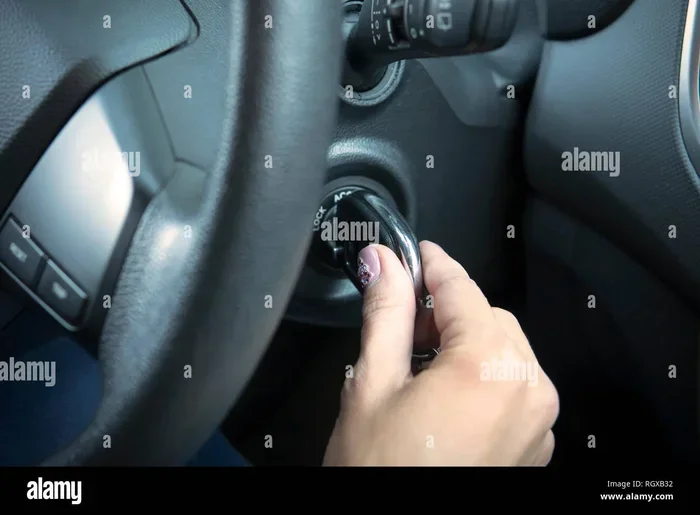
Turn the key gently to the right. Stop at the first position, which is the “On” or “Acc” position. At this point, your dashboard lights should turn on. You will see warning lights, the fuel gauge, and other indicators activate.
This step lets the car’s systems check themselves. If a warning light stays on, it could signal a problem. But a light that goes off after a few seconds is completely normal.
Step 6: Turn the Key to Start the Engine
Now, keep holding the brake pedal. Turn the key one more position to the right, all the way to the “Start” position. You will feel the key spring back slightly. While holding it there, the starter motor will engage and crank the engine.
You should hear the engine roar to life. Once it starts, release the key. It will spring back to the “On” position automatically. Do not hold the key in the start position for more than a few seconds. This can overheat the starter motor.
Step 7: Let the Car Warm Up
After the engine starts, let it idle for a few moments. This is especially important in cold weather. The oil needs time to circulate through the engine. Watch the temperature gauge on your dashboard. Once it moves into the normal range, you are ready to drive.
Common Problems When Starting a Car With a Key Ignition
Sometimes, things do not go as planned. The key turns but nothing happens. Or the engine cranks but will not fire up. These situations are frustrating, but they are usually fixable. Let us look at the most common problems.
The Key Will Not Turn in the Ignition
This is one of the most common issues. If your key will not turn, the steering wheel lock might be engaged. When you turn off the car, the steering wheel can lock in place. This locks the ignition cylinder too. To fix it, gently wiggle the steering wheel left and right while trying to turn the key.
Another cause is a worn or damaged key. Over time, the ridges on your key wear down. A worn key will not align properly with the ignition cylinder. If you suspect this, try your spare key. If the spare works, you need a new key cut.
The Engine Cranks But Will Not Start
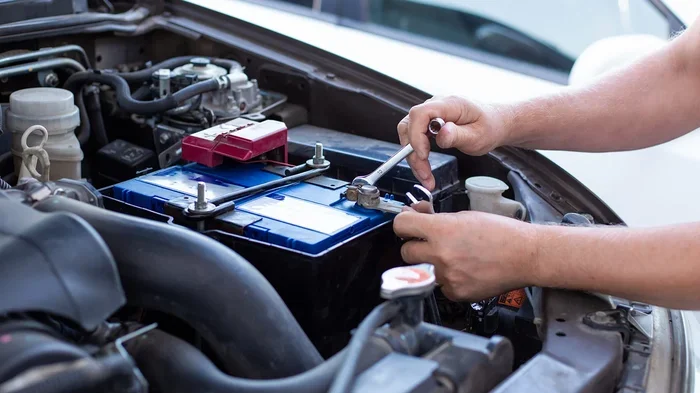
If you hear the engine turning over but it will not fire, the problem could be fuel or spark. Check if you have enough gas. It sounds obvious, but a low fuel level can prevent starting. Next, check the car battery. A weak battery might crank the engine but not with enough power to start it.
You can test a car battery with a multimeter to see if it has enough charge. If the battery is dead, you may need to charge it or replace it. Sometimes the fuel pump or spark plugs are the culprit. These repairs usually require a mechanic.
The Ignition Switch Feels Stiff or Loose
A stiff ignition switch can make turning the key difficult. This often happens from regular wear and tear. The internal parts of the switch can become loose over time. If the switch feels like it is wobbling or grinding, it may need to be replaced.
A loose ignition switch is more than an annoyance. It can actually prevent your car from starting. The electrical contacts inside the switch may not align properly. This breaks the connection between the key and the starter motor.
The Dashboard Lights Do Not Come On
If you turn the key and nothing happens, not even the dashboard lights, check your battery. A completely dead battery will not power the ignition system at all. You might hear a single click when you turn the key, but the engine will not crank.
In some cases, a bad key fob battery can cause similar symptoms, especially in newer vehicles with push-button start features. Even if you use a physical key, a weak fob battery can interfere with the car’s computer recognizing the key. A bad key fob can drain your car battery over time if it stays in an active state.
Key Ignition Maintenance Tips
Prevention is always better than repair. Taking care of your key ignition system can save you from unexpected breakdowns. Here are some simple maintenance tips that make a big difference.
Keep Your Key Clean and Dry
Dirt and moisture can damage both the key and the ignition cylinder. Wipe your key regularly with a soft cloth. If the key gets wet, dry it thoroughly before inserting it. Avoid exposing your key to extreme heat or cold for long periods.
Replace the Key Fob Battery When Needed
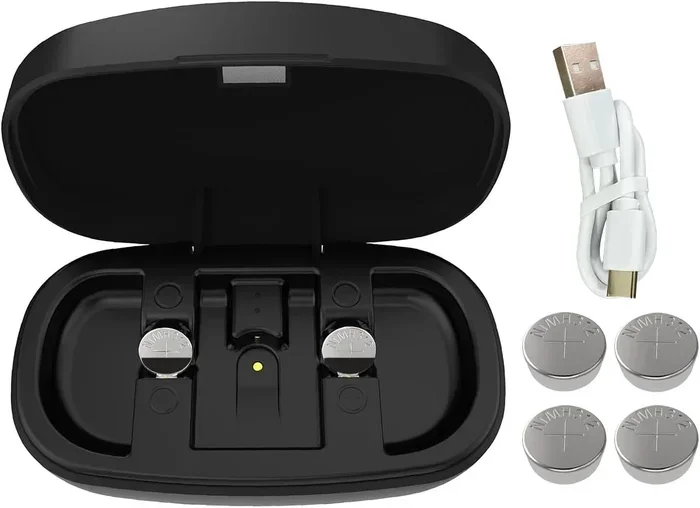
If your car uses a key fob alongside the physical key, the fob battery needs regular replacement. Most key fob batteries last one to two years. If you notice the fob not working from a distance, it is time for a replacement. You can replace a car key fob battery yourself in most cases. It is a quick and easy process that saves you a trip to the shop.
After replacing the fob battery, you might need to do a few extra steps. Some vehicles require you to reprogram or reset the fob. Check your owner’s manual for specific instructions.
Do Not Force the Key
Forcing the key into the ignition can damage the cylinder. If the key does not go in smoothly, stop and check for obstructions. Using a key that is not designed for your vehicle can also cause damage. Always use the correct key for your car.
Have the Ignition System Inspected Regularly
During routine maintenance, ask your mechanic to inspect the ignition system. They can spot early signs of wear before they become major problems. A regular inspection can catch a failing ignition switch or a worn cylinder before you are stranded.
Key Ignition vs Push Button Start: What Is the Difference?
Modern cars increasingly feature push button start systems. These systems eliminate the need for a physical key turn. Instead, you press a button after the car detects your key fob. While convenient, push button start systems work very differently from traditional key ignition systems.
With a key ignition, you have direct mechanical control. You feel the key turn and hear the engine engage. Push button start systems rely entirely on electronic signals. The car’s computer must recognize the key fob before the button will work.
Both systems have pros and cons. Key ignition systems are simpler and often more reliable in the long run. Push button start systems offer convenience and a modern feel. However, they can be more expensive to repair. A dead key fob battery in a push button start car can leave you unable to start the vehicle.
If your car has push button start and the key fob battery dies, you can usually start the car by placing the fob against a specific spot on the steering column. But if you are driving an older car with a traditional key ignition, you do not have this backup option. That is why keeping your physical key in good condition is so important.
Some drivers prefer the simplicity of a key ignition because it is less likely to have electronic failures. Others prefer the ease of push button start. Both systems get the job done. Understanding how each one works helps you make the most of your vehicle.
When to See a Mechanic for Ignition Problems
Most ignition problems are minor and easy to fix. But some issues need professional attention. Knowing when to seek help can save you time and money in the long run.
If your car will not start at all, and the battery is good, the problem is likely in the ignition system. A mechanic can test the ignition switch and cylinder to find the exact cause. If the key is stuck in the ignition, do not try to pull it out forcefully. This can break the key inside the cylinder, creating an even bigger problem.
Repeated starting problems are another sign to see a professional. If your car starts fine one day but refuses to start the next, there could be an electrical issue. A mechanic can run diagnostics and pinpoint the problem quickly.
Also, if you notice a grinding or clicking sound when you turn the key, get it checked. These sounds often indicate a failing starter motor or a damaged ignition cylinder. Ignoring these warning signs can lead to more expensive repairs down the road.
Some people wonder if they can start an ignition without a key. While it is technically possible in some older vehicles, it is not recommended. It can damage the ignition system and may even be illegal in some areas. Always use your proper key or fob to start your car.
Conclusion
Starting a car with a key ignition is a simple process once you know the steps. Insert the key, press the brake, put the car in park, and turn the key to start. While it seems basic, understanding the full process helps you troubleshoot problems when they arise.
Regular maintenance of your key and ignition system goes a long way. Keep your key clean, replace the fob battery on schedule, and never force the key into the ignition. These small habits prevent most common starting problems.
If you run into issues, start with the basics. Check the battery, the gear position, and the key condition. Most problems have simple solutions. But when in doubt, do not hesitate to visit a trusted mechanic. Your key ignition is the gateway to every drive you take. Take care of it, and it will take care of you.
Frequently Asked Questions
Can I start my car with a low key battery?
In most cases, a low key fob battery will not prevent you from starting the car if you use the physical key. However, in vehicles with push button start, a weak fob battery may cause the car not to recognize the key. You can usually still drive with a low key battery, but you should replace the fob battery soon to avoid getting stranded.
How do I know if my ignition switch is bad?
Signs of a bad ignition switch include the key being hard to turn, the car not starting, or dashboard lights flickering. If you notice these symptoms, have a mechanic inspect the switch. A failing ignition switch can leave you unable to start your car unexpectedly.
Can a bad key fob drain your car battery?
Yes, a bad key fob can drain your car battery over time. If the fob stays in an active state or has a weak battery, it can continuously send signals to the car. This draws power from the main battery. Replacing the fob battery regularly helps prevent this issue.
What should I do if my key breaks in the ignition?
If your key breaks in the ignition, do not try to remove it with tweezers or other tools. You risk pushing the broken piece deeper into the cylinder. Instead, call a locksmith or mechanic who can safely extract the broken key and replace the ignition cylinder if needed.
Is it safe to drive with an ignition problem?
No, it is not safe to drive with a known ignition problem. A failing ignition switch can cause the car to stall while driving. If you suspect any issue with your ignition system, get it checked before you drive the vehicle.
Can you start an ignition without a key?
While older vehicles may be started without a key using hot-wiring methods, this is not recommended and is often illegal. Modern cars have anti-theft systems that make starting without a key extremely difficult. Always use your proper key or key fob to start your vehicle safely and legally.