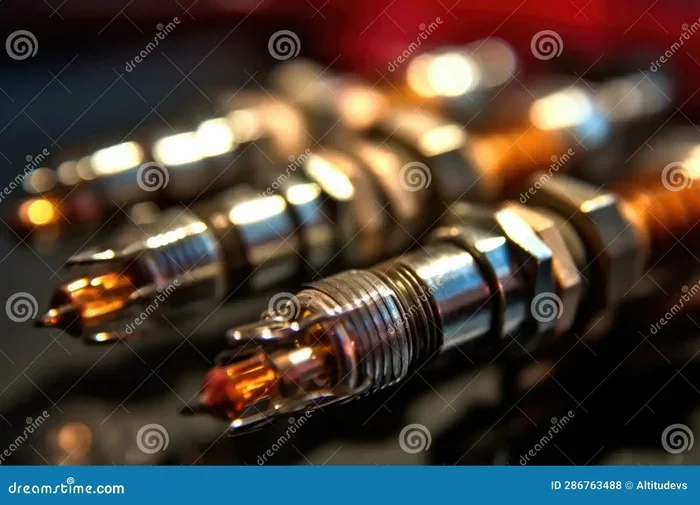
How Often Should Spark Plugs Be Changed for Performance
Knowing how often should spark plugs be changed is one of the simplest ways to keep your engine running smoothly and efficiently. Most spark plugs last between 30,000 and 100,000 miles depending on the type and driving conditions. Regular replacement prevents misfires, improves fuel economy, and extends engine life.
Your engine depends on spark plugs to ignite the air-fuel mixture in every cylinder. Without working plugs, your car simply will not run right. Yet many drivers overlook this small but mighty component until problems start. So how often should spark plugs be changed? The answer depends on a few key factors we will break down in this guide.
This article covers everything you need to know about spark plug replacement intervals. You will learn about different plug types, warning signs of wear, and practical tips to keep your engine in top shape. Whether you are a DIY mechanic or just want to understand your maintenance schedule better, this guide has you covered.
Key Takeaways
- Standard copper spark plugs typically need replacement every 30,000 miles.
- Iridium and platinum spark plugs can last up to 100,000 miles or more.
- Ignoring worn spark plugs leads to misfires, poor fuel economy, and engine damage.
- Driving habits and conditions like extreme heat or short trips shorten spark plug life.
- Always check your vehicle manual for the manufacturer recommended replacement interval.
- Changing spark plugs yourself is doable with basic tools and a little patience.
📑 Table of Contents
- How Often Should Spark Plugs Be Changed?
- Signs Your Spark Plugs Need Replacement
- Types of Spark Plugs and Their Lifespans
- Factors That Affect Spark Plug Life
- Step-by-Step Guide to Changing Spark Plugs
- Common Mistakes to Avoid When Replacing Spark Plugs
- How Spark Plugs Affect Engine Performance
- When to See a Professional
- Final Thoughts
How Often Should Spark Plugs Be Changed?
The short answer is that most spark plugs need changing every 30,000 to 100,000 miles. But that range is wide because different plug materials last different amounts of time. Copper core spark plugs tend to wear out faster, usually around 30,000 miles. Iridium and platinum plugs can go much longer, sometimes up to 100,000 miles or beyond.
Your vehicle owner manual is the best place to find the exact interval for your car. Manufacturers test their engines with specific plugs and give you a recommended number. Following that schedule helps your engine run at its best. Skipping recommended service can lead to bigger problems down the road.
Some people wonder, can spark plugs last 200,000 miles? In rare cases with ideal driving conditions and high quality plugs, it is possible. But for most everyday drivers, sticking to the standard replacement window is the smart move. You can read more about spark plug longevity in our detailed guide here.
Why the Replacement Interval Matters
Spark plugs work by sending an electrical current from the ignition coil into the combustion chamber. This spark ignites the compressed air-fuel mixture, creating the power that moves your car. Over time, the electrode on the plug wears down. The gap between the electrodes gets wider, which weakens the spark.
A weak spark means incomplete combustion. That leads to several problems you do not want to deal with:
- Reduced engine power and sluggish acceleration
- Poor fuel economy because the engine burns more gas than needed
- Rough idling and hesitation when stepping on the gas
- Hard starts especially in cold weather
- Increased emissions that can fail emissions tests
Replacing your plugs on schedule prevents all of these issues. It is a small investment that pays off in big ways. Think of it like changing the oil in your car. You do not wait until the engine seizes. You stay ahead of maintenance to avoid costly repairs.
Signs Your Spark Plugs Need Replacement
You do not always need to wait for the mileage marker. Your car gives you warning signs when spark plugs are wearing out. Catching these early can save you from more serious engine trouble.
Engine Misfires
A misfire is one of the most common signs of worn spark plugs. You might feel a jerking sensation when accelerating or a rough running engine at idle. Misfires happen because the spark is not strong enough to ignite the fuel properly in one or more cylinders. This puts extra stress on your catalytic converter and other engine parts.
Rough Idling
If your engine shakes or sounds uneven when sitting at a stoplight, worn plugs could be the cause. A healthy engine idles smoothly and quietly. Rough idling often means the combustion process is inconsistent across cylinders. New plugs usually fix this right away.
Poor Fuel Economy
Are you filling up more often than usual? Worn spark plugs can reduce your miles per gallon significantly. When the spark is weak, fuel does not burn completely. Unburned fuel exits through the exhaust, and you lose efficiency. Many drivers notice an immediate improvement in gas mileage after a plug change.
Difficulty Starting the Car
Spark plugs play a big role in starting your engine. When they are old or fouled, getting a spark can become harder. You might turn the key and hear the engine crank slowly or struggle to catch. If this happens often, it is worth checking your plugs before they leave you stranded.
Sluggish Acceleration
Worn plugs cannot deliver the strong, consistent spark needed for quick acceleration. You may notice a delay when you press the gas pedal. The car feels slow to respond or lacks its usual power. Fresh plugs restore that responsive feel.
Check Engine Light
In some cases, a flashing or steady check engine light signals spark plug problems. The engine control module detects misfires and triggers the light. While many things can cause this light to come on, spark plugs are a common and easy fix. Do not ignore it.
Types of Spark Plugs and Their Lifespans
Not all spark plugs are the same. The type you have in your engine determines how long they last and how they perform. Understanding the differences helps you make informed decisions about your maintenance schedule.
Copper Core Spark Plugs
Copper core plugs are the most basic and affordable option. They offer good conductivity and a strong spark. However, the copper electrode wears down faster than other materials. Most copper plugs need replacement around 30,000 miles. They are commonly found in older vehicles or high-performance engines that run hotter.
Platinum Spark Plugs
Platinum plugs use a small platinum disc on the electrode. Platinum is much harder than copper, so it resists wear better. These plugs typically last around 60,000 to 80,000 miles. They also handle higher operating temperatures well. Many modern factory-installed plugs use platinum technology.
Iridium Spark Plugs
Iridium is the hardest and most durable spark plug material available. Iridium plugs can last 80,000 to 100,000 miles or even longer. They provide a fine, precise spark that improves combustion efficiency. While they cost more upfront, their long life makes them a great value over time. Many manufacturers recommend iridium plugs for their newer models.
Double Platinum and Double Iridium
Some plugs feature platinum or iridium on both the center and ground electrodes. These dual-metal designs last even longer and perform consistently over time. They are common in engines with waste spark ignition systems. If your car uses this type, follow the replacement interval specified by the manufacturer.
| Plug Type | Average Lifespan | Best For |
|---|---|---|
| Copper Core | 30,000 miles | Older vehicles, budget replacements |
| Platinum | 60,000–80,000 miles | Modern standard engines |
| Iridium | 80,000–100,000 miles | Long-lasting performance |
| Double Platinum/Iridium | 100,000+ miles | Waste spark systems, high mileage |
Factors That Affect Spark Plug Life
Even if you follow the recommended mileage, real-world driving can shorten or extend plug life. Several factors play a role in how quickly your spark plugs wear out.
Driving Habits
Short trips are tough on spark plugs. When you drive less than 10 miles at a time, the engine does not reach full operating temperature. This causes carbon buildup on the electrodes. If your daily commute is short, you may need to replace plugs more often than the standard interval suggests.
On the other hand, highway driving keeps the engine at a steady temperature and burns off deposits more effectively. Long-distance drivers often get more life out of their plugs. If you spend a lot of time idling in traffic, that can also accelerate wear.
Engine Conditions
Engines that run rich (too much fuel) or lean (too little fuel) cause premature plug wear. A faulty oxygen sensor or fuel injector can create these conditions. Coolant leaks into the combustion chamber can also foul plugs quickly. Addressing underlying engine problems is just as important as changing the plugs themselves.
Heat and Driving Environment
Extreme heat accelerates electrode erosion. If you live in a hot climate or tow heavy loads frequently, your plugs work harder. Stop-and-go city driving generates more heat than steady highway cruising. Towing a trailer puts extra strain on the entire engine, including the ignition system.
Some drivers wonder about how long a car can sit without being driven or how long a car can idle safely. Both of these scenarios affect engine health and can indirectly impact spark plug condition. Sitting for long periods allows moisture to build up on plugs, while excessive idling causes carbon deposits. You can learn more about safe idling limits in our idling guide and about hybrid vehicle maintenance in our hybrid care article.
Oil and Coolant Contamination
If your engine burns oil or has a coolant leak, contaminants can reach the spark plugs. Oil fouls the electrodes and shortens their life. Coolant leaves a white, chalky residue that damages the plug. These issues need to be fixed alongside plug replacement. Otherwise, new plugs will foul quickly again.
Step-by-Step Guide to Changing Spark Plugs
Changing spark plugs is one of the most satisfying DIY maintenance tasks you can do. It requires basic tools and about 30 to 60 minutes depending on your engine. Here is a simple walkthrough to help you get it done right.
Step 1: Gather Your Tools and Materials
You will need a spark plug socket (usually 5/8 inch or 13/16 inch), a ratchet and extension, a torque wrench, anti-seize compound, and your new spark plugs. Make sure the plugs match your engine specifications. Check your owner manual for the correct part numbers and gap settings.
Step 2: Let the Engine Cool
Never remove spark plugs from a hot engine. The metal threads can seize or you risk burning your hands. Wait at least an hour after driving before you start the job. Work in a well-ventilated area and make sure the engine is off and the key is removed from the ignition.
Step 3: Remove the Ignition Coil or Spark Plug Wire
On most modern engines, each cylinder has its own ignition coil. Gently pull up on the coil boot to release it. On older vehicles, you will need to remove the spark plug wire cap. Take note of which coil or wire goes to which cylinder. Mixing them up can cause running problems.
Step 4: Remove the Old Spark Plug
Fit the spark plug socket onto the old plug and turn it counterclockwise to loosen. If a plug is stuck, apply penetrating oil and let it sit for a few minutes. Be gentle to avoid breaking the plug inside the cylinder head. Once loose, carefully pull the plug straight out.
Step 5: Check the Gap on the New Plug
Use a spark plug gap tool to verify the gap matches your manufacturer specification. Too wide or too narrow a gap affects performance. Most plugs come pre-gapped, but it is always worth double-checking. Adjust carefully by bending the ground electrode only.
Step 6: Install the New Spark Plug
Hand-thread the new plug into the cylinder head first. This prevents cross-threading, which can cause serious engine damage. Once it is snug by hand, use the torque wrench to tighten it to the specification listed in your manual. Over-tightening can strip threads or crack the porcelain insulator.
Step 7: Reconnect the Coil or Wire
Push the ignition coil boot firmly onto the new plug until it clicks into place. Make sure it is fully seated. Repeat this process for each cylinder, working one at a time to avoid confusion.
Step 8: Start the Engine and Test
After all plugs are installed, start the engine and let it idle. Listen for smooth, even operation. Take a short test drive and pay attention to acceleration and idling. You should notice a difference right away if the old plugs were worn.
Quick Tip: Apply a thin coat of dielectric grease inside the coil boot. This makes future removal easier and protects against moisture. Also, keep a record of your plug change dates and mileage. This helps you stay on track with your next replacement.
Common Mistakes to Avoid When Replacing Spark Plugs
Even a simple job like spark plug replacement can go wrong if you are not careful. Here are the most common mistakes drivers and DIYers make.
- Using the wrong spark plug type. Always match the plug to your engine specifications. Using the wrong heat range or material can cause performance issues and even engine damage.
- Over-tightening the plugs. Spark plugs are designed to seal with a specific torque. Too much force can strip the threads in the aluminum head, leading to an expensive repair.
- Forgetting to check the gap. Even pre-gapped plugs can be damaged during shipping. Always verify the gap before installation.
- Not replacing ignition coils. If your coils are old, new plugs may not perform their best. Consider replacing coils that show signs of wear at the same time.
- Mixing up the firing order. Label each coil or wire before removal. Reconnecting them out of order will cause rough running and poor performance.
- Skipping the torque wrench. A torque wrench is not optional. It ensures the plug is tight enough to seal but not so tight that it causes damage.
Avoiding these mistakes saves you time, money, and frustration. If you are unsure about any step, consult a trusted mechanic. A professional engine tuning service can also inspect your ignition system and recommend the best maintenance plan for your vehicle.
How Spark Plugs Affect Engine Performance
It is easy to underestimate the role spark plugs play in overall engine performance. These small components are responsible for initiating combustion in every cylinder. When they work properly, you get smooth power, good fuel economy, and clean emissions. When they fail, everything suffers.
Fresh spark plugs deliver a strong, consistent spark. This means the air-fuel mixture ignites completely and efficiently. Complete combustion translates directly into more power from each drop of fuel. That is why many car enthusiasts pay close attention to their ignition system components.
Engine performance also depends on the spark plug gap and heat range. The gap determines how much voltage is needed to create a spark. A wider gap produces a stronger spark but requires more voltage from the ignition coil. The heat range affects how quickly the plug dissipates heat. Choosing the right combination for your driving style and conditions makes a noticeable difference.
If you notice any of the warning signs discussed earlier, do not wait too long to address them. A simple plug change can restore lost power and improve your driving experience. Regular maintenance also keeps your combustion chamber clean and your air-fuel mixture balanced.
When to See a Professional
While changing spark plugs is a manageable DIY project for most people, there are times when professional help makes sense. If your engine has high mileage and plugs have not been changed in a long time, they may be seized in the head. Extracting a broken plug requires special tools and expertise.
Also, if you notice persistent problems after replacing plugs, there may be an underlying issue. A mechanic can diagnose problems with fuel injectors, oxygen sensors, or ignition coils that go beyond just the plugs. Regular maintenance visits keep your vehicle running at its best and help you catch problems early.
Final Thoughts
So how often should spark plugs be changed? The answer comes down to your plug type, driving conditions, and vehicle manufacturer recommendations. Most drivers will fall somewhere in the 30,000 to 100,000 mile range. Staying on top of this simple maintenance task pays off in better performance, improved fuel economy, and a longer-lasting engine.
Do not wait for warning signs to appear. Proactive maintenance is always cheaper and easier than reactive repairs. Check your owner manual, keep an eye on your mileage, and replace your plugs on schedule. Your engine will thank you with smooth, reliable performance mile after mile.
Whether you drive a daily commuter or a weekend cruiser, spark plugs are a small part that makes a big difference. Take the time to care for them, and your car will reward you with years of dependable service. Start your next maintenance project today and feel the difference fresh spark plugs make.
Frequently Asked Questions
What happens if you never change your spark plugs?
Over time, spark plugs wear out and the electrode gap widens. This causes weak sparks, misfires, poor fuel economy, and eventually engine damage. Neglecting spark plug replacement can lead to costly repairs that could have been avoided with simple routine maintenance.
Can I change spark plugs myself?
Yes, changing spark plugs is one of the easiest DIY maintenance tasks. You need basic tools like a spark plug socket, ratchet, and torque wrench. Just make sure you follow the correct procedure and use the right plugs for your engine.
How much does it cost to change spark plugs?
The cost depends on the plug type and your labor rates. Copper plugs are the cheapest, while iridium plugs cost more upfront. DIY installation saves on labor costs, and a full set of plugs plus basic tools can be purchased for a reasonable price.
Do spark plugs affect gas mileage?
Yes, worn spark plugs can significantly reduce fuel efficiency. A weak spark leads to incomplete combustion, meaning more fuel is wasted. Fresh plugs restore proper combustion and can improve your miles per gallon noticeably.
How do I know which spark plug my car needs?
Your vehicle owner manual lists the correct spark plug type, heat range, and gap specification for your engine. You can also check the current plugs for a cross-reference number stamped on the metal casing.
Should I replace spark plugs with the ignition coils?
It is not always necessary, but replacing old coils at the same time can be a good idea. If your coils are showing signs of wear, new plugs paired with new coils ensure the best possible ignition performance and reliability.
=== CONCLUSION ===
How often should spark plugs be changed is a question every car owner should know the answer to. Regular replacement keeps your engine running smoothly, improves fuel economy, and prevents costly repairs. Whether you drive a daily commuter or a weekend cruiser, staying on top of your spark plug maintenance schedule is one of the easiest and most impactful things you can do. Use this guide as your reference, follow your manufacturer recommendations, and enjoy the benefits of a well-maintained engine.