Is One Quart of Oil Over Too Much for Your Car Engine
Adding one quart of oil over the recommended level might seem harmless, but it can cause real engine problems. When oil exceeds the max mark on the dipstick, it creates excess pressure, foaming, and potential damage to internal components. This guide explains exactly what happens when you put too much oil in your engine and how to fix it.
Is one quart of oil over too much? The short answer is yes. Even a single quart above the recommended level can create problems for your engine. Many car owners assume a little extra oil won’t hurt, but that assumption can lead to expensive repairs down the road.
When oil levels exceed the maximum mark on the dipstick, the crankshaft starts churning through the excess liquid. This creates foam, increases internal pressure, and can push oil into places it doesn’t belong. The good news is that catching this early makes the fix simple and affordable.
In this article, we will walk you through everything you need to know about oil overfill. You will learn what happens when you put too much oil in your engine, how to spot the warning signs, and exactly what to do if you find yourself in this situation. Let us get into it.
Key Takeaways
- Even one quart too much oil can harm your engine by causing foaming, increased pressure, and oil leaks.
- Always check your oil level on a flat surface after the engine has cooled down for an accurate reading.
- Symptoms of overfill include blue smoke, oil leaks, and unusual engine noises that should not be ignored.
- Draining excess oil is a simple fix that can be done at home or by a mechanic in under an hour.
- Prevention is the best approach — follow your vehicle manual and add oil in small increments.
- Driving with too much oil is risky and can lead to costly repairs if left unaddressed.
📑 Table of Contents
- What Happens When You Put One Quart Too Much Oil in Your Engine
- How to Check Your Oil Level the Right Way
- Can You Drive With One Quart Too Much Oil?
- How to Fix an Oil Overfill Situation
- Preventing Oil Overfill in the Future
- Common Mistakes That Lead to Oil Overfill
- When to See a Mechanic for Oil Overfill
- How Oil Capacity Varies by Vehicle Type
- How Long Can You Go Without an Oil Change After an Overfill?
- Conclusion
What Happens When You Put One Quart Too Much Oil in Your Engine
Your engine has a specific oil capacity for a reason. Engineers design the lubrication system to work with a precise amount of oil. When you exceed that amount, even by just one quart, things start to go wrong fast.
The excess oil gets whipped into a froth by the rotating crankshaft. This foam cannot lubricate engine parts the way liquid oil does. Instead, it creates air pockets that lead to increased friction and heat. Over time, this can cause serious engine damage.
Increased Oil Pressure and Crankcase Stress
Too much oil fills up the crankcase beyond its designed capacity. This raises the internal pressure inside the engine block. Higher pressure pushes against seals and gaskets that are not built to handle that force.
The result? Oil leaks around the oil pan, valve cover gaskets, and even the front and rear seals. These leaks can start small but quickly become bigger if the overfill continues. Nobody wants a greasy oil leak staining their driveway.
Oil Foaming and Loss of Lubrication
Foaming is one of the most dangerous effects of overfilling. When the crankshaft dips into too much oil, it spins the liquid into bubbles. These air-oil mixtures do not provide the same protective film between moving parts.
Without proper lubrication, metal components grind against each other. Bearings wear out faster. The camshaft and lifters suffer. In worst-case scenarios, you could face a seized engine that needs a full rebuild or replacement.
Oil Reaching the Combustion Chamber
Excess oil can travel up through the valve stems and get into the combustion chamber. When oil burns in the cylinders, it produces blue or gray smoke from the exhaust.
This is not just a visual problem. Burning oil reduces fuel efficiency and can foul your oil filter and spark plugs faster. It also creates carbon buildup inside the engine over time. The oil change interval may need to be shortened if your engine regularly ingests excess oil.
How to Check Your Oil Level the Right Way
Before you worry about overfill, you need to know how to check your oil correctly. Many drivers check oil incorrectly and accidentally think they are low when they are actually fine. This leads to adding too much oil.
Follow these simple steps every time you check your engine oil:
- Park on a flat surface. This ensures the oil settles evenly in the oil pan.
- Turn off the engine and wait 5 to 10 minutes. This lets the oil drain back down into the pan.
- Locate the dipstick. It usually has a brightly colored handle near the front of the engine.
- Pull the dipstick out, wipe it clean, then reinsert it fully.
- Pull it out again and read the level. The oil should fall between the minimum and maximum marks.
If the oil sits right at the max line, you are good. If it is above the max mark, you have an overfill situation. Now you know whether you need to take action.
Can You Drive With One Quart Too Much Oil?
Can you still drive with one quart of oil over? Technically, you can drive a short distance. But should you? That is a different question entirely.
Driving a few miles to a nearby shop is generally okay. But long trips or extended driving with too much oil puts unnecessary stress on your engine. The foaming gets worse as the engine heats up and the oil circulates more aggressively.
If you notice any symptoms while driving, pull over safely. Can I still drive with the oil change light on is a related question many drivers ask, but overfill is a different issue that requires immediate attention.
If you are wondering whether can I drive my car with too much oil in it, the honest answer is: only in an emergency and for a very short distance. The risks increase with every mile you drive.
Short-Distance vs. Long-Distance Driving With Overfill
Short-distance driving under one mile at low speeds is unlikely to cause immediate harm. But highway driving or extended trips amplify the problems. The higher RPMs and sustained heat make the oil foam more aggressively.
Think of it this way. Would you run your engine at full speed with the oil light flashing? No. Overfill creates similar stress, just more slowly. It is a ticking clock that you do not want to ignore.
How to Fix an Oil Overfill Situation
If you have put one quart of oil over, do not panic. The fix is straightforward and does not have to be expensive. You have a couple of options depending on your comfort level and tools.
Option 1: Drain the Excess Oil Yourself
If you are handy with basic car maintenance, you can drain the extra oil at home. Here is what you need to do:
- Jack up the front of the car safely using a floor jack and jack stands.
- Place a drain pan under the oil drain plug.
- Loosen the drain plug and let a small amount of oil flow out.
- Check the level with the dipstick after draining about half a quart.
- Replace the drain plug securely once the level is correct.
This method works well if you have the right tools and a safe place to work. Always dispose of the old oil properly at a recycling center. Never pour it down a drain or onto the ground.
Option 2: Visit a Mechanic or Quick Lube Shop
If you do not want to DIY, a quick trip to a mechanic or oil change shop solves the problem fast. Most shops can drain the excess oil in under 30 minutes.
You might wonder, does Autozone do oil changes or will a dealership handle this? Many quick-lube locations and dealerships can help with overfill issues. The cost is usually minimal since it is a simple drainage job.
After the fix, have them check your oil level again and confirm it sits between the min and max marks on the dipstick. This gives you peace of mind that everything is back to normal.
Preventing Oil Overfill in the Future
The best way to deal with oil overfill is to prevent it from happening in the first place. A few simple habits can save you from this problem entirely.
- Add oil in small increments. Do not pour a full quart all at once. Add about a cup at a time and recheck the dipstick between additions.
- Read your vehicle manual. Every car has a specific oil capacity listed in the owner’s manual. Know your exact number before you top off.
- Use the right oil viscosity. Using the correct oil viscosity like 5W-30 or 10W-30 ensures proper lubrication and accurate level readings.
- Keep track of your oil changes. Staying on top of your oil change interval helps you notice when oil levels drop and need refilling.
- Do not ignore the dipstick. Always verify the level after adding oil. Never assume the amount you poured matches what the engine needs.
These small steps take just a few minutes but protect your engine from the costly consequences of overfill. Prevention is always easier and cheaper than repair.
Common Mistakes That Lead to Oil Overfill
Understanding how overfill happens helps you avoid it. Here are the most common mistakes drivers make:
- Adding oil without checking first. Some drivers just pour oil in without pulling the dipstick. This almost guarantees an overfill.
- Guessing the oil capacity. Every engine is different. What worked for your old car may not be right for your current vehicle.
- Forgetting previous oil additions. If you or someone else recently added oil, you might double-dose without realizing it.
- Not resetting the oil change reminder. After an oil change, always confirm the level is correct. If you are asking, do you reset the oil change light after an oil change, the answer is yes — and while you are at it, double-check the oil level too.
Avoiding these simple mistakes keeps your engine running smoothly and your oil level exactly where it should be.
When to See a Mechanic for Oil Overfill
Sometimes the overfill is not obvious until symptoms appear. If you notice any of the following signs, it is time to see a professional:
- Blue or gray exhaust smoke that does not go away after a short drive.
- Oil puddles under your car that were not there before.
- Unusual engine noises like knocking or tapping that get louder with acceleration.
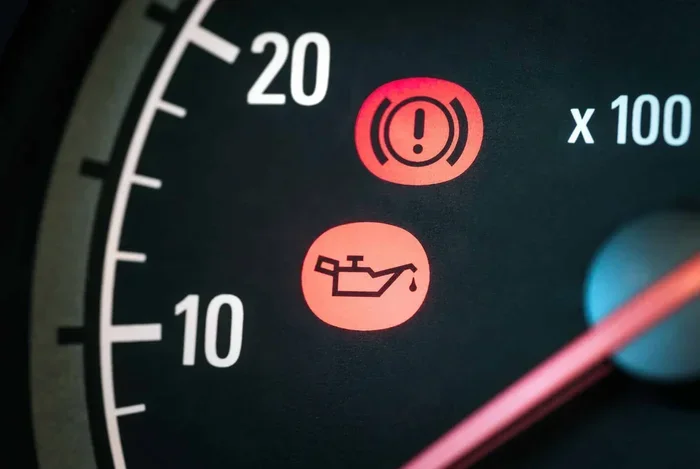
- Oil pressure warning light on the dashboard.
- Strong burning oil smell while driving or parked.
These symptoms could indicate that excess oil has already reached the combustion chamber or damaged internal seals. The longer you wait, the worse the damage can become. A mechanic can inspect the engine, drain the excess oil, and check for any collateral damage.
Also, if you recently had an oil change and are now seeing these signs, ask the technician about do you have to reset the light after an oil change and whether the oil level was checked properly. Human error during oil changes does happen, and it is always worth double-checking.
How Oil Capacity Varies by Vehicle Type
Different vehicles have different oil capacities. A compact sedan might need only 3.5 quarts while a full-size truck could require 8 or more quarts. Knowing your specific vehicle’s capacity makes a huge difference in preventing overfill.
Here are some general guidelines to keep in mind:
- Compact cars and sedans: Typically 3.5 to 5 quarts total capacity.
- Mid-size sedans and SUVs: Usually 5 to 7 quarts.
- Trucks and heavy-duty vehicles: Often 8 to 12 quarts or more.
- Performance and luxury vehicles: May require specific oil types and capacities listed in the manual.
Always refer to your owner’s manual or check with your dealership. The manual tells you not just the capacity but also the recommended oil viscosity and oil change interval for your specific engine.
For example, if you own a Toyota, you might want to confirm whether can I use 5W-30 oil in a Toyota Corolla or if your model requires a different weight. Using the wrong oil combined with an overfill compounds the problem even further.
How Long Can You Go Without an Oil Change After an Overfill?
If you have dealt with an overfill, you might wonder about your next oil change. The good news is that once the oil level is corrected, you can continue with your normal maintenance schedule.
However, if the overfill caused oil to enter the combustion chamber, you may notice increased oil consumption in the short term. Keep an eye on your oil level between changes and top off as needed.
If you are wondering about do I really need to change synthetic oil every 6 months, the answer depends on your driving habits and vehicle type. Synthetic oil generally lasts longer than conventional oil, but an overfill incident does not change the recommended interval. Stay consistent with your maintenance schedule to keep your engine healthy.
Some drivers ask, can you go two years without changing synthetic oil. While synthetic oil has a longer lifespan, two years is generally too long for most vehicles. Stick to the intervals recommended by your manufacturer for the best engine protection.
Conclusion
So, is one quart of oil over too much? The answer is a clear yes. Even a single quart above the recommended level can cause foaming, increased pressure, oil leaks, and potential engine damage. The good news is that catching and fixing an overfill early is simple and affordable.
Always check your oil level the right way, add oil in small increments, and follow your vehicle manual for the correct oil capacity. If you do overfill, drain the excess oil promptly and monitor your engine for any warning signs.
Taking these small steps protects your engine and saves you from costly repairs. Your car deserves the right amount of oil, not too much and not too little. Stay proactive, stay informed, and keep your engine running strong for years to come.
Frequently Asked Questions
Can I drive my car if I put one quart too much oil in it?
You can drive a very short distance in an emergency, but it is not recommended. Excess oil causes foaming and increased pressure that can damage engine components over time. Have the oil level checked and corrected as soon as possible.
What are the symptoms of too much oil in a car engine?
Common symptoms include blue or gray exhaust smoke, oil leaks under the car, unusual engine noises, a burning oil smell, and the oil pressure warning light. If you notice any of these, check your oil level immediately and address the overfill.
How do I drain excess oil from my engine at home?
You can drain excess oil by safely jacking up the car, placing a drain pan under the drain plug, and loosening the plug to let out a small amount of oil. Recheck the level with the dipstick after draining and replace the plug securely once the level is correct.
Will one quart of overfill damage my engine?
One quart over may not cause immediate catastrophic damage, but it creates conditions that can lead to engine wear over time. The foaming reduces lubrication, and the increased pressure stresses seals and gaskets. It is best to fix an overfill as soon as you discover it.
How much does it cost to fix an oil overfill at a shop?
The cost is usually minimal since it involves simply draining the excess oil. Most quick-lube shops or mechanics can handle this in under 30 minutes for a small service fee. The exact cost depends on your location and the shop you visit.
Can overfilling oil cause the check engine light to come on?
Yes, in some cases. Excess oil can trigger sensors related to oil pressure or cause misfires if oil enters the combustion chamber. If your check engine light comes on after an oil top-off, check the oil level first and reduce it if it is above the max mark.