What Are the Signs of a Bad Alternator and How to Fix It
Recognizing the signs of a bad alternator can save you from a stranded roadside breakdown. Dim lights, a dead battery, and strange noises are your car telling you something is wrong. This guide walks you through every symptom, cause, and fix so you can act fast and stay safe.
Your car’s alternator works quietly behind the scenes. It keeps your battery charged and powers all the electrical systems you rely on every day. When it starts to fail, things go wrong fast. The signs of a bad alternator are easy to spot if you know what to look for.
Maybe your headlights flicker at night. Or your car refuses to start one morning after working fine the day before. These are not random glitches. They are your vehicle waving a red flag. Understanding what the signs of a bad alternator look like helps you take action before you are stuck on the side of the road with a car that won’t budge.
In this guide, we break down every warning sign in plain language. We also cover what causes alternator failure, how much repairs cost, and whether you can fix it yourself. Whether you are a seasoned DIYer or a complete beginner, you will find practical advice here. Let us dive in and save you time, money, and a whole lot of stress.
Key Takeaways
- Early Detection Matters: Catching the signs of a bad alternator early prevents costly damage to your car’s electrical system.
- Common Symptoms Are Clear: Dim headlights, dead battery, and warning lights on the dash are top indicators.
- DIY Fixes Exist: Some alternator problems can be solved at home with basic tools.
- Professional Help Is Sometimes Needed: Complex issues require a trained mechanic and proper diagnostic equipment.
- Prevention Saves Money: Regular maintenance keeps your alternator healthy and extends its lifespan.
- Related Battery Issues: A bad alternator often mimics battery problems, so testing both is essential.
📑 Table of Contents
- What Does an Alternator Do and Why Does It Matter?
- The Top Signs of a Bad Alternator You Should Never Ignore
- What Causes an Alternator to Fail?
- How to Diagnose a Bad Alternator at Home
- How to Fix a Bad Alternator
- Preventing Alternator Problems Before They Start
- When to Stop Driving and Call for Help
- Final Thoughts
What Does an Alternator Do and Why Does It Matter?
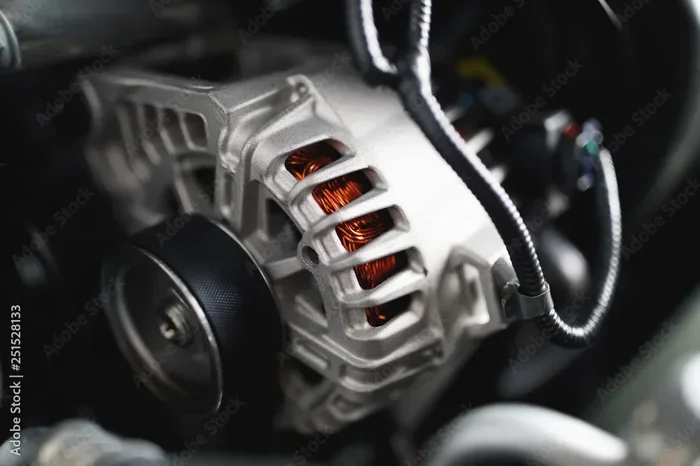
Many drivers take the alternator for granted until it stops working. Think of the alternator as your car’s electrical generator. While the engine runs, the alternator converts mechanical energy into electrical energy. This power keeps your battery topped off and runs everything from your radio to your power steering.
Without a working alternator, your car runs on battery power alone. And batteries do not last forever. Once the battery drains, your engine shuts off. That is why understanding the signs of a bad alternator is so important. The sooner you catch a problem, the less likely you are to face a complete electrical failure.
Your car’s charging system includes the alternator, battery, and voltage regulator. All three work together. If one part fails, the others suffer. This is why diagnosing alternator problems early can prevent a chain reaction of electrical issues throughout your vehicle.
The Top Signs of a Bad Alternator You Should Never Ignore
The signs of a bad alternator show up in many ways. Some are subtle. Others are impossible to miss. Let us walk through each one so you can identify trouble quickly.
Dim or Flickering Headlights
One of the most common alternator warning signs is dim or flickering headlights. When your alternator cannot produce enough power, your headlights lose brightness. You may notice them dimming when you turn on the radio or air conditioning.
This happens because the faulty alternator cannot keep up with electrical demand. Your battery tries to compensate, but it cannot sustain the load for long. If your headlights behave strangely, do not ignore it. Test your charging system as soon as possible.
Dashboard Warning Lights
Modern cars are smart. They tell you when something is wrong. The battery or alternator warning light on your dashboard is a clear signal. This light usually looks like a battery shape or says “ALT” or “GEN.”
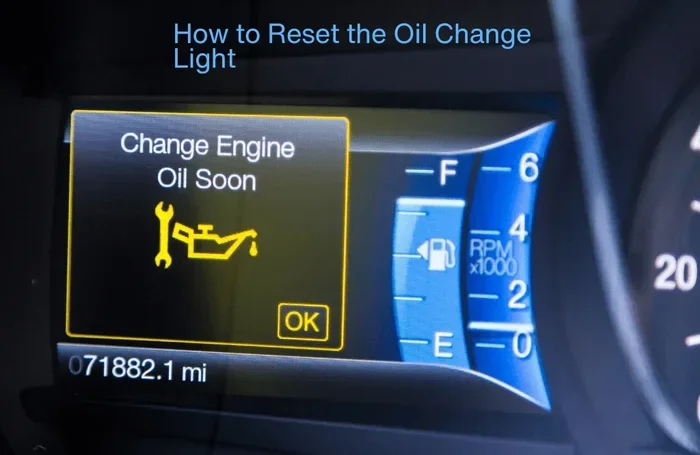
If this light comes on, pull over safely and check your situation. Sometimes the signs of a bad alternator also trigger the wrench light or other general warning lights. For instance, a bad battery can cause the wrench light to come on, which often points back to the alternator not charging properly. Do not wait for the light to go away. Get it checked.
Dead or Weak Battery
A dead battery is often blamed for starting problems. But here is the truth: a bad alternator can destroy a perfectly good battery. When the alternator fails, the battery tries to do all the work. It was never designed for that.
You may find yourself needing a jump start more often than usual. If you keep replacing batteries and they die again quickly, the alternator is likely the real culprit. This is a classic case of alternator failure symptoms that people overlook. Test both the battery and alternator before replacing either one.
Strange Noises Under the Hood
Your alternator has moving parts inside. A bearing, a rotor, and a pulley all work together. When these parts wear out, they make noise. A grinding or whining sound coming from the engine bay is a red flag.
A bad alternator bearing often produces a high-pitched squeal or grinding noise. You might hear it more when you turn the steering wheel, since the alternator belt also powers the power steering pump in some vehicles. Any unusual alternator noise deserves immediate attention.
Electrical Accessories Acting Up
Power windows, the radio, the GPS, heated seats, and dashboard lights all rely on a healthy alternator. When the signs of a bad alternator start showing, these accessories may behave erratically. Windows slow down. The radio cuts out. The dashboard dims.
This happens because the faulty alternator cannot supply enough voltage. Your car prioritizes essential systems like the engine and lights. Less critical accessories get less power. If multiple electrical items start acting weird at the same time, suspect the alternator.
Stalling or Difficulty Starting the Engine
Your engine needs a spark to run. That spark comes from electricity the alternator helps produce. When the alternator fails, the spark plugs may not fire properly. The result? Your engine stalls or struggles to start.
You might experience engine stalling at idle or while driving. This is dangerous and should never be ignored. If your car starts fine one moment and dies the next, the alternator not charging could be the cause. Have your charging system tested right away.
Burning Smell or Overheating Alternator
A burning smell under the hood is never a good sign. It could mean the alternator belt is slipping and creating friction. Or the alternator itself is overheating due to internal failure.
Sometimes a serpentine belt that is misaligned or worn causes this smell. But if the belt looks fine, the alternator may be the problem. A burning alternator is a serious issue. Stop driving and get your vehicle towed to a repair shop. Continuing to drive risks complete electrical failure and engine damage.
What Causes an Alternator to Fail?
Understanding what damages an alternator helps you prevent future problems. Several factors contribute to alternator failure. Let us look at the most common causes.
Worn or Damaged Serpentine Belt
The serpentine belt drives the alternator pulley. Over time, this belt cracks, stretches, and wears out. A loose or broken belt means the alternator stops spinning. No spinning means no electricity. Regular belt inspections are an easy way to avoid this problem.
Faulty Voltage Regulator
The voltage regulator controls how much electricity the alternator produces. When it fails, the alternator either undercharges or overcharges the battery. Both situations are harmful. An undercharged battery dies. An overcharged battery can swell and leak. Replacing a bad voltage regulator is often more affordable than replacing the entire alternator.
Internal Wear and Tear
Like all car parts, alternators have a lifespan. The internal bearings, diodes, and windings wear out over time. High mileage vehicles are especially prone to alternator wear. Most alternators last between 80,000 and 150,000 miles depending on driving conditions and maintenance.
Electrical Short Circuits
Wiring problems can overload the alternator. Corroded connections, frayed wires, or short circuits force the alternator to work harder than it should. This extra strain shortens its lifespan. Keeping your electrical connections clean and secure goes a long way.
Water or Moisture Damage
Water and electricity do not mix. A leak in the engine bay can reach the alternator and cause internal corrosion. Driving through deep water or heavy flooding also risks damage. If you suspect moisture has reached your alternator, have it inspected immediately.
How to Diagnose a Bad Alternator at Home
You do not need to be a mechanic to check your alternator. A few simple tests can help you confirm whether the alternator is the problem. Here is how to do it step by step.
Test 1: The Dashboard Light Check
Turn the ignition on without starting the engine. The battery light should illuminate briefly and then turn off. If it stays on, something is wrong with the charging system. This simple check takes five seconds and can save you a trip to the shop.
Test 2: The Voltage Test
You need a multimeter for this test. Set it to DC voltage. With the engine off, touch the probes to the battery terminals. A healthy battery reads around 12.6 volts. Now start the engine. The voltage should rise to between 13.8 and 14.4 volts. If it stays below 13 volts or goes above 15 volts, your alternator is not working properly.
Test 3: The Listen Test
Pop the hood and listen carefully. Start the engine and pay attention to any sounds. A grinding, whining, or squealing noise from the alternator area signals trouble. Use a mechanic’s stethoscope if you have one. It helps you pinpoint exactly where the noise comes from.
Test 4: The Load Test
Turn on all your electrical accessories. Headlights, radio, air conditioning, rear defroster, and heated seats. Watch the dashboard voltage gauge if your car has one. If the voltage drops significantly or the lights dim, the alternator cannot handle the load. This is one of the clearest alternator failure symptoms to watch for.
How to Fix a Bad Alternator
Once you confirm the alternator is bad, you have two options: fix it yourself or take it to a mechanic. Both approaches have pros and cons.
DIY Alternator Replacement
If you are comfortable working on cars, replacing an alternator is doable at home. You will need basic hand tools, a new or rebuilt alternator, and a service manual for your vehicle. The process involves removing the serpentine belt, unbolting the old alternator, and installing the new one.
Here are some quick tips for a smooth job:
- Take photos before you disconnect anything so you can reference the setup later.
- Mark the serpentine belt routing before removal. It can be tricky to get right.
- Make sure the new alternator matches your vehicle’s specifications exactly.
- Always disconnect the negative battery terminal before starting work.
After installing the new alternator, start the engine and check the voltage. It should read between 13.8 and 14.4 volts. If everything looks good, you just saved yourself a lot of labor charges.
Professional Alternator Repair
Not everyone feels comfortable under the hood. That is perfectly fine. A certified mechanic can diagnose and replace your alternator quickly. The average alternator replacement cost ranges from 300 to 800 dollars depending on your vehicle model and labor rates.
Some repair shops offer to rebuild your existing alternator instead of replacing it entirely. This is often cheaper but may not last as long. Ask about warranties and ask whether the shop uses OEM or aftermarket parts. Both options have value depending on your budget and how long you plan to keep the vehicle.
If your signs of a bad alternator also involve a dead battery, you may need both parts replaced. A bad alternator often damages the battery beyond recovery. Testing both components together saves you from repeat repairs.
Preventing Alternator Problems Before They Start
Prevention is always cheaper than repair. A few simple habits keep your alternator healthy and your car running strong.
- Inspect the serpentine belt regularly. Look for cracks, glazing, or fraying. Replace it at the first sign of wear.
- Keep the battery terminals clean. Corrosion on the terminals strains the entire charging system. A wire brush and some baking soda work wonders.
- Avoid overloading the electrical system. Too many aftermarket accessories can push the alternator beyond its limits.
- Get regular electrical system checks. A quick voltage test at every oil change catches small problems before they become big ones.
- Address warning lights immediately. That battery light is not something to brush off. It means your charging system needs attention now.
Taking care of your alternator also protects your battery. A healthy alternator keeps the battery charged, which means fewer jump starts and fewer surprises. Think of it as a partnership. When one part thrives, the other thrives too.
Remember, a weak battery often points back to the alternator. If you have been dealing with battery issues, check the alternator before buying a new battery. Otherwise, you will just go through batteries repeatedly. Also, keep in mind that a bad key fob can drain your car battery over time, so rule out all possibilities before assuming the worst.
Regular maintenance is the best defense against alternator failure. A few minutes of attention today can prevent a major breakdown tomorrow. Your car works hard for you. Give it the care it deserves.
When to Stop Driving and Call for Help
Sometimes the signs of a bad alternator are so obvious that continuing to drive is risky. If your engine stalls while driving, your steering becomes heavy, or you see smoke under the hood, stop immediately. These are signs of serious electrical or mechanical failure.
Driving with a failed alternator drains your battery completely. Once the battery dies, your car stops running. You will be stranded. In some cases, you can still drive a short distance on battery power alone, but this is not a long-term solution. Get your vehicle to a safe location or call for roadside assistance.
If you notice multiple warning signs at once, do not take chances. Pull over, turn off unnecessary electrical loads, and head to the nearest repair shop. Your safety matters more than any repair bill.
Also, keep in mind that electrical issues can sometimes be confused with other problems. For example, a bad battery can cause the wrench light to come on, which might lead you to think the alternator is at fault. Similarly, some alternator warning signs overlap with transmission issues or fuel system problems. A proper diagnosis from a professional ensures you fix the right problem the first time.
Final Thoughts
The signs of a bad alternator are clear once you know what to look for. Dim lights, strange noises, dead batteries, and warning on your dashboard all point to a failing alternator. The good news is that catching these signs early gives you time to act. You can fix the problem before it leaves you stranded or causes damage to other parts of your car.
Whether you choose to diagnose and replace the alternator yourself or visit a mechanic, the key is to not delay. Electrical problems only get worse with time. A small repair today can prevent a massive bill tomorrow. Stay proactive, stay informed, and keep your car running strong for miles to come.
Frequently Asked Questions
Can you still drive with a bad alternator?
You can drive a short distance on battery power alone, but it is not safe for long trips. Once the battery dies, your engine will stall and you will be stranded. If you notice the signs of a bad alternator, get it checked immediately.
How much does it cost to replace an alternator?
The alternator replacement cost typically ranges from 300 to 800 dollars. The price depends on your vehicle make and model, labor rates in your area, and whether you choose a new or rebuilt unit. Always ask for a detailed estimate before approving repairs.
How long does an alternator last?
Most alternators last between 80,000 and 150,000 miles. Driving habits, weather conditions, and electrical loads all affect lifespan. Regular maintenance and inspections help your alternator last as long as possible.
Can a bad alternator damage the battery?
Yes, absolutely. A faulty alternator either undercharges or overcharges the battery. Both conditions cause battery damage. If you replace your battery frequently, the alternator may be the hidden cause.
What is the difference between alternator problems and battery problems?
A dead battery often results from a bad alternator, not the other way around. The alternator charges the battery while the engine runs. If the alternator fails, the battery drains. Testing both components helps you identify the true source of the problem.
Can a bad alternator cause the wrench light to come on?
Yes, the wrench light can illuminate when the alternator is not charging properly. This warning often appears alongside the battery light. If either light comes on, have your charging system inspected right away to avoid further damage.