Ever Wondered Can You Go Up a Size in Windshield Wipers
Yes, you can sometimes go up a size in windshield wipers, but it comes with real trade-offs. Choosing the wrong wiper blade size can lead to streaking, poor visibility, and even damage to your windshield. This guide covers everything you need to know about wiper blade fitment, the risks of oversized wipers, and how to find the perfect wiper blade length for your vehicle.
Windshield wipers might seem like a simple part of your car. But choosing the right wiper blade size is more important than most drivers realize. A common question many car owners ask is whether they can go up a size when replacing their wipers. Maybe the exact size is out of stock. Maybe you want better coverage. Or maybe you just wonder if bigger is better.
The short answer is that it depends. Going up a size in windshield wipers can work in some cases, but it can also cause serious problems if you are not careful. Using the wrong wiper blade length affects how well your wipers clear water, snow, and debris. It can also damage your windshield or the wiper system itself. In this article, we will walk through everything you need to know about wiper blade fitment, the risks of oversized wipers, and how to choose the right size with confidence.
Key Takeaways
- Going up a size is sometimes possible: but it depends on your vehicle, windshield shape, and wiper type.
- Wrong-sized wipers cause problems: including streaking, chattering, reduced visibility, and potential windshield damage.
- Always check your owner’s manual: it lists the exact OEM wiper size recommended by the manufacturer.
- Wiper blade types matter: beam, conventional, and hybrid blades each have different size compatibility rules.
- Measure twice, install once: use a tape measure or online size finder to confirm your wiper blade length before buying.
- Rear wiper size differs: many vehicles use a different size for the rear wiper than the front wipers.
- Prioritize proper fitment: the right size ensures full windshield coverage and safe driving visibility.
📑 Table of Contents
- What Are Windshield Wipers and Why Does Size Matter?
- Can You Go Up a Size in Windshield Wipers?
- What Happens When You Use the Wrong Size Wipers?
- How to Find the Right Wiper Blade Size for Your Vehicle
- Types of Windshield Wipers and Size Compatibility
- Expert Tips for Choosing and Installing Wiper Blades
- Common Mistakes People Make With Wiper Blade Sizes
- How to Tell If Your Wiper Size Is Correct
- Frequently Asked Questions
- Conclusion
What Are Windshield Wipers and Why Does Size Matter?
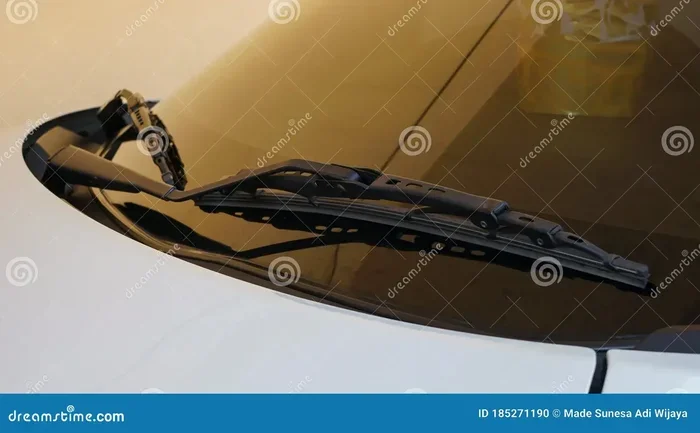
Windshield wipers are more than just rubber strips that swipe across your glass. They are precision-engineered components designed to maintain clear visibility in all weather conditions. Each wiper blade size is specifically matched to the curvature and dimensions of your vehicle’s windshield. This match ensures full coverage from one edge to the other without leaving blind spots.
The size of a wiper blade is measured in inches. Most vehicles use two different lengths for the front wipers. The driver side is often a different length than the passenger side. Some vehicles also have a separate rear wiper size that needs its own specific blade. Using the correct wiper blade length ensures that the wiper arm applies even pressure across the entire glass surface.
How Wiper Blades Are Sized
Wiper blade sizes are determined by the length of the blade itself, measured from the base of the wiper arm to the tip. Standard sizes range from about 12 inches all the way up to 28 inches or more, depending on the vehicle. Luxury SUVs and trucks often need longer wipers because of their larger windshields. Compact cars usually use shorter blades.
The OEM wiper size is the exact size recommended by your vehicle’s manufacturer. This number is not random. Engineers design the windshield shape and wiper system together. The wiper blade fitment must match the arc of the glass and the movement pattern of the wiper arm. Even a one-inch difference can change how the blade contacts the windshield.
Can You Go Up a Size in Windshield Wipers?
The question of whether you can go up a size in windshield wipers comes up often. The answer is not a simple yes or no. It depends on your vehicle, the type of wiper blade you use, and how much bigger you are thinking of going. Let us break this down so you understand exactly what is at stake.
When Going Up a Size Might Work
In some cases, going up by one size can work without major issues. This is more common with certain vehicle models where the manufacturer allows a small range of compatible sizes. For example, if your manual calls for a 22-inch blade on the driver side, a 23-inch or 24-inch blade might still fit properly. Some vehicles have a flat windshield section where a slightly longer blade can still maintain good contact.
Here are a few situations where going up a size might be acceptable:
- Your vehicle manual lists a range of acceptable sizes. Some manufacturers provide a minimum and maximum size.
- The extra length stays within the windshield frame. The blade should not extend past the edge of the glass.
- You are using a beam wiper blade type. These blades are more flexible and conform to the windshield curve better than older designs.
- The wiper arm has enough pressure. A slightly longer blade needs the arm to press down firmly to maintain contact.
Even in these cases, you should proceed carefully. Test the wipers with water before driving in heavy rain. Watch for any lifting at the edges or uneven wiping patterns.
When Going Up a Size Is a Bad Idea
There are clear situations where you should never go up a size. If the oversized blade extends beyond the windshield edges, it will not clear the glass properly. This creates dangerous blind spots when you are driving in rain or snow. The blade may also catch on the windshield trim or frame, causing damage.
Going up two or more sizes is almost always a bad idea. The wiper blade compatibility drops significantly with each extra inch. The wiper arm may not have enough pressure to keep the blade flat against the glass. This leads to streaking, skipping, and chattering noises. Over time, the extra strain can wear out the wiper motor or damage the wiper linkage.
Here are signs that your wipers are too large:
- The blade lifts off the glass at the edges.
- You see streaks or missed spots after each swipe.
- The wipers make a chattering or squeaking sound.
- The blade hits the windshield frame or trim.
- Visibility is worse with the new wipers than with the old ones.
What Happens When You Use the Wrong Size Wipers?
Using the wrong wiper blade size can cause a chain of problems. Some are minor annoyances. Others are serious safety hazards. Understanding what goes wrong helps you appreciate why proper wiper blade fitment matters so much.
The most common issue is reduced visibility. Wipers that are too long may not press evenly against the glass. They lift at the edges and fail to clear water effectively. Wipers that are too short leave large portions of the windshield untouched. In heavy rain, this can make it nearly impossible to see the road ahead.
Another problem is accelerated wear. An oversized blade stretches the rubber across a wider area than it was designed for. The rubber wears out faster and becomes brittle. A blade that is too short concentrates all the pressure on a small section. This causes uneven wear and reduces the lifespan of the blade.
Windshield damage is a real risk too. If the wiper blade catches on the frame or trim because it is too large, it can scratch the glass. Even small scratches spread light and create glare at night. Over time, these scratches can become permanent and require windshield replacement. Nobody wants that expense.
Impact on Wiper Performance and Safety
Your wipers are one of the most important safety features on your vehicle. They directly affect your ability to see in rain, snow, sleet, and fog. When the wiper blade length is wrong, your safety suffers. Poor wiping performance means longer reaction times because you cannot see clearly.
In winter conditions, the stakes are even higher. A wrong size wiper blade may not clear snow effectively. Ice can build up under an oversized blade. The wiper motor may strain against the extra resistance, potentially burning out. For these reasons, always stick to the recommended wiper blade size whenever possible.
How to Find the Right Wiper Blade Size for Your Vehicle
Finding the correct wiper blade size does not have to be complicated. There are several reliable methods you can use. Taking a few minutes to get the right size saves you money and keeps you safe on the road.
Check Your Owner’s Manual
The fastest and most accurate way to find your OEM wiper size is to check the owner’s manual. Look in the maintenance section or the parts diagram. The manual will list the exact wiper blade length for both front wipers and the rear wiper. Some manuals even specify the type of blade connector you need.
If you no longer have your physical manual, you can usually find a digital version on the manufacturer’s website. Simply enter your vehicle’s year, make, and model, and the manual should be available as a free PDF.
Use Online Wiper Size Finders
Many auto parts websites offer free wiper blade size lookup tools. You enter your vehicle information and the tool returns the exact sizes for all wipers. This is a quick and convenient option, especially if you are shopping online.
Some popular tools also show compatible wiper blade types for your vehicle. You can compare beam blades, conventional blades, and hybrid blades side by side. This helps you choose not just the right size but also the best blade design for your driving needs.
Measure the Existing Blades
If you prefer a hands-on approach, you can measure your current wipers with a tape measure. Simply pull the wiper arm away from the windshield and lay the blade flat. Measure from the base of the arm to the tip of the blade. Record the length in inches.
Be careful when handling the wiper arm. It can snap back suddenly and crack your windshield. Always lay a towel or cloth over the glass before removing the wipers. This simple precaution can save you from expensive damage.
Ask a Professional at the Auto Parts Store
When in doubt, ask for help. Most auto parts stores have staff who can look up your wiper blade fitment using your vehicle information. They can confirm the size and even help you install the new blades. This is a great option if you are not comfortable doing it yourself.
Types of Windshield Wipers and Size Compatibility
Not all wiper blades are created equal. Different blade types have different design features that affect how they fit and perform. Understanding these types helps you make a better choice when replacing your wipers.
Conventional Wiper Blades
Conventional wipers are the traditional design with a visible metal frame and rubber blade. They are the most common and affordable option. Because they have a fixed frame, the wiper blade size is very important for proper fitment. A conventional blade that is too large will not contour to the windshield correctly.
These wipers work well for most everyday driving conditions. However, they can collect ice and snow in winter, which affects performance. The frame design also means they may not provide the same even pressure as more modern blade types.
Beam Wiper Blades
Beam wipers have a frameless design that uses internal pressure to conform to the windshield curve. They are sleek, aerodynamic, and provide excellent windshield coverage. Because of their flexible design, beam wipers can sometimes tolerate a slightly different wiper blade length than conventional blades.
Many vehicle manufacturers now use beam wipers as original equipment. If your car came with beam wipers, it is best to replace them with the same type. Mixing beam and conventional wipers can create uneven wiping patterns and reduce overall performance.
Hybrid Wiper Blades
Hybrid wipers combine elements of both conventional and beam designs. They have a hidden frame that provides structure while the flexible rubber adapts to the windshield shape. These blades offer excellent durability and performance in all weather conditions.
Hybrid wipers are generally more expensive but last longer than conventional options. When choosing a hybrid blade, always verify the wiper blade compatibility with your vehicle. The size and connector type must match your specific model.
Rear Wiper Blades
The rear wiper size is often overlooked but just as important. Rear wipers are common on SUVs, hatchbacks, and wagons with rear window wipers. The size is usually different from the front wipers. Using the wrong rear wiper size can leave streaks across the back window and reduce visibility when reversing.
Expert Tips for Choosing and Installing Wiper Blades
Getting the most out of your new wipers comes down to a few smart choices. These expert tips help you avoid common mistakes and ensure your wipers perform at their best for months to come.
Always Buy the Exact OEM Size
The safest approach is to always buy the OEM wiper size recommended by your vehicle manufacturer. This guarantees perfect wiper blade fitment and optimal performance. If the exact size is unavailable, consult the manufacturer or a trusted mechanic before substituting a different size.
Replace Wipers Every Six to Twelve Months
Even the perfect wiper blade length will not help if the rubber is worn out. Wiper blades degrade over time from sun exposure, heat, cold, and regular use. Most experts recommend replacing them every six months. If you notice streaking or skipping, it is time for a new set, regardless of the size.
Clean Your Windshield When Replacing Wipers
When you install new wipers, take a moment to clean the windshield with glass cleaner. Dirt and grime can get trapped under the blade and cause premature wear. A clean windshield also helps the new blade make better contact and wipe more effectively.
Lift Wipers in Winter
If you live in a cold climate, lift your wiper arms away from the windshield during winter storms. This prevents the rubber from freezing to the glass. It also reduces the risk of the wiper motor straining when you turn them on. Just remember to lower them before driving.
Test Your Wipers After Installation
After installing new wipers, test them immediately with water on the windshield. Turn on the washer fluid and watch how the blades clear the glass. Look for any streaks, missed areas, or unusual noises. If something does not look or sound right, double-check the size and installation.
Common Mistakes People Make With Wiper Blade Sizes
Even experienced car owners sometimes make mistakes when choosing wiper blade sizes. Being aware of these common errors helps you avoid them.
One of the biggest mistakes is guessing the size instead of measuring or looking it up. Relying on memory or what worked on a different vehicle can lead to buying the wrong wiper blade length. Every vehicle is different, and even models from the same manufacturer can use different sizes across years.
Another mistake is ignoring the rear wiper. Many people focus entirely on the front wipers and forget about the rear blade. This leaves a blind spot that affects safety when reversing and parking.
Some drivers assume that all brands use the same sizing. While wiper blade size measurements are standardized, connector types can vary. A blade may be the right length but have the wrong attachment mechanism. Always check both the size and the connector type before purchasing.
Finally, some people try to save money by buying the cheapest blades available. Low-quality wipers wear out quickly and perform poorly regardless of size. Investing in a good-quality blade from a reputable brand pays off in durability and clear visibility.
How to Tell If Your Wiper Size Is Correct
After installing your wipers, how do you know the size is right? There are a few clear indicators of proper wiper blade fitment.
A correctly sized wiper should clear the windshield in a single, smooth pass without leaving streaks. The rubber should sit flush against the glass across its entire length. You should not see any part of the blade lifting away from the surface during operation. The wipers should operate quietly without chattering or squeaking.
If you notice any of the following issues, the size may be wrong:
- Streaking or skipping: The blade is not making full contact with the glass.
- Squeaking or chattering: The blade is bouncing or catching on the windshield.
- Visible gaps at the edges: Parts of the windshield are not being wiped.
- Blade extends past the windshield edge: The blade is too long and hitting the frame.
- Reduced coverage area: Large sections of the glass remain wet after wiping.
If you experience any of these problems, stop driving in heavy rain and recheck your wiper blade size. It is not worth the risk of reduced visibility on the road.
Frequently Asked Questions
Can using the wrong size wiper blade damage my windshield?
Yes, using a wiper blade size that is too large can scratch your windshield. The blade may catch on the windshield frame or trim and drag across the glass. Over time, this creates permanent marks and reduces clarity. Always verify the correct wiper blade length before purchasing to avoid this costly damage.
How do I know if I can go up a size in my windshield wipers?
Check your vehicle owner’s manual or an online wiper blade size guide for your specific make and model. Some manufacturers allow a small range of acceptable sizes. If the manual lists a range, going up one size may be fine. If it specifies an exact size, stick with that recommendation for the best wiper blade fitment.
What is the difference between OEM wiper size and aftermarket wiper size?
The OEM wiper size is the exact size recommended by your vehicle’s manufacturer. Aftermarket wipers are made by third-party companies and may offer slight variations in size or design. While most aftermarket blades match OEM sizes, it is important to verify the wiper blade compatibility before buying. Always match the size and connector type to your vehicle.
Can I use different size wipers on the driver and passenger sides?
Yes, most vehicles use different wiper blade lengths for the driver and passenger sides. The driver side is often longer because it covers a larger area of the windshield. Always check your owner’s manual to confirm the correct size for each side. Using the wrong size on either side can reduce visibility and wiping performance.
How often should I replace my windshield wiper blades?
Most experts recommend replacing wiper blades every six to twelve months. Signs that it is time for a replacement include streaking, chattering, squeaking, or visible wear on the rubber. Even if the wiper blade size is correct, worn rubber will not clear your windshield effectively. Fresh blades ensure safe visibility in all weather conditions.
Do beam wipers and conventional wipers use the same sizes?
The wiper blade length measurements are the same for beam and conventional wipers. However, the design and connector type differ. Beam wipers have a frameless design and usually use a different attachment mechanism than conventional wipers. Always check both the size and the connector type to ensure proper wiper blade fitment on your vehicle.
Conclusion
The answer to whether you can go up a size in windshield wipers is nuanced. It can work in limited situations, but the risks often outweigh the benefits. The best approach is always to use the exact wiper blade size recommended by your vehicle manufacturer. This ensures full windshield coverage, optimal wiper performance, and long-lasting durability.
Taking a few extra minutes to verify your wiper blade fitment before purchasing can save you from headaches down the road. Whether you check the owner’s manual, use an online size finder, or measure your existing blades, the effort is well worth it. Properly sized wipers keep you safe by giving you clear visibility in rain, snow, and everything in between.
Do not let the temptation of a slightly bigger blade compromise your safety. Choose the right wiper blade length, install it correctly, and enjoy the confidence of knowing your windshield is fully protected. Your visibility on the road depends on it.