What Happens When Your Hybrid Car Runs Out of Battery
When your hybrid car battery dies, the gas engine takes over to keep you moving, but you will lose electric-only driving and fuel efficiency. A depleted hybrid battery can trigger warning lights, reduce power, and eventually leave you stranded if ignored. Knowing the symptoms early helps you avoid costly repairs and keeps your hybrid running smoothly.
You are cruising down the road in your hybrid, and suddenly a warning light pops up on the dashboard. Your heart sinks. What happens if your hybrid car runs out of battery? The good news is that it is not the end of the road. Your vehicle has a backup plan built right in.
Hybrid cars are smarter than most people give them credit for. They use two power sources: a gas engine and an electric motor. When the hybrid battery starts to fade, the car shifts its work to the petrol engine. You might notice some changes in how the car feels, but you can usually keep driving.
In this guide, we will walk through exactly what happens when your hybrid car battery dies. We will cover warning signs, what to do on the road, and how to prevent a dead battery in the first place. Whether you drive a Toyota Prius or another hybrid vehicle, this article has you covered.
Key Takeaways
- The gas engine kicks in: Your hybrid will keep running on petrol even when the hybrid battery is depleted.
- Warning signs appear early: Dashboard alerts, reduced fuel economy, and power loss signal a failing battery.
- You can still drive short distances: A low or dead hybrid battery doesn’t mean you are completely stuck.
- Recharging is possible: Regenerative braking and plug-in charging can restore battery health.
- Ignoring the problem costs more: Delaying battery replacement leads to bigger repair bills down the road.
- Warranty may cover it: Many hybrids come with battery warranties that last 8-10 years.
📑 Table of Contents
- What Exactly Is a Hybrid Car Battery?
- What Happens When Your Hybrid Car Runs Out of Battery?
- How Does a Hybrid Battery Get Depleted?
- What To Do When Your Hybrid Battery Dies
- How To Prevent a Dead Hybrid Battery
- How Much Does It Cost To Replace a Hybrid Battery?
- Common Mistakes People Make When Their Hybrid Battery Fails
- Expert Insights on Hybrid Battery Longevity
- Final Thoughts
What Exactly Is a Hybrid Car Battery?
Before we dive into what happens when the battery dies, let us talk about what it actually is. A hybrid car battery is not like the regular car battery under your hood. It is a high-voltage battery that stores energy to power the electric motor.
Most hybrids also have a standard 12-volt battery that handles things like starting the car and powering the lights. The high-voltage battery is what makes the hybrid system work. It stores energy created through regenerative braking and, in some models, from plugging in at home.
Here is how the system works in simple terms:
- The electric motor moves the car at low speeds.
- The gas engine takes over at higher speeds or when extra power is needed.
- Regenerative braking captures energy when you slow down and sends it back to the battery.
- The car automatically switches between power sources to save fuel.
When the hybrid battery starts to lose its charge or fails completely, this balance breaks down. The car has to rely more heavily on the gas engine, which changes how the vehicle performs.
What Happens When Your Hybrid Car Runs Out of Battery?
The Gas Engine Takes Over
The most important thing to know is that a hybrid car can still run even with a dead battery. The gas engine will kick in and keep the car moving. You will not just stall on the highway. However, the experience will feel different.
You might notice that the car feels less responsive. Acceleration could be slower. The engine might make more noise because it is doing all the work. Fuel economy will drop too, since the electric motor is no longer helping save gas.
Think of it like riding a bicycle with a flat tire. You can still pedal, but it is a lot harder. Your hybrid car is the same way. It keeps going, but not as efficiently.
Warning Signs Before the Battery Dies
Your car does not just shut off without warning. There are several signs that tell you the hybrid battery is failing. Catching these early can save you from a bigger problem.
Watch for these warning signs:
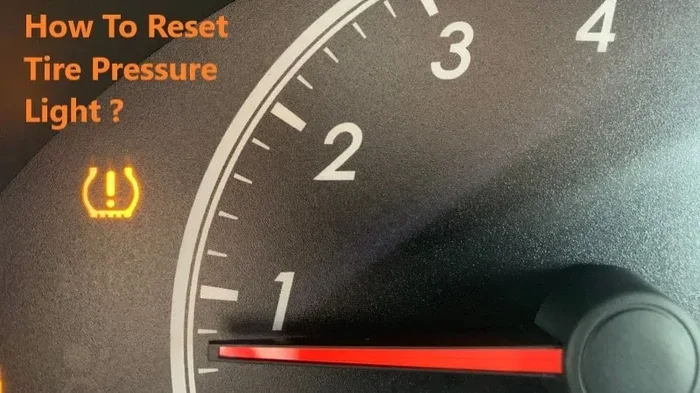
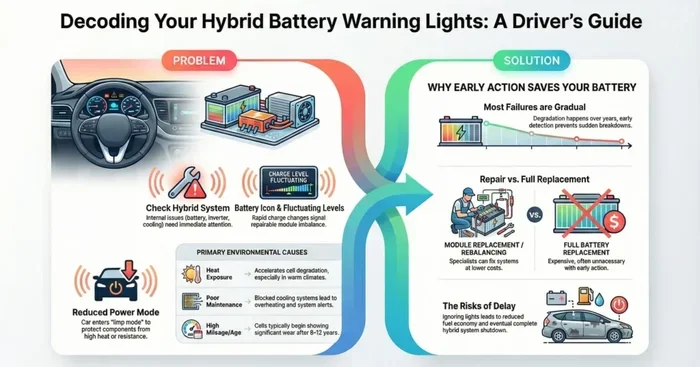
- Dashboard warning lights: The hybrid system light or check engine light comes on. If you see the check hybrid system light, you should get it checked right away.
- Reduced fuel economy: You fill up more often than usual. This is one of the first signs that the electric motor is not helping as much.
- Strange noises: The engine might rumble or make unusual sounds, especially at low speeds.
- Battery voltage drops: Some hybrids show battery health on the dashboard display.
- Difficulty starting: The car struggles to turn on or takes longer than usual.
If you notice any of these signs, do not ignore them. The sooner you address a low hybrid battery, the easier and cheaper the fix will be.
Can You Still Drive With a Dead Battery?
Yes, you can drive with a dead hybrid car battery, but there are limits. The gas engine will keep the car running at low speeds and on the highway. However, you will lose all the benefits of the electric motor.
Here is what to expect when driving on a dead battery:
- Reduced power: The car feels sluggish, especially when climbing hills or merging onto highways.
- Lower fuel economy: Without the electric motor assisting, the gas engine burns more fuel.
- No electric-only mode: You cannot drive silently or use electric-only mode at low speeds.
- Potential stranding: In rare cases, if both the hybrid battery and the 12-volt battery fail, the car will not start at all.
Some drivers wonder, can I drive my Prius if it says check hybrid system? The short answer is yes, but only for a short distance. The car will switch to gas-only mode. However, you should head to a mechanic as soon as possible.
Similarly, if you are dealing with a completely dead battery, you might ask, can a Prius run with a dead battery? The answer is yes, the gas engine will keep it running. But the experience will not be smooth, and you risk stalling if the battery is completely drained.
How Does a Hybrid Battery Get Depleted?
Normal Wear and Tear
Just like any battery, the hybrid car battery has a lifespan. Most hybrid batteries last between 80,000 and 150,000 miles. Over time, the battery cells degrade and hold less charge. This is a natural part of owning a hybrid vehicle.
Factors that speed up battery wear include:
- Driving in extreme hot or cold weather.
- Frequent short trips that do not allow the battery to fully charge.
- Heavy use of accessories like air conditioning.
- Driving habits that put extra strain on the battery.
Leaving the Car Sitting Too Long
One common cause of a dead hybrid battery is simply letting the car sit. How long can a hybrid sit without being driven? Most hybrids can sit for a few weeks without major issues. But if the car sits for months, the hybrid battery can drain completely.
The 12-volt battery is especially vulnerable. If it dies, the hybrid system cannot function properly. This is why it is a good idea to drive your hybrid regularly, even if it is just around the block.
Faulty Charging System
Sometimes the battery is not the problem. The charging system that keeps the battery topped off might be failing. A bad alternator, a damaged inverter, or a faulty regenerative braking system can all prevent the battery from charging correctly.
If you notice that your battery keeps dying even after a full charge, the issue might be with the charging system, not the battery itself. A mechanic can run diagnostics to find the root cause.
What To Do When Your Hybrid Battery Dies
Step 1: Pull Over Safely
If your car starts acting strange, pull over to a safe spot. Turn on your hazard lights. Do not try to push the car or restart it aggressively. A dead hybrid battery can cause unexpected behavior in the vehicle’s systems.
Step 2: Check the Dashboard
Look at the warning lights on your dashboard. If the hybrid system light is on, the car is telling you the battery needs attention. If the check engine light is also on, that could indicate a bigger problem.
Step 3: Try to Reach a Safe Location
Your hybrid car can still run on the gas engine alone. Carefully drive to the nearest mechanic or a safe parking spot. Keep your speed moderate and avoid heavy acceleration.
Some drivers worry about being stranded. The good news is that you can still drive a Toyota hybrid with a bad battery for a limited distance. The gas engine will keep you moving, but you should not push it too far.
Step 4: Call for Help if Needed
If the car stalls or will not start, call for roadside assistance. Some tow truck services are equipped to handle hybrid vehicles. Make sure to tell them it is a hybrid so they use the right equipment.
Step 5: Get the Battery Tested
Once you are safely parked, have a professional test the battery. They can check the voltage, cell health, and overall condition. This will tell you whether you need a battery replacement or if there is a simpler fix.
How To Prevent a Dead Hybrid Battery
The best way to deal with a dead battery is to prevent one from happening in the first place. Here are some practical tips to keep your hybrid car battery healthy.
Drive Your Car Regularly
Hybrid batteries stay healthy when they are used regularly. Driving the car allows the regenerative braking system to recharge the battery. Try not to let your hybrid sit for more than a week or two without starting it up.
Watch for Warning Signs
Do not ignore dashboard lights or changes in how the car drives. If you notice reduced fuel economy or strange noises, get the battery checked early. Catching a problem early can save you hundreds of dollars.
Keep the Battery Clean
Dirt and moisture can damage battery connections. Make sure the battery terminals are clean and free of corrosion. This is a simple step that many people overlook.
Follow the Maintenance Schedule
Your hybrid has a maintenance schedule for a reason. Regular check-ups help catch small problems before they become big ones. Stick to the recommended service intervals and use a qualified mechanic who understands hybrid systems.
Be Smart About Charging
If you have a plug-in hybrid, follow the manufacturer’s charging guidelines. Overcharging or undercharging can shorten the battery’s lifespan. Use the right charger and avoid leaving the car plugged in for days at a time.
Quick Tip: If your hybrid has been sitting for a while, take it for a 20-minute drive before relying on it for a long trip. This helps the battery recharge and gives you a chance to see if anything feels off.
How Much Does It Cost To Replace a Hybrid Battery?
The cost of replacing a hybrid car battery can vary widely. On average, you are looking at anywhere from $1,000 to $6,000 or more. The price depends on the make and model of your car, the type of battery, and where you get it replaced.
Here is a rough breakdown:
- Basic hybrid battery replacement: $1,000 – $2,500
- Premium or luxury hybrid battery: $3,000 – $6,000+
- Refurbished battery: $500 – $1,500 (a more affordable option)
The good news is that many hybrid vehicles come with a battery warranty. Most Toyota hybrids include an 8-year or 100,000-mile warranty on the battery. Check your warranty before paying for a replacement out of pocket.
Some owners also wonder, does car insurance cover battery replacement? In most cases, standard insurance does not cover battery wear and tear. However, if the battery is damaged in an accident, it might be covered. It is always worth checking with your insurance provider.
Common Mistakes People Make When Their Hybrid Battery Fails
Ignoring the Warning Lights
The biggest mistake is ignoring dashboard warning lights. Those lights are there for a reason. They tell you when something is wrong before it becomes a serious problem. If the hybrid system light comes on, do not just reset it and keep driving.
Assuming the Car Is Completely Broken
A dead hybrid battery does not mean your car is a paperweight. The gas engine will still work. You can drive to a mechanic and get the problem fixed. Do not panic if the battery warning comes on.
Trying To Fix It Yourself
Hybrid batteries operate at high voltage. They are not something you should mess with on your own. Always let a trained professional handle battery diagnostics and replacement. It is safer and more reliable.
Skipping Regular Maintenance
Some owners skip oil changes and other routine maintenance because the electric motor handles a lot of the work. But the gas engine still needs care. Skipping maintenance can lead to problems that put extra strain on the battery.
Expert Insights on Hybrid Battery Longevity
Automotive experts agree that hybrid car batteries are more durable than most people think. With proper care, many hybrid batteries last well beyond 150,000 miles. The key is staying proactive with maintenance and addressing issues early.
One mechanic we spoke with shared this insight: “The most common cause of premature hybrid battery failure is neglect. People ignore warning signs for months, and by the time they bring the car in, the damage is already done.”
Another expert added that driving habits matter a lot. “If you mostly drive short trips in stop-and-go traffic, your hybrid battery works harder. Those drivers should pay extra attention to battery health and consider more frequent check-ups.”
The bottom line is that your hybrid vehicle is built to last. The battery is a durable component, but it needs attention just like any other part of the car.
Final Thoughts
So, what happens if your hybrid car runs out of battery? The gas engine keeps you moving, but you lose the efficiency and quiet ride that make hybrids special. You might notice reduced power, lower fuel economy, and warning lights on the dashboard.
The good news is that a dead battery is not the end of your car’s life. With the right care and attention, you can get the battery replaced or recharged and get back to enjoying the benefits of your hybrid vehicle.
Stay alert to warning signs. Do not ignore dashboard lights. Keep up with regular maintenance. And if you ever find yourself stuck with a dead battery, remember that you can usually still drive to safety on the gas engine alone.
Your hybrid car is a smart investment. Treat the battery well, and it will treat you well in return. Drive safe and keep charging.
Frequently Asked Questions
Can I drive my hybrid car if the battery is completely dead?
Yes, you can drive a short distance on the gas engine alone. The car will switch to gas-only mode automatically. However, you should not push it too far, as you risk stalling or causing further damage to the hybrid system. Head to a mechanic as soon as you safely can.
How do I know if my hybrid battery is dying?
Watch for warning signs like reduced fuel economy, dashboard warning lights, strange engine noises, and sluggish acceleration. These are clear signals that your hybrid car battery needs attention. A mechanic can run a battery health test to confirm the issue.
Can a hybrid battery be recharged without replacing it?
In some cases, yes. If the battery is only partially depleted, driving the car and using regenerative braking can recharge it. A mechanic may also be able to recondition the battery. However, a fully failed battery usually needs to be replaced.
How long does a hybrid battery last?
Most hybrid vehicle batteries last between 80,000 and 150,000 miles. With proper care and regular maintenance, some batteries go even longer. Toyota and other manufacturers often include an 8-year or 100,000-mile warranty on the battery.
Is it safe to drive a hybrid with a bad battery?
It is generally safe for short distances, but you should avoid long trips. The gas engine will keep the car running, but you may experience reduced power and lower fuel economy. Have the battery inspected as soon as possible to avoid getting stranded.
Does hybrid battery replacement come with a warranty?
Many hybrids come with a battery warranty that covers 8 years or 100,000 miles, whichever comes first. Check your specific vehicle’s warranty details. If the battery fails within the warranty period, the replacement should be covered at no cost to you.