Why Is My Tire Pressure Sensor On But Tires Are Fine
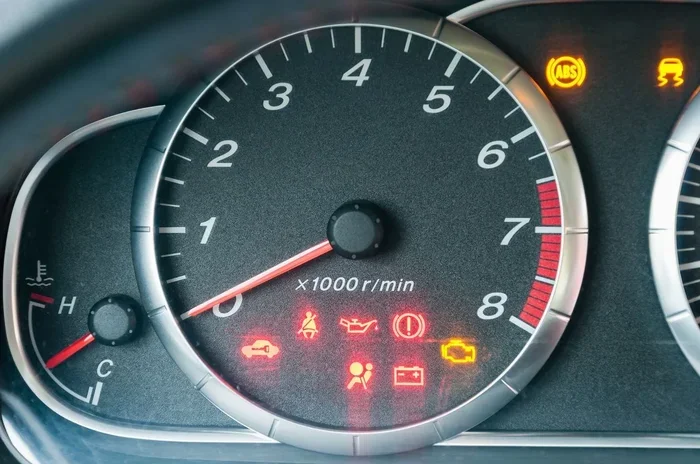
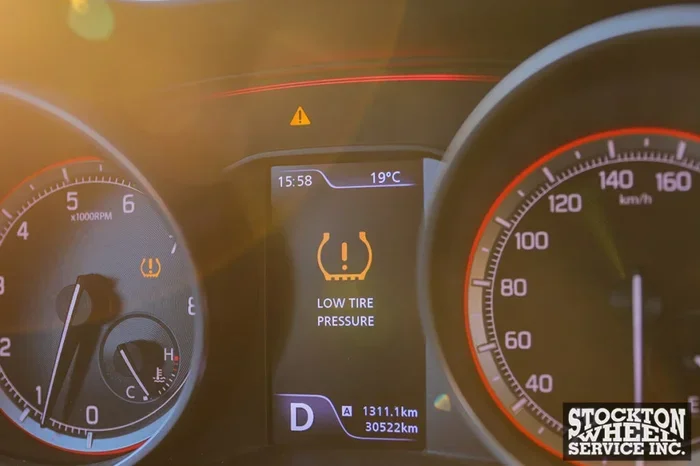
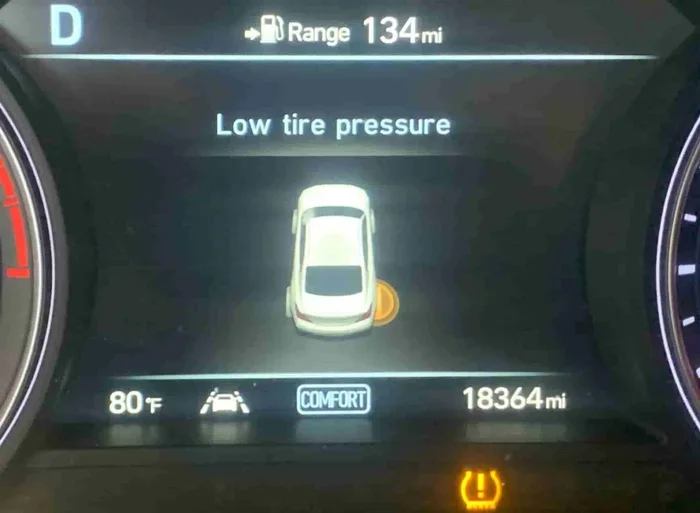
Your tire pressure sensor light can come on even when your tires are perfectly fine. This is a common frustration for car owners, and it usually happens because of temperature changes, sensor battery issues, or minor pressure fluctuations. Understanding why your tire pressure sensor is on but tires are fine can save you time, money, and unnecessary trips to the shop.
You’re driving along, minding your own business, when suddenly that little yellow light on your dashboard pops up. It says something about tire pressure. You pull over, check all four tires, and they look perfectly fine. So what gives?
This is one of the most common mysteries car owners face, and it happens more often than you might think. The tire pressure sensor is on but tires are fine, and there are several perfectly good reasons for this. In this article, we’ll walk you through exactly why this happens, what you can do about it, and when you should actually worry.
Understanding your tire pressure monitoring system is the first step to staying calm when that light comes on. Whether it’s a simple temperature drop, a dying sensor battery, or something else entirely, we’ve got you covered. Let’s dive in and break it all down.
Key Takeaways
- Temperature changes: Cold weather can trigger the TPMS light even when tire pressure is normal.
- Sensor battery life: Most TPMS sensors last 5-10 years before the battery needs replacing.
- Reset is often simple: Many TPMS light issues can be fixed with a basic reset.
- Slow leaks matter: A tiny leak can trigger the sensor without visibly deflating the tire.
- Driving fixes it: Sometimes just driving for a few minutes resolves the warning.
- Don’t ignore it: Even if tires look fine, a persistent light deserves attention.
📑 Table of Contents
What Is a Tire Pressure Monitoring System?
Your car has a built-in safety feature called the tire pressure monitoring system, or TPMS for short. This system uses small sensors inside each tire or sometimes on the valve stems to keep an eye on the air pressure in tires. When the pressure drops below a certain level, the tire pressure warning light on your dashboard lights up.
The TPMS has been required on all new cars sold in the United States since 2007. It was introduced to improve driving safety and help drivers avoid dangerous blowouts caused by underinflated tires. The system is designed to alert you before a situation becomes serious.
There are two types of TPMS systems. Direct TPMS uses actual sensors inside the tires that measure pressure directly. Indirect TPMS uses the wheel speed sensors from your anti-lock braking system to detect differences in tire size caused by low pressure. Both systems can trigger the warning light for reasons beyond actual low pressure.
How Does the TPMS Sensor Work?
Each direct TPMS sensor sits inside the tire, usually mounted on the valve stem or attached to the wheel rim. It measures the air pressure in tires and sends a wireless signal to your car’s computer. If the pressure falls below about 25% of the recommended level, the system triggers the tire pressure warning light.
These sensors run on small batteries that typically last between five and ten years. When the battery dies, the sensor can’t send signals properly, and the light comes on. This is one of the most common reasons the tire pressure sensor is on but tires are fine situation occurs.
Common Reasons Your TPMS Light Is On But Tires Are Fine
So why does that little light keep showing up even though you just checked your tires and they look great? There are several perfectly normal reasons this happens. Let’s go through them one by one.
Temperature Changes
Cold weather is the number one culprit behind false TPMS alerts. When the temperature drops, the air inside your tires contracts. This causes a temporary drop in air pressure in tires that can trigger the tire pressure warning light. A 10-degree drop in temperature can reduce tire pressure by about 1 PSI.
This is especially common in fall and winter. You might notice the light comes on in the morning when it’s cold outside, then disappears once you’ve been driving for a while and the tires warm up. This is completely normal and not a sign of any real problem.
Similarly, if you’ve just driven through a very cold area or the temperature has dropped suddenly overnight, your tire pressure sensor is on but tires are fine situation is almost certainly temperature-related. Give it some time, and the light should go away on its own.
Sensor Battery Failure
Every TPMS sensor has a small battery inside it. These batteries aren’t rechargeable, and they typically last between five and ten years. Once the battery starts to die, the sensor can’t communicate properly with your car’s computer, and the warning light comes on.
This is one of the most frequent reasons drivers see the TPMS light on their dashboard even when their tires are perfectly inflated. The sensor itself has failed, not the tire. If your car is more than five years old and the light comes on randomly, a dying sensor battery is a strong possibility.
Replacing a TPMS sensor battery usually requires a visit to a tire shop or dealership. The sensor itself is often replaced as a whole unit since opening it to swap just the battery can compromise its seal and void the sensor’s weatherproofing.
Minor Pressure Fluctuations
Sometimes the pressure difference is real but tiny. A slow leak from a tiny puncture or a worn valve stem can reduce tire pressure by just a pound or two. This might not be visible to the naked eye, but it’s enough to trigger the tire pressure warning light.
TPMS systems are calibrated to be sensitive. They’re designed to catch problems early, which means they sometimes alert you to pressures that are still safe for driving. If your tires are at, say, 30 PSI when the recommended pressure is 32 PSI, the light might still come on.
This is why it’s always a good idea to keep a tire pressure gauge in your glove box. Checking your tire pressure regularly can help you catch small issues before they become big ones. A few minutes of checking can save you from a flat tire on the highway.
TPMS System Malfunction
The TPMS system itself can sometimes malfunction. Software glitches, electrical issues, or a problem with the car’s onboard computer can all cause the tire pressure sensor is on but tires are fine scenario. These are less common, but they do happen.
If you’ve ruled out temperature, battery life, and pressure issues, a system malfunction might be the cause. This is when it’s time to get a professional diagnostic scan done. A mechanic can read the TPMS error codes and pinpoint exactly what’s going wrong with your system.
After a Tire Rotation or Service
Did you recently get your tires rotated or have maintenance done? Sometimes the TPMS light stays on after a service because the sensors need to be recalibrated. This is especially common if the tires were removed from the wheels during service.
In many cases, a simple TPMS reset after tire service will clear the light. If you’re wondering can I reset my own TPMS sensor, the answer is often yes. Many vehicles have a reset button located under the steering column or in the glove box. Check your owner’s manual for the exact location and procedure for your specific model.
How to Check Your Tire Pressure Accurately
When that tire pressure warning light comes on, the first thing you should do is check your actual tire pressure. Don’t rely on how the tire looks. Tires can lose a significant amount of air before they look flat to the naked eye.
Here’s how to get an accurate reading:
- Check your tire pressure when the tires are cold, meaning the car has been parked for at least three hours or driven less than a mile.
- Find the recommended tire pressure for your vehicle. This is usually listed on a sticker inside the driver’s door frame or in your owner’s manual.
- Remove the valve cap from the tire and press the tire pressure gauge firmly onto the valve stem.
- Read the measurement and compare it to the recommended PSI for your vehicle.
- If the pressure is low, add air until you reach the recommended level.
- Replace the valve cap and check if the light goes away after driving for a few minutes.
What Is the Recommended Tire Pressure for Your Vehicle?
Every vehicle has a different recommended tire pressure. It’s not the same as the maximum pressure listed on the tire sidewall. The maximum pressure is the highest the tire can safely handle, while the recommended pressure is what the vehicle manufacturer says is optimal for performance, comfort, and safety.
Checking your tire pressure at least once a month is a great habit. Temperature changes, slow leaks, and normal air loss can all affect your air pressure in tires over time. Regular checks help you catch problems early and keep your driving safety intact. A cheap tire pressure gauge is one of the most useful tools you can keep in your car.
Using a Digital vs. Analog Tire Pressure Gauge
A digital tire pressure gauge is generally more accurate and easier to read than an analog one. Digital gauges give you a precise reading to the tenth of a PSI, which can matter if your pressure is borderline. They’re also easier to read in low light conditions.
Analog gauges are cheaper and don’t need batteries, but they can be harder to read accurately. Either type works fine for a basic tire pressure check. The most important thing is to use the gauge consistently and compare readings over time. Consistency matters more than the type of gauge you use.
Can You Drive With the TPMS Light On?
The short answer is yes, in most cases you can still drive with the TPMS light on. But that doesn’t mean you should ignore it. The light is a warning, and it’s there to protect you and your passengers.
If the light comes on and stays on, it means the system has detected a potential issue. If it flashes and then stays solid, that usually indicates a malfunction in the TPMS system itself rather than an actual pressure problem. Knowing the difference matters for how you respond.
Here’s what to do based on the situation:
- Light comes on briefly when starting the car: This is normal. The system is doing a self-check when you turn the key. It should turn off after a few seconds.
- Light stays on while driving: Check your tire pressure as soon as safely possible. If the pressure is low, add air at the nearest gas station.
- Light flashes and then stays on: This usually indicates a TPMS system malfunction. Get it diagnosed as soon as you can.
- Light comes and goes randomly: This could be temperature-related or a dying sensor battery. Monitor it and get it checked if it persists for more than a few days.
Driving on underinflated tires can reduce fuel efficiency, cause uneven tire wear, and increase the risk of a blowout. Even if your tires look fine, the tire pressure sensor is on but tires are fine situation might still indicate a pressure level that’s slightly below optimal. It’s always better to check and be safe than to risk a roadside emergency.
Some drivers wonder if they can drive their Toyota without a key fob when the TPMS light is on. The answer is yes, the TPMS light doesn’t affect your ability to start or drive the vehicle. But the underlying issue it’s warning about still needs attention, even if the car runs fine.
How to Fix and Reset the Tire Pressure Sensor Light
Once you’ve confirmed that your tires are properly inflated, the next step is to deal with that stubborn light. Here’s how to handle it the right way.
Resetting the TPMS Light
Many TPMS light issues resolve themselves after you inflate your tires to the correct pressure. The system may need a reset to clear the warning. Most vehicles have a TPMS reset button, and some let you reset the system through the dashboard information menu.
If you’re comfortable doing it yourself, you might ask, can I reset my own TPMS sensor? In many cases, the answer is yes. Look for the reset button under the steering wheel or in the glove compartment. Press and hold it until the TPMS light blinks three times, then release it. Start the car and wait for the light to reset. If it doesn’t clear after a few drive cycles, there may be a deeper issue.
Here are some quick tips for a successful reset:
- Make sure all tires are at the correct pressure before attempting any reset.
- Drive at a steady speed of 30 to 50 mph for about 10 minutes after resetting.
- Some vehicles require a specific reset procedure outlined in the owner’s manual.
- If the light doesn’t reset after a few days, there may be an underlying issue that needs professional attention.
- Never ignore a persistent light, even if you’ve already checked the tire pressure.
When a Reset Won’t Work
Sometimes the light won’t go away even after a proper reset. This usually means there’s a deeper issue at play. A dead sensor battery, a faulty sensor, or a problem with the car’s computer can all prevent the light from clearing on its own.
If resetting doesn’t work, it’s time to see a professional. A mechanic can hook up a diagnostic scanner to read the specific TPMS error codes. This tells you exactly which sensor is failing or if the problem lies elsewhere in the system. Catching it early can save you from more costly repairs later.
TPMS Sensor Replacement
If a sensor battery has died or the sensor itself is faulty, you’ll need a TPMS replacement. The cost typically ranges from $50 to $250 per sensor, depending on your vehicle and whether you go with an OEM or aftermarket part. Labor costs can add another $50 to $100 per sensor if you have it done professionally.
Some tire shops offer TPMS sensor replacement as part of a tire service package. If you’re concerned about the cost, you might wonder about your warranty or service plan. For Toyota owners, you might ask yourself, can I cancel my Toyota service contract if you’re handling maintenance independently? The answer depends on your specific contract terms, but many owners find that handling their own basic maintenance saves money in the long run.
When to See a Mechanic About Your TPMS
Most of the time, a tire pressure sensor is on but tires are fine situation is nothing to panic about. But there are times when professional help is the right call. Knowing the difference between a simple fix and a real problem is key.
You should see a mechanic if:
- The TPMS light stays on for more than a few days after you’ve checked and corrected your tire pressure.
- The light flashes and then stays solid, indicating a system malfunction rather than a pressure issue.
- You notice a hissing sound or visible damage to a tire or valve stem.
- Your tires are losing pressure frequently, even after you top them off.
- You’ve replaced the tires recently and the light won’t reset after driving.
- You’ve tried a reset and the light returns within a day or two.
If you’re a Toyota owner and you’re dealing with persistent TPMS issues, you might consider whether taking your Toyota to any dealer for service is worth it. The good news is that Toyota dealerships can service any Toyota vehicle, regardless of where it was originally purchased. This gives you flexibility and peace of mind when dealing with warranty-covered or sensor-related issues.
Regular tire maintenance is one of the simplest ways to keep your car safe and running well. A proper tire pressure check takes just a few minutes and can prevent costly repairs down the road. Don’t let that little yellow light scare you. Now you know exactly what to do when the tire pressure sensor is on but tires are fine and you’re equipped to handle it like a pro.
Conclusion
Seeing that tire pressure warning light pop up when your tires look perfectly fine can be confusing and a little scary. But as we’ve covered, there are many perfectly normal reasons this happens. Temperature changes, sensor battery life, minor pressure drops, and system resets are all common culprits that don’t signal a real problem with your tires.
The key is to stay calm, check your air pressure in tires with a reliable gauge, and take the appropriate steps based on what you find. Most of the time, the issue is simple and fixable at home with a few minutes of work. Other times, it’s a sign that a sensor needs replacing or the system needs professional attention.
Remember, the tire pressure monitoring system is there to protect you. Even when it gives false alarms, it’s better to be safe than sorry. Keep a tire pressure gauge in your car, check your pressure regularly, and don’t ignore that light for too long. Your tires and your family will thank you for the extra attention.
Frequently Asked Questions
Can I drive my car if the TPMS light is on?
Yes, you can usually drive with the TPMS light on, but you should check your tire pressure as soon as possible. The light is a warning, and driving on underinflated tires can reduce fuel efficiency and increase the risk of a blowout.
How do I know if my TPMS sensor battery is dead?
A dead TPMS sensor battery often triggers the warning light randomly or keeps it on even after you’ve corrected your tire pressure. The only way to confirm is to have a mechanic run a diagnostic scan that reads the sensor status.
How often should I check my tire pressure?
You should check your tire pressure at least once a month and before long trips. Temperature changes can affect pressure weekly, so regular checks help you catch problems early and maintain optimal driving safety.
Can cold weather cause the TPMS light to come on?
Yes, cold weather is the most common reason for a false TPMS alert. When temperatures drop, air inside the tires contracts and pressure decreases temporarily. The light usually goes away once the tires warm up from driving.
How much does it cost to replace a TPMS sensor?
TPMS sensor replacement typically costs between $50 and $250 per sensor for the part, plus labor if done professionally. Some tire shops include sensor replacement in their tire service packages, which can save you money.
Will the TPMS light reset itself after I add air?
Sometimes yes, but often you need to manually reset the system. Check your owner’s manual for the reset procedure, which usually involves a button under the steering wheel or in the glove box. Driving for 10 minutes at a steady speed after adding air can also help the system recalibrate.