Does Car Insurance Cover Hitting a Deer Answer Here
Yes, car insurance can cover hitting a deer, but only if you have comprehensive coverage on your policy. Collision coverage won’t apply to animal strikes. Understanding your policy details, deductible, and claim process is essential to getting the financial help you need after a deer accident.
Hitting a deer while driving is one of the most stressful experiences a driver can face. The sudden impact, the damage to your vehicle, and the worry about costs can all pile up fast. The big question most drivers ask right after is simple: does car insurance cover hitting a deer? The answer is yes, but with important conditions that depend on your specific policy and coverage type.
This guide breaks everything down in plain language. You will learn exactly what type of coverage applies, how to file a claim, what costs you should expect, and how to protect yourself from financial surprises. Whether you live in a rural area where deer crossings are common or you just want to be prepared, this article has you covered.
Key Takeaways
- Comprehensive coverage is required: Only comprehensive auto insurance covers deer collisions, not basic liability or collision coverage.
- Filing a claim is straightforward: You report the incident, provide documentation, and let your insurer assess the damage.
- Your deductible applies: You’ll pay your out-of-pocket deductible before insurance kicks in for repairs.
- Rates may or may not increase: Whether your auto insurance rates go up depends on your insurer and claims history.
- Safety comes first: Always prioritize your well-being and contact authorities after a deer accident.
- State requirements vary: Not all states mandate comprehensive coverage, so check your state insurance laws to understand what you must carry.
📑 Table of Contents
- What Happens When You Hit a Deer?
- Does Car Insurance Cover Hitting a Deer?
- How to File a Claim After Hitting a Deer
- What Does It Cost to Hit a Deer?
- How to Prevent Deer Collisions
- What to Do If You Hit a Deer and Leave the Scene
- Understanding Your Policy Before You Need It
- Key Takeaways
- FAQs
- Conclusion
What Happens When You Hit a Deer?
Deer collisions are more common than most people think. According to state farm data, there are over 1.5 million deer-vehicle collisions every year in the United States. These accidents peak during fall and early winter when deer are most active during mating season.
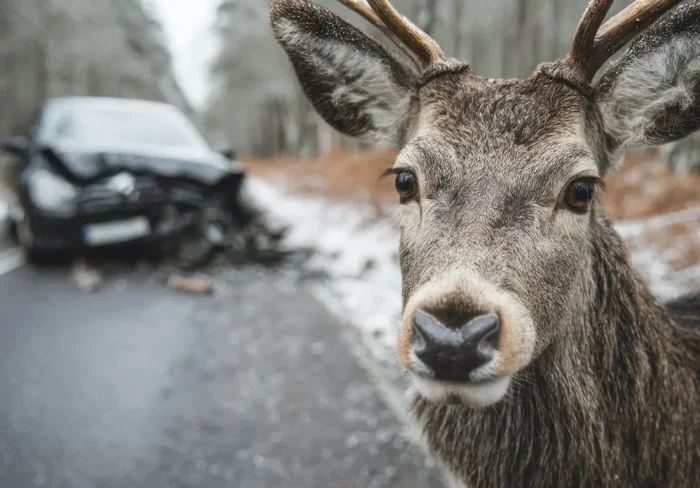
When you hit a deer, the damage can range from minor bumper damage to a totaled vehicle. The impact often affects the front end of the car, including the radiator, headlights, grille, and windshield. In severe cases, the deer can penetrate the cabin, causing extensive structural damage.
Here is what typically happens right after a deer collision:
- You pull over to a safe location and turn on your hazard lights.
- You check yourself and any passengers for injuries.
- You call 911 if anyone is injured or the vehicle is not drivable.
- You document the scene with photos and videos.
- You contact your insurance company to report the incident.
Staying calm and following these steps makes a huge difference in how smoothly the claims process goes. The more documentation you gather at the scene, the stronger your claim will be.
Why Deer Accidents Spike in Certain Seasons
Deer are most active during dawn and dusk. The fall months of October through December see the highest number of collisions because it is mating season. During this time, deer are more likely to dart across roads without warning. Spring is another peak period because young deer are exploring new territories. If you drive in areas with high deer populations, staying extra alert during these seasons can help you avoid a collision.
Does Car Insurance Cover Hitting a Deer?
The short answer is yes, but only if you carry the right type of coverage. Car insurance is not a one-size-fits-all product. Different coverage types handle different kinds of damage. Understanding which coverage applies to deer accidents is the first step in knowing what to expect.
Here is how the main types of car insurance coverage work when it comes to deer collisions:
Comprehensive Coverage: The Key Player
Comprehensive coverage is the type of auto insurance that covers deer collisions. This coverage is sometimes called “other than collision” coverage. It protects your vehicle from damage caused by events that are not the result of a crash with another car. Deer strikes fall squarely into this category.
Comprehensive coverage also helps with other non-collision events like:
- Vandalism and theft
- Falling trees or branches
- Fire and flooding
- Hail damage
- Animal collisions of all kinds
If you have comprehensive coverage and you hit a deer, your insurance company will pay for the repairs or the total loss of your vehicle, minus your deductible. The deductible is the amount you agree to pay out of pocket before your insurance kicks in.
Collision Coverage Does Not Apply
Many drivers assume that collision coverage handles all accident-related damage. That is not the case. Collision coverage only pays for damage caused by a crash with another vehicle or object, like a fence or a guardrail. Since a deer is a living animal and the collision is not with a fixed object in the traditional sense, collision coverage does not apply to deer strikes.
This distinction is critical. If you only carry liability and collision coverage without comprehensive, your insurance will not pay for deer-related damage. This is one of the most common surprises drivers face after a deer accident.
Liability Coverage: What It Does and Does Not Do
Liability coverage is the most basic type of car insurance. It pays for damage you cause to other people or their property. It does not pay for damage to your own vehicle. So if you hit a deer and damage your car, liability coverage will not help you at all. This is why comprehensive coverage is so important for deer-prone areas.
Also, if you hit a deer and it injures a passenger in your car, liability coverage alone may not cover their medical expenses. Personal injury protection or medical payments coverage can fill that gap, depending on your policy.
How to File a Claim After Hitting a Deer
Filing an insurance claim after a deer collision does not have to be complicated. The process is fairly standard across most insurance companies. Here is a step-by-step breakdown of what to expect and how to prepare.
Step 1: Document Everything at the Scene
Before you do anything else, take photos and videos of the damage to your vehicle. Capture the position of the deer if it is still at the scene. Photograph the road conditions, any skid marks, and the surrounding area. This visual evidence supports your claim significantly.
Also note the exact time, date, and location of the accident. If there were any witnesses, get their contact information. The more details you record, the easier the claims process becomes.
Step 2: Contact Your Insurance Company
Call your insurance provider as soon as possible after the accident. Most companies have 24-hour claims hotlines. Report the incident clearly and provide all the details you gathered at the scene. Ask about the specific documentation they need from you.
Your insurer will assign you a claim number and may connect you with an adjuster. The adjuster is the person who evaluates the damage and determines how much your insurance company will pay.
Step 3: Get an Estimate for Repairs
Take your vehicle to a trusted repair shop or one recommended by your insurance company. Get a written estimate of the repair costs. Your adjuster may also arrange for an independent assessment. The estimate helps determine whether your vehicle is repairable or a total loss.
Step 4: Pay Your Deductible
Once the claim is approved, you will need to pay your deductible before the insurance company covers the remaining cost. Deductibles typically range from $250 to $1,000 for comprehensive coverage. The higher your deductible, the lower your premium, but the more you pay out of pocket when a claim happens.
Step 5: Receive Your Payout
After your deductible is paid, the insurance company issues a payout for the covered repairs. If your vehicle is totaled, the payout equals the actual cash value of the car minus your deductible. You can then use that money to replace the vehicle or, in some cases, keep the salvage and receive a reduced payout.
What Does It Cost to Hit a Deer?
The cost of a deer collision varies widely depending on the severity of the damage and the type of vehicle you drive. Understanding the potential costs helps you plan financially and appreciate why having the right coverage matters so much.
Average Repair Costs
Minor deer collisions that only damage the front bumper or grille can cost anywhere from $500 to $2,000 to repair. Moderate damage that affects the radiator, headlights, and suspension can range from $2,000 to $5,000. Severe collisions that involve structural damage or cabin intrusion can exceed $5,000 and sometimes total the vehicle entirely.
Here is a rough breakdown of common repair costs after a deer strike:
- Bumper and grille damage: $500 – $2,000
- Headlight and radiator damage: $1,000 – $3,000
- Windshield replacement: $300 – $1,000
- Suspension and alignment repairs: $500 – $2,000
- Total vehicle loss: Varies based on vehicle value
Does Filing a Deer Claim Raise Your Rates?
This is one of the most common concerns drivers have. The answer depends on your insurance company and your claims history. Some insurers treat comprehensive claims for deer strikes differently than at-fault accident claims. Many companies do not raise rates for comprehensive claims because the driver is not at fault. However, this is not guaranteed. If you file multiple claims in a short period, even comprehensive ones, some insurers may view you as a higher risk and adjust your premium accordingly.
To understand how filing a claim might affect your specific situation, it is worth checking with your agent. They can explain how car insurance rates are affected by comprehensive claims in your state.
How to Prevent Deer Collisions
While insurance can help you recover financially, preventing a deer collision in the first place is always the best approach. Simple driving habits and awareness can significantly reduce your risk.
Drive Defensively in Deer Zones
If you live in or frequently drive through areas known for deer activity, slow down especially during dawn and dusk. These are the times when deer are most likely to cross roads. Use your high beams on dark, unlit roads to spot deer earlier. The light reflects off their eyes and gives you more time to react.
Watch for Deer Crossing Signs
Deer crossing signs are placed in areas with high deer traffic for a reason. When you see one, reduce your speed and stay alert. Deer often travel in groups, so if you see one cross the road, there are likely more behind it.
Do Not Swerve Suddenly
It might seem counterintuitive, but swerving sharply to avoid a deer can actually cause more damage. Sudden swerving can lead to loss of control, head-on collisions with oncoming traffic, or crashing into a tree or ditch. In many cases, it is safer to brake firmly and stay in your lane. The damage to your vehicle from a controlled stop is usually less severe than the damage from a swerve gone wrong.
Use Your Horn
A long blast of your horn can sometimes scare deer away from the road. Do not rely solely on this tactic, but it can be a useful supplement to slowing down and staying alert.
What to Do If You Hit a Deer and Leave the Scene
Some drivers hit a deer and do not realize it immediately. Deer can run off after being struck, and the damage might not be obvious right away. If you suspect you hit a deer but did not stop, go back to the area if it is safe to do so. Look for signs of impact like blood, fur, or damage to the roadside.
If you do not discover the damage until later, contact your insurance company right away. Provide them with the details and any evidence you have. Most insurers have a time limit for reporting claims, so the sooner you report, the better.
Also, if the deer is injured or killed on the road, contact local law enforcement. They can handle the situation safely and may provide a report that supports your insurance claim. A police report adds credibility to your claim and can speed up the processing time.
Understanding Your Policy Before You Need It
The best time to understand your car insurance coverage is before an accident happens. Many drivers only review their policy after they file a claim and discover they do not have the right type of coverage. Taking a few minutes to understand your policy now can save you a lot of stress later.
Here are some practical steps to take:
- Review your policy declarations page to confirm you have comprehensive coverage.
- Know your deductible amount and make sure you can afford to pay it if needed.
- Understand your policy limits and what is covered versus what is not.
- Keep your insurance agent’s contact information saved in your phone.
- Store a copy of your insurance card and policy documents in your vehicle.
Comprehensive coverage is relatively affordable compared to the cost of a deer collision repair. For many drivers, the peace of mind it provides is well worth the extra monthly premium. To learn more about how insurance costs work and how often you pay them, check out our guide on how car insurance payments work.
It is also worth noting that insurance requirements differ from state to state. While most states require minimum liability coverage, comprehensive coverage is usually optional. However, if you have a car loan or lease, your lender may require comprehensive coverage as part of the loan agreement. Understanding your state insurance requirements helps you make informed decisions about your coverage.
If you ever need to file a claim and want to understand how it might affect your taxes, we have a detailed article on whether you can claim car insurance on taxes that covers this topic thoroughly.
Key Takeaways
- Comprehensive coverage covers deer collisions: This is the only type of car insurance that pays for damage from hitting a deer. Without it, you are responsible for all repair costs.
- File your claim promptly: Report the accident to your insurer as soon as possible and document everything with photos and a police report if available.
- Your deductible applies: You will pay your deductible amount before your insurance covers the rest of the repair or replacement cost.
- Costs can range from hundreds to thousands: Minor deer damage may cost a few hundred dollars, while severe collisions can total your vehicle.
- Rates may not increase: Many insurers do not raise premiums for comprehensive claims since the driver is not at fault.
- Prevention is possible: Defensive driving, staying alert during peak deer hours, and using your horn can help you avoid collisions.
- Know your policy now: Reviewing your coverage before an accident ensures you are not caught off guard when you need it most.
FAQs
Does full coverage car insurance cover hitting a deer?
Yes, but only if the full coverage policy includes comprehensive coverage. Full coverage is a term that usually means both comprehensive and collision coverage. Since deer strikes fall under comprehensive, having full coverage means you are protected. However, if your full coverage policy only includes collision and liability, deer damage will not be covered.
Will my insurance rates go up after hitting a deer?
In most cases, no. Deer collisions are typically classified as comprehensive claims, and many insurers do not increase rates for comprehensive claims because the driver is not at fault. However, this varies by insurer and state. To understand more about how claims affect your rates, check out our article on whether car insurance rates are going up.
What should I do immediately after hitting a deer?
First, pull over to a safe location and turn on your hazard lights. Check yourself and your passengers for injuries. Take photos of the damage and the scene. Contact the police if there is significant damage or injury. Then call your insurance company to report the incident. The sooner you report, the smoother the claims process will be.
Does liability insurance cover deer damage?
No. Liability insurance only covers damage you cause to other people or their property. It does not cover damage to your own vehicle. To get coverage for deer damage, you need comprehensive coverage as part of your auto insurance policy.
How long does it take to process a deer collision claim?
Most insurance companies process comprehensive claims relatively quickly. Simple claims with clear documentation can be resolved in a few days to a couple of weeks. More complex claims involving total loss assessments or disputes may take longer. Staying organized with your documentation helps speed up the process.
Can I choose any repair shop for my deer damage claim?
In most cases, yes. Your insurance company may recommend a network of approved shops, but you generally have the right to choose your own repair facility. If you prefer a specific shop, let your adjuster know. They will work with you to ensure the repairs meet their standards while using the shop you trust.
Conclusion
Car insurance does cover hitting a deer, but only with comprehensive coverage. This is the single most important takeaway for every driver. If you live in an area with frequent deer activity or simply want to be prepared for the unexpected, comprehensive coverage is a smart and affordable addition to your policy.
Understanding how the claims process works, what documentation you need, and what costs to expect puts you in a much stronger position if you ever find yourself in this situation. You will not be scrambling to figure things out after the stress of the accident.
Take the time today to review your car insurance policy. Confirm you have comprehensive coverage, know your deductible, and save your insurance agent’s contact information in your phone. These small steps can make a big difference when you need them most. Stay safe on the road, stay prepared, and drive defensively especially during peak deer seasons.