Does Car Insurance Cover Tornado Damage for Your Car
Car insurance can cover tornado damage, but only if you have comprehensive coverage. Standard liability policies alone will not pay for storm-related vehicle repairs or total losses. Understanding your policy, deductible, and claim process is essential to getting reimbursed quickly after a tornado strikes.
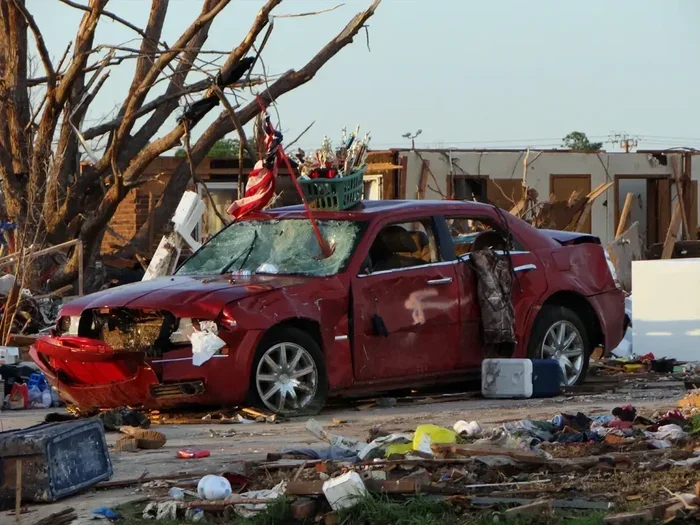
Severe weather can strike without warning. One moment you are driving home, and the next, a massive tornado is tearing through your neighborhood. Trees fall. Debris flies. Your car gets hit by a falling branch or swept up in the wind.
After the storm passes, the real worry begins. Does car insurance cover tornado damage? The short answer is yes, but only under the right coverage. Many drivers assume their basic policy handles everything. It does not. Understanding what your policy covers before disaster strikes can save you thousands of dollars.
In this guide, we break down exactly how tornado damage coverage works. We cover what comprehensive insurance pays for, how to file a claim, what deductibles mean, and how to avoid common mistakes. Whether you live in Tornado Alley or just want to be prepared, this article has you covered.
Key Takeaways
- Comprehensive coverage is required: Only comprehensive auto insurance pays for tornado and storm damage to your vehicle.
- Deductibles apply: You must pay your deductible before your insurance provider issues a payout for tornado repairs.
- Document everything: Photos, videos, and police reports strengthen your auto insurance claim after a storm.
- File quickly: Most policies have time limits for filing storm damage claims after a tornado event.
- Rates may increase: Filing a comprehensive claim can affect your insurance premium, depending on your provider.
- Gap insurance helps: If your car is a total loss, gap insurance covers the difference between payout and loan balance.
📑 Table of Contents
- What Type of Insurance Covers Tornado Damage?
- How Does the Claim Process Work for Tornado Damage?
- What Does Comprehensive Coverage Pay For After a Tornado?
- Understanding Your Deductible
- Does Filing a Tornado Claim Increase Your Rates?
- Common Mistakes to Avoid After Tornado Damage
- How to Prepare Your Car for Tornado Season
- Frequently Asked Questions
- Final Thoughts
What Type of Insurance Covers Tornado Damage?
Not all car insurance policies are the same. Your coverage type determines whether the insurance company will pay for tornado repairs. There are three main types of auto insurance, and only one of them covers storm damage.
Liability Coverage
Liability coverage is the most basic and legally required type of car insurance in most states. It pays for damage you cause to other people or their property. If you hit another car during a storm, liability coverage kicks in for the other driver.
However, liability coverage does not pay for damage to your own vehicle. If a tornado throws debris onto your car, liability insurance will not help you. This is a common misconception among drivers.
Collision Coverage
Collision coverage pays for damage to your car from accidents with other vehicles or objects. For example, if you crash into a guardrail, collision coverage helps pay for repairs.
But here is the catch. Collision coverage typically does not cover weather-related events like tornadoes, hail, or flooding. It is designed for driving accidents, not acts of nature. This distinction matters a lot when storm season arrives.
Comprehensive Coverage
Comprehensive coverage is the type of insurance that covers tornado damage. It is sometimes called “other-than-collision” coverage because it covers events that happen outside of driving accidents.
Comprehensive coverage pays for damage caused by:
- Tornadoes and severe wind storms
- Hail storms
- Flooding and rising water
- Falling trees and branches
- Lightning strikes
- Vandalism and theft
If a tornado flips your car or a tree falls on it, comprehensive coverage is what pays for the repairs or replacement. This is why it is so important, especially if you live in areas prone to severe weather.
Some states, like Florida and Oklahoma, see frequent tornado activity. Drivers in these areas should absolutely carry comprehensive coverage. You can check if your state requires it by reading about do all states require car insurance for more context on state-level requirements.
How Does the Claim Process Work for Tornado Damage?
Filing a claim after a tornado can feel overwhelming. But knowing the steps ahead of time makes the process much smoother. Here is exactly what to expect.
Step 1: Ensure Your Safety First
After a tornado, your first priority is safety. Do not move your car if it is dangerous to do so. Check yourself and others for injuries. Call 911 if anyone needs medical help.
Once you are safe, assess the damage to your vehicle. Take photos of everything before you move the car. This evidence is critical for your auto insurance claim.
Step 2: Contact Your Insurance Provider
Call your insurance provider as soon as possible. Most companies have 24-hour claims hotlines. Report the tornado damage and let them know the date and location of the event.
Have your policy number ready. Write down the name of the representative you speak with and the claim number they give you. This helps you track everything later.
Step 3: Document the Damage
Documentation is the backbone of any successful claim. Take clear photos of all damage from multiple angles. Capture close-ups of dents, scratches, broken glass, and any other visible damage.
If you have a video camera, walk around the car and record a video of the damage. This gives the adjuster a complete picture before they even arrive.
Step 4: Get an Estimate
Your insurance company will either send an adjuster to you or ask you to take the car to a certified repair shop. Get a written estimate from the shop. This estimate helps the insurer determine whether your car is repairable or a total loss.
If the repair cost exceeds the car’s actual cash value, the insurance provider will declare it a total loss. In that case, you receive a payout equal to the car’s market value minus your deductible.
Step 5: Wait for the Payout
After the adjuster reviews the damage, your insurance company issues a payout. This typically takes a few days to a few weeks. The payout goes toward repairs or, in a total loss scenario, replaces the value of your vehicle.
Keep in mind that car insurance rates may be affected after a claim. Some providers raise premiums after a comprehensive claim, while others do not. It is worth asking your provider about this before filing.
What Does Comprehensive Coverage Pay For After a Tornado?
Comprehensive coverage is designed to protect your vehicle from non-driving events. When a tornado damages your car, here is what the coverage typically includes:
Repair Costs
If the tornado causes repairable damage, comprehensive coverage pays for the repairs minus your deductible. This includes:
- Body panel repairs
- Windshield and glass replacement
- Dented or bent frame repairs
- Electrical system damage from water intrusion
- Engine damage from water ingestion
Total Loss Replacement
When the damage is too severe to repair, your policy pays the actual cash value of the vehicle. This is the market value just before the tornado, not what you originally paid for the car.
The actual cash value takes depreciation into account. If your car was worth $12,000 before the storm and your deductible is $500, you would receive $11,500. This amount helps you purchase a replacement vehicle.
Personal Belongings Inside the Car
Comprehensive coverage typically does not cover personal belongings damaged inside your car during a tornado. Your homeowners or renters insurance may cover those items. It is important to know the difference between your auto policy and your home policy.
Understanding Your Deductible
Your deductible is the amount you pay out of pocket before your insurance company covers the rest. Deductibles are a key part of any comprehensive auto insurance policy.
Common deductible amounts range from $250 to $2,000. If your deductible is $500 and tornado damage costs $4,000 to repair, you pay $500 and your insurer pays $3,500.
Higher deductibles mean lower monthly premiums. Many drivers choose a $500 or $1,000 deductible as a balance between cost and coverage. You can learn more about how insurance costs break down by reading about do you pay car insurance monthly to understand how premiums work.
Does Filing a Tornado Claim Increase Your Rates?
This is one of the most common questions drivers ask after a storm. The answer depends on your insurance provider and your claims history.
In many cases, comprehensive claims are treated differently than at-fault accident claims. Some insurance companies do not raise rates for comprehensive claims because they are not your fault. The tornado is an act of nature, not driver error.
However, some providers do view any claim as an increased risk. If you file multiple claims in a short period, your insurance premium may go up. It is always a good idea to call your provider and ask before filing a claim.
You should also consider the cost of repairs versus the potential rate increase. If the repair cost is just slightly above your deductible, it might make sense to pay out of pocket. If the damage is thousands of dollars, filing a claim is almost always the right move.
For more information on how claims affect your rates, check out are car insurance rates going up for a deeper look at premium trends.
Common Mistakes to Avoid After Tornado Damage
After a tornado, emotions run high. Drivers often make mistakes that hurt their claims. Here are the most common ones to avoid.
Waiting Too Long to File
Every insurance policy has a time limit for filing claims. Waiting weeks after a tornado can result in a denied claim. File as soon as it is safe to do so.
Not Documenting the Damage
Without photos and written records, your claim may be delayed or denied. Always document everything before repairs begin.
Starting Repairs Before the Adjuster Arrives
Never start repairs before your insurance adjuster inspects the vehicle. Some insurers will not pay for repairs if the damage was not documented first. Wait for the green light before handing your car over to a mechanic.
Assuming All Damage Is Covered
Not all damage is covered. Pre-existing damage, wear and tear, and damage from flooding outside of the tornado event may not be included. Read your policy carefully and ask your agent questions.
Ignoring Gap Insurance
If your car is totaled and you still owe money on your loan or lease, gap insurance covers the difference between the payout and what you owe. Without gap insurance, you are stuck paying the remaining loan balance even though you no longer have the car. Learn more about gap insurance by reading do I need gap insurance on a used car.
How to Prepare Your Car for Tornado Season
Prevention is always better than repair. You cannot stop a tornado, but you can take steps to reduce the risk of damage to your vehicle.
Park in a Safe Location
Whenever possible, park your car in a garage or covered structure during storm season. If a garage is not available, park away from trees, power lines, and buildings that could collapse.
Invest in a Storm-Appropriate Cover
A heavy-duty car cover can protect your vehicle from flying debris and hail. Look for covers rated for high wind and impact resistance.
Keep Your Policy Updated
Review your insurance policy at least once a year. Make sure your comprehensive coverage limits match the current value of your vehicle. An outdated policy can leave you underinsured.
Know Your Local Warning Systems
Sign up for local weather alerts and tornado warnings. When a warning is issued, move your vehicle to the safest possible location immediately.
Frequently Asked Questions
Does full coverage car insurance cover tornado damage?
Yes, but only the comprehensive portion of full coverage. Full coverage typically includes liability, collision, and comprehensive. The comprehensive part is what pays for tornado and storm damage. Collision and liability alone will not cover weather-related damage.
How long do I have to file a tornado damage claim?
Most insurance policies require you to file a claim within 30 to 90 days of the incident. However, some companies allow longer timelines for major weather events. Contact your provider immediately after the tornado to confirm your deadline and start the process.
Will my insurance cover a rental car after tornado damage?
It depends on your policy. Some comprehensive policies include rental car reimbursement as an add-on. If you have this coverage, your insurer pays for a rental while your car is being repaired. Without it, you are responsible for rental costs yourself.
What if my car is totaled by a tornado?
If your car is declared a total loss, your insurance provider pays you the actual cash value of the vehicle minus your deductible. You can use that money to purchase a replacement car. If you have gap insurance, it covers any remaining loan balance that exceeds the payout.
Does comprehensive coverage have a deductible?
Yes, comprehensive coverage almost always includes a deductible. This is the amount you pay out of pocket before your insurer covers the rest. Deductibles typically range from $250 to $2,000, and you choose your deductible amount when you purchase the policy.
Can I get insurance after a tornado if I do not currently have comprehensive coverage?
Generally, no. Insurance companies do not add comprehensive coverage after a storm event as a retroactive measure. You must have comprehensive coverage in place before the tornado occurs for the claim to be valid. This is why it is important to review your policy before storm season begins.
Final Thoughts
Does car insurance cover tornado damage? Yes, it does, provided you have comprehensive coverage in your policy. Without it, you are left paying for all repairs or replacement out of your own pocket. The cost of comprehensive coverage is small compared to the financial protection it offers during severe weather events.
Understanding your policy, knowing how to file a claim, and documenting damage properly are all essential steps every driver should take. Do not wait until after a tornado to figure out what your insurance covers. Review your policy today, talk to your agent about your deductible, and make sure you have the right protection in place.
Storms are unpredictable, but your financial preparedness does not have to be. With the right coverage and a clear plan, you can face tornado season with confidence. Your vehicle is a major investment, and comprehensive coverage is the best way to protect it from the unpredictable forces of nature.