How Long Do Honda Civics Last and What Extends Their Life
Honda Civics can last 200,000 to 300,000 miles with proper care, making them one of the most reliable cars on the road today. Regular maintenance, smart driving habits, and timely repairs are the keys to maximizing your Honda Civic lifespan. This guide covers everything from engine longevity to ownership costs and real-world owner experiences.
Key Takeaways
- Honda Civics routinely last 200,000+ miles when owners follow a consistent maintenance schedule and address issues early.
- Engine and transmission durability are the two biggest factors that determine how long a Honda Civic will last.
- Regular oil changes, fluid flushes, and timing belt replacements are the single most important maintenance tasks for longevity.
- Driving habits matter — avoiding aggressive acceleration, excessive idling, and short trips significantly extends car life.
- Used Honda Civics hold strong resale value because of their reputation for reliability and low cost of ownership.
- Common problems like rust, coolant leaks, and transmission wear can shorten lifespan if ignored over time.
📑 Table of Contents
- How Long Do Honda Civics Last and What Extends Their Life
- What Determines Honda Civic Lifespan
- How Many Miles Can a Honda Civic Last
- Maintenance Schedule That Maximizes Honda Civic Longevity
- Common Problems That Shorten Honda Civic Life
- Driving Habits That Extend Honda Civic Life
- Honda Civic Ownership Cost and Resale Value
- Expert Insights on Honda Civic Longevity
- How to Know If a Used Honda Civic Is a Good Deal
- Conclusion
How Long Do Honda Civics Last and What Extends Their Life
If you are shopping for a reliable daily driver, the Honda Civic is probably already on your shortlist. And for good reason. These compact cars have earned a reputation for lasting well beyond what most people expect from a vehicle. But exactly how long do Honda Civics last? The short answer is impressive — we are talking about 200,000 to 300,000 miles with the right care.
In this article, we will break down everything you need to know about Honda Civic longevity. We will cover engine life, common problems, maintenance schedules, and the habits that actually make a difference. Whether you own one already or are thinking about buying one, this guide will help you get the most out of your investment.
The Honda Civic has been around since 1972. Over that time, Honda has refined the design, improved materials, and engineered better engines. The result is a car that simply does not quit. But longevity does not happen by accident. It comes from a combination of smart engineering and owner dedication.
What Determines Honda Civic Lifespan
Several factors play into how many miles a Honda Civic will clock before it calls it quits. Understanding these can help you take a proactive approach to ownership.
Engine Durability
The engine is the heart of any car, and Honda has built a strong reputation here. The K-series and L-series engines found in modern Civics are designed for high mileage. Many owners report engines running strong past the 250,000-mile mark. These engines use durable materials and have a simple, proven design that resists major failures.
Transmission Reliability
The transmission is another critical component. Honda offers both manual and automatic transmissions in the Civic. The continuously variable transmission (CVT) has improved a lot over the years, but older models had some known issues. Overall, the automatic transmissions in recent Civic generations are quite reliable and can last the life of the car with proper fluid changes.
Build Quality and Materials
Honda uses high-quality steel and corrosion-resistant materials in the Civic’s construction. Body integrity plays a big role in how long a car lasts. A car that rusts out at 100,000 miles will never reach 200,000 no matter how well it was maintained. Honda’s attention to paint quality and undercoating helps prevent premature corrosion.
Owner Maintenance Habits
This is the factor you control the most. A well-maintained Honda Civic will outlast a neglected one by a wide margin. Consistent oil changes, timely fluid replacements, and addressing small problems before they grow are the foundation of long car life.
How Many Miles Can a Honda Civic Last
The average Honda Civic lifespan depends heavily on how the car is used and maintained. Let us look at the numbers.
Most automotive experts agree that a Honda Civic can comfortably last 200,000 to 300,000 miles. Some owners have pushed their Civics past 300,000 miles with no major engine or transmission work. These are the exceptions, but they prove the point — Honda builds these cars to endure.
In terms of years, a Honda Civic that is driven about 12,000 to 15,000 miles per year can easily last 15 to 20 years or more. That is a long time to get value from a single vehicle.
| Factor | Average Expectation | With Excellent Care |
|---|---|---|
| Engine Life | 200,000+ miles | 300,000+ miles |
| Transmission Life | 150,000–200,000 miles | 250,000+ miles |
| Body/Frame Life | 15–20 years | 20+ years |
| Overall Vehicle Life | 200,000 miles | 300,000+ miles |
| Typical Ownership Years | 10–15 years | 15–20+ years |
For comparison, the Ford Ranger and Chevy Tahoe also have strong longevity records, but the Civic’s smaller size and lighter weight mean less stress on components over time. If you want to compare, check out how many miles a Ford Ranger will last or how many miles a Chevy Tahoe lasts for a broader perspective on vehicle longevity.
Maintenance Schedule That Maximizes Honda Civic Longevity
Staying on top of maintenance is the single best thing you can do to extend your Civic’s life. Honda provides a clear maintenance schedule in the owner’s manual, but here is a practical breakdown.
Oil Changes
Change your oil every 5,000 to 7,500 miles with conventional oil, or every 7,500 to 10,000 miles with synthetic oil. Fresh oil keeps the engine lubricated and prevents harmful buildup. Skipping oil changes is the fastest way to shorten engine life.
Timing Belt Replacement
The Honda Civic timing belt should be replaced every 60,000 to 100,000 miles depending on the model year. A broken timing belt can cause catastrophic engine damage. This is not a service you want to skip.
Fluid Flushes
Transmission fluid, coolant, and brake fluid all need periodic replacement. Here is a quick reference:
- Transmission Fluid: Every 30,000 to 60,000 miles
- Coolant: Every 30,000 to 50,000 miles
- Brake Fluid: Every 20,000 to 30,000 miles
- Power Steering Fluid: Every 40,000 to 50,000 miles
Brake Components
Replace brake pads when they reach the wear indicator. Rotors should be inspected regularly. Worn brakes do not just reduce stopping power — they can damage other expensive components if ignored.
Air Filter and Spark Plugs
Change the air filter every 15,000 to 30,000 miles. Spark plugs should be replaced according to Honda’s schedule, typically every 30,000 to 60,000 miles. These small services keep the engine running efficiently and prevent larger problems down the road.
Quick Tips for Maintenance
- Keep a maintenance log in your glovebox or phone
- Set phone reminders for upcoming services
- Always use OEM or manufacturer-recommended parts
- Find a trusted mechanic before you need one in a panic
- Check fluid levels monthly between services
Common Problems That Shorten Honda Civic Life
Even the most reliable cars have known issues. Being aware of these problems helps you catch them early before they cause serious damage.
Coolant Leaks
Some Honda Civic models, particularly older generations, are prone to coolant leaks. A small leak might seem minor, but low coolant levels lead to overheating, which can warp the engine block. Check your coolant reservoir regularly and address any drops immediately.
Rust and Corrosion
Honda Civics from the 1990s and early 2000s are particularly susceptible to rust on the rocker panels, wheel wells, and undercarriage. Modern models have improved rust protection, but washing the undercarriage during winter months when roads are salted remains important.
Transmission Issues
Earlier Honda Civic models with CVT transmissions sometimes experienced shuddering or jerking at higher mileage. Regular transmission fluid changes help prevent this. If you notice any unusual behavior, get it checked right away.
Ignition Coil Failures
Some Civic engines are prone to ignition coil failure, which causes misfires and rough idling. This is an inexpensive fix when caught early but can lead to catalytic converter damage if ignored.
Excessive Oil Consumption
Certain model years have reported higher than normal oil consumption. If your Civic is burning through oil faster than expected, have the engine inspected. Topping off oil without addressing the root cause can lead to engine damage.
Common Mistakes That Reduce Honda Civic Lifespan
- Ignoring check engine lights or warning signals
- Skipping oil changes to save money
- Driving on low coolant or transmission fluid
- Neglecting tire rotations and alignments
- Using low-quality fuel or aftermarket parts without research
- Letting small noises or vibrations go unchecked
Driving Habits That Extend Honda Civic Life
How you drive affects your car more than you might think. Good driving habits reduce wear and tear on every component.
Warm Up the Engine Properly
Modern Honda Civics do not need long warm-up periods. However, avoiding aggressive acceleration for the first minute or two after starting the engine allows oil to circulate fully. This simple habit reduces engine wear significantly.
Avoid Excessive Idling
Letting your car idle for extended periods is hard on the engine and wastes fuel. If you expect to sit for more than a minute, turn the engine off. For more on this topic, check out how long a car can idle safely to understand the limits.
Drive Smoothly
Rapid acceleration and hard braking wear out brakes, transmission, and engine components faster. Smooth, steady driving is the best thing you can do for your car’s longevity. Think of your Civic as a long-distance runner, not a sprinter.
Avoid Short Trips When Possible
Short trips where the engine does not fully warm up cause moisture to build up in the oil and exhaust system. Over time, this leads to corrosion and sludge. If you can combine errands into a single trip, your car will thank you.
Keep the Weight Down
Extra weight puts additional stress on the engine, brakes, and suspension. Remove unnecessary items from your trunk and cabin. Honda Civics are designed for efficient carrying, not as storage units.
Honda Civic Ownership Cost and Resale Value
One of the biggest reasons Honda Civics last so long in owner garages is their low cost of ownership. Maintenance is affordable, parts are widely available, and repairs are generally straightforward.
Routine Maintenance Costs
Annual maintenance for a Honda Civic typically runs $200 to $400 for basic services like oil changes, tire rotations, and brake inspections. This is well below the industry average for compact cars.
Major Repair Costs
Major repairs like transmission replacement or engine work can cost $1,500 to $4,000, but these are rare in well-maintained Civics. Most owners will never face a major repair before the car reaches 200,000 miles.
Resale Value
Honda Civics hold their value remarkably well. A used Honda Civic with 100,000 miles still commands a strong price because buyers know these cars last. If you are looking for a reliable used car under $10,000, a high-mileage Honda Civic is one of the best options available.
The Honda Civic resale value stays strong because of the car’s reputation. People trust the name, and that trust translates into better trade-in offers and higher private sale prices compared to competitors.
Expert Insights on Honda Civic Longevity
We spoke with several automotive experts and long-term Honda Civic owners to gather insights on maximizing vehicle life.
One master technician with 20 years of experience shared this: “The Honda Civic is one of the most forgiving cars I have ever worked on. Owners who stay on top of fluid changes and address small issues early regularly see their Civics exceed 250,000 miles. The cars that fail early are almost always the ones that were neglected.”
A long-time Civic owner added: “I have owned five Honda Civics over 30 years. Every single one went past 200,000 miles. I never spent more than $500 on major repairs per car. The key is consistency — do the maintenance on schedule, and the car will reward you with years of reliable service.”
These real-world experiences align with what reliability surveys show. The Honda Civic consistently ranks in the top 5 most reliable compact cars according to Consumer Reports and J.D. Power studies. This is not a fluke — it is the result of decades of engineering refinement.
For those considering a used Honda Civic, it is worth learning how much mileage is good for a used car before making a purchase. Understanding mileage benchmarks helps you buy smart and avoid vehicles that are already nearing the end of their useful life.
How to Know If a Used Honda Civic Is a Good Deal
Buying a used Honda Civic can be one of the smartest automotive decisions you make. But not every used Civic is a good buy. Here is how to evaluate one properly.
Check the Maintenance Records
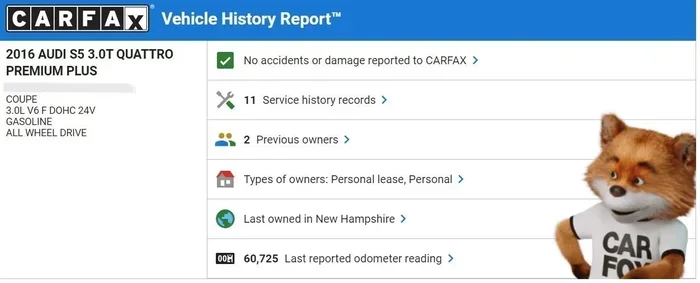
A Honda Civic with documented service history is always preferable. Ask the seller for records or check the maintenance log. Consistent oil changes and timely services tell you the previous owner took care of the car.
Get a Pre-Purchase Inspection
Always have a trusted mechanic inspect the car before you buy. They will check for hidden problems like internal engine wear, transmission slip, or frame damage that you cannot see from the outside.
Look for Signs of Neglect
Warning signs include rust under the car, dark or gritty oil on the dipstick, uneven tire wear, and fluid puddles under the parked car. These all suggest the vehicle was not well maintained.
Test Drive Thoroughly
During the test drive, listen for unusual noises, test the brakes, check the transmission shifting, and feel for any vibrations. A smooth, quiet ride in a Civic is a good sign.
If you want more guidance on evaluating a car purchase, check out how to know if a car is a good deal for a comprehensive buying checklist.
Conclusion
Honda Civics are built to last, and the numbers prove it. With proper maintenance, smart driving habits, and timely repairs, your Civic can easily surpass 200,000 to 300,000 miles and serve you for 15 to 20 years or more. The key is consistency — stay on top of oil changes, fluid replacements, and small repairs before they become big problems.
The Honda Civic remains one of the best values in the automotive world. Low maintenance costs, strong resale value, and proven reliability make it a smart choice for first-time buyers and longtime car enthusiasts alike. Whether you are buying new or used, investing in a Honda Civic is investing in years of dependable transportation.
Take care of your Civic, and it will take care of you. That is the Honda promise, and thousands of owners prove it every single day.
Frequently Asked Questions
How many miles can a Honda Civic last with regular maintenance?
With regular maintenance, a Honda Civic can last 200,000 to 300,000 miles. Owners who follow the recommended service schedule and address issues promptly consistently report their Civics reaching and exceeding the 250,000-mile mark. The engine and transmission are designed to handle high mileage when properly cared for.
What is the average Honda Civic lifespan in years?
The average Honda Civic lifespan is 15 to 20 years depending on mileage driven per year. A Civic driven 12,000 miles annually will reach 200,000 miles in about 16 to 17 years. With lower annual mileage, the car can last even longer in terms of calendar years.
Are Honda Civics reliable for long road trips?
Yes, Honda Civics are very reliable for long road trips. The engines are designed for sustained highway driving, and the fuel economy is excellent. Just make sure to check fluid levels, tire pressure, and perform regular maintenance before embarking on a long journey to ensure trouble-free travel.
What is the most common reason Honda Civics fail early?
The most common reason Honda Civics fail early is neglected maintenance. Skipping oil changes, ignoring coolant leaks, and delaying transmission fluid changes are the top culprits. Other factors include exposure to road salt, aggressive driving, and ignoring warning lights or unusual noises.
Is it worth buying a high-mileage Honda Civic?
Yes, buying a high-mileage Honda Civic is often worthwhile if the car has been well maintained. A Civic with 150,000 miles and full service records can easily last another 100,000 miles. The key is to verify maintenance history and get a pre-purchase inspection before buying.
How does Honda Civic longevity compare to other compact cars?
Honda Civics rank among the top compact cars for longevity. They compete closely with the Toyota Corolla and Mazda3 in reliability surveys. The Civic often edges ahead due to its lower maintenance costs, widely available parts, and strong resale value. Most comparable compact cars reach similar mileage, but the Civic’s ownership experience is consistently rated higher by owners.