What US Cars Are Made in China and Why It Matters
What US Cars Are Made in China is a question many buyers and auto enthusiasts are asking lately. Major brands like General Motors, Ford, and others run factories in China to serve the massive local market. Understanding this helps consumers make smarter buying decisions and grasp how global trade shapes the vehicles we drive.
What US Cars Are Made in China and why it matters is a topic that surprises a lot of car buyers. You might assume every American vehicle rolls off a line in Detroit or Ohio. But the truth is quite different. Many popular US brand vehicles are actually assembled thousands of miles away in Chinese factories. This shift in car production facilities has been building for decades. It touches everything from pricing to quality to how trade wars affect your wallet. Understanding this landscape gives you an edge as a buyer. It also helps you make smarter decisions when shopping for your next vehicle.
The global auto industry has changed dramatically. US automakers now depend heavily on overseas operations. China alone accounts for a huge share of global car sales. General Motors sells more vehicles in China than in the United States some years. Ford has also built a strong presence there. These companies use joint ventures with local Chinese partners to manufacture cars. The result is a complex web of production that blurs the line between “American” and “foreign” vehicles. This article breaks it all down for you.
Key Takeaways
- GM and Ford lead US car production in China through joint ventures with local partners like SAIC Motor.
- Over 30 models from American brands are built in Chinese factories, including Buick, Cadillac, and Chevrolet vehicles.
- China is the world’s largest auto market, making local production essential for US automakers to stay competitive.
- Trade tensions and tariffs have reshaped manufacturing strategies, pushing some brands to shift production to other countries.
- US cars made in China meet strict quality standards, but buyers should research specific models and assembly locations.
- Electric vehicles are the next frontier, with US brands investing heavily in China’s EV market through new partnerships.
- Knowing where your car is made matters for understanding pricing, quality, and long-term support.
📑 Table of Contents
What US Cars Are Made in China
The idea that American cars manufactured overseas might surprise you. But it is a reality of modern auto manufacturing. Several major US brands operate large factories inside China. These plants build vehicles specifically designed for the Chinese market. They also produce some models that get exported to other countries. The scale of this operation is enormous. Millions of vehicles roll out of Chinese factories every year bearing familiar American brand names.
When we talk about US cars built in China, we are referring to vehicles made by American companies through partnerships with Chinese firms. These are not cheap knockoffs. They are genuine products from recognized brands. The vehicles meet the same quality standards as their US-built counterparts in most cases. But there are important differences buyers should understand. Knowing what is being built where helps you evaluate your options.
The Big Three American Brands in China
Three major US automakers dominate GM China operations and Ford China partnerships. General Motors is the biggest player by far. It works closely with SAIC Motor, a major Chinese automaker. Together they run dozens of factories across China. Ford entered the Chinese market through partnerships with Changan Automobile and later Jiangling Motors. Chrysler, now part of Stellantis, has a smaller but notable presence through partnerships with GAC Group.
Each of these brands serves a different segment of the Chinese auto market. GM focuses on mass-market sedans, SUVs, and electric vehicles. Ford targets pickup trucks and SUVs for urban buyers. Stellantis brings premium and specialty vehicles to the table. Together, these partnerships represent billions of dollars in investment. They show how deeply intertwined the US and Chinese auto industries have become.
Popular Models Produced in Chinese Factories
Many vehicles you see on US roads or in dealerships have Chinese-built cousins. Buick brand vehicles are a prime example. Buick is a GM brand that is hugely popular in China. Models like the Buick LaCrosse and Buick Envision are built in Chinese factories. Some of these vehicles are exported to other markets, including the Middle East and Southeast Asia.
Cadillac vehicles also benefit from Chinese production. The Cadillac XT6 and Cadillac CT6 have been assembled in China for local sale. Chevrolet models like the Chevrolet Captiva and Chevrolet Equinox have Chinese-built versions too. These vehicles are designed with Chinese buyers in mind. They often feature longer wheelbases and different trim levels than their US counterparts.
Why American Automakers Build Cars in China
The question is not just what US cars are made in China. It is why they do it. The reasons are deeply strategic and economic. US automakers cannot ignore the world’s largest car market. China sells more vehicles than any other country on Earth. Building cars locally is the only practical way to compete there.
Access to the World’s Largest Auto Market
China’s auto market is massive. It accounts for roughly 30 percent of global car sales. For US brands, entering this market through joint ventures is essential. Foreign automakers cannot simply open their own factories in China. They must partner with a local Chinese company. This requirement pushes US brands to work with partners like SAIC, Changan, and GAC.
The Chinese auto market has unique preferences. Chinese buyers often want larger vehicles with more rear seat space. They prefer different styling and technology features than US buyers. Local production allows US brands to customize vehicles for these preferences. It also helps them stay competitive against Chinese domestic brands like BYD and NIO.
Lower Production Costs and Manufacturing Efficiency
Building cars in China can be significantly cheaper than in the United States. Labor costs are lower. Supply chains are well-established. Many parts suppliers are already located in Chinese industrial zones. This manufacturing overseas strategy reduces costs and speeds up production. US brands can build vehicles faster and more affordably in China.
The global supply chain also plays a role. China has a deep network of component manufacturers. Steel, glass, electronics, and rubber are all readily available. This ecosystem makes it efficient to produce vehicles at scale. For US automakers, the cost savings are substantial. These savings can be passed on to buyers or reinvested in new models.
Which Brands and Models Are Produced in China
The list of US cars made in China is longer than most people realize. Here is a closer look at the brands and their operations:
| Brand | Parent Company | Chinese Partner | Key Models Built in China |
|---|---|---|---|
| Buick | General Motors | SAIC Motor | LaCrosse, Envision, Excelle |
| Cadillac | General Motors | SAIC Motor | XT6, CT6, XT5 |
| Chevrolet | General Motors | SAIC Motor | Captiva, Equinox, Onix |
| Ford | Ford Motor Company | Changan / Jiangling | Escape, Edge, Territory |
| Lincoln | Ford Motor Company | Changan | Aviator, Corsair |
| Jeep | Stellantis | GAC Group | Cherokee, Grand Commander |
This table shows just how widespread American cars manufactured overseas really is. Each of these brands has deep roots in the Chinese market. Some models are sold exclusively in China. Others are exported to markets around the world. The strategy varies by brand and model.
One important thing to note is that not all Chinese-built US brand vehicles stay in China. Some are exported to Southeast Asia, the Middle East, and even Latin America. This makes export vehicles a significant part of the business. Buyers in these regions may unknowingly purchase a vehicle that was built in a Chinese factory.
The Impact of US-China Trade Tensions on Car Manufacturing
The relationship between the United States and China has had its ups and downs. Tariff tensions and trade disputes have directly affected the auto industry. These geopolitical issues shape where cars are built and how much they cost.
Tariffs and Their Effect on Pricing
When trade tensions rise, tariffs get imposed. The US has placed tariffs on Chinese-built vehicles at various points. China has responded with its own tariffs on US-made vehicles. This back-and-forth creates uncertainty for automakers. It also affects pricing for consumers. A vehicle built in China might face a 25 to 40 percent tariff if exported to the US. That cost gets passed on to the buyer.
The trade war impact has been significant. Some US brands have shifted production to avoid tariffs. Ford moved some production from China to Thailand and Vietnam. GM has explored expanding operations in Mexico and other countries. These shifts show how sensitive auto manufacturing is to international politics.
How Trade Wars Changed Manufacturing Strategies
The trade disputes of recent years have forced US automakers to rethink their strategies. Many are diversifying their production bases. Instead of relying solely on China, they are building plants in Mexico, Vietnam, India, and other countries. This manufacturing overseas diversification reduces risk. It also helps brands avoid heavy tariffs in key markets.
However, China remains too important to abandon entirely. The market is just too large. US brands continue to invest in GM China operations and Ford China partnerships despite the risks. The key is balancing exposure across multiple markets. Smart brands are building a global footprint rather than depending on one country.
Is It Safe and Reliable to Buy a US Car Made in China
This is one of the most common questions buyers ask. The short answer is yes. US cars made in China generally meet the same quality standards as vehicles built in the United States. But there are nuances worth understanding.
Quality Control and Manufacturing Standards
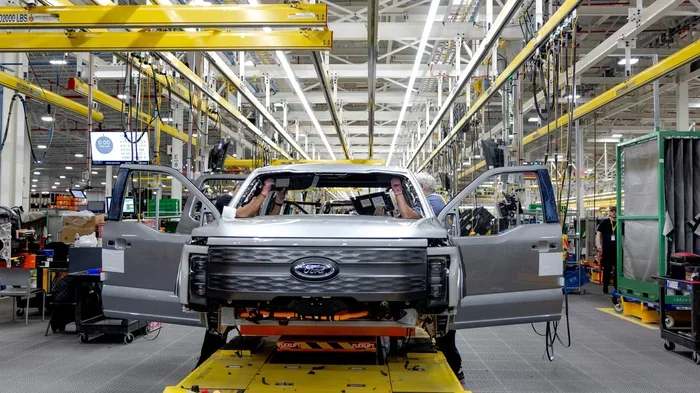
Major US automakers enforce strict quality controls at their Chinese factories. GM and Ford have invested heavily in their car production facilities in China. These plants use the same engineering standards and quality checks as their US operations. Workers are trained to meet global specifications. The vehicles that come off these lines are real GM or Ford products.
That said, there can be subtle differences. A vehicle built for the Chinese market may use different materials or components than one built for the US market. Chinese regulations require certain features that US regulations do not. These differences can affect the driving experience. But they do not necessarily mean lower quality.
Common Mistakes Buyers Make
One common mistake is assuming all Chinese-built vehicles are the same. Some models are designed specifically for China and may not be available in the US. Another mistake is ignoring the impact of US China trade relations on resale value. Vehicles built in China for the Chinese market may have limited support if you live in the US.
Buyers should also watch for parts availability. If a vehicle is built in China for the Chinese market, finding replacement parts in the US can be challenging. Always check with the dealer about service and parts support before buying. This is especially important for vehicles that are not officially sold in your country.
What Does the Future Hold for US Cars Made in China
The auto industry is changing fast. Electric vehicles China production is booming. US brands are investing heavily in this new frontier. The future of US cars built in China will be shaped by several key trends.
The Shift Toward Electric Vehicles
China is the world leader in electric vehicle production. It dominates the global EV battery supply chain. US automakers are racing to tap into this ecosystem. GM has launched the Buick Electra E4 and other electric models built in China. Ford is working on electric vehicles through its Chinese partnerships. The foreign automakers race to China is very much about EVs.
Electric vehicles built in China offer advantages. They use advanced battery technology. They often feature cutting-edge software and connectivity. For US brands, building EVs in China is a strategic move. It gives them access to the latest technology and the fastest-growing market segment.
Expert Insights on the Road Ahead
The US China trade relations will continue to evolve. New agreements and disputes will shape manufacturing decisions. But one thing is clear: US automakers are committed to the Chinese market for the long term. The global supply chain will keep shifting. Buyers should stay informed about where their vehicles come from.
The relationship between US brands and China is complex but productive. Both sides benefit from the partnership. US automakers gain access to a massive market. Chinese consumers get access to proven American brands and technologies. This symbiotic relationship is likely to continue for decades to come.
Conclusion
What US Cars Are Made in China is a topic that matters more than most people realize. The global auto industry is deeply interconnected. American brands build millions of vehicles in Chinese factories every year. These vehicles range from affordable sedans to luxury SUVs. They serve Chinese buyers and get exported worldwide.
Understanding this landscape helps you as a consumer. It explains pricing differences. It clarifies why some models are available in certain markets but not others. It also highlights the impact of trade policy on the vehicles we buy. The next time you see a Buick, Cadillac, or Ford, remember that it might have been built thousands of miles from Detroit.
The future of US cars made in China is electric and dynamic. Trade tensions will ebb and flow. But the economic logic of building vehicles in China remains strong. US automakers will continue to invest in this partnership. Buyers who understand this space will be better equipped to make informed decisions. Stay curious, stay informed, and always know where your car comes from.
Frequently Asked Questions
Are US cars made in China the same quality as those built in the US?
In most cases, yes. Major US automakers enforce the same quality standards at their Chinese factories. However, some models built exclusively for the Chinese market may differ in features or components. Always research the specific model and its build quality before purchasing.
Can I buy a US car made in China and bring it to the United States?
It is very difficult and often not practical. Vehicles built for the Chinese market may not meet US safety and emissions standards. Importing a car from China involves heavy tariffs and regulatory hurdles. Most Chinese-built US brand vehicles are sold only in the Chinese market or in export regions like Southeast Asia.
Which US car brand has the largest presence in China?
General Motors has the largest presence. Through its partnership with SAIC Motor, GM operates more factories and sells more vehicles in China than any other US automaker. Buick, Cadillac, and Chevrolet all benefit from this massive operation.
Do tariffs make US cars made in China more expensive?
Yes, when tariffs are applied. If a US brand exports a vehicle from China to the US market, tariffs can add thousands of dollars to the price. This is why many US brands build vehicles in China only for the Chinese market or for nearby export regions where tariffs are lower.
Are electric vehicles from US brands being built in China?
Yes, absolutely. GM has launched several electric vehicles through its SAIC partnership in China. Ford is also developing EVs through its Chinese joint ventures. China’s dominance in battery technology makes it a strategic hub for EV production.
How can I find out where my car was actually built?
Check your vehicle identification number (VIN). The 11th character identifies the assembly plant. You can also look at the owner’s manual or the build sticker. Dealerships can also provide this information. Knowing your car’s origin helps with service, parts availability, and resale value.