How Long Should Brakes Last on Your Subaru Outback
Brake pads on a Subaru Outback typically last between 25,000 and 70,000 miles, depending on driving habits, terrain, and pad material. Front pads wear faster than rear pads, and city driving shortens brake life significantly. Regular inspections, quality parts, and proper maintenance can push your brakes well past the average lifespan.
Your Subaru Outback is a rugged, reliable SUV built for adventure. Whether you hit the trails or commute through city streets, your brakes work hard every single day. So how long should brakes last on your Subaru Outback? The honest answer is that it depends on several factors, but most drivers can expect brake pads to last somewhere between 25,000 and 70,000 miles. Understanding what affects brake wear helps you stay ahead of expensive repairs and keeps your Outback stopping safely.
Brake maintenance is one of the most important parts of owning any vehicle. Ignoring worn brakes is not just a performance issue. It is a serious safety risk. In this guide, we break down everything you need to know about brake longevity on the Subaru Outback. We cover pad types, replacement signs, costs, and practical tips to make your brakes last longer.
Key Takeaways
- Average Lifespan: Subaru Outback brake pads generally last 25,000 to 70,000 miles depending on driving conditions and pad type.
- Front Pads Wear Faster: The front brakes handle up to 70% of stopping force, so they degrade quicker than rear pads.
- Material Matters: Ceramic pads last longer and are quieter, while semi-metallic pads offer better performance in cold weather.
- Warning Signs: Squealing, grinding, reduced braking power, and vibration signal that your brakes need immediate attention.
- Cost Range: Replacing all four brake pads typically costs between $150 and $450, with rotors adding $200 to $400 more.
- Extend Brake Life: Smooth driving, regular fluid flushes, and avoiding riding the brakes can add thousands of miles to your brake components.
📑 Table of Contents
- Understanding Brake Components on the Subaru Outback
- How Long Should Brakes Last on Your Subaru Outback
- Signs Your Subaru Outback Brakes Need Attention
- Average Brake Pad Replacement Cost for the Subaru Outback
- Tips to Extend Brake Life on Your Subaru Outback
- Expert Insights on Subaru Outback Brake Maintenance
- When to Seek Professional Brake Service
- Final Thoughts
Understanding Brake Components on the Subaru Outback
Before we talk about lifespan, it helps to understand what makes up your Outback’s braking system. Each component plays a specific role in bringing your vehicle to a safe stop. Knowing how these parts work makes it easier to spot problems early.
Brake Pads
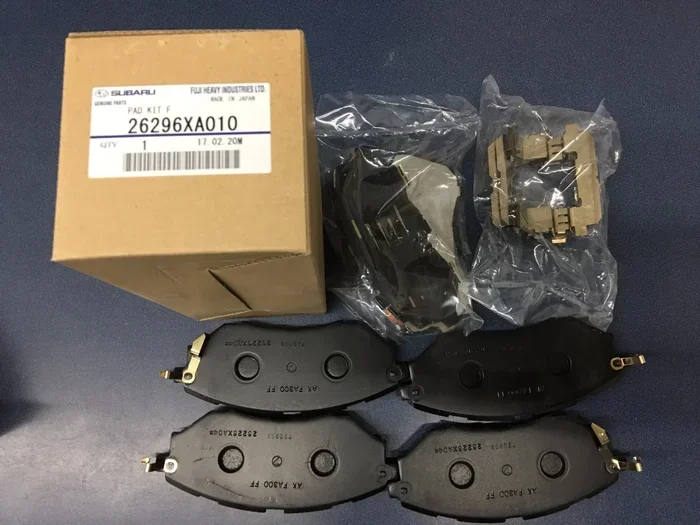
Brake pads are the small, thick blocks of material that press against the rotors when you step on the brake pedal. They create friction, which slows your wheels down. Over time, this friction wears the pads down. Eventually, they need replacement. The material your pads are made of has a big impact on how long they last.
Most Subaru Outbacks come with semi-metallic or ceramic pads from the factory. Aftermarket options include organic pads, which are gentler on rotors but wear faster. Your choice of pad material directly affects both performance and longevity.
Brake Rotors
Brake rotors are the metal discs that your brake pads clamp onto. They spin with your wheels and absorb the heat generated during braking. Rotors are built to last a long time, but they can warp, crack, or wear thin over the years. When rotors go bad, they cause vibrations and uneven braking. Resurfacing or replacing rotors is often done at the same time as a pad change.
Brake Calipers
Brake calipers house the brake pads and squeeze them against the rotors when you apply the brakes. Calipers are durable components. They typically last the lifetime of the vehicle. However, they can seize or leak brake fluid over time, especially in older models or vehicles exposed to harsh road conditions.
How Long Should Brakes Last on Your Subaru Outback
The short answer is that brake pads on a Subaru Outback last between 25,000 and 70,000 miles. But this range is wide for a reason. Several variables determine where your brakes fall on that spectrum. Let us break down the most important ones.
Front vs Rear Brake Wear
Your front brakes do the heavy lifting. They handle up to 70 percent of your stopping power. This means front brake pads wear out faster than rear pads. Many Outback owners find that front pads need replacement every 30,000 to 40,000 miles. Rear pads often last 50,000 to 70,000 miles or more. Always inspect all four corners during every service visit.
Driving Habits That Affect Brake Life
How you drive matters a lot. Aggressive braking eats through pads quickly. If you ride the brakes on steep downhill stretches, your pads will wear out fast. Smooth, gradual braking extends the life of your components significantly. Tailgating is one of the fastest ways to shorten brake pad life.
City driving is harder on brakes than highway driving. Stop-and-go traffic means constant braking. If you live in a hilly area or a busy urban center, expect your pads to wear faster. On the other hand, if you mostly drive long stretches of open road, your brakes can last well beyond the average estimate.
One often overlooked factor is how long your vehicle sits without being driven. If your Subaru Outback sits unused for extended periods, brake components can corrode and degrade. Moisture builds up on rotors and pads when a car is not driven regularly. This accelerates wear and can lead to premature failure.
Pad Material and Its Impact on Longevity
The type of brake pad you choose makes a real difference. Here is a quick comparison of the most common pad materials for the Subaru Outback:
- Ceramic Pads: These are the most popular choice for daily driving. They last longer, produce less dust, and operate quietly. Ceramic pads typically last 50,000 to 70,000 miles. They cost a bit more upfront but save money over time.
- Semi-Metallic Pads: These offer strong braking performance in all weather conditions. They are great for cold climates and heavy loads. However, they wear rotors faster and tend to be noisier. Expect a lifespan of 30,000 to 50,000 miles.
- Organic Pads: These are made from non-metallic materials like rubber, glass, and resin. They are gentle on rotors and quiet. But they wear out faster, usually lasting 20,000 to 40,000 miles. They work best for light-duty driving.
Signs Your Subaru Outback Brakes Need Attention
Your Outback gives you plenty of warning before brakes become dangerous. Learning to read these signs keeps you safe and saves you from bigger repair bills later.
Squealing or Squeaking Noises
A high-pitched squeal when you press the brake pedal is the most common warning sign. Most brake pads have a built-in wear indicator that makes this noise. It tells you the pad material is getting thin. Do not ignore this sound. Get your pads inspected right away.
Grinding Sounds
A grinding or harsh metallic noise means your pads are completely worn down. The metal backing of the pad is now grinding against the rotor. This causes serious damage to your rotors and is dangerous. If you hear grinding, stop driving and get your brakes serviced immediately.
Reduced Braking Power
If your Outback takes longer to stop than it used to, your brakes may be worn. A spongy or soft brake pedal is another red flag. This can also indicate low brake fluid or air in the brake lines. Both issues need professional attention.
Vibration During Braking
Feeling a vibration or pulsing through the brake pedal usually means your rotors are warped. Warped rotors happen from excessive heat buildup or worn pads. Resurfacing or replacing the rotors fixes this problem. Ignoring it leads to uneven pad wear and poor stopping power.
Brake Warning Light
If the brake warning light on your dashboard comes on, do not delay. This could signal low brake fluid, worn pads, or a problem with the ABS system. Use a scanner to read the codes and find the root cause. A brake warning light is never something to brush off.
Average Brake Pad Replacement Cost for the Subaru Outback
Cost is always a factor when it comes to brake maintenance. The good news is that replacing brake pads on a Subaru Outback is relatively affordable compared to many other vehicles.
For all four brake pads, you can expect to pay between $150 and $450 for parts and labor. Ceramic pads tend to cost more than semi-metallic or organic options. If you need new rotors as well, add $200 to $400 per axle. Brake fluid flushes typically run $70 to $120 and should be done every two years or 30,000 miles.
Doing the work yourself can save you a significant amount. Many experienced DIYers handle a full brake pad and rotor replacement in an afternoon. Just make sure you follow proper torque specifications and safety procedures. If you are unsure, a professional brake service is always a smart investment.
Keep in mind that skipping brake maintenance leads to much higher costs. Worn pads damage rotors. Damaged rotors cost more to replace. And neglected brakes can lead to unsafe driving conditions. Staying on top of your brake service schedule is the cheapest way to protect your Outback.
Tips to Extend Brake Life on Your Subaru Outback
Want to get the most miles out of your brakes? These practical tips help you stretch your brake life and save money on repairs.
- Drive smoothly: Avoid hard braking whenever possible. Coasting to a stop saves your pads and rotors.
- Maintain a safe following distance: Leave plenty of space between you and the car ahead. This gives you time to brake gently.
- Use engine braking on hills: Downshift on steep descents instead of riding the brakes. This keeps your brake components cool.
- Flush brake fluid regularly: Fresh brake fluid prevents moisture buildup and keeps your system working properly.
- Stick to quality parts: Use OEM or high-quality aftermarket pads and rotors. Cheap parts wear out faster and can compromise safety.
- Inspect brakes during every oil change: Regular visual inspections catch wear early before it becomes a costly problem.
- Avoid overloading your vehicle: Extra weight puts more strain on your brakes. Stay within your Outback’s recommended payload limits.
Quick Tips for Brake Longevity
Here are a few quick habits that make a big difference over time. First, give yourself plenty of time to stop. Second, avoid riding the brake pedal while driving. Third, keep your tires properly inflated. Correct tire pressure reduces the work your brakes have to do. Fourth, have your brake fluid checked at every service. Clean fluid keeps the entire system responsive and reliable.
Common Mistakes That Shorten Brake Life
Many drivers unknowingly damage their brakes through bad habits. One of the biggest mistakes is riding the brakes on long downhill drives. This overheats the pads and warps the rotors. Another common error is ignoring the squeal. Drivers wait too long and end up damaging rotors. Also, using the wrong pad material for your driving style leads to premature wear. Finally, skipping regular inspections means small problems become big expensive repairs.
Expert Insights on Subaru Outback Brake Maintenance
Experienced mechanics agree that the Subaru Outback is a forgiving platform when it comes to brakes. The stock brake components are well-designed and reliable. However, the way you use and maintain them determines everything.
Many Subaru specialists recommend checking brake pad thickness every 10,000 miles. This gives you a clear picture of wear progression. If your pads are down to 3 millimeters or less, it is time to plan a replacement. Catching wear early means you can schedule the service at your convenience instead of dealing with a sudden failure.
Another expert tip is to always replace pads in pairs. Replace the front pads together and the rear pads together. Mixing old and new pads on the same axle causes uneven braking and potential damage. If your rotors are warped or below minimum thickness, replace them at the same time as the pads. This ensures a smooth, safe braking surface.
One final insight worth sharing is about brake fluid. Many owners forget about this critical fluid. Brake fluid is hygroscopic, meaning it absorbs moisture over time. Moisture in the brake system lowers the boiling point of the fluid. This can cause brake fade during hard stops. A fluid flush every two years keeps your braking system performing at its best.
When to Seek Professional Brake Service
While basic brake pad inspection is straightforward, some jobs are best left to professionals. If you notice any of the warning signs mentioned above, visit a qualified mechanic. A thorough brake inspection includes checking pad thickness, rotor condition, caliper function, and brake fluid quality. A professional can also spot problems that are not visible to the naked eye.
If you are shopping for a used Subaru Outback, pay close attention to the brake condition. Understanding how much mileage is good for a used car helps you evaluate whether the previous owner took care of the brakes. A well-maintained Outback with fresh brakes is a joy to drive and much safer on the road.
Brake service is one of the most fundamental maintenance tasks for any vehicle. Whether you drive a new Outback or a high-mileage model, keeping your brakes in top shape should always be a priority. Safe stopping power is what connects you to the road, and it deserves your attention and investment.
Final Thoughts
So, how long should brakes last on a Subaru Outback? With proper care and regular maintenance, your brake pads should comfortably last between 25,000 and 70,000 miles. The key is staying proactive. Watch for warning signs, stick to a maintenance schedule, and use quality parts. Your Outback will reward you with reliable, safe stopping power for years to come. Take care of your brakes, and they will take care of you every time you hit the road.
Frequently Asked Questions
How often should I replace the brakes on my Subaru Outback?
Most Subaru Outback owners need to replace brake pads every 30,000 to 50,000 miles. However, this varies based on driving habits, pad material, and road conditions. Always have your brakes inspected during regular service intervals to catch wear early.
Can I drive my Subaru Outback with worn brake pads?
No. Driving with worn brake pads is dangerous and can cause permanent damage to your rotors. Worn pads reduce stopping power and increase braking distance. Replace your pads as soon as you notice warning signs like squealing or reduced braking performance.
How much does it cost to replace all four brakes on a Subaru Outback?
Replacing all four brake pads typically costs between $150 and $450 for parts and labor. If you also need new rotors, add an extra $200 to $400 per axle. Brake fluid flushes and caliper services may add additional costs depending on your vehicle’s condition.
Do ceramic brake pads last longer on a Subaru Outback?
Yes. Ceramic brake pads generally last longer than semi-metallic or organic pads. They typically endure 50,000 to 70,000 miles and produce less dust and noise. They are a popular choice for daily driving and highway use.
What causes brakes to wear out faster on a Subaru Outback?
Aggressive driving, stop-and-go traffic, hilly terrain, and riding the brakes all accelerate wear. Overloading the vehicle and using low-quality brake parts also shorten pad life. Regular inspections help you catch and address these issues early.
Is it okay to replace only the front brake pads on my Outback?
It is not recommended. Replacing pads in pairs ensures even braking performance across all wheels. Mixing worn and new pads can cause uneven stopping, pulling to one side, and premature wear on other components. Always replace pads on the same axle together.