Does Car Insurance Cover Flood Damage to Your Vehicle
Car insurance may cover flood damage, but only if you have comprehensive coverage. Standard liability policies do not pay for weather-related water damage. If you live in a flood zone or face storm season, understanding your policy is critical to protecting your investment and avoiding costly repairs.
Key Takeaways
- Comprehensive coverage is required: Basic liability insurance does not pay for flood or water damage to your vehicle.
- Deductibles apply: You must pay your deductible before your insurer covers the rest of the flood damage claim.
- Act fast after a flood: Filing your claim quickly and documenting all damage improves your chances of a smooth payout.
- Flood zones matter: If you live in a high-risk flood zone, comprehensive coverage is strongly recommended.
- Total loss scenarios exist: If repair costs exceed your car’s value, your insurer may declare it a total loss and pay the actual cash value.
- Gap insurance can help: If you still owe more on your loan than the insurance payout, gap insurance covers the difference.
📑 Table of Contents
- Does Car Insurance Cover Flood Damage to Your Vehicle?
- What Is Comprehensive Coverage and Why Does It Matter?
- How Does Flood Damage Affect Your Car?
- The Claims Process: What to Do After a Flood
- Can You Claim Car Insurance on Taxes?
- How Does Your Location Affect Flood Coverage?
- What Happens If Your Car Is a Total Loss?
- How to Prevent Flood Damage to Your Vehicle
- Common Mistakes to Avoid After Flood Damage
- How Much Does It Cost to Repair Flood Damage?
- Expert Insights on Flood Damage and Car Insurance
- Final Thoughts: Protecting Your Vehicle from Flood Damage
Does Car Insurance Cover Flood Damage to Your Vehicle?
Heavy rain. Rising water. A flooded street you never expected to drive through. These situations happen more often than most people think. And when the water recedes, car owners are left with one big question: does car insurance cover flood damage?
The short answer is: it depends on your policy. If you carry comprehensive coverage, flood damage is typically included. But if you only have basic liability insurance, you will likely pay for all repairs out of pocket. This guide breaks down everything you need to know about flood damage car insurance, from understanding your policy to filing a successful claim.
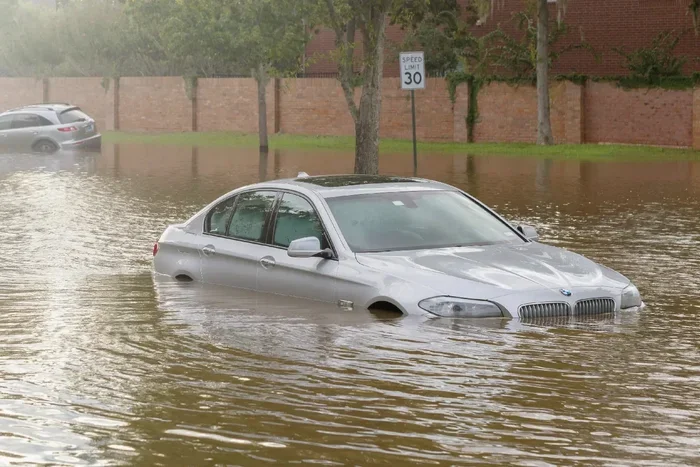
Water damage to a vehicle can be devastating. Even a few inches of floodwater can ruin electronics, ruin the engine, and destroy the interior. The cost of car repair costs after a flood can easily reach thousands of dollars. That is why knowing your coverage before disaster strikes is so important.
What Is Comprehensive Coverage and Why Does It Matter?
Comprehensive coverage is the type of auto insurance that pays for damage caused by events other than collisions. This includes theft, vandalism, fire, hail, and yes, flood damage. Think of it as protection for things that are out of your control.
Here is what comprehensive coverage typically includes:
- Flood damage: Water entering the cabin or engine from rising floodwaters.
- Storm damage: Hail, lightning strikes, and fallen trees.
- Theft and vandalism: Broken windows, stolen parts, or a stolen vehicle.
- Fire damage: Engine fires, wildfires, or arson.
- Weather-related damage: Wind damage, falling branches, and flying debris.
Without comprehensive coverage, your insurer will not pay for any of these events. Many drivers skip this coverage to save money on their insurance premium. But if you live in an area prone to heavy rain or flooding, this can be a very risky decision.
Who Needs Comprehensive Coverage Most?
Not everyone needs comprehensive coverage at the same level. Here are some drivers who should strongly consider it:
- People who live in flood zones or low-lying areas.
- Drivers in regions that experience heavy monsoon seasons or hurricanes.
- Car owners with newer or higher-value vehicles.
- Anyone who parks outside and cannot control where their car sits during a storm.
If you are unsure whether you have comprehensive coverage, check your policy documents or call your agent. It is a simple step that can save you thousands of dollars.
How Does Flood Damage Affect Your Car?
Floodwater is not just dirty water. It carries debris, chemicals, and bacteria that can cause serious harm to your vehicle. The damage often goes far beyond what you can see on the surface.
Engine and Mechanical Damage
When water enters the engine, it can hydro-lock the cylinders and cause catastrophic failure. Replacing or rebuilding an engine after water damage car incidents is extremely expensive. In many cases, the cost exceeds the vehicle’s actual value.
Electrical System Problems
Modern cars are full of sensitive electronics. Floodwater can short out wiring, damage sensors, and ruin the onboard computer system. These problems sometimes do not show up until weeks or months after the flood. That makes them hard to trace back to the original water damage event.
Interior and Cabin Damage
Seats, carpeting, and dashboard components absorb water quickly. Mold can begin growing within 24 to 48 hours after exposure. Even after professional cleaning, the smell and residue of floodwater can linger for a long time.
Frame and Structural Damage
Prolonged exposure to floodwater can weaken the vehicle’s frame and structural components. This type of damage may not be visible right away but can compromise safety over time.
The Claims Process: What to Do After a Flood
Dealing with a flooded car is stressful. But knowing the right steps can make the claims process much smoother. Here is what you should do immediately after a flood event.
Step 1: Document Everything
Before you move your vehicle or start any repairs, take photos and videos of all the damage. Capture the water line on the car, the interior, the engine bay, and any visible damage to the exterior. This documentation is critical evidence for your car insurance claim.
Step 2: Contact Your Insurer Right Away
Call your insurance company as soon as it is safe to do so. Most policies require you to report the damage within a specific timeframe. The sooner you file, the better your chances of a smooth resolution.
Step 3: Get an Assessment
Your insurer will assign an adjuster to evaluate the damage. The adjuster will determine whether the car is repairable or a total loss vehicle. If the insurance payout for repairs exceeds the car’s value, it will likely be declared a total loss.
Step 4: Understand Your Deductible
Before you receive any money, you must pay your insurance deductible. Deductibles for comprehensive coverage typically range from $250 to $1,000. Choose a deductible amount that you can comfortably afford in an emergency.
Step 5: Keep Records of All Expenses
Save every receipt related to the flood damage. This includes towing costs, temporary transportation, and any emergency repairs. Some of these expenses may be reimbursable under your policy.
Can You Claim Car Insurance on Taxes?
Many drivers wonder if they can write off their car insurance claim or repair costs on their taxes. The answer depends on your situation. In most cases, you cannot claim insurance reimbursements as a tax deduction. However, if you use your car for business and the flood damage was work-related, you may be able to deduct certain losses. Speak with a tax professional for guidance specific to your situation.
It is also worth noting that if your insurer pays you less than what you actually spent on repairs, the difference might be considered a casualty loss. This could potentially qualify for a tax deduction in certain circumstances. Again, consult a tax advisor to understand your options.
How Does Your Location Affect Flood Coverage?
Where you live plays a huge role in your flood risk and insurance needs. Some areas are naturally more prone to flooding than others.
Living in a Flood Zone
FEMA designates certain areas as flood zones based on historical data and risk assessments. If you live in a high-risk flood zone, your lender may require you to carry comprehensive coverage. Even if it is not required, it is a smart financial decision.
Do All States Require Car Insurance?
While all states require some form of auto insurance, the types of coverage required vary. Most states mandate liability insurance, but very few require comprehensive or collision coverage. This means that flood damage protection is optional in most places. You must choose to add it to your policy.
Understanding your state’s requirements is important. You can check with your state’s department of insurance or your agent to confirm what is mandatory and what is optional.
Are Car Insurance Rates Going Up?
Insurance rates have been rising across the country. Climate change has led to more frequent and severe weather events, including floods. As a result, insurers are adjusting premiums to account for the increased risk. If you live in a flood-prone area, your rates may be higher than average. But the cost of not having coverage after a flood far exceeds any premium increase.
What Happens If Your Car Is a Total Loss?
Sometimes the damage from a flood is so severe that repairing the vehicle is not cost-effective. In these cases, your insurer will declare the car a total loss vehicle. Here is what that means for you.
Your insurer will pay you the actual cash value of the car at the time of the flood. This is the market value of your vehicle before the damage occurred. It takes into account depreciation, mileage, and overall condition.
If you still owe money on your car loan and the insurance payout is less than what you owe, you will be responsible for the difference. This is where gap insurance becomes incredibly valuable. Gap insurance covers the gap between what you owe and what the insurer pays. If you do not have gap insurance, you could end up paying thousands of dollars out of pocket for a car you no longer have.
Can you sell a leased car after a total loss? The answer depends on your lease agreement and insurance settlement. In most cases, the insurance payout goes directly to the leasing company to satisfy the remaining balance.
How to Prevent Flood Damage to Your Vehicle
Prevention is always better than repair. While you cannot control the weather, you can take steps to reduce the risk of flood damage to your car.
Park Smart
- Avoid parking near drainage channels or low-lying areas during heavy rain.
- Move your car to higher ground if a flood warning is issued.
- Use a garage or covered parking whenever possible.
Stay Informed
- Monitor weather alerts and flood warnings in your area.
- Know your local flood zones and evacuation routes.
- Sign up for emergency notifications from your local government.
Drive Safely in Flood Conditions
- Never drive through standing water, even if it looks shallow.
- Turn around if you encounter a flooded road. Six inches of water can stall a car.
- If your car stalls in water, do not attempt to restart the engine.
Quick Tips for Flood Preparedness
- Keep an emergency kit in your car with waterproof documents.
- Take photos of your car regularly so you have a baseline for comparison.
- Review your insurance policy at least once a year to ensure adequate coverage.
Common Mistakes to Avoid After Flood Damage
After a flood, emotions run high. Many car owners make mistakes that hurt their chances of a fair insurance payout. Here are some common errors to avoid.
- Delaying the claim: Waiting too long to file can result in a denied claim. Act quickly.
- Starting repairs before assessment: Do not repair anything until the adjuster has evaluated the damage. Otherwise, your insurer may refuse to pay.
- Not documenting properly: Vague or incomplete documentation weakens your claim. Take detailed photos and notes.
- Underestimating the damage: Some flood damage does not appear immediately. Have a mechanic inspect the car thoroughly before accepting a settlement.
- Assuming all water damage is covered: Some policies exclude certain types of water damage. Read your policy carefully and ask your agent questions.
How Much Does It Cost to Repair Flood Damage?
The cost of repairing flood damage varies widely depending on the severity of the water exposure and the type of vehicle. Minor water intrusion might cost a few hundred dollars for cleaning and drying. Major engine and electrical damage can easily reach $10,000 or more.
Here is a rough breakdown of potential costs:
- Interior cleaning and drying: $200 to $800
- Electrical system repair: $500 to $3,000
- Engine water damage repair: $3,000 to $8,000
- Full interior replacement: $4,000 to $10,000
- Total loss scenario: Insurance pays actual cash value minus deductible
These numbers show why having the right insurance coverage is so important. Without comprehensive coverage, every dollar of these repairs comes directly from your wallet.
Expert Insights on Flood Damage and Car Insurance
Insurance experts consistently advise drivers to carry comprehensive coverage regardless of where they live. Flooding can happen anywhere, not just near rivers or coastlines. Even a small flash flood in an urban area can cause significant vehicle damage.
Experts also recommend reviewing your policy annually. Coverage needs change as your car ages, your driving habits change, and your financial situation evolves. If you have questions about your car insurance policy, do not hesitate to reach out to your agent. A quick phone call can provide peace of mind and save you from unexpected expenses.
Final Thoughts: Protecting Your Vehicle from Flood Damage
The question of whether car insurance covers flood damage comes down to one thing: the type of coverage you carry. If you have comprehensive coverage, you are protected. If you only have liability insurance, you are on your own when it comes to flood damage.
The cost of comprehensive coverage is relatively small compared to the potential cost of flood repairs. For most drivers, the peace of mind it provides is well worth the extra expense. Review your policy today, make sure you have the right coverage, and take steps to protect your vehicle before the next storm hits.
Understanding your insurance is not just smart. It is essential. Whether you live in a high-risk flood zone or an area that rarely sees heavy rain, being prepared is the best thing you can do for yourself and your vehicle.
Frequently Asked Questions
Does full coverage car insurance cover flood damage?
Yes, full coverage typically includes comprehensive coverage, which pays for flood damage. However, full coverage also includes collision coverage, which handles accident-related damage. Make sure your policy specifically lists comprehensive coverage to be protected against flood events.
Will my insurance pay for flood damage if I drove into standing water?
In most cases, yes. If you have comprehensive coverage, driving into standing water and sustaining damage is generally covered. However, some insurers may investigate the circumstances. Always report the incident promptly and provide full documentation.
How long does it take to process a flood damage claim?
The timeline varies by insurer and the severity of the damage. Simple claims may be resolved in a few weeks. Complex claims involving total loss or extensive damage can take several months. Filing quickly and providing complete documentation helps speed up the process.
What is the deductible for comprehensive flood coverage?
Comprehensive deductibles typically range from $250 to $1,000. You choose your deductible when you purchase the policy. A higher deductible lowers your premium but means you pay more out of pocket when filing a claim.
Does homeowners insurance cover flood damage to a car?
No, homeowners insurance does not cover vehicle damage of any kind. Auto insurance is the only policy that covers car damage, including flood damage. Make sure your auto policy includes comprehensive coverage for this protection.
Can I cancel comprehensive coverage to save money?
You can cancel comprehensive coverage, but it leaves your vehicle unprotected against flood, theft, and weather damage. If you live in an area prone to flooding or severe weather, keeping comprehensive coverage is strongly recommended. The savings on your premium are not worth the financial risk.
=== INTERNAL LINKS ===
Did you know that car insurance requirements vary by state? This means your flood coverage options may differ depending on where you live.
Many drivers also wonder about rising costs. Car insurance rates are going up across the country, partly due to increased weather-related claims including flood damage.
If you are trying to manage your monthly budget, check out how car insurance payments work to understand when and how your premiums are due.
After receiving an insurance payout, some drivers want to understand the tax implications. Learn more about claiming car insurance on taxes to see if you qualify for any deductions.