How Many O2 Sensors Does a Nissan Sentra Actually Have
The Nissan Sentra typically has two to four O2 sensors depending on the model year and engine type. These oxygen sensors play a critical role in monitoring exhaust gas and ensuring your engine runs efficiently. Knowing their O2 sensor location and replacement signs can save you time and money.
If you own a Nissan Sentra and have ever wondered about the health of your engine, the oxygen sensor is one component you cannot ignore. These small but mighty devices sit in your exhaust system and constantly measure the amount of unburned oxygen in your car’s exhaust gas. They send this data directly to your engine control unit, which then adjusts the fuel mixture to keep everything running smoothly.
So, how many O2 sensors does a Nissan Sentra actually have? The answer depends on several factors, including your model year, engine size, and whether your Sentra has a single exhaust or dual exhaust setup. Most modern Sentras come equipped with two to four oxygen sensors. Understanding this number and what each sensor does is essential for maintaining engine performance, fuel economy, and emission control.
In this guide, we will walk you through everything you need to know. We will cover the exact number of sensors, their locations, warning signs of failure, replacement costs, and simple tips to keep them working at their best. Whether you are a DIY mechanic or just want to speak knowledgeably with your trusted mechanic, this article has you covered.
Key Takeaways
- Most Nissan Sentras have 2 to 4 O2 sensors: The exact number depends on your model year, engine size, and exhaust setup.
- Upstream and downstream sensors serve different purposes: The upstream sensor measures exhaust before the catalytic converter, while the downstream sensor monitors what comes out.
- Failing O2 sensors hurt fuel economy and performance: You may notice poor mileage, rough idling, or a glowing check engine light.
- Replacement costs are reasonable: Most owners pay between $150 and $400 per sensor, including parts and labor.
- Regular maintenance helps extend sensor life: Keeping up with scheduled service and using quality fuel reduces the risk of premature sensor failure.
- Diagnostic codes can point to sensor issues: Tools like an OBD-II scanner help you identify which sensor is causing problems.
📑 Table of Contents
- What Is an O2 Sensor and Why Does It Matter?
- How Many O2 Sensors Does a Nissan Sentra Have?
- Where Are the O2 Sensors Located on a Nissan Sentra?
- Common O2 Sensor Symptoms You Should Watch For
- How Much Does O2 Sensor Replacement Cost?
- Tips for Keeping Your O2 Sensors in Great Shape
- When Should You Replace Your O2 Sensors?
What Is an O2 Sensor and Why Does It Matter?
An O2 sensor, also known as a lambda sensor, is a small electronic device mounted in your exhaust system. Its job is to measure the amount of oxygen present in the exhaust gases leaving your engine. This measurement tells your car’s computer whether the fuel mixture is too rich (too much fuel) or too lean (too little fuel).
Your Nissan Sentra relies on this information for several important reasons:
- Fuel injection optimization: The sensor helps the engine control unit deliver the right amount of fuel for combustion.
- Emission control: A properly functioning sensor reduces harmful pollutants released into the atmosphere.
- Engine performance: Correct fuel mixture means smoother acceleration, better idling, and more responsive driving.
- Fuel economy: When the mixture is balanced, you get the best possible miles per gallon.
Without working oxygen sensors, your car essentially flies blind. The engine control unit would guess the fuel mixture, leading to wasted fuel, increased emissions, and potential long-term damage to components like the catalytic converter.
How O2 Sensors Work in Simple Terms
Think of the O2 sensor as a tiny chemical detector. It generates a small voltage based on the oxygen levels in the exhaust. When the exhaust has lots of unburned oxygen, the voltage drops. When the mixture is rich, the voltage rises. Your car’s computer reads this voltage hundreds of times per second and adjusts the fuel injector timing accordingly. It is a continuous loop that keeps your engine running at peak efficiency.
How Many O2 Sensors Does a Nissan Sentra Have?
The number of O2 sensors in a Nissan Sentra varies by generation and engine configuration. Here is a general breakdown:
- 1999-2006 Nissan Sentra (B14/B15 generation): Most models in this range have two O2 sensors. One sits before the catalytic converter (upstream), and one sits after it (downstream).
- 2007-2012 Nissan Sentra (B16 generation): These models typically also have two sensors, though some trims with the 2.5-liter engine may include additional sensors depending on the exhaust configuration.
- 2013-2020 Nissan Sentra (B17 generation): The B17 Sentra generally has two to four sensors. The 1.8-liter four-cylinder engine usually uses two sensors, while some configurations may use more.
- 2020+ Nissan Sentra (B18 generation): The latest generation Sentra continues the trend of two to four sensors, depending on the specific trim and market.
If you are wondering about how many O2 sensors does a Nissan Sentra have for your specific model, the best approach is to check your owner’s manual or look up your vehicle by VIN. This gives you the exact number for your particular build.
Understanding Bank 1 and Bank 2
Some Sentra models use the terms bank 1 and bank 2 to describe sensor positions. Bank 1 refers to the side of the engine where cylinder one is located. If your Sentra has a dual exhaust system, it may have sensors on both banks, which increases the total count. For most four-cylinder Sentra engines, you will only deal with bank 1, which simplifies things considerably.
Upstream vs. Downstream Sensors
It helps to understand the difference between upstream and downstream sensors:
- Upstream sensor: Located before the catalytic converter. It measures the oxygen content in raw exhaust gas and helps the computer adjust the fuel mixture in real time.
- Downstream sensor: Located after the catalytic converter. It monitors the oxygen content of the cleaned exhaust and helps the computer evaluate how well the catalytic converter is working.
Both sensors are essential. The upstream sensor controls fuel mixture, while the downstream sensor serves as a diagnostic tool for your emission control system.
Where Are the O2 Sensors Located on a Nissan Sentra?
Knowing the O2 sensor location on your Nissan Sentra makes it easier to inspect, maintain, or replace them. The sensors are threaded into the exhaust system at specific points.
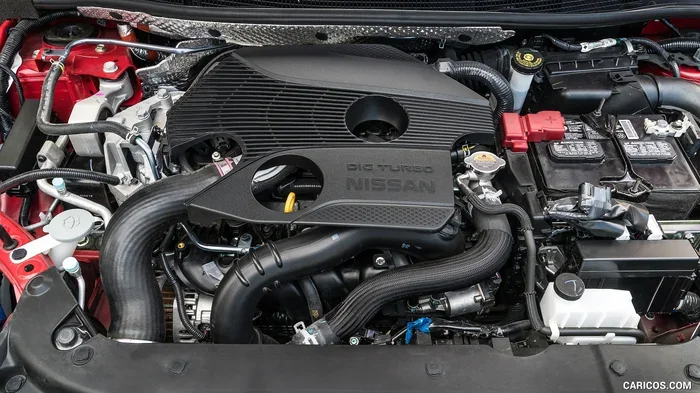
On most Nissan Sentra models, the upstream sensor is located on the exhaust manifold or the pipe just after it. This is the section closest to the engine where hot exhaust gases first enter the system. The downstream sensor is typically bolted into the exhaust pipe somewhere between the catalytic converter and the muffler.
If your Sentra has four sensors, the additional ones are usually placed at intermediate points along the exhaust system or on the second catalytic converter (if applicable). These positions help the computer get a more detailed picture of exhaust flow throughout the entire system.
For a visual reference, you can refer to your vehicle’s service manual or watch a tutorial specific to your Sentra model year. The sensors have electrical connectors attached to them, making them relatively easy to identify once you locate the exhaust pipes.
Common O2 Sensor Symptoms You Should Watch For
O2 sensors do not last forever. Over time, they can become contaminated or wear out. Recognizing the early O2 sensor symptoms can prevent more expensive repairs down the road.
Check Engine Light
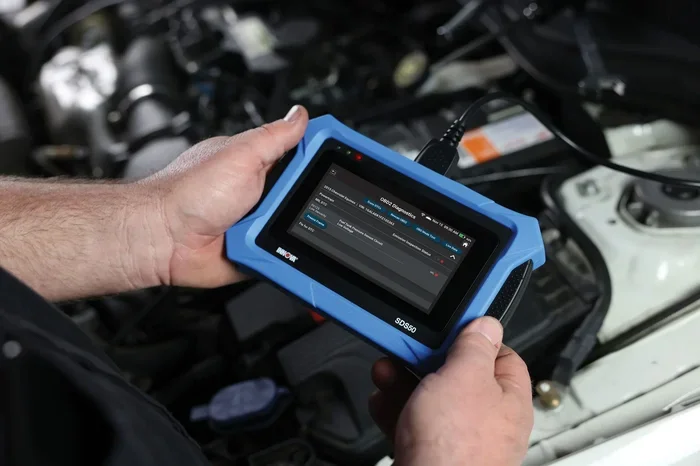
The most common sign of a failing oxygen sensor is the illumination of the check engine light. When a sensor sends abnormal readings to the engine control unit, the computer stores a diagnostic trouble code. You can use an OBD-II scanner to read these codes. If you want to learn more about interpreting codes, check out our guide on how to read ABS codes without a scanner for helpful diagnostic tips.
Poor Fuel Economy
A faulty sensor can send incorrect data to the fuel injection system, causing your engine to run rich (too much fuel). This wastes gas and significantly reduces your fuel economy. If you notice you are filling up more often than usual, a sensor issue might be to blame.
Rough Idle or Stalling
When the fuel mixture is off, your engine may idle roughly or stall at stoplights. This happens because the combustion process depends on a precise balance of fuel and air. A bad oxygen sensor disrupts that balance.
Failed Emission Test
If your vehicle fails an emissions inspection, a malfunctioning O2 sensor is a common culprit. The sensor directly affects how efficiently your catalytic converter processes exhaust gases. A failing sensor can cause your car to produce higher levels of harmful emissions.
Rotten Egg Smell from Exhaust
A rich fuel mixture caused by a bad sensor can produce a sulfur or rotten egg smell from your exhaust. This is unburned fuel passing through the system and should be addressed promptly.
Reduced Engine Power
In some cases, a failing sensor can cause your engine to feel sluggish or weak during acceleration. The computer may limit engine performance to protect the catalytic converter from damage caused by a rich fuel mixture.
How Much Does O2 Sensor Replacement Cost?
The cost of replacing an O2 sensor on a Nissan Sentra depends on several factors, including the number of sensors that need replacement, your model year, and whether you do the work yourself or visit a mechanic.
Here is a general cost breakdown:
- Parts only: Individual O2 sensors typically cost between $50 and $150 each, depending on brand and quality.
- Labor: If you take your Sentra to a shop, labor charges range from $50 to $150 per sensor, depending on the O2 sensor location and local rates.
- Total per sensor: Most owners pay between $150 and $400 per sensor replaced at a shop.
- DIY savings: If you are comfortable working under your car, replacing the sensors yourself eliminates labor costs entirely.
For the full cost picture, it is worth noting that some of these expenses can be offset by understanding your vehicle better. If you are shopping for a used Sentra, knowing what how much mileage is good for a used car can help you avoid vehicles with neglected maintenance, including worn-out sensors.
Keep in mind that ignoring a bad sensor can lead to bigger problems. A rich fuel mixture over time can damage the catalytic converter, which is a much more expensive repair. Replacing a faulty O2 sensor early is one of the smartest maintenance decisions you can make.
Tips for Keeping Your O2 Sensors in Great Shape
Prevention is always better than cure. Here are practical tips to help your oxygen sensors last longer and keep your Nissan Sentra running strong.
Use Quality Fuel
Cheap or contaminated fuel contains additives and impurities that can coat the sensor tip and reduce its accuracy over time. Using top-tier gasoline from reputable stations helps protect not only your O2 sensors but also your entire fuel system.
Keep Up with Scheduled Maintenance
Regular oil changes and engine tune-ups prevent conditions that damage sensors. Excessive carbon buildup from neglected maintenance can contaminate the sensor elements and shorten their lifespan.
Fix Exhaust Leaks Promptly
Exhaust leaks near the sensors can introduce false air into the system, causing incorrect readings. If you notice hissing sounds or smell exhaust inside the cabin, get your exhaust system inspected right away.
Avoid Using Additives Unless Necessary
While some fuel system cleaners can be beneficial, overuse of additives can sometimes damage sensitive components including O2 sensors. Stick to manufacturer-recommended products and use them sparingly.
Monitor Your Fuel Economy
Tracking your fuel economy over time is an easy way to detect potential sensor issues early. A sudden drop in miles per gallon without a clear reason often points to a sensor or fuel system problem.
Also, remember that your vehicle’s overall fuel efficiency is influenced by multiple factors. For instance, does a cabin air filter affect gas mileage is a related question many car owners ask, and the answer is yes — a clogged cabin filter can slightly impact airflow and overall system efficiency.
Reset Codes After Replacement
After replacing an O2 sensor, you will need to clear the diagnostic trouble codes from your car’s computer. You can do this with an OBD-II scanner. Some owners also ask whether disconnecting the battery resets these codes. The answer is yes, but it is important to understand the process. For more details, read our article on does unplugging a car battery reset codes.
When Should You Replace Your O2 Sensors?
O2 sensors are considered wear items and have a typical lifespan of 60,000 to 100,000 miles, depending on driving conditions and fuel quality. However, some Sentra owners experience sensor failure much earlier, especially if they drive in stop-and-go traffic or in areas with poor air quality.
Here are some guidelines to help you decide when replacement is needed:
- Your check engine light is on and codes point to an O2 sensor: Do not ignore this. Get the codes read and address the issue promptly.
- You have passed 100,000 miles without replacing sensors: Even if you have not noticed symptoms, preventive replacement can save you from unexpected breakdowns.
- You failed an emissions test: A sensor replacement is often the fix needed to pass inspection.
- You notice a persistent drop in fuel economy: This is one of the most common early warning signs of sensor degradation.
If you are considering purchasing a used Nissan Sentra with higher mileage, understanding sensor health becomes even more important. Check out our guide on how much mileage is good for a used car for more insights on evaluating pre-owned vehicles.
Replacing O2 sensors is one of those maintenance tasks that is simple, affordable, and highly impactful. A new sensor can restore your fuel economy, smooth out your idle, and bring your emissions back into compliance. It is a small investment with big returns for your Nissan Sentra’s longevity and performance.
Take care of your oxygen sensors, and they will take care of your engine. Regular attention to these small components pays off in the form of better driving, lower fuel costs, and fewer surprises at the repair shop. Your Sentra will thank you with years of reliable service.
Frequently Asked Questions
How many O2 sensors does a Nissan Sentra have in total?
Most Nissan Sentras have two to four O2 sensors, depending on the model year and engine configuration. The 1.8-liter and 2.0-liter four-cylinder engines typically use two sensors, while some configurations may include up to four for more precise exhaust monitoring.
Can I drive my Nissan Sentra with a bad O2 sensor?
Yes, you can drive short distances with a failing O2 sensor, but it is not recommended for extended periods. A bad sensor can reduce fuel economy, increase emissions, and potentially damage the catalytic converter if left unaddressed for too long.
What is the difference between upstream and downstream O2 sensors?
The upstream sensor measures exhaust gas before it reaches the catalytic converter and helps adjust the fuel mixture. The downstream sensor measures exhaust gas after the catalytic converter and monitors how well the converter is functioning.
How often should Nissan Sentra O2 sensors be replaced?
O2 sensors typically last between 60,000 and 100,000 miles. However, driving habits, fuel quality, and maintenance practices can shorten or extend this lifespan. Replacing them preventively around the 100,000-mile mark is a common recommendation.
Will a new O2 sensor improve my Nissan Sentra’s fuel economy?
Yes, if the old sensor was malfunctioning, a new one can significantly improve fuel economy. The sensor ensures the fuel mixture is balanced correctly, which directly affects how efficiently your engine burns fuel.
How do I know which O2 sensor is causing the check engine light?
An OBD-II scanner will display specific diagnostic trouble codes that identify the problematic sensor. Codes starting with P0130-P0167 generally relate to O2 sensor circuit issues and will indicate which bank and sensor position is affected.
=== CONCLUSION ===
Understanding how many O2 sensors a Nissan Sentra has is an important part of being a responsible car owner. Whether your Sentra has two or four oxygen sensors, each one plays a vital role in keeping your engine running efficiently, your fuel economy optimized, and your emissions in check. These small sensors may not be glamorous, but their impact on your daily driving experience is enormous.
By learning the O2 sensor location, recognizing the symptoms of failure, and staying on top of replacement schedules, you can avoid costly repairs and keep your Nissan Sentra running smoothly for years to come. The next time your check engine light comes on or you notice a drop in fuel economy, you will know exactly what to check and why.
Take a proactive approach to your vehicle’s health. Inspect your sensors, use quality fuel, and address issues early. Your Nissan Sentra will reward you with reliable performance and peace of mind on every drive.