How to Bypass a Nissan Immobilizer and Start Driving
A Nissan immobilizer can leave you stranded when it malfunctions or when you lose the right key. This guide walks you through every practical Nissan immobilizer bypass method, from simple fixes to advanced techniques. You will learn how the system works, what signs to watch for, and the safest ways to get your car running again.
There are few things more frustrating than turning your Nissan key and hearing nothing happen. The engine refuses to turn over, the dashboard lights flicker, and you know something is wrong. In many cases, the culprit is the Nissan immobilizer, a security feature designed to prevent theft. But when it malfunctions or you lose the right key, it becomes a serious problem. This guide will show you exactly how to bypass a Nissan immobilizer and get back behind the wheel.
We have broken this guide into clear, easy-to-follow sections. You will learn what the immobilizer does, how to spot when it is acting up, and the different bypass methods available. Whether you are a DIY mechanic or just someone who wants to understand their car better, this article has you covered. Let us dive right in.
Key Takeaways
- Understand the System: Know exactly how the Nissan immobilizer works and why it blocks your engine.
- Spot the Warning Signs: Learn the symptoms that tell you your immobilizer is causing problems.
- Multiple Bypass Methods: Explore several practical approaches, from spare keys to bypass modules.
- Safety First: Understand the legal and mechanical risks before attempting any bypass.
- Prevent Future Issues: Get actionable tips to keep your Nissan’s immobilizer working properly.
📑 Table of Contents
- Understanding the Nissan Immobilizer System
- Signs Your Nissan Immobilizer Is Acting Up
- Methods to Bypass the Nissan Immobilizer
- Step-by-Step Guide: Bypassing the Immobilizer
- Important Warnings and Legal Considerations
- Preventing Immobilizer Problems in the Future
- When to Seek Professional Help
- Conclusion
Understanding the Nissan Immobilizer System
What Is an Immobilizer?
An immobilizer system is an anti-theft device built into your Nissan. It works by communicating between your key and the car’s engine control unit, also known as the ECU. When you insert the key and turn the ignition, the car checks for a unique code. If the code matches, the engine starts. If it does not match, the engine stays locked.
This system is standard in almost all modern Nissans. It is a great security feature when everything works correctly. But when the key fob battery dies, the transponder chip gets damaged, or the system glitches, you can be left stranded. Understanding how the engine immobilizer functions is the first step toward fixing the problem.
How Does the Immobilizer Work?
The immobilizer relies on a small chip inside your key or key fob. This chip sends a unique key recognition signal to the car’s computer. The ECU receives the signal and verifies it against a stored code. If the codes match, the ECU allows fuel injection and ignition. If they do not match, the engine is physically prevented from starting.
Here is a simple breakdown of the process:
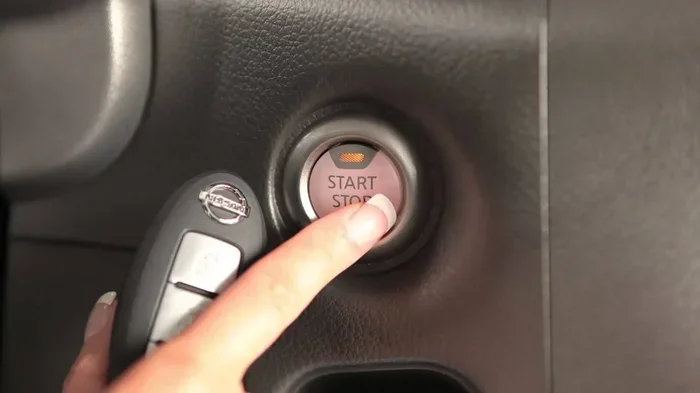
- You insert the key or press the start button.
- The immobilizer module sends a request for identification.
- The key chip responds with its unique code.
- The ECU compares the code to its database.
- If matched, the engine starts. If not, it stays locked.
This whole process happens in milliseconds. It is invisible to the driver most of the time. But when something goes wrong, that invisible system becomes very visible indeed.
Signs Your Nissan Immobilizer Is Acting Up
Common Symptoms of Immobilizer Problems
Knowing the warning signs can save you a lot of time and frustration. Here are the most common symptoms of a malfunctioning immobilizer:
- The Nissan dashboard shows a flashing security light.
- The engine cranks but will not start.
- The key fob stops being recognized by the car.
- You get a “key not detected” message on the display.
- The car starts sometimes but fails randomly at other times.
- The security light stays on even after the engine is running.
If you notice any of these signs, your immobilizer system is likely the cause. Before you panic, try using a spare key. Sometimes the issue is simply a dead battery in the key fob. But if the spare key also fails, you may need to explore a Nissan immobilizer bypass.
Why Immobilizer Problems Happen
Several factors can trigger immobilizer issues. The most common causes include a worn-out transponder chip, a faulty antenna ring around the ignition lock, a glitch in the ECU software, or water damage to the immobilizer module. In older Nissans, the wiring harness can corrode over time, causing intermittent signal loss. Understanding the root cause helps you choose the right bypass method.
Methods to Bypass the Nissan Immobilizer
Method 1: Using a Spare Key
The simplest and safest way to deal with an immobilizer issue is to use a spare key. Every Nissan comes with at least two keys when you purchase the vehicle. If your primary key fails, the spare key may still have a working transponder chip.
Here is what to do:
- Try the spare key in the ignition.
- Turn it to the “On” position and wait a few seconds.
- Check if the security light stops flashing.
- If the light goes off, try starting the engine.
If the spare key works, you have your answer. The problem lies with the original key, not the immobilizer system itself. You can then get the original key reprogrammed or replaced at a Nissan dealership or a qualified locksmith.
Method 2: Reprogramming the Transponder Key
Sometimes the key’s transponder chip loses its programming. This can happen after a battery replacement, a minor electrical issue, or simply from wear and tear. Key programming resets the communication between the key and the car’s ECU.
You have a few options for reprogramming:
- Dealer Programming: Visit a Nissan dealer. They have the official tools and software to reprogram your key. This is the most reliable method but can be expensive.
- Locksmith Programming: A certified automotive locksmith often offers the same service at a lower cost.
- DIY Programming: Some Nissan models allow self-programming. Check your Nissan product manual for step-by-step instructions specific to your model year.
Reprogramming is a great middle-ground solution. It fixes the root cause without permanently altering the car’s security system. If you want to learn more about how to read diagnostic codes that might be related to immobilizer issues, you can check out our guide on how to read ABS codes without a scanner for useful diagnostic tips.
Method 3: Installing a Bypass Module
A bypass module is a small device that tricks the immobilizer into thinking the correct key is present. This is the most popular bypass method among car enthusiasts and mechanics. The module is installed inline with the wiring harness between the key antenna and the ECU.
Here is a general overview of the process:
- Locate the immobilizer antenna ring around the ignition lock cylinder.
- Disconnect the antenna wiring carefully.
- Install the bypass module in line with the antenna cable.
- Connect the module according to the manufacturer’s instructions.
- Reconnect the antenna and test the system.
Bypass modules are widely available online and at auto parts stores. They typically cost between $30 and $150 depending on the brand and compatibility. Make sure to buy one that is specifically designed for your Nissan model and year. Popular brands include Ghost, Crimestopper, and Avital.
Important note: Installing a bypass module requires some basic knowledge of car wiring. If you are not comfortable working with electrical connections, consider hiring a professional. A bad connection can cause electrical problems that cost far more to fix.
Method 4: Using Professional Diagnostic Tools
Modern Nissan vehicles use advanced computer systems that require professional-grade tools to diagnose and fix. A mechanic or specialist can connect a diagnostic scanner to the OBD-II port and read any error codes stored in the ECU. This method is especially useful when the immobilizer issue is caused by a software glitch or a sensor malfunction.
Here is what a professional diagnostic session typically involves:
- The technician connects a Nissan-specific diagnostic tool to the OBD-II port.
- The tool reads the fault codes stored in the ECU memory.
- The technician interprets the codes and identifies the root cause.
- A repair or reprogramming procedure is performed to fix the issue.
This is the most thorough approach because it addresses the actual problem rather than just working around it. If you are curious about how diagnostic tools work for other car systems, you might find our article on reading ABS codes without a scanner helpful for understanding the basics of car diagnostics.
Step-by-Step Guide: Bypassing the Immobilizer
What You Will Need
Before you begin any bypass procedure, gather the right tools and materials. Here is a checklist to help you prepare:
- A working spare key (if available)
- The correct bypass module for your Nissan model
- A basic wiring toolkit (wire strippers, electrical tape, connectors)
- A diagnostic scanner (optional but recommended)
- Your Nissan service manual or a reliable online guide for your specific model
- Good lighting and a clean, well-ventilated workspace
Having everything ready before you start will make the process smoother and safer. Rushing into a repair without the right tools often leads to mistakes and additional costs.
The Bypass Process Step by Step
Once you have your tools ready, follow these steps carefully:
- Disconnect the battery: Always start by disconnecting the negative terminal. This prevents electrical shorts and protects both you and your car.
- Locate the immobilizer antenna: It is usually a small coil of wire around the ignition lock cylinder. Refer to your service manual for the exact location.
- Access the wiring: You may need to remove panels or trim pieces to reach the antenna wiring. Use plastic trim tools to avoid damaging the clips.
- Install the bypass module: Splice the module into the antenna wire following the manufacturer’s diagram. Use heat-shrink connectors for a secure and clean connection.
- Reconnect the battery: Once the module is installed, reconnect the negative terminal.
- Test the system: Insert your key and try to start the engine. If the security light stops flashing and the engine starts, the bypass is working.
Take your time with each step. If something does not feel right, stop and double-check your connections. There is no rush when it comes to working on your car’s electrical system.
Important Warnings and Legal Considerations
Is It Legal to Bypass Your Immobilizer?
The legality of bypassing an immobilizer depends on your situation and your location. If you own the vehicle and the immobilizer is malfunctioning, bypassing it for repair purposes is generally legal. However, bypassing an immobilizer on a vehicle you do not own, or with the intent to steal a car, is illegal in most jurisdictions.
If you are concerned about whether a vehicle you are considering might be stolen, you should check if a vehicle is stolen for free using online databases and VIN lookup tools. This is a smart precaution before purchasing any used car, especially one with immobilizer issues.
Risks of Bypassing the Immobilizer
While bypassing a Nissan immobilizer can solve your immediate problem, there are real risks to consider:
- Voided Warranty: Modifying the immobilizer system may void your Nissan’s factory warranty.
- Increased Theft Risk: A bypassed immobilizer makes the vehicle easier to steal. This is something to consider carefully, especially if you park on the street.
- Insurance Issues: Some insurance companies may refuse to cover theft claims if the immobilizer has been bypassed or removed.
- Electrical Damage: Incorrect wiring during a bypass can damage the ECU or other electrical components, leading to expensive repairs.
Weigh these risks carefully before proceeding. If you are unsure, consult a qualified mechanic or a Nissan specialist. They can advise you on the safest approach for your specific situation.
Preventing Immobilizer Problems in the Future
The best way to deal with a Nissan immobilizer problem is to prevent one from happening in the first place. Here are some simple habits that can keep your immobilizer system in good shape:
- Replace the key fob battery regularly: Most Nissan key fobs use a CR2032 battery. Replace it every two to three years, or as soon as you notice the range decreasing.
- Keep the key away from strong magnetic fields: Magnets can interfere with the transponder chip’s programming. Do not leave your key near large speakers or magnetic mounts for extended periods.
- Avoid exposing the key to water: Water damage is a leading cause of immobilizer problems. If your key gets wet, dry it thoroughly before using it.
- Have the system checked during routine maintenance: Ask your mechanic to inspect the immobilizer antenna and wiring during regular service visits.
- Store a spare key safely: Always keep a backup key in a safe place at home. This saves you from being stranded if your primary key fails.
These small steps can save you a lot of trouble down the road. A little prevention goes a long way when it comes to your car’s security system.
When to Seek Professional Help
Not every immobilizer problem is suitable for a DIY fix. You should seek professional help if:
- The bypass module does not resolve the issue.
- You see multiple warning lights on the Nissan dashboard.
- The car starts but runs rough or stalls immediately.
- You are uncomfortable working with electrical wiring.
- The dealer or locksmith recommends professional service.
A qualified Nissan technician has the training, tools, and experience to diagnose and fix immobilizer problems correctly. Attempting a complex repair without the right skills can turn a small problem into a big expense. When in doubt, trust the professionals.
Conclusion
Dealing with a Nissan immobilizer that will not let you start the car is a stressful experience. But as we have covered in this guide, there are several practical solutions available. From using a spare key and reprogramming the transponder to installing a bypass module or seeking professional diagnostics, you have options. The key is to identify the root cause, choose the right bypass method, and proceed carefully. Always keep safety and legal considerations in mind, and do not hesitate to call a professional when the job is beyond your comfort level. With the right knowledge and approach, you can get your Nissan running and back on the road in no time.
Frequently Asked Questions
Can I bypass the Nissan immobilizer without any tools?
In some cases, yes. If the issue is a dead key fob battery or a programming glitch, using a spare key or replacing the battery may solve the problem without any special tools. However, for more serious immobilizer failures, you will likely need at least a basic wiring toolkit and a bypass module.
Is it safe to drive with a bypassed immobilizer?
Driving with a bypassed immobilizer is physically safe for the vehicle, but it does increase the risk of theft. The immobilizer is a security feature, and bypassing it removes that protection. If you choose to bypass the system, consider installing additional security measures like an alarm or steering wheel lock.
How much does it cost to bypass a Nissan immobilizer?
The cost varies depending on the method you choose. A spare key typically costs $200 to $500 at a dealer. A bypass module costs $30 to $150 for the part, plus labor if you hire someone. Professional diagnostic service usually ranges from $100 to $300 depending on the complexity of the issue.
Will bypassing the immobilizer void my Nissan warranty?
It can. Any modifications to the electrical or security system may void the factory warranty. Before attempting any bypass, check with your dealer or review your warranty terms. Some dealers may allow the repair if it is done through authorized channels.
How do I know if my Nissan key transponder is bad?
The most common sign is the security light flashing on the dashboard and the engine refusing to start. Try a spare key first. If the spare key works, the original key’s transponder is likely the problem. A locksmith or dealer can test the transponder chip and confirm whether it needs replacement or reprogramming.
Can a dead key fob battery cause the immobilizer to engage?
Yes, absolutely. When the key fob battery dies, the transponder chip cannot send its identification signal to the car. The ECU then treats the key as unauthorized and activates the immobilizer. Replacing the battery in your key fob is often the simplest fix for a no-start condition caused by the immobilizer.
=== CONCLUSION ===
Bypassing a Nissan immobilizer does not have to be overwhelming. With the right knowledge, the correct tools, and a patient approach, you can resolve the issue and get your car running again. Remember to always prioritize safety, consider the legal and insurance implications, and seek professional help when needed. Use the tips and methods in this guide to tackle your immobilizer problem with confidence.