How to Change Transmission Fluid in Your 2018 Honda Civic
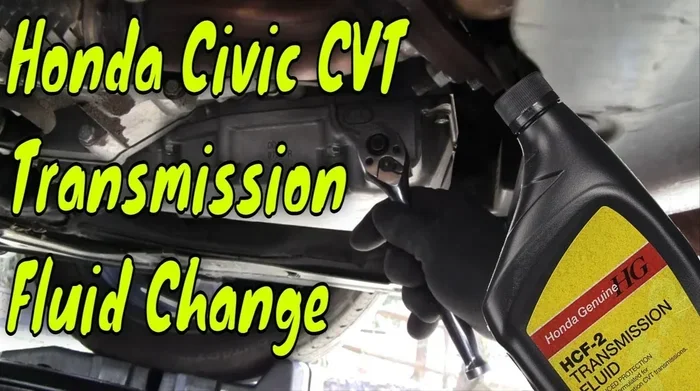
Changing the transmission fluid in your 2018 Honda Civic is a straightforward DIY job that keeps your car running smoothly. This guide covers everything from the right fluid type to the exact step-by-step process. You will save money, learn essential maintenance skills, and keep your Honda’s transmission in top shape for years to come.
Changing the transmission fluid in your 2018 Honda Civic might sound intimidating, but it is one of the easiest maintenance tasks you can do at home. Whether you are a complete beginner or a weekend wrench-turner, this guide walks you through every single step. You will learn which fluid to use, what tools you need, and how to complete the job in under an hour.
Keeping your Honda Civic maintenance on track is one of the smartest things you can do for your car. Fresh transmission fluid keeps the gears shifting smoothly and protects the internal components from wear. Skipping this service can lead to costly repairs down the road. Let us dive into the full process so you can tackle this job with confidence.
The 2018 Honda Civic uses a CVT transmission (Continuously Variable Transmission) in most trims. This type of transmission relies heavily on clean fluid to operate properly. Over time, the fluid breaks down and loses its lubricating properties. Replacing it on schedule ensures your transmission stays healthy and your Civic drives like new. Below, we cover everything you need to know from start to finish.
Key Takeaways
- Use Honda DW-1 fluid: The 2018 Civic requires Honda DW-1 transmission fluid for peak performance.
- DIY saves big: Doing it yourself costs under $50, while a shop charges $150-$300.
- Change every 30,000 miles: Honda recommends a transmission fluid change interval of around 30,000 miles for optimal transmission health.
- Drain and fill method works: The 2018 Civic uses a drain and fill approach, not a full flush.
- Check for leaks afterward: Always inspect the drain plug area after refilling to prevent fluid loss.
- Warm the fluid first: Running the car for a few minutes helps the old fluid drain more completely.
📑 Table of Contents
- Why Changing Transmission Fluid Matters
- Tools and Materials You Will Need
- Step-by-Step Guide to Changing Transmission Fluid
- How Much Does It Cost to Change Transmission Fluid?
- Common Mistakes to Avoid
- How Often Should You Change Your Transmission Fluid?
- Can You Do a Full Transmission Flush Instead?
- Signs Your 2018 Honda Civic Needs a Transmission Fluid Change
- Final Thoughts
Why Changing Transmission Fluid Matters
Your Honda’s transmission is one of the most expensive components to replace. Fresh fluid keeps everything lubricated and cool inside the transmission housing. Old, dirty fluid causes extra friction, which leads to overheating and premature wear. This is especially important for the CVT system found in the 2018 Civic.
Many car owners ignore their transmission fluid check until something goes wrong. By then, the damage may already be done. Regular fluid changes are a small price to pay compared to a full transmission rebuild. Think of it like changing the oil in your engine, but for the gearbox.
One thing to keep in mind is that Honda transmission fluid breaks down faster than some other brands. Honda recommends a fluid change interval of about 30,000 miles for the Civic. If you drive in hot climates or tow anything, you may want to do it even sooner. Staying on top of this simple task can extend the life of your transmission by tens of thousands of miles.
The Role of Transmission Fluid
Transmission fluid does more than just lubricate. It also acts as a coolant, a hydraulic medium, and a cleaning agent inside the transmission. Here is what it does:
- Lubricates gears: Reduces friction between moving parts inside the gearbox.
- Cools the transmission: Carries heat away from internal components.
- Provides hydraulic pressure: Helps the transmission shift gears smoothly.
- Cleans internal surfaces: Suspends metal particles and debris so they do not clog passages.
When the fluid gets old, it loses its ability to do all of these jobs effectively. The color changes from bright red to dark brown or even black. If you ever check your fluid and it smells burnt, that is a clear sign it is time for a change.
Tools and Materials You Will Need
Before you start, gather everything you need. Having all the tools ready makes the job much smoother and faster. Here is your complete shopping list.
Required Tools
- 17mm socket and ratchet wrench
- Transmission fluid catch pan (minimum 2-quart capacity)
- Funnel (a narrow-neck funnel works best)
- Jack and jack stands or ramps
- Torque wrench
- Clean rags or paper towels
- Gloves and safety glasses
Required Materials
- Honda DW-1 transmission fluid (approximately 2.5 quarts)
- New drain plug washer (copper or aluminum)
- New fill bolt washer if needed
Make sure you buy the correct fluid. Using the wrong transmission fluid type can damage your CVT transmission. Honda DW-1 is the only fluid Honda recommends for the 2018 Civic. You can find it at most auto parts stores or order it online. The fluid typically costs around $20 to $30 for a bottle.
Quick Tip: Do not use universal ATF or any generic transmission fluid. The CVT in your Civic needs the specific viscosity and additives found in Honda DW-1. Using the wrong fluid can void your warranty and cause shifting problems.
Step-by-Step Guide to Changing Transmission Fluid
Now for the part you have been waiting for. Follow these steps carefully, and you will have fresh transmission fluid in your Civic in no time.
Step 1: Warm Up the Vehicle
Start your car and let it idle for about 5 minutes. This warms up the transmission fluid and makes it flow more easily. Warm fluid drains out much better than cold fluid. However, do not let the car get too hot. You want it warm to the touch, not scorching.
Put the car in park and apply the parking brake. This keeps the car safe while you work underneath it. If you are using ramps, drive up them slowly and make sure the car is centered.
Step 2: Lift the Vehicle Safely
Use a jack to lift the front of the car and secure it with jack stands. Never work under a car supported only by a jack. If you have ramps, driving up them is the easiest and safest option. Make sure the car is on a level surface before you begin.
Once the car is secure, locate the transmission drain plug underneath the vehicle. On the 2018 Honda Civic, the drain plug is on the passenger side of the transmission housing. It is a 17mm bolt that you can remove with your socket and ratchet.
Step 3: Drain the Old Fluid
Place your catch pan directly under the drain plug. Using your 17mm socket, slowly loosen the drain plug. The old fluid will start flowing out immediately. Let it drain completely, which usually takes about 5 to 10 minutes.
While the fluid is draining, take a moment to inspect the drain plug and the washer. If the washer looks worn or damaged, replace it with a new one. A fresh washer ensures a tight seal when you re-install the plug.
Step 4: Remove the Fill Bolt
Once the fluid has stopped dripping, it is time to remove the fill bolt. The fill bolt is located on the side of the transmission, above the drain plug. It also uses a 17mm socket. Removing the fill bolt allows air to enter the transmission, which helps the new fluid flow in more easily.
Pro Tip: Keep track of the fill bolt washer. If it is damaged, replace it before reinstalling. A proper seal prevents fluid leaks.
Step 5: Reinstall the Drain Plug
With the fill bolt removed, reinstall the drain plug and tighten it to the proper torque specification. For the 2018 Honda Civic, the drain plug torque is around 29 foot-pounds. Use your torque wrench to get it right. Over-tightening can strip the threads, and under-tightening can cause leaks.
Make sure the drain plug washer is fresh and seated properly before tightening.
Step 6: Add New Transmission Fluid
Now comes the filling part. Place your funnel into the fill hole from above. Slowly pour in the Honda DW-1 fluid. The 2018 Civic transmission fluid capacity is approximately 2.5 quarts for a drain and fill procedure.
Go slowly and check the fluid level as you go. You do not want to overfill the transmission. Overfilling can cause pressure buildup and lead to leaks or shifting issues. Pour about 2 quarts first, then check the level using the fill bolt hole.
To check the level, insert your finger into the fill hole. You should feel fluid right at the bottom of the hole. If it is not there yet, add a little more. Once the fluid reaches the fill hole, reinstall the fill bolt and tighten it to the proper torque.
Step 7: Run the Car and Check for Leaks
Start the car and let it idle for a few minutes. Shift through all the gears (P, R, N, D) and then back to P. This circulates the new fluid throughout the transmission. Keep an eye on the fluid level and top off if needed.
Now get underneath the car and check the drain plug and fill bolt for any leaks. Wipe the area clean with a rag and run the car for a few more minutes. If you see any drips, tighten the bolts a little more or replace the washers.
Quick Tip: Take your Civic for a short test drive after the fluid change. Pay attention to how the gears shift. Smooth, crisp shifts mean everything is working correctly. If you notice any hesitation or slipping, check the fluid level again.
How Much Does It Cost to Change Transmission Fluid?
One of the best reasons to do this yourself is the cost savings. When you visit a shop like Jiffy Lube or a Honda dealership, you will pay significantly more for the same job. Here is a quick cost comparison.
| Method | Cost Range | What Is Included |
|---|---|---|
| DIY at Home | $30 – $50 | Fluid and new washers only |
| Jiffy Lube | $100 – $150 | Fluid, filter, and service |
| Honda Dealership | $150 – $300 | OEM fluid, full service, and inspection |
| Independent Mechanic | $100 – $200 | Fluid, filter, and labor |
As you can see, doing it yourself saves you a significant amount of money. The entire process takes about 30 to 45 minutes, and the only real cost is the fluid and a new washer. If you have the tools already, the job costs you under $50.
That said, if you are not comfortable working underneath your car, there is nothing wrong with paying a professional. The important thing is that the fluid gets changed on schedule. You can also check with Jiffy Lube to see if they offer transmission fluid changes for Honda Civics.
Common Mistakes to Avoid
Even simple jobs can go wrong if you are not careful. Here are the most common mistakes people make when changing transmission fluid in a 2018 Honda Civic.
- Using the wrong fluid type: Never substitute generic ATF for Honda DW-1. The CVT transmission has very specific fluid requirements.
- Overfilling the transmission: Too much fluid causes pressure buildup. This can lead to leaks, seal damage, and poor shifting.
- Skipping the washer: The drain plug washer creates a proper seal. Reusing an old washer increases the risk of leaks.
- Not tightening to the correct torque: Both the drain plug and fill bolt need to be torqued to spec. Use a torque wrench every time.
- Forgetting to warm up the fluid: Cold fluid does not drain as well, and you may leave old fluid behind in the transmission.
- Ignoring leaks after the service: Always check for leaks before driving the car. A small drip today can become a big problem tomorrow.
Avoiding these mistakes ensures a clean, successful fluid change every time. Take your time and do not rush the process.
How Often Should You Change Your Transmission Fluid?
Honda recommends changing the transmission fluid in the 2018 Civic every 30,000 miles under normal driving conditions. However, if you drive in severe conditions, you may need to do it more often. Severe conditions include:
- Driving in very hot or very cold climates
- Stop-and-go traffic on a daily basis
- Towing or carrying heavy loads
- Short trips where the engine does not fully warm up
If any of these apply to you, consider shortening the interval to 20,000 miles. Staying proactive with your Honda Civic maintenance schedule saves you from expensive transmission repairs later.
You can also monitor the condition of your fluid between changes. Pull the fill bolt and check the color and smell of the fluid. Bright red and smelling slightly sweet means the fluid is still good. Dark brown or black with a burnt smell means it is time for a change, regardless of the mileage.
Can You Do a Full Transmission Flush Instead?
Some people prefer a full transmission flush over a simple drain and fill. A flush removes all the old fluid from the transmission, including the torque converter and internal passages. A drain and fill only replaces the fluid in the transmission housing.
For the 2018 Honda Civic, Honda does not recommend a full flush. The drain and fill method is the approved service procedure. A flush can sometimes dislodge debris that may clog transmission passages. If you are unsure which method is best, stick with the drain and fill approach recommended by Honda.
If you want a deeper clean, you can do two drain and fill services back to back. This replaces more fluid without the risks associated with a full flush. Simply drain and fill the transmission, drive the car for a few days, and then repeat the process.
Signs Your 2018 Honda Civic Needs a Transmission Fluid Change
Even if you follow the maintenance schedule, there are times when the fluid needs attention sooner. Watch for these warning signs:
- Rough or jerky shifts: Smooth shifting should be the norm in your Civic. If the car hesitates or jerks between gears, the fluid may be degraded.
- Slipping gears: If the transmission seems to slip out of gear or fail to hold a gear, old fluid could be the cause.
- Delayed engagement: A delay when shifting from Park to Drive or Reverse is a red flag.
- Unusual noises: Grinding or whining sounds from the transmission area often indicate low or dirty fluid.
- Overheating: Transmission fluid helps keep the gearbox cool. If the transmission is overheating, the fluid may be past its prime. Overheating can also be caused by other issues, so check your how to prevent a car from overheating in summer guide for additional cooling tips.
- Dark or burnt-smelling fluid: This is the most obvious sign. Fresh Honda transmission fluid is red and smells slightly sweet.
If you notice any of these symptoms, check your fluid level and condition right away. Changing the fluid is a quick fix that can often resolve these issues before they become serious problems.
Final Thoughts
Changing the transmission fluid in your 2018 Honda Civic is one of the most rewarding DIY maintenance jobs you can do. It saves you money, keeps your car running smoothly, and gives you a better understanding of your vehicle. With the right fluid, the correct tools, and a little patience, you can complete the entire job in under an hour.
Remember to always use Honda DW-1 fluid, tighten the drain and fill bolts to the proper torque, and check for leaks after the service. Stay on top of the 30,000-mile change interval, and your transmission will reward you with years of reliable performance.
If you are ever unsure about any part of the process, consult your 2018 Honda Civic owner’s manual or speak with a certified Honda technician. And if you want to learn more about keeping your Honda running strong, check out our guide on does replacing a transmission extend the life of a car for more expert insights on transmission longevity.
Take care of your Civic today, and it will take care of you tomorrow. Happy wrenching!
Frequently Asked Questions
What type of transmission fluid does the 2018 Honda Civic use?
The 2018 Honda Civic requires Honda DW-1 transmission fluid. This is a proprietary fluid designed specifically for Honda CVT transmissions. Using any other fluid type can cause shifting problems and may void your warranty. Always check the owner’s manual or the fluid cap under the hood to confirm the correct type.
How often should I change the transmission fluid in my 2018 Honda Civic?
Honda recommends changing the transmission fluid every 30,000 miles under normal driving conditions. If you drive in severe conditions such as extreme heat, heavy traffic, or tow frequently, consider shortening the interval to 20,000 miles. Regular fluid changes are one of the best ways to protect your transmission and extend its lifespan.
Can I use a transmission flush machine instead of a drain and fill?
Honda does not recommend a full transmission flush for the 2018 Civic. The manufacturer specifies a drain and fill procedure. A flush machine can sometimes dislodge debris and push it into sensitive transmission passages, which may cause blockages. Stick with the drain and fill method for a safe and effective fluid change.
How much transmission fluid does a 2018 Honda Civic hold?
The 2018 Honda Civic transmission fluid capacity is approximately 2.5 quarts for a drain and fill procedure. It is always a good idea to have a little extra fluid on hand. Pour the fluid slowly and check the level frequently to avoid overfilling the transmission.
How do I check the transmission fluid level in my 2018 Honda Civic?
The 2018 Civic does not have a traditional transmission fluid dipstick. Instead, you check the level through the fill bolt hole on the side of the transmission. After warming up the car and shifting through all gears, remove the fill bolt and insert your finger. Fluid should be present right at the bottom of the hole. If not, add more fluid gradually.
Is it hard to change the transmission fluid on a 2018 Honda Civic at home?
Not at all. The drain and fill process is straightforward and requires only basic tools like a 17mm socket, a ratchet, and a torque wrench. Most people complete the job in 30 to 45 minutes. If you have never done it before, watch a few video tutorials first and make sure you have all the materials ready before starting.