How to Jump Start a Nissan Rogue Using Jumper Cables
Jump starting a Nissan Rogue is a simple process that anyone can learn with the right tools and precautions. Whether your battery died in a parking lot or on a cold morning, this guide walks you through every step to get your Rogue back on the road. We cover what you need, how to connect the cables correctly, and common mistakes to avoid.
There is nothing worse than turning the key and hearing nothing but a faint click. Your Nissan Rogue won’t start, and you are stuck. A dead battery happens to everyone at some point. The good news is that jump starting a Nissan Rogue is straightforward and takes just a few minutes. You do not need to be a mechanic to do it. With the right tools and a little know-how, you can get back on the road quickly and safely.
This guide walks you through every single step. We explain what tools you need, where to find the battery in your Rogue, and how to connect the cables the right way. We also share safety tips that will protect you and your vehicle. Whether you are a complete beginner or just need a refresher, this article has you covered. Let us get into it.
Key Takeaways
- You need jumper cables and a working vehicle to successfully jump start a Nissan Rogue.
- Connecting cables in the correct order is critical for safety and to avoid electrical damage.
- Never skip safety precautions like wearing gloves and keeping sparks away from the battery.
- A portable jump starter is a great alternative if you don’t have another vehicle nearby.
- Regular battery maintenance helps prevent unexpected failures and extends battery life.
- Knowing the battery location in your Rogue saves time and confusion during an emergency.
- If jump starting fails multiple times, the battery may need replacement rather than recharging.
📑 Table of Contents
- What You Need to Jump Start a Nissan Rogue
- Where Is the Battery in a Nissan Rogue
- Step-by-Step Guide to Jump Starting Your Nissan Rogue
- Safety Tips When Using Jumper Cables
- Common Mistakes to Avoid When Jump Starting
- How to Know If Your Nissan Rogue Battery Needs Replacement
- Alternative Methods to Start a Nissan Rogue With a Dead Battery
- Frequently Asked Questions About Jump Starting a Nissan Rogue
- Final Thoughts
What You Need to Jump Start a Nissan Rogue
Before you start, gather everything you need. Having the right tools makes the process smooth and safe. You do not want to be standing in a parking lot looking for a missing cable.
Jumper Cables
Jumper cables are the most important tool for this job. They come in different lengths and thicknesses. Look for cables that are at least 12 feet long. Thicker cables with a lower gauge number carry more power. A 4-gauge or 6-gauge cable works great for most situations. Make sure the clamps are clean and free of rust. Dirty clamps can reduce the connection and make things harder.
A Working Vehicle
You need another vehicle with a healthy battery. The other car does not need to be the same model. Any car with a 12-volt battery will work. Park the two vehicles close together but do not let them touch. Turn off both engines before you begin connecting anything.
Safety Gear
Wear rubber gloves and safety glasses if you have them. The battery produces acidic fumes, and sparks can fly during the connection process. A pair of latex gloves is better than nothing. Keep a cloth or towel nearby to cover the battery if needed.
Optional: Portable Jump Starter
If you do not have access to another vehicle, a portable jump starter is a lifesaver. These small devices fit in your trunk and work just like jumper cables. They are especially useful if your Rogue sits unused for long periods. Some models even include USB ports to charge your phone.
Where Is the Battery in a Nissan Rogue
Knowing where your battery is saves you time and frustration. In most Nissan Rogue models, the battery sits in the engine bay on the driver’s side. However, some newer models have the battery located in the trunk or under the rear seat. Check your owner’s manual to confirm the exact location.
Before you open the hood, make sure the ignition is off and all accessories are turned off. This includes the radio, lights, and phone chargers. You want to reduce the electrical load while you work. If you are unfamiliar with opening the hood, you can check out how to open an exterior bonnet for a quick walkthrough.
Once you locate the battery, inspect it visually. Look for cracks, leaks, or heavy corrosion on the terminals. If the battery looks damaged, do not attempt to jump start it. Call for roadside assistance instead. A damaged battery can be dangerous and may need professional replacement.
Step-by-Step Guide to Jump Starting Your Nissan Rogue
Now comes the main part. Follow these steps carefully and in the correct order. Skipping a step or connecting cables out of order can damage your electrical system.
Step 1: Position the Vehicles
Park the working vehicle close to the front of your Nissan Rogue. The vehicles should face each other or sit side by side. Make sure both cars are in park or neutral with the parking brakes engaged. Turn off the engines and all electrical accessories in both vehicles.
Step 2: Identify the Terminals
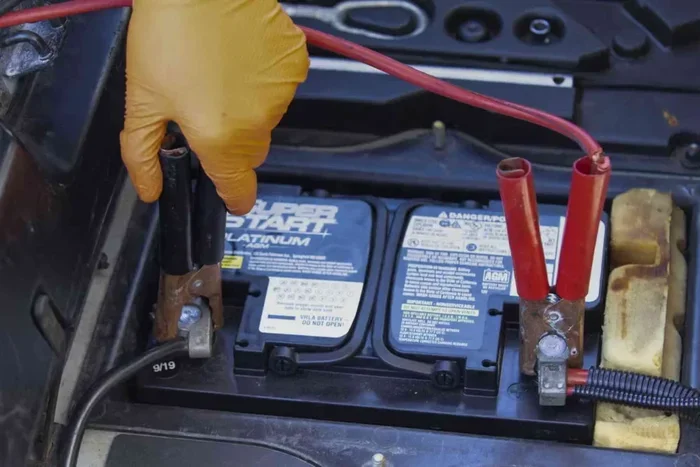
Open the hood and locate the battery. You will see two terminals. The positive terminal is marked with a plus sign (+) and usually has a red cover or red cable. The negative terminal is marked with a minus sign (-) and typically has a black cover or black cable. Clean any corrosion off the terminals with a wire brush or a dry cloth if needed.
Step 3: Connect the Red Cable to the Dead Battery
Take the red jumper cable and attach one clamp to the positive terminal of your dead Nissan Rogue battery. Make sure the clamp grips the metal post tightly. Do not let the other end of the red cable touch any metal surface on the car.
Step 4: Connect the Red Cable to the Working Battery
Attach the other red clamp to the positive terminal of the working vehicle’s battery. Again, make sure the connection is tight and secure.
Step 5: Connect the Black Cable to the Working Battery
Take the black jumper cable and connect one clamp to the negative terminal of the working vehicle’s battery. This is the second-to-last connection you make.
Step 6: Connect the Black Cable to an Unpainted Metal Surface
Instead of connecting the last black clamp directly to the dead battery, attach it to an unpainted metal surface on the Nissan Rogue’s engine block. This is called a ground connection. It reduces the risk of sparks near the battery, where hydrogen gas could ignite. Never connect the final black clamp to the negative terminal of the dead battery unless absolutely necessary.
Step 7: Start the Working Vehicle
Start the engine of the working vehicle and let it idle for about two to three minutes. This allows the working battery to send power through the cables to your dead battery. Rev the engine slightly to increase the charge flow.
Step 8: Try Starting the Nissan Rogue
Now turn the key or press the start button on your Nissan Rogue. If the engine turns over and starts, let it run for at least 15 minutes. This helps recharge the battery. If it does not start on the first try, wait a minute and try again. Do not attempt more than three or four starts in a row, as this can strain the starter motor.
Step 9: Disconnect the Cables in Reverse Order
Once your Nissan Rogue is running, disconnect the cables in the reverse order you connected them. Start with the black clamp from the unpainted metal surface. Then remove the black clamp from the working battery. Next, remove the red clamp from the working battery. Finally, remove the red clamp from your Rogue’s battery. Do not let the clamps touch each other or any metal surface while they are still connected to a battery.
Step 10: Let Your Rogue Run
Keep your Nissan Rogue running for at least 20 to 30 minutes after a jump start. This gives the alternator time to recharge the battery fully. If you turn the engine off too soon, the battery may not hold enough charge to start the car again.
Safety Tips When Using Jumper Cables
Safety should always come first when working with car batteries. A few simple precautions can prevent injuries and vehicle damage.
- Never smoke near a battery. The hydrogen gas released by batteries is highly flammable.
- Check the voltage of both batteries. Both vehicles should have 12-volt batteries. A higher voltage can damage the electrical system.
- Do not let the cable clamps touch each other. This creates a short circuit and can melt the cables or cause sparks.
- Wear eye protection. Battery acid can splash, and sparks can cause burns.
- Follow the owner’s manual for your Nissan Rogue. Some models have specific jump-starting procedures that differ slightly from the general method.
- Keep children and pets away from the area. Batteries can be hazardous if mishandled.
If you ever feel unsure about any step, it is perfectly fine to call a roadside assistance service. There is no shame in asking for help. A professional can get you going in minutes without any risk of mistakes.
Common Mistakes to Avoid When Jump Starting
Even experienced car owners make mistakes during jump starts. Knowing what to avoid can save you time, money, and frustration.
Connecting Cables in the Wrong Order
The most common error is connecting the cables in the wrong sequence. Always follow the order: red to dead positive, red to live positive, black to live negative, black to unpainted metal. Reversing this order can fry your vehicle’s computer system.
Letting the Clamps Touch
Allowing the red and black clamps to touch each other after being connected to a battery creates a dangerous short circuit. Keep the clamps separated at all times until they are properly connected.
Ignoring a Flickering Dashboard
If your dashboard lights flicker when you try to start the Rogue, the battery may not be receiving a proper charge. Check all cable connections and make sure they are tight. Loose connections are a leading cause of failed jump starts.
Assuming the Battery Is the Only Problem
Sometimes a car will not start even after a successful jump. This could mean the alternator is failing or the starter motor is worn out. If you need to jump start your Rogue frequently, have a mechanic inspect the entire electrical system.
Turning Off the Engine Too Soon
Many people turn off the engine right after the Rogue starts. This is a big mistake. The battery needs time to recharge through the alternator. Give it at least 20 minutes of driving before you shut it off.
How to Know If Your Nissan Rogue Battery Needs Replacement
Jump starting gets you going temporarily, but it does not fix a dying battery. How do you know when it is time for a new one?
Watch for these warning signs:
- Your battery is more than three to five years old. Most car batteries last about four years on average.
- The engine cranks slowly when you turn the key. A weak battery takes longer to turn the engine over.
- The dashboard battery light stays on. This indicates a charging problem or a failing battery.
- You need jump starts frequently. If this happens more than once a month, your battery is on its way out.
- The battery case looks swollen or cracked. Physical damage means the battery needs immediate replacement.
- There is a rotten egg smell coming from the engine bay. This signals a leaking battery that must be replaced right away.
You can also test your battery with a multimeter. A healthy battery should read 12.6 volts or higher when the engine is off. If it reads below 12.0 volts, it is time for a replacement. Many auto parts stores offer free battery testing, which is a quick and easy way to check your battery health.
Alternative Methods to Start a Nissan Rogue With a Dead Battery
Jumper cables are not the only way to start a car with a dead battery. Here are a few alternatives worth knowing about.
Portable Jump Starter
A portable jump starter is a compact device you keep in your trunk. It works just like jumper cables but does not require another vehicle. Simply connect the clamps to your battery, turn on the device, and start your Rogue. These devices are affordable and easy to use. They are especially helpful for people who park far from other cars.
Battery Charger
If you have access to a wall outlet, a battery charger can slowly recharge your dead battery over several hours. This method is gentler on the battery and can extend its life. However, it requires patience and access to a power source.
Push Start (Manual Transmission Only)
If your Nissan Rogue has a manual transmission, you can push start it. Get the car rolling to about 5 to 10 miles per hour, then release the clutch quickly while turning the key. This method works in emergencies but is not recommended for automatic transmission vehicles.
Roadside Assistance
When in doubt, call roadside assistance. Services like AAA or your insurance provider’s roadside package can send a professional to help you. They carry the right equipment and know-how to handle any situation safely.
If you are new to driving or car maintenance, knowing basic skills like jump starting can save you a lot of stress. Learning how to drive a car for beginners includes understanding what to do when things go wrong on the road.
Frequently Asked Questions About Jump Starting a Nissan Rogue
Can I Jump Start a Nissan Rogue With a Hybrid Battery?
Some Nissan Rogue models are hybrids with both a 12-volt battery and a high-voltage hybrid battery. You can only jump start the 12-volt battery using standard jumper cables. Never attempt to jump start the high-voltage hybrid battery. If you are unsure which type of battery your Rogue has, check whether you can jump start a hybrid battery for general guidance that applies to similar hybrid systems.
How Long Should I Let My Nissan Rogue Run After a Jump Start?
Let your Rogue run for at least 20 to 30 minutes after a jump start. This gives the alternator enough time to recharge the battery. If you turn the engine off too soon, you may need another jump shortly after.
Can a Bad Alternator Cause a Dead Battery?
Yes. The alternator charges the battery while the engine runs. If the alternator is failing, the battery will not recharge properly and will eventually die. If you find yourself needing frequent jump starts, have your alternator tested by a mechanic.
What Happens If You Connect the Jumper Cables Wrong?
Connecting cables in the wrong order can cause a short circuit, blow fuses, or damage the vehicle’s computer system. In rare cases, it can cause the battery to explode. Always follow the correct connection order carefully and double-check before starting either engine.
Do I Need to Replace My Battery After a Jump Start?
Not necessarily. A single jump start does not mean your battery is dead forever. If the battery was simply drained from leaving lights on, it should recharge fine. However, if the battery is old or damaged, replacement may be the best long-term solution.
Is It Safe to Jump Start in the Rain?
Yes, it is generally safe as long as you take proper precautions. Keep the cables and clamps as dry as possible. Do not let water pool around the battery area. If there is heavy rain or lightning, it is safer to wait or call for roadside assistance.
Final Thoughts
Knowing how to jump start a Nissan Rogue is one of the most valuable skills any car owner can have. It saves you time, money, and the hassle of waiting for help. With a pair of jumper cables, a working vehicle, and the steps outlined in this guide, you can handle a dead battery like a pro.
Always remember to follow the safety tips. Never rush the process, and double-check every connection before you start either engine. Keep your cables clean and stored properly in your trunk so they are ready when you need them most.
Regular battery maintenance goes a long way toward preventing unexpected failures. Check your battery terminals for corrosion, keep the battery clean, and have it tested at least once a year. These small habits can save you from a lot of trouble down the road.
Whether you are dealing with a dead battery for the first time or the tenth time, the process stays the same. Stay calm, follow the steps, and your Nissan Rogue will be running again in no time. Safe driving, and keep those jumper cables handy.