How to File a Car Insurance Claim and Get Paid Fast
Filing a car insurance claim doesn’t have to be stressful. This guide walks you through every step of the car insurance claim process, from documenting damage to getting your claim payout quickly. You will learn how to avoid common mistakes, speed up approval, and ensure you receive the money you deserve.
Getting into a car accident or dealing with vehicle damage is never fun. But knowing exactly how to handle the aftermath can make a huge difference. If you have car insurance, filing a claim is your path to getting things fixed without draining your savings. The process might feel overwhelming at first, but it becomes much simpler once you know what to expect.
This guide breaks down the entire car insurance claim process in plain language. We will walk you through each insurance claim step, share practical tips, and show you how to get paid fast. Whether you are dealing with a fender bender, a stolen vehicle, or weather damage, this article has you covered.
By the time you finish reading, you will feel confident about filing your own auto insurance claim. You will know exactly what documents you need, how to talk to your insurer, and how to avoid the mistakes that delay payouts. Let us dive right in.
Key Takeaways
- Act Fast: Report your incident to your insurer as soon as possible to avoid delays in your car insurance claim processing.
- Document Everything: Photos, videos, police reports, and witness statements are essential for a smooth insurance claim steps journey.
- Know Your Coverage: Understanding your car insurance coverage helps you file the right type of claim and avoid surprises.
- Avoid Common Mistakes: Missing paperwork, delayed reporting, and unclear descriptions can slow down or deny your claim settlement.
- Follow Up Consistently: Staying proactive with your insurance adjuster keeps your claim approval timeline on track.
📑 Table of Contents
Understand Your Car Insurance Policy Before Filing
Before you file anything, take a moment to understand what your policy actually covers. Every car insurance policy is different, and knowing your coverage saves you from frustration later. Not all policies cover the same events, and the details matter a lot when it comes time to get paid.
Types of Car Insurance Coverage
Most auto insurance policies include several types of coverage. Here is a quick look at the most common ones:
- Liability Coverage: Pays for damage or injuries you cause to others. This is usually required by law.
- Collision Coverage: Covers damage to your car from a crash, regardless of who is at fault.
- Comprehensive Coverage: Covers non-collision events like theft, vandalism, flooding, or hail damage.
- Personal Injury Protection (PIP): Covers medical expenses for you and your passengers after an accident.
- Uninsured Motorist Coverage: Protects you if the other driver has no insurance or insufficient coverage.
If you are unsure about what your plan includes, check your policy documents or call your insurer. A quick call can save you a lot of confusion when you are ready to file a claim. Some drivers also wonder whether certain types of insurance affect their taxes. For example, you might ask, can you claim car insurance on taxes? The answer depends on your situation, and it is worth looking into before you finalize any paperwork.
What Your Policy Does Not Cover
It is equally important to know what is not covered. Most standard policies do not cover normal wear and tear, mechanical failures, or damage from racing. If you drive for ride-sharing services like Uber or Lyft, your personal policy likely will not cover you during those trips unless you have a specific endorsement. Always read the fine print so you are not caught off guard.
Step-by-Step Process to File a Car Insurance Claim
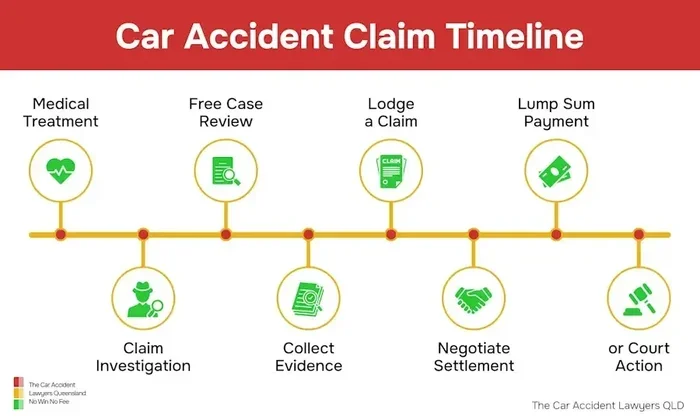
Now that you understand your coverage, let us walk through the actual process of filing a claim. Each step is designed to protect you and speed up your claim settlement. Follow these in order, and you will be in great shape.
Step 1: Ensure Safety and Secure the Scene
Your first priority after any incident is safety. Move to a safe location if you can. Turn on your hazard lights. If anyone is injured, call emergency services immediately. Do not move vehicles unless it is safe to do so and you have already documented the scene.
Once everyone is safe, take a deep breath. Your next job is to gather information. Write down the other driver’s name, phone number, license plate, and insurance details. If there are witnesses, ask for their contact information too. These small actions make a big difference later.
Step 2: Contact Your Insurance Company Right Away
Time matters when it comes to filing a car insurance claim. Most policies require you to report incidents within a specific window, often 24 to 72 hours. The sooner you reach out, the better your chances of a smooth process.
You can usually file a claim by phone, online portal, or mobile app. Have your policy number ready. Be ready to describe what happened in simple, clear terms. Do not admit fault or speculate about what went wrong. Just stick to the facts. Your insurer will investigate and determine responsibility.
Some drivers ask whether they need to have an active policy before getting a quote. If you are shopping around, you might wonder, can I get a car insurance quote without a car? The answer is yes, in many cases, but for filing a claim, you need an active policy in place.
Step 3: Gather and Submit All Required Documentation
This is where most people slow things down. Your insurer will need proof to process your car damage claim. Make sure you have the following ready:
- Photos of all damage from multiple angles
- A copy of the police report, if applicable
- Witness contact information
- Repair estimates from approved shops
- Medical records, if anyone was injured
- Your policy documents and identification
The more complete your submission, the faster your claim approval will come through. Missing documents are the number one reason for delays. Take the time to organize everything before you send it in.
Step 4: Work With Your Insurance Adjuster
Once your claim is filed, your insurer will assign you an insurance adjuster. This person evaluates the damage and determines how much your insurer will pay. They may contact you for additional information or to schedule an inspection of your vehicle.
Be honest and cooperative during this process. Provide exactly what is asked for. Do not exaggerate or downplay the damage. The adjuster’s job is to assess the facts, and your cooperation helps things move along smoothly.
Step 5: Follow Up and Receive Your Payout
After the adjuster completes their assessment, your insurer will issue a claim settlement. This is the amount they are willing to pay toward repairs or replacement. Review the offer carefully. If you believe it is too low, you have the right to dispute it with additional evidence.
Once you accept the settlement, your insurer will issue a check or direct deposit. The timeline varies, but most companies aim to resolve claims within 30 to 60 days. Staying proactive with follow-ups keeps things moving in the right direction.
Common Mistakes That Delay or Deny Your Claim
Many people make avoidable mistakes when filing a car insurance claim. These errors can cost you time, money, or even result in a denial. Here are the most common pitfalls to watch out for.
Delaying the Report
One of the biggest mistakes is waiting too long to report an incident. Insurers expect prompt notification. Even if you are not sure you want to file, it is better to report early and decide later. Delaying can give your insurer a reason to deny your claim payout.
Failing to Document Properly
Without solid documentation, your claim has no foundation. Some drivers skip photos or forget to get witness statements. Others rely on memory instead of written records. Always document the scene thoroughly. Your future self will thank you.
Admitting Fault or Making Assumptions
Never admit fault at the scene or in your initial claim statement. Let the insurer determine who is responsible. Similarly, do not assume you are not covered for something without checking your policy first. Many drivers do not realize they have comprehensive claim protection for events like theft or weather damage.
Choosing an Unapproved Repair Shop
Some policies require you to use specific repair shops or get prior approval before starting work. Going rogue can result in a lower payout or a denied claim. Always check with your insurer before handing over your keys.
How to Speed Up Your Car Insurance Claim Process
Nobody wants to wait for a claim payout. The good news is that there are real things you can do to speed up the process. Here are proven strategies that work.
File Electronically
Most insurers now offer online or mobile claim filing. This is faster than calling or visiting an office. Electronic submissions are processed more quickly and give you a digital paper trail for everything you send.
Be Responsive
When your adjuster reaches out, respond quickly. Every hour you wait creates a delay. Keep your phone nearby and check your email regularly. Quick responses show your insurer that you are organized and serious about resolving the claim.
Get Multiple Repair Estimates
Having more than one repair estimate strengthens your case. It shows the insurance adjuster that your repair costs are reasonable and backed by professional opinions. This can lead to a faster and fairer claim settlement.
Keep a Claim Diary
Maintain a simple log of every interaction related to your claim. Note dates, times, names, and what was discussed. This record keeps you organized and provides evidence if disputes arise later.
What Happens After You File a Claim
Filing is only the beginning. Understanding what happens next helps you set realistic expectations and stay patient during the process.
The Investigation Phase
Your insurer will investigate the incident. This may involve reviewing police reports, inspecting your vehicle, and interviewing witnesses. For theft claims, you might need to verify the incident through reports like checking whether your vehicle is stolen for free through official channels. The investigation phase typically takes one to three weeks, depending on the complexity of the case.
The Determination Phase
Once the investigation is complete, your insurer will make a determination. They will either approve the claim, offer a partial settlement, or deny it. If approved, they will provide a settlement amount based on your coverage limits and the extent of the damage.
Receiving Your Payment
After you accept the settlement offer, your insurer will issue payment. The method varies, but most companies send a check directly to you or to the repair shop. Some also offer direct deposit. Payment typically arrives within a few business days of acceptance.
If your claim involves a vehicle that is still financed or leased, the check may go to both you and the lender. This ensures the repair gets paid for properly. Always confirm the payment process with your adjuster before closing the claim.
When to Consider Getting Legal Help
Most claims resolve without any legal involvement. However, there are situations where hiring a lawyer makes sense. If your claim is denied unfairly, if the settlement offer is significantly below your repair costs, or if you suffered serious injuries, a legal professional can help protect your rights.
Many personal injury attorneys offer free consultations. This means you can explore your options without any financial risk. If you feel stuck or overwhelmed, reaching out to a lawyer is a smart move, not a desperate one.
Final Thoughts
Filing a car insurance claim is a process, not a single event. It takes patience, organization, and a willingness to follow through. By understanding your policy, documenting everything, and staying proactive, you position yourself for the best possible outcome.
Remember to act quickly, communicate clearly, and never skip steps. The more prepared you are, the faster you will get paid. Your car insurance claim is there to protect you, and now you have the knowledge to use it effectively. Take a deep breath, follow the steps in this guide, and trust the process. You have got this.
Frequently Asked Questions
How long does it take to file a car insurance claim?
Filing a claim itself usually takes less than 30 minutes if you have all your documents ready. You can file online, by phone, or through a mobile app. The full process from filing to payout typically takes between 30 and 60 days, depending on the complexity of your case.
What happens if my car insurance claim is denied?
A denied claim means your insurer will not pay for the damages. Common reasons include insufficient coverage, missed deadlines, or lack of documentation. You have the right to appeal the decision by providing additional evidence or requesting a formal review from your insurer.
Do I need to pay a deductible when filing a claim?
Yes, most collision claims and some comprehensive claims require you to pay a deductible first. Your deductible is the amount you agree to pay out of pocket before your insurance kicks in. The deductible amount varies based on your policy terms.
Can I file a claim if I was not at fault?
Absolutely. Filing a claim when you are not at fault is often the best course of action. Your insurer can pursue the other party’s insurance through a process called subrogation, which can help you get your deductible refunded and your repairs covered without increasing your rates.
Will filing a claim raise my insurance rates?
It depends on your situation. Not-at-fault claims usually do not affect your rates. However, at-fault claims or multiple claims within a short period can lead to premium increases. Check with your insurer to understand how a specific claim might impact your policy.
What is the difference between a first-party and third-party claim?
A first-party claim is filed with your own insurance company for your own damages. A third-party claim is filed against the other driver’s insurance when they are at fault. Understanding this difference helps you choose the right path and speeds up the claim settlement process.