Can a Toyota Hybrid Be Charged at Home or Anywhere
Yes, you can charge a Toyota Hybrid, but how you do it depends on the model. Standard Toyota Hybrids like the regular Prius recharge themselves through regenerative braking and do not need a plug. However, plug-in hybrids like the Toyota Prius Prime and RAV4 Prime can be charged at home using a regular outlet or a dedicated charging station. This guide walks you through every charging option, cost, and myth so you know exactly what to expect.
Can a Toyota Hybrid be charged? The short answer is yes. But the full answer is a lot more interesting than you might think. Toyota has built some of the most popular hybrid vehicles on the road today. Millions of drivers trust Toyota hybrids for their reliability, fuel efficiency, and low maintenance costs. But when it comes to charging, many people are confused about how it actually works.
Some Toyota Hybrids charge themselves. Others need you to plug them in. And a few can do both. Understanding the difference matters a lot. It affects how you fuel your car, what it costs, and how far you can drive on electric power alone. This guide breaks it all down in plain language. Whether you own a Toyota Prius, a RAV4 Hybrid, or you are shopping for one, you will find everything you need right here.
We will cover how Toyota hybrid charging works, what options you have at home, what public charging looks like, and what to expect from plug-in hybrid models. We will also tackle the most common myths and mistakes. By the end, you will know exactly how to charge your Toyota Hybrid and how to get the most out of it.
Key Takeaways
- Standard Toyota Hybrids self-charge: You never need to plug them in. They use regenerative braking and the gasoline engine to keep the battery topped up.
- Plug-in hybrids need external power: Models like the Prius Prime and RAV4 Prime let you plug in at home or at public stations for extended electric-only driving.
- Home charging is simple and affordable: A standard 120V outlet works for Level 1 charging, while a 240V outlet or Level 2 charger speeds things up significantly.
- Charging costs are much lower than gas: Charging a plug-in hybrid at home typically costs just a few dollars per full charge.
- You cannot overcharge your Toyota Hybrid battery: The built-in battery management system handles everything automatically.
- Public charging stations work for plug-in models: Many Toyota plug-in hybrids are compatible with standard Level 2 public chargers.
- Regular maintenance extends battery life: Simple habits like avoiding extreme temperatures and not letting the battery drain completely help your hybrid battery last longer.
📑 Table of Contents
How Toyota Hybrid Charging Works
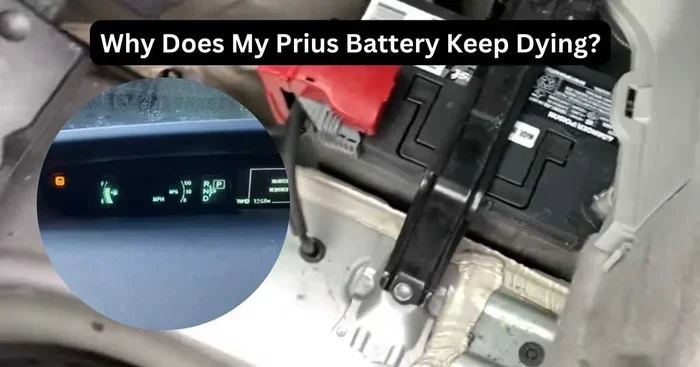
Before we dive into where and how to charge, let us understand what is happening under the hood. Toyota hybrid vehicles use a combination of a gasoline engine and an electric motor. The electric motor gets its power from a battery pack. This battery pack is different from the regular 12-volt battery that starts your car. It is a much larger, high-voltage battery designed to power the electric motor.
Regenerative Braking: The Self-Charging Magic
Here is the cool part. Standard Toyota Hybrids do not need you to plug them in at all. They charge themselves while you drive. This process is called regenerative braking. When you take your foot off the accelerator or press the brake pedal, the electric motor switches roles. It becomes a generator. It captures energy that would normally be lost as heat during braking. That energy gets sent back to the hybrid battery pack and stored for later use.
This means your Toyota Hybrid is always replenishing its own power. You never have to think about finding a charging station. You never have to plan your trips around charging stops. The car handles everything automatically. This is one of the biggest reasons Toyota hybrids have become so popular. They offer the fuel savings of electric driving without the hassle of plugging in.
The Role of the Gasoline Engine
The gasoline engine also plays a role in keeping the hybrid battery charged. During normal driving, the engine can generate extra energy. Some of that energy goes to the wheels. Some of it goes to the electric motor and battery. The onboard computer manages this balance seamlessly. You barely notice it happening. It all feels smooth and natural behind the wheel.
So if standard Toyota Hybrids self-charge, why do plug-in hybrids exist? That brings us to our next section.
Can You Charge a Toyota Hybrid at Home?
Yes, you can charge a Toyota Hybrid at home, but only if you own a plug-in hybrid model. Standard hybrids do not have a charging port. Plug-in hybrids, on the other hand, come with a charging port usually located near the front fender or the rear bumper. This port lets you connect the car to an external power source.
Level 1 Charging: The Standard Outlet
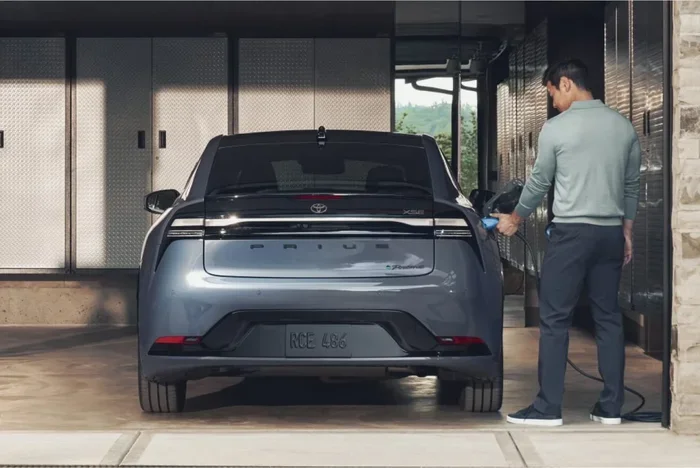
The simplest way to charge a Toyota plug-in hybrid at home is with a standard 120-volt household outlet. This is called Level 1 charging. You get the charging cord that comes with the car. You plug it into any regular wall outlet. That is it. No special equipment is needed.
Level 1 charging is slow. It typically adds about 3 to 5 miles of electric range per hour. If you plug in your car overnight, you can expect a decent charge by morning. For most daily commutes, this is plenty. The average American drives about 30 to 40 miles per day. A fully charged plug-in hybrid can cover that distance on electric power alone in many models.
One thing to keep in mind. You should use a dedicated circuit for Level 1 charging. Do not plug your hybrid into an outlet that is already powering other devices. This prevents overheating and ensures a safe, steady charge. If you are unsure about your home electrical setup, consult a licensed electrician.
Level 2 Charging: Faster and More Convenient
If you want faster charging, a Level 2 charger is the way to go. This requires a 240-volt outlet, similar to what a clothes dryer uses. You can have a Level 2 outlet installed in your garage or driveway by an electrician. The cost of installation varies, but it typically ranges from $200 to $800 depending on your home’s electrical panel and wiring needs.
Level 2 charging is significantly faster. It can fully charge a Toyota plug-in hybrid in about 2 to 4 hours. That means you can plug in when you get home from work and have a full battery ready the next morning. Some Toyota dealers and third-party companies also offer home charging installation services. They can help you choose the right equipment and handle the setup.
Many Toyota plug-in hybrid owners find that Level 2 charging completely changes their driving experience. They rarely use gasoline for short trips. The car runs on electric power for the daily commute, grocery runs, and school drop-offs. The gasoline engine only kicks in for longer trips. This is where the real fuel savings come from.
How Much Does Home Charging Cost?
Home charging is incredibly affordable. The average cost of electricity in the United States is around $0.13 to $0.15 per kilowatt-hour. A full charge on a Toyota plug-in hybrid typically uses about 8 to 12 kilowatt-hours. That means a complete charge costs roughly $1 to $2. Compare that to filling up a gas tank, and the savings add up fast over weeks and months.
Some utility companies offer special electric vehicle charging rates. These off-peak rates can make home charging even cheaper. Check with your electricity provider to see if they have a time-of-use plan that benefits EV and hybrid owners.
Public Charging Options for Toyota Hybrids
While home charging is the most convenient option, you can also charge your Toyota plug-in hybrid at public charging stations. This is especially useful for longer trips or when you do not have access to home charging.
Where to Find Public Chargers
Public charging stations are becoming more common every year. You can find them at shopping centers, parking garages, hotels, and workplace parking lots. Apps like PlugShare, ChargePoint, and the Toyota app help you locate nearby charging stations. These apps also show you whether the charger is available and what type of connector it uses.
Most Toyota plug-in hybrids use the J1772 connector for Level 2 charging. This is the standard connector for most public charging stations in North America. It fits nearly all public Level 2 chargers you will encounter. So finding a compatible station is usually not a problem.
Charging Speeds at Public Stations
Public Level 2 chargers typically deliver power at 240 volts. This is the same speed as a home Level 2 charger. You can expect to gain about 12 to 25 miles of electric range per hour of charging, depending on the specific Toyota model and charger output.
Some public stations also offer DC fast charging. However, most Toyota plug-in hybrids do not support DC fast charging. They are designed for Level 1 and Level 2 charging. This is an important distinction to keep in mind. If you are planning a road trip, make sure you factor in the slower charging speeds.
Charging on the Go
One of the best things about owning a Toyota plug-in hybrid is flexibility. You can charge at home for your daily driving. And you can top up at public stations when you are out and about. Even a 30-minute charge at a public station can add enough range for your afternoon errands. Think of public charging as a bonus, not a necessity. Most plug-in hybrid owners charge at home and rarely rely on public stations.
If you are considering a Toyota hybrid and want to learn more about long-term ownership, check out our article on how long a hybrid can sit without being driven. It covers important storage and maintenance tips.
Toyota Plug-In Hybrid vs. Standard Hybrid
Not all Toyota hybrids are created equal when it comes to charging. Understanding the difference between a standard hybrid and a plug-in hybrid is essential before you make a purchase decision.
Standard Toyota Hybrids
Standard Toyota Hybrids include models like the regular Prius, the Camry Hybrid, and the RAV4 Hybrid (non-plug-in). These vehicles do not have a charging port. They rely entirely on regenerative braking and the gasoline engine to maintain battery charge. You never plug them in. You never think about charging. You just drive and refuel at the gas station like any other car.
The trade-off is that standard hybrids have a smaller electric-only range. Most can only run on electric power for a mile or two at low speeds. After that, the gasoline engine kicks in. But the fuel economy is still excellent. Standard hybrids often deliver 40 to 50 miles per gallon in combined driving. That is a huge improvement over comparable gas-only vehicles.
Toyota Plug-In Hybrids
Plug-in hybrids include the Prius Prime, the RAV4 Prime, and the Prius Prime. These models have larger battery packs and a dedicated charging port. You can plug them in to charge from an external source. When the battery is full, you can drive on electric power alone for 25 to 50+ miles depending on the model.
Once the electric battery is depleted, the car switches to hybrid mode. It works just like a standard hybrid, using the gasoline engine and regenerative braking. This gives you the best of both worlds. Short daily trips on electric power. Long road trips on gasoline. The flexibility is hard to beat.
Which One Is Right for You?
The right choice depends on your driving habits and lifestyle. If you have a short commute and access to home charging, a plug-in hybrid is a fantastic option. You might rarely buy gasoline at all. If you do not have a dedicated parking spot with an outlet, or your commute is very long, a standard hybrid might be the better fit. It gives you great fuel economy without any charging hassle.
If you want to explore more about Toyota hybrid models and their capabilities, you might also find our guide on driving a Toyota hybrid with a bad battery helpful for understanding battery health and performance.
How to Maintain Your Toyota Hybrid Battery
Your hybrid battery is the heart of the system. Taking care of it ensures your Toyota Hybrid runs smoothly for years. The good news is that hybrid batteries are designed to be durable. Many Toyota hybrid owners report battery life well beyond 150,000 or even 200,000 miles. But there are things you can do to maximize longevity.
Avoid Deep Discharges
Try not to let your hybrid battery drain completely on a regular basis. The battery management system is designed to keep the battery within an optimal charge range. But consistently running the battery down to near-empty can stress the cells over time. Plug in your plug-in hybrid whenever you can. For standard hybrids, avoid leaving the car parked for extended periods with a very low battery.
Extreme Temperatures and Battery Health
Extreme heat and extreme cold can affect hybrid battery performance and longevity. In very hot climates, parking in the shade or a garage helps. In very cold climates, the battery may temporarily hold less charge. This is normal and usually resolves once the battery warms up. If you live in an area with harsh winters, let the car warm up for a few minutes before driving aggressively.
Regular Maintenance Checks
Toyota recommends regular maintenance for hybrid vehicles. This includes checking the hybrid battery health during routine service visits. Most Toyota dealerships can run a diagnostic check on the hybrid battery system. They can identify any issues before they become expensive problems. Keeping up with scheduled maintenance is one of the best things you can do for your hybrid.
For more information about Toyota hybrid battery care and what happens when the battery fails, read our article on can you drive a Toyota hybrid with a bad battery. It covers symptoms, solutions, and what to expect.
Common Myths About Toyota Hybrid Charging
There is a lot of misinformation floating around about hybrid charging. Let us clear up some of the most common myths.
Myth 1: You Have to Plug In Every Toyota Hybrid
This is false. Only plug-in hybrid models need to be plugged in. Standard Toyota Hybrids charge themselves. You never need to find an outlet or pay for charging. Just drive and refuel as normal.
Myth 2: Charging Your Hybrid Damages the Battery
This is also false. The battery management system in every Toyota Hybrid is designed to handle charging safely. Whether the battery charges itself through regenerative braking or from an external plug, the system monitors voltage, temperature, and charge levels. It prevents overcharging and undercharging automatically. You do not need to worry about damaging the battery through normal use.
Myth 3: Hybrid Batteries Need to Be Replaced Every Few Years
This myth scares a lot of people away from hybrids. The truth is that Toyota hybrid batteries are built to last. Many last the lifetime of the vehicle. Toyota also offers strong warranty coverage for hybrid batteries. Most come with an 8-year or 100,000-mile warranty, whichever comes first. Some states offer even longer coverage. So the fear of a massive battery replacement bill is largely unfounded.
Myth 4: Public Charging Is Expensive
Public charging costs vary, but it is generally still cheaper than gasoline. Some public charging stations are free, especially at shopping centers and hotels. Others charge a flat fee or a per-kilowatt-hour rate. Even at the higher end, charging a plug-in hybrid at a public station typically costs less than filling up a gas tank. And if you charge mostly at home, your costs will be even lower.
For more insights on driving your Toyota hybrid with confidence, also check out our piece on can I drive a Prius with a dead hybrid battery for real-world advice on battery emergencies.
Frequently Asked Questions
Can I charge my standard Toyota Hybrid at a charging station?
No, standard Toyota Hybrids do not have a charging port. They self-charge through regenerative braking and the gasoline engine. Only plug-in hybrid models like the Prius Prime and RAV4 Prime can be charged at external stations.
How long does it take to charge a Toyota plug-in hybrid at home?
Using a standard 120V outlet (Level 1), it takes about 12 to 18 hours for a full charge. With a 240V Level 2 charger, a full charge typically takes 2 to 4 hours. The exact time depends on your specific model and battery size.
Is it expensive to install a home charger for my Toyota Hybrid?
Level 1 charging costs nothing extra since you use a standard outlet. Level 2 charger installation typically costs between $200 and $800, depending on your home’s electrical setup. Some states and utility companies offer rebates or incentives that can offset the cost.
Can I drive my Toyota Hybrid if the hybrid battery dies?
In most cases, yes. A Toyota Hybrid can still operate on the gasoline engine even if the hybrid battery fails. However, performance and fuel economy will suffer significantly. You should have the vehicle towed to a service center for proper repair.
How far can a Toyota plug-in hybrid go on a full electric charge?
It depends on the model. The Prius Prime can travel up to 44 miles on electric power alone. The RAV4 Prime can go up to 42 miles. The Kia Sportage Hybrid and other models vary. For most daily commuters, this electric range is more than enough.
Do Toyota Hybrid batteries come with a warranty?
Yes. Toyota provides an 8-year or 100,000-mile warranty on hybrid batteries, whichever comes first. Some states, like California, extend this to 10 years or 150,000 miles. This warranty covers defects in materials and workmanship.
Final Thoughts
So, can a Toyota Hybrid be charged? The answer is a clear yes, with some important distinctions. Standard Toyota Hybrids charge themselves and never need a plug. Plug-in hybrids give you the option to charge at home or at public stations for extended electric-only driving. Both types offer excellent fuel economy and a driving experience that is smooth, quiet, and efficient.
Charging a Toyota plug-in hybrid at home is simple, affordable, and incredibly convenient. A standard outlet works in a pinch. A dedicated Level 2 charger makes the experience even better. And public charging stations give you flexibility when you are away from home. The charging infrastructure for hybrids continues to grow every year.
Take care of your hybrid battery, and it will take care of you. Avoid deep discharges, protect the battery from extreme temperatures, and keep up with regular maintenance. These simple habits go a long way toward ensuring your Toyota Hybrid delivers reliable performance for hundreds of thousands of miles.
Whether you are a current Toyota Hybrid owner or you are seriously considering one, understanding how charging works puts you ahead. You will make smarter decisions about your driving habits, your charging routine, and your overall ownership experience. Toyota hybrids represent some of the best value on the market today. And now you know exactly how to keep them charged and ready to go.