Do Toyota Prius Models Hold Their Value Better Than Most
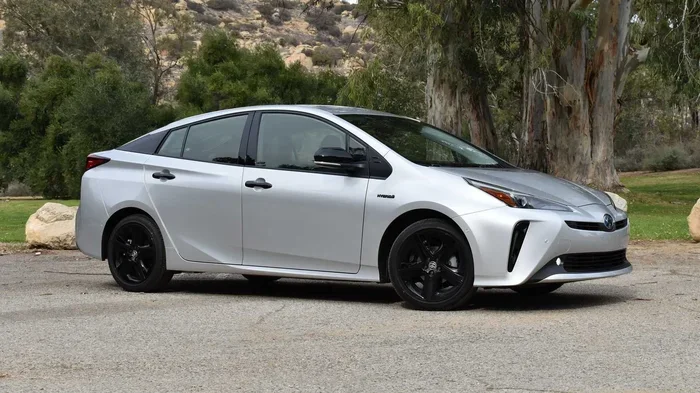
Toyota Prius models tend to hold their value better than most compact cars and even many hybrids. The Prius has built a strong reputation for reliability, fuel efficiency, and low ownership costs. While depreciation is inevitable, the Prius often loses value slower than comparable vehicles, making it a smart choice for buyers who care about long-term savings.
When you buy a car, one of the biggest financial decisions you make is how well it will hold its value over time. Few vehicles spark this conversation quite like the Toyota Prius. This iconic hybrid has been turning heads and saving drivers money at the pump for decades. But does the Toyota Prius hold its value better than most cars on the road?
The short answer is yes. The Toyota Prius has consistently proven itself as one of the strongest performers when it comes to resale value among hybrid vehicles and compact cars alike. Whether you are buying new or shopping the used market, understanding how Prius models depreciate can save you thousands of dollars over the life of your ownership.
In this guide, we will dive deep into the world of Prius value retention. We will look at how different Prius models compare, what factors drive depreciation, and how the Prius stacks up against other popular hybrids. By the end, you will have a clear picture of why this car continues to be one of the smartest buys on the market.
Key Takeaways
- Strong Resale Value: Toyota Prius models consistently outperform many competitors in resale value rankings.
- Reliability Drives Demand: The Prius’s reputation for lasting well over 200,000 miles keeps used prices high.
- Fuel Efficiency Matters: Buyers love the Prius for its exceptional fuel economy, which adds to its used market appeal.
- Hybrid Battery Longevity: Modern Prius batteries can last 200,000+ miles, reducing buyer fears about replacement costs.
- Model Year and Trim Matter: Newer Prius generations and higher trims tend to retain value more effectively.
- Hybrid SUVs Can Compete: While the Prius holds value well, hybrid SUVs also show strong resale trends.
- Maintenance Keeps Value High: Regular service and proper care significantly slow depreciation.
📑 Table of Contents
Why the Toyota Prius Holds Value So Well
The Toyota Prius is not just another fuel-efficient car. It is a vehicle that has shaped the entire hybrid market. Its ability to hold value comes down to a combination of factors that buyers care deeply about.
A Reputation Built on Reliability
Toyota has built one of the most trusted brand names in the automotive world. When people think of a car that lasts, Toyota often comes first. The Prius benefits directly from this trust. Buyers know that a used Prius will likely keep running for many more miles without major issues. This confidence keeps demand strong in the used car market.
Many Prius owners report crossing the 200,000-mile mark with only routine maintenance. Some even push past 300,000 miles. This kind of longevity naturally boosts the car’s resale value. When a buyer sees a well-maintained Prius with high mileage, they still see a vehicle with plenty of life left.
Fuel Efficiency as a Selling Point
Let us be honest. One of the main reasons people buy a Prius is the incredible fuel economy. The Prius regularly delivers 50 miles per gallon or more in combined driving. In a world where gas prices keep fluctuating, that kind of efficiency is gold.
When you shop for a used car, fuel costs are a major factor. A Prius owner saves hundreds of dollars every year compared to someone driving a traditional sedan. This savings potential makes used Prius models very attractive. The cost of ownership stays low, which means the car holds its price better than less efficient alternatives.
Low Maintenance Costs Add Appeal
Here is something many buyers overlook. The Prius is relatively cheap to maintain. Toyota hybrid systems are designed to be durable. Brake pads tend to last longer thanks to regenerative braking. The engine has fewer moving parts than a traditional gasoline engine. All of this adds up to lower repair bills over time.
When a used car buyer sees a Prius, they also see lower future costs. That perception directly impacts how much the car is worth on the resale market. Low maintenance costs are a huge selling point that keeps Prius values strong.
How Different Prius Models Compare
Not all Prius models are created equal when it comes to holding value. Different generations and trims tell different stories. Let us break down how some of the most popular Prius models compare in terms of value retention.
First Generation (NHW10/NHW11) – 1997 to 2003
The original Prius was a groundbreaking vehicle. Today, these early models are rare and collectible. Their value has actually appreciated in some cases. If you find a well-preserved first-generation Prius, it can fetch a surprisingly high price. However, these cars are not practical daily drivers for most people anymore.
Second Generation (NHW20) – 2003 to 2009
The second generation Prius really put Toyota on the map. These models are known for exceptional reliability. A used 2003 to 2009 Prius in good condition still holds a respectable amount of value. Buyers love these cars for their simplicity and proven track record. The hybrid battery technology in this generation has been thoroughly tested and trusted.
Third Generation (NHW30) – 2010 to 2015
The third generation brought a more modern design and improved efficiency. These Prius models are some of the most popular on the used market today. They offer a great balance of fuel economy, practicality, and reliability. The depreciation curve for these models is steady and predictable, which makes them a favorite among budget-conscious buyers.
Fourth Generation (NHW50) – 2016 to Present
The newest Prius designs feature sharper styling and updated technology. These models are still relatively new to the used market, but early data suggests they will hold value very well. Toyota has continued to refine the hybrid powertrain, and the results speak for themselves. The latest Prius models benefit from strong brand loyalty and growing demand for efficient vehicles.
What Affects Prius Resale Value
Several factors influence how well any car holds its value. The Prius is no exception. Understanding these factors can help you make smarter buying and selling decisions.
Mileage and Condition
Mileage is one of the biggest factors in any car’s resale value. But here is the interesting thing about the Prius. Because the hybrid system reduces engine wear, high-mileage Prius models often hold up better than high-mileage gasoline cars. A Prius with 150,000 miles may be in better mechanical shape than a conventional car with 100,000 miles.
Condition matters enormously. A Prius that has been well cared for, with clean interior surfaces and no accident history, will always sell for more. Regular oil changes, tire rotations, and timely repairs all contribute to a higher resale price.
Model Year and Generation
Newer Prius models naturally hold more value than older ones. But there is a sweet spot. Cars that are too new have already taken their biggest depreciation hit. Cars that are too old start to face wear and repair costs that scare off buyers. The sweet spot for Prius value tends to be somewhere in the 3 to 7 year old range.
Market Demand and Trends
The automotive market shifts constantly. During periods of high gas prices, demand for efficient cars like the Prius spikes. This drives up used prices. When gas prices drop, the effect is less pronounced for the Prius because its efficiency remains a strong selling point year-round. Unlike many cars that see value swings based on fuel prices, the Prius has shown remarkable stability.
Hybrid Battery Health
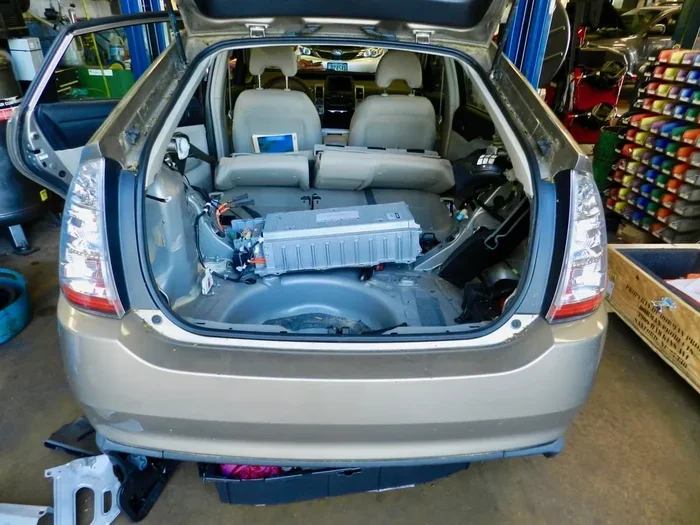
The hybrid battery is one of the biggest concerns for used car buyers. A Prius with a healthy battery commands a premium price. On the other hand, a Prius with a degraded battery can see its value drop significantly. This is why many Prius owners invest in battery maintenance and monitoring. Knowing your battery health before selling can make a big difference in your final price.
Prius vs. Other Hybrids: Value Retention
How does the Prius compare to other hybrid vehicles when it comes to holding value? This is a question many buyers ask before making a purchase. Let us look at how the Prius stacks up against some popular competitors.
Prius vs. Hybrid SUVs
Hybrid SUVs have gained popularity in recent years. Many of these vehicles also show strong value retention. However, the Prius often outperforms hybrid SUVs in percentage terms. This is partly because the Prius costs less upfront, so the dollar amount of depreciation is smaller. A used Toyota hybrid SUV can be a great choice, but the Prius typically offers better value per dollar spent.
If you are curious about how hybrid SUVs compare, you can explore our detailed breakdown of do hybrid SUVs hold their value for a deeper look at the data.
Prius vs. Luxury Hybrids
Luxury brands like Acura also offer hybrid vehicles. The Acura MDX, for example, has shown interesting value retention patterns. However, luxury hybrids often depreciate faster in percentage terms because they start at a much higher price point. The Prius offers a more predictable and stable depreciation curve that benefits the average buyer.
For those interested in comparing the Prius to luxury models, check out our analysis of do Acura Mdx models hold their value to see how the two brands compare.
Prius vs. Traditional Gasoline Cars
When compared to traditional gasoline sedans, the Prius generally holds its value better. Cars like the Toyota Corolla and Honda Civic are reliable, but they do not offer the same fuel savings as the Prius. Over a five-year ownership period, the Prius owner often saves enough on fuel to offset the slightly higher purchase price. This total cost advantage keeps the Prius competitive in the resale market.
Maintenance Tips to Keep Your Prius Valuable
How you care for your Prius directly impacts its resale value. A well-maintained Prius will always sell for more than a neglected one. Here are some practical tips to keep your car in top shape.
Stay on Top of Scheduled Maintenance
Follow Toyota’s recommended maintenance schedule to the letter. This includes oil changes, tire rotations, brake inspections, and fluid replacements. Keeping detailed service records gives buyers confidence and justifies a higher asking price.
Monitor Your Hybrid Battery
The hybrid battery is the heart of the Prius. Keep an eye on its health through your vehicle’s display system. If you notice any warning lights or decreased fuel economy, have the battery checked promptly. Addressing small issues early prevents bigger problems down the road. For more information on Prius battery longevity, you can read about how long a Prius battery can last and what you can do to extend its life.
Keep It Clean Inside and Out
This might sound simple, but appearance matters. A clean interior and well-maintained exterior create a strong first impression. Consider professional detailing before selling. Small cosmetic fixes like fixing a cracked trim piece or touching up a scratch can pay off at sale time.
Address Issues Before Selling
If you know something needs repair, fix it before listing the car. A buyer will negotiate the cost of repairs into the price. It is almost always cheaper to fix something yourself than to accept a lower offer from a buyer. Common areas to check include brakes, tires, and any hybrid system warnings.
Drive It Regularly
This is a tip that surprises many people. A Prius that has been sitting unused for long periods can develop issues. The battery can drain, fluids can settle, and seals can dry out. Regular driving keeps all systems functioning properly and shows buyers that the car has been well used and maintained.
The Bottom Line on Prius Value
The Toyota Prius has earned its reputation as one of the best cars for holding value. Its combination of reliability, fuel efficiency, and low ownership costs makes it a standout in the used car market. Whether you are buying your first Prius or selling one you have owned for years, the numbers support the Prius as a smart financial choice.
While no car holds its value forever, the Prius loses value at a slower rate than most competitors. This means you get more of your money back when it is time to sell or trade in. The growing demand for fuel-efficient and environmentally friendly vehicles only strengthens the Prius’s position in the market.
If you are considering a Prius, do not just look at the sticker price. Think about the total cost of ownership and how much value you will retain over time. The Prius consistently proves that it is a wise investment for practical, forward-thinking buyers.
For those wondering about driving a Prius with hybrid system warnings, we have covered that topic in detail. You can learn more about driving your Prius when it displays a check hybrid system warning and what it means for your vehicle’s health and value.
Frequently Asked Questions
Do Toyota Prius models hold their value better than other hybrids?
Yes, in most cases. The Prius consistently outperforms many other hybrid models in resale value rankings. Its strong reputation for reliability and fuel efficiency keeps demand high in the used car market, which helps preserve its value over time.
How fast does a Toyota Prius depreciate?
Like all cars, the Prius loses value most quickly in the first few years. However, the depreciation rate tends to slow down after the initial drop. A well-maintained Prius can retain around 50 to 60 percent of its original value after five years, which is better than many competitors.
Does the Prius battery affect resale value?
Absolutely. The hybrid battery is one of the biggest factors buyers consider. A healthy battery adds value, while a degraded or failing battery can significantly reduce the car’s worth. Regular monitoring and timely replacement help maintain strong resale prices.
Which Prius model year holds value best?
The third generation Prius (2010 to 2015) is often cited as one of the best for value retention. It balances modern features with proven reliability. Newer models are also showing strong value retention as they enter the used market.
Can you still drive a Prius with a bad hybrid battery?
In some cases, yes. A Prius with a failing battery may still operate in a limited mode using the gasoline engine. However, performance and fuel economy suffer significantly. It is best to address battery issues promptly to maintain the vehicle’s value and drivability.
Is a used Prius a good investment?
For many buyers, yes. The Prius offers low fuel costs, reliable performance, and strong resale value. These factors combine to make it one of the best value propositions in the used car market. Just make sure to get a thorough inspection before buying.
=== CONCLUSION ===
The Toyota Prius continues to prove that fuel efficiency and value retention go hand in hand. From the first generation to the latest models, the Prius has shown time and again that it is a car worth buying and worth keeping. Its strong resale value, low maintenance costs, and impressive fuel economy make it one of the smartest choices in the hybrid segment.
If you are looking for a car that saves you money every single day, the Prius is hard to beat. Whether you are a first-time buyer or a longtime Toyota fan, the Prius delivers on its promise of value. Toyota Prius models hold their value better than most, and that is a fact backed by years of real-world data and owner experiences.