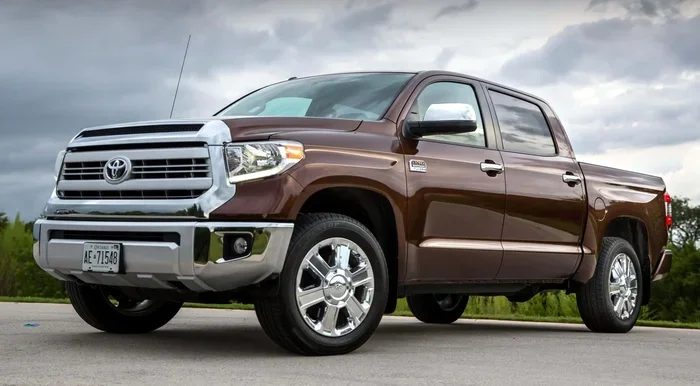
Can a Tundra Last 500K Miles and What Owners Need to Know
The Toyota Tundra is a rugged full-size truck built to endure tough jobs and long roads. Can a Tundra last 500K miles? With proper care, many owners report crossing that milestone. This guide covers what it takes to push a Tundra to 500,000 miles and beyond.
Key Takeaways
- Yes, a Tundra can last 500K miles with regular maintenance and gentle driving.
- Toyota’s reputation for durability gives the Tundra a strong baseline for longevity.
- Common issues like frame rust and transmission wear can shorten lifespan if ignored.
- Following the maintenance schedule is the single biggest factor in reaching high mileage.
- Real-world owners have hit 500K miles using simple, consistent care routines.
- A used Tundra with 200K+ miles can still be a great buy if the service records are solid.
📑 Table of Contents
- Can a Tundra Last 500K Miles? The Short Answer
- What Makes the Toyota Tundra So Durable?
- Common Issues That Can Shorten a Tundra’s Life
- The Maintenance Routine That Gets Tundras to 500K Miles
- Real-World Stories: Tundra Owners Who Reached 500K Miles
- How Does the Tundra Compare to Other Trucks?
- Should You Buy a Used Tundra with High Mileage?
- Key Takeaways for Tundra Owners
Can a Tundra Last 500K Miles? The Short Answer
The short answer is yes. Many Toyota Tundra trucks have crossed the 500,000-mile mark. The question is not just whether the engine can handle it, but whether the whole truck can. With the right care, a Tundra can become a million-mile truck. Owners who treat their Tundra well often see it through decades of use.
Can a Tundra last 500K miles? Absolutely. The Tundra shares many durability traits with other Toyota models. For example, Toyota’s overall reputation for lasting 500,000 miles gives the Tundra a strong foundation. The key is understanding what keeps a Tundra healthy over the long haul.
Truck buyers often ask about longevity before committing. A Tundra is not just a daily driver. It pulls trailers, hauls gear, and endures rough roads. That means its longevity depends on more than just the engine. The frame, suspension, and drivetrain all play a role. This guide breaks down every factor that influences whether a Tundra can hit 500K miles.
What Makes the Toyota Tundra So Durable?
The Tundra’s durability starts with its build. Toyota uses heavy-duty components designed for tough work. The engine, transmission, and frame are all built to handle high stress. But durability also comes from how the truck is maintained.
Engine and Transmission Strength
The Tundra typically comes with a powerful V8 engine. These engines are known for their simplicity and strength. Fewer complex parts mean fewer things to break. The transmissions in newer Tundras are also robust. They handle towing and heavy loads well. With regular fluid changes, the transmission can last well beyond 300,000 miles.
Many owners wonder if the Tundra engine can match the longevity of a Toyota Camry that reaches 500,000 miles. The Camry’s inline-four engine is different, but the principle is the same. Toyota builds engines with longevity in mind. The Tundra’s V8 just has more displacement to handle bigger loads.
Frame and Body Integrity
The Tundra’s frame is a full-size ladder design. It is strong and repairable. Unlike unibody cars, a truck frame can be welded or replaced if damaged. The body panels are steel, which resists minor dents. However, steel can rust if the paint gets compromised. Keeping the undercarriage clean and treated helps the frame last.
Toyota’s Reliability Reputation
Toyota consistently ranks high in reliability surveys. The Tundra benefits from this engineering philosophy. The company designs for long-term use, not just the first few years. This means parts are often available even for older models. A Tundra from 2007 can still get quality replacement parts today.
Common Issues That Can Shorten a Tundra’s Life
No truck is immune to problems. Understanding these issues helps you prevent them. Many high-mileage Tundra failures come from neglected maintenance.
Frame Rust and Undercarriage Decay
Rust is the number one enemy of any truck. The Tundra’s frame can rust from the inside out if mud and moisture sit too long. Owners in northern climates or coastal areas face higher rust risks. Washing the undercarriage regularly is a simple fix. Applying a rust inhibitor every year adds extra protection.
Transmission and Drivetrain Wear
The Tundra’s transmission handles a lot of torque. Over time, the transmission fluid breaks down. If you skip fluid changes, the transmission can fail. A rebuilt transmission costs thousands of dollars. Keeping up with fluid changes is cheap insurance. The drivetrain components like U-joints and axles also wear out. Listen for clunks or vibrations. Catching these early saves big repairs later.
Suspension and Steering Components
The Tundra’s suspension takes a beating on rough roads. Shock absorbers, ball joints, and tie rods wear over time. A truck that tows heavy loads wears suspension parts faster. Replacing these parts on schedule keeps the truck driving smoothly. Ignoring them can lead to uneven tire wear and unsafe handling.
Electrical Gremlins in Older Models
Older Tundras can develop electrical issues. The window regulators, power mirrors, and sensors may fail. These are not engine problems, but they affect daily use. Many electrical fixes are simple and affordable. Staying on top of small electrical issues prevents bigger headaches.
The Maintenance Routine That Gets Tundras to 500K Miles
Maintenance is the backbone of Tundra longevity. A Tundra that skips oil changes will not make it to 500K. The routine is simple but requires consistency.
Oil Changes and Fluid Maintenance
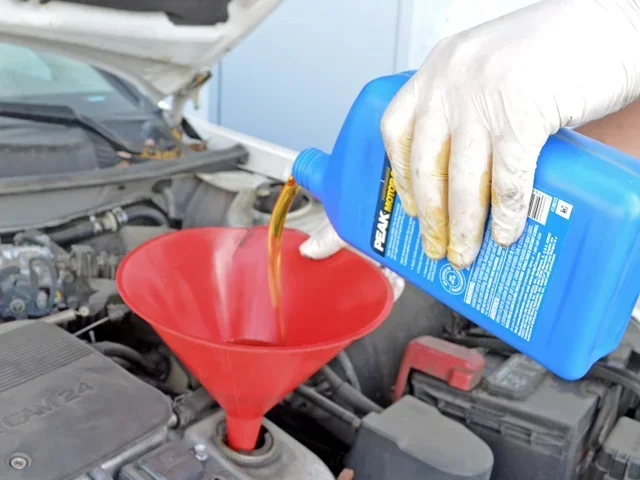
Change the oil every 5,000 to 7,500 miles. Use the grade recommended in the owner’s manual. Synthetic oil can extend intervals slightly. Transmission fluid should be changed every 60,000 miles. Differential fluid also needs regular attention. Coolant and brake fluid should be flushed on schedule.
Timing and Drive Belt Inspections
The Tundra’s engine uses a timing chain, not a belt. Timing chains are durable but can stretch over time. Listen for a rattling noise on startup. Drive belts power the alternator and water pump. Inspect them for cracks and replace them before they break.
Tire and Brake Care
Tires are the only part of the truck that touches the road. Rotate tires every 5,000 miles. Keep them properly inflated. This improves fuel economy and safety. Brake pads and rotors wear with use. Replace them before they grind down to metal. Brake work is much cheaper when caught early.
Quick Tips for Tundra Longevity
- Wash the undercarriage often, especially in winter.
- Keep a maintenance log with every service date.
- Address small noises immediately before they become big repairs.
- Use OEM or high-quality aftermarket parts for replacements.
- Avoid short trips that prevent the engine from fully warming up.
Real-World Stories: Tundra Owners Who Reached 500K Miles
The best proof comes from owners who have lived it. Many Tundra forums feature stories of trucks that have gone well beyond 500K miles. These owners share a common theme: they stayed on top of maintenance.
One owner reported a 2007 Tundra with 520,000 miles. The truck still runs strong with only routine services. Another owner drove a 2010 Tundra to 600,000 miles before selling it. The key was never skipping oil changes and replacing worn parts promptly. These stories show that 500K miles is not a fluke. It is a realistic goal for any Tundra owner.
When considering a used Tundra, check the mileage history. A truck with 200,000 miles on the clock can still have a long life ahead. But you must know what that mileage represents. Is 200K miles too much for a used truck? Not necessarily, if the maintenance records are complete. High mileage on a truck does not automatically mean it is worn out. It depends on how it was driven and cared for.
How Does the Tundra Compare to Other Trucks?
The Tundra faces competition from the Ford F-150, Ram 1500, and Chevrolet Silverado. How does it hold up in the longevity department?
| Truck Model | Engine | Reported Longevity | Common Weakness |
|---|---|---|---|
| Toyota Tundra | V8 | 500K+ miles common | Frame rust, transmission wear |
| Ford F-150 | V6/V8 | 400K+ miles with care | Turbocharger issues on EcoBoost |
| Chevy Silverado | V8 | 400K+ miles | Transmission and electrical problems |
| Ram 1500 | V6/V8 | 350K+ miles | Air suspension and electronics |
The Tundra often leads in longevity surveys. Its simplicity and Toyota’s build quality give it an edge. The Ford F-150 is America’s best-selling truck, and many F-150s also reach high mileage. The Ford F-150 can last a long time too, but the Tundra tends to require fewer major repairs over its life. The Tundra’s reputation for durability is well-earned.
Should You Buy a Used Tundra with High Mileage?
A used Tundra with 200K to 300K miles can be a smart buy. The truck has already gone through its most expensive break-in period. The major components are past their early wear phase. But you must inspect the truck carefully.
Ask for the full service history. A Tundra that was regularly serviced is a safe bet. Look for signs of rust, especially on the frame and rocker panels. Test the transmission for smooth shifting. Check the suspension for worn bushings and shocks. A thorough pre-purchase inspection by a trusted mechanic is worth every dollar.
If the truck has been used for towing or off-roading, expect more wear on the drivetrain and suspension. A Tundra that spent its life hauling hay on a farm may have a different story than one that was driven gently on highways. Both can last 500K miles, but their maintenance needs differ.
Common Mistakes That Shorten a Tundra’s Life
- Skipping oil changes or using the wrong oil grade.
- Ignoring small leaks or unusual noises.
- Neglecting transmission fluid changes.
- Letting rust go untreated.
- Overloading the truck beyond its rated capacity.
- Driving with a cold engine under heavy load.
Expert Insight
Toyota engineers design the Tundra for a service life of at least 300,000 miles. Many Tundras exceed that easily. The secret is not magic—it is consistent, simple maintenance. Owners who follow the factory schedule and address small issues quickly see the best results. A Tundra is a long-term investment. Treat it well, and it will reward you with years of reliable service.
Key Takeaways for Tundra Owners
Owning a Tundra means committing to long-term care. The truck is built to last, but it needs your help. Keep up with oil changes, fluid flushes, and inspections. Protect the frame from rust. Listen to your truck and address problems early. A Tundra can easily surpass 500,000 miles with the right owner.
Whether you are buying a new Tundra or a used one with 100K miles, the goal is the same. Make the truck last. The Tundra’s durability is one of its best qualities. It is a truck that can handle work, family trips, and adventures for decades. With the knowledge in this guide, you are ready to make that happen.
Frequently Asked Questions
Can a Toyota Tundra really last 500,000 miles?
Yes, many Tundra owners have reported crossing 500,000 miles. The Tundra’s V8 engine and robust drivetrain are designed for heavy use. Regular maintenance and gentle driving make this milestone achievable.
What is the average lifespan of a Toyota Tundra?
With proper care, a Tundra can last 250,000 to 500,000 miles or more. The average lifespan depends on driving habits, maintenance schedule, and climate. Owners who follow the factory service intervals see the best results.
Is 200,000 miles a lot for a used Tundra?
200,000 miles is not necessarily too much for a Tundra. Toyota trucks are built to last. A used Tundra with 200K miles can still have many years of service left if it was well-maintained. Always check the service records before buying.
What maintenance is most important for Tundra longevity?
Oil changes, transmission fluid flushes, and rust prevention are the most critical. Keeping the undercarriage clean and addressing small issues early prevents major repairs. A consistent maintenance routine is the key to 500K miles.
Does towing shorten a Tundra’s lifespan?
Towing puts extra stress on the engine, transmission, and suspension. If you tow regularly, you must stay on top of fluid changes and inspections. A Tundra can still last 500K miles with towing, but it requires more attentive care.
How does the Tundra’s reliability compare to the Ford F-150?
The Tundra often ranks higher in long-term reliability surveys. The F-150 is also durable, but it has more complex electronics and turbocharged engines that can add repair costs. Both trucks can reach high mileage, but the Tundra’s simpler design gives it an edge in longevity.
=== CONCLUSION ===
Can a Tundra last 500K miles? The answer is a clear yes. The Toyota Tundra is built with durability and simplicity in mind. Its strong V8 engine, rugged frame, and proven reliability make it a truck that can handle the long haul. But longevity is not automatic. It comes from consistent maintenance, smart driving habits, and prompt attention to small problems.
Owners who wash the undercarriage, change fluids on schedule, and replace worn parts find that their Tundra keeps going strong. The stories of Tundras crossing 500,000 miles are not rare—they are the norm for well-cared-for trucks. Whether you are buying a new Tundra or a used one, the goal is the same. Make the truck last, and it will reward you with years of dependable service.
A Tundra is more than a vehicle. It is a long-term partner for work, family, and adventure. Treat it right, and it will be there for you mile after mile. The road ahead is long, and your Tundra is ready for it.