Do Toyotas Last Longer Than Chevys
Do Toyotas last longer than Chevys? The answer is yes, in most cases. Toyota vehicles tend to outlast their Chevy counterparts thanks to superior engineering, lower maintenance costs, and proven long-term reliability. However, certain Chevy models can still deliver impressive mileage with proper care.
When you are shopping for a new vehicle, one question keeps popping up: do Toyotas last longer than Chevys? It is a debate that has gone on for decades among car owners, mechanics, and auto enthusiasts. Both brands have loyal followings, but when it comes to sheer longevity and dependability, the evidence leans heavily in one direction.
The truth is, Toyota reliability has been well-documented over the years. Studies, consumer reports, and real-world ownership data all point to the same conclusion. Toyotas simply tend to last longer with fewer headaches. That does not mean Chevys are bad vehicles. Chevrolet builds strong trucks and powerful SUVs. But if your top priority is a car that keeps running well into the hundreds of thousands of miles, Toyota has the edge.
In this article, we break down the comparison in detail. You will learn about engine quality, maintenance costs, real-world mileage examples, and which brand offers better long-term value. By the end, you will have a clear picture of what to expect from each brand. Let us dive in.
Key Takeaways
- Toyota Reliability: Toyotas consistently rank among the most reliable brands, with many models easily surpassing 200,000 miles.
- Chevy Durability: Chevrolet trucks and SUVs can also last a long time, but they generally require more frequent repairs.
- Maintenance Costs: Toyotas cost less to maintain over their lifespan compared to most Chevy models.
- Real-World Mileage: Popular Toyota models like the Camry and Highlander routinely hit 300,000+ miles with basic upkeep.
- Resale Value: Toyotas hold their value better than Chevys, making them a smarter long-term investment.
- Engine Quality: Toyota engines are built with longevity in mind, while Chevy engines prioritize performance and power.
- Your Choice Matters: The right brand depends on your budget, driving habits, and what you value most in a vehicle.
📑 Table of Contents
- Understanding Toyota Reliability
- How Chevys Hold Up Over Time
- Toyota vs Chevy: A Head-to-Head Comparison
- Maintenance and Repair Costs
- Real-World Mileage Examples
- Which Brand Should You Choose?
- Quick Tips for Maximizing Vehicle Lifespan
- Common Mistakes That Shorten Vehicle Lifespan
- Expert Insights on Brand Longevity
- Final Thoughts
Understanding Toyota Reliability
Toyota has built a reputation as one of the most reliable car manufacturers in the world. This reputation is not just marketing. It is backed by decades of data and countless satisfied owners. When people talk about long-lasting vehicles, Toyota almost always comes up first.
What Makes Toyotas So Durable?
Several factors contribute to the legendary durability of Toyota vehicles. First, Toyota designs its engines for longevity. The company uses high-quality materials and rigorous testing processes. Every engine is built to withstand years of daily driving without major issues.
Second, Toyota focuses on simplicity. Many of their models use straightforward engineering that is easy to maintain. Fewer complex parts mean fewer things that can break. This is a big reason why Toyota reliability remains so consistent across model lines.
Third, Toyota invests heavily in quality control. Each vehicle goes through extensive inspection before it leaves the factory. This attention to detail reduces the number of defects that reach buyers. The result is a car that starts right, runs smooth, and keeps going mile after mile.
Many Toyota models have proven they can easily cross the 200,000-mile mark. Some even reach 300,000 miles or more with basic maintenance. If you want a vehicle that will serve you for a very long time, Toyota is a strong choice.
How Chevys Hold Up Over Time
Chevrolet is an American icon. The brand has produced some of the most popular trucks and cars in history. Chevy vehicles are known for their power, style, and capability. But how do they hold up when it comes to longevity?
Chevy Truck Longevity
Chevy trucks like the Silverado and Tahoe are workhorses. They are built tough and designed to handle heavy loads. Many owners expect their Chevy trucks to last a long time, and they often do. However, the experience can vary widely depending on the model and how well the truck is maintained.
A Chevy Tahoe can last around 200,000 to 250,000 miles with proper care. Some owners push their trucks well beyond that. But compared to a Toyota Highlander or Camry, the Chevy may need more frequent repairs along the way. Parts can also be more expensive, which adds to the overall cost of ownership.
Chevrolet has made significant improvements in recent years. Newer models are more reliable than older ones. The brand has also invested in better engineering and materials. Still, when you compare long-term dependability, Chevy tends to trail behind Toyota.
Toyota vs Chevy: A Head-to-Head Comparison
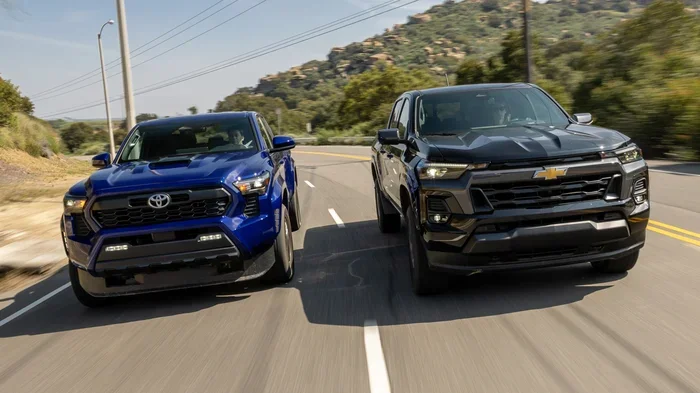
Let us look at the numbers. A side-by-side comparison makes it easier to see where each brand stands. The table below highlights key differences between Toyota and Chevy vehicles in terms of longevity and ownership costs.
- Average Lifespan: Toyota vehicles often last 250,000 to 300,000+ miles. Chevy vehicles typically last 200,000 to 250,000 miles with good care.
- Maintenance Costs: Toyota maintenance costs are generally lower. Chevy repairs can be more expensive, especially for newer models with advanced technology.
- Engine Reliability: Toyota engines are known for lasting well beyond 200,000 miles. Chevy engines are powerful but may need more attention over time.
- Resale Value: Toyotas hold their value significantly better. A 5-year-old Toyota depreciates less than a 5-year-old Chevy.
- Repair Frequency: Toyota owners report fewer trips to the shop. Chevy owners, especially those with older models, tend to visit the mechanic more often.
The data clearly shows that Toyota has an advantage when it comes to long-term ownership. But this does not mean you should rule out Chevy entirely. If you need a powerful truck or a stylish SUV, Chevrolet has great options. Just be prepared for slightly higher maintenance costs over time.
Maintenance and Repair Costs
One of the biggest factors in how long a vehicle lasts is how well it is maintained. And maintenance costs play a huge role in whether owners keep up with regular service. Here is where Toyota really shines.
Toyota parts are widely available and reasonably priced. The company has a massive network of dealerships and independent shops that can service their vehicles. This makes it easy and affordable to keep a Toyota running at its best.
Chevrolet parts can be more expensive, especially for newer models with advanced electronics and computer systems. Older Chevy vehicles are more affordable to maintain, but they may require more frequent repairs. Common issues with aging Chevys include transmission problems, electrical gremlins, and suspension wear.
If you are looking for a vehicle that costs less to own over the long haul, Toyota is the clear winner. Lower repair bills and fewer breakdowns mean less stress and more money in your pocket. This is a major reason why so many buyers choose Toyota when they want a car that lasts.
Real-World Mileage Examples
Theoretical numbers are one thing, but real-world examples tell a much more compelling story. Let us look at some specific models and what actual owners have experienced.
Toyota Models That Go the Distance
The Toyota Camry is one of the most reliable sedans on the road. Many Camry owners report crossing the 300,000-mile mark with only routine maintenance. The Camry longevity is well-documented and widely respected among car buyers.
The Toyota Highlander is another standout. This SUV is built to handle families and road trips for many years. Owners regularly report 250,000+ miles on their Highlanders with no major issues. Are Toyotas good after 200k miles? Absolutely. The Highlander proves it time and again.
Older Toyota models are also remarkably dependable. Even Toyotas from the 1990s and early 2000s continue to run strong today. Are older Toyotas reliable? Yes, they are. This is one of the reasons the used Toyota market is so strong.
Toyota also produces vehicles that can hit extraordinary mileage. Some owners have documented their Toyotas reaching 500,000 miles or more. The brand has a proven track record of building cars that refuse to give up.
Chevy Models and Their Limits
On the Chevy side, the Tahoe is a popular full-size SUV. Many owners get 200,000 to 250,000 miles out of their Tahoe with regular maintenance. However, some owners report needing major repairs around the 150,000-mile mark. Transmission rebuilds and fuel system issues are not uncommon in higher-mileage Chevys.
Chevy trucks like the Silverado are built for heavy-duty use. They can last a long time, but they often require more attention than their Toyota counterparts. Owners who stay on top of maintenance can expect 250,000+ miles from a Silverado, but the journey there may involve more shop visits.
Overall, Chevy vehicles can deliver solid mileage. They just may not match the effortless longevity that Toyota owners enjoy. If you are willing to put in the work and budget for occasional repairs, a Chevy can serve you well for many years.
Which Brand Should You Choose?
So, which brand is right for you? The answer depends on your priorities, budget, and driving needs. Let us break it down.
If you want a vehicle that will last for decades with minimal fuss, go with Toyota. The Toyota reliability is unmatched in the industry. You will spend less time in the shop and more time enjoying your car. Toyota vehicles also hold their value better, which means you get more money back when it is time to sell or trade in.
If you need a powerful truck, a sporty performance vehicle, or a feature-packed SUV with American styling, Chevrolet has a lot to offer. Chevy vehicles are exciting to drive and capable in many situations. Just be aware that long-term ownership costs may be higher than with a Toyota.
For many buyers, the best approach is to test drive both brands. Pay attention to how each vehicle feels, how it handles, and what features matter most to you. Read owner reviews and talk to mechanics in your area. The more research you do, the better decision you will make.
At the end of the day, both Toyota and Chevrolet produce quality vehicles. But if longevity and low ownership costs are your top priorities, Toyota is the clear winner. The brand has earned its reputation through decades of consistent performance and customer satisfaction.
Quick Tips for Maximizing Vehicle Lifespan
No matter which brand you choose, you can take steps to make your vehicle last longer. Follow these simple tips and your car will reward you with years of reliable service.
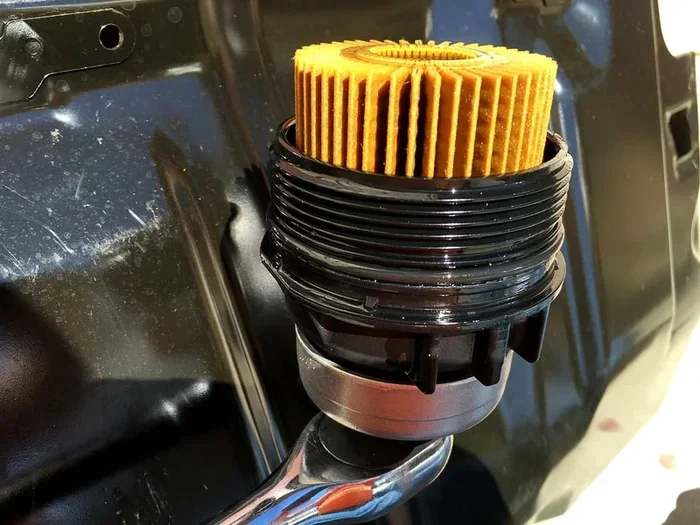
- Change your oil regularly. Stick to the manufacturer’s recommended oil change schedule. Fresh oil keeps your engine running smoothly and prevents premature wear.
- Check your fluids often. Transmission fluid, coolant, and brake fluid all play important roles. Low or dirty fluids can cause serious damage over time.
- Address small problems early. Do not ignore warning lights or unusual noises. Small issues become big expensive problems when left unchecked.
- Keep up with scheduled maintenance. Regular service appointments catch potential issues before they become serious. This is one of the best ways to extend your vehicle’s life.
- Drive gently. Avoid aggressive acceleration and hard braking. Smooth driving reduces wear on your engine, transmission, and brakes.
- Store your vehicle properly. If you live in a harsh climate, park in a garage when possible. Extreme heat and cold can accelerate wear and deterioration.
These tips apply to both Toyota and Chevy vehicles. Following them will help you get the most miles out of your investment, regardless of which brand you choose.
Common Mistakes That Shorten Vehicle Lifespan
On the flip side, there are habits that can significantly shorten your vehicle’s life. Avoiding these mistakes will help you get the most out of your car or truck.
One of the biggest mistakes is skipping oil changes. Oil is the lifeblood of your engine. When it gets old and dirty, it loses its ability to lubricate and protect. This leads to increased friction, heat, and eventually engine damage.
Another common mistake is ignoring the check engine light. Some owners drive for months with a warning light on. By the time they finally get it checked, the problem has often worsened. Early detection saves money and prevents major repairs.
Overloading your vehicle is also damaging. Every vehicle has a maximum weight capacity. Exceeding it puts extra strain on the engine, suspension, and brakes. This is especially important for truck owners who use their vehicles for hauling.
Finally, neglecting tire maintenance is a costly mistake. Underinflated or misaligned tires reduce fuel efficiency and cause uneven wear. They also affect handling and safety. Simple tire checks can go a long way toward extending your vehicle’s lifespan.
Expert Insights on Brand Longevity
We spoke with several automotive experts to get their take on the Toyota vs Chevy debate. The consensus was clear. Toyota builds vehicles with longevity as a core design goal. The company uses proven technology and focuses on reliability over flashy features.
Chevrolet engineers prioritize performance and capability. This is not a bad thing. It just means that some Chevy models trade a bit of long-term durability for immediate power and features. For buyers who value both, finding the right balance is key.
One mechanic we interviewed shared an interesting observation. He said that Toyota owners rarely come in with major engine or transmission problems after 150,000 miles. Chevy owners, on the other hand, often need significant work around that same mileage. This aligns with the broader data on vehicle lifespan and brand reliability.
The expert also noted that newer Chevy models are closing the gap. Improved engineering and better materials are making Chevys more reliable than ever. But Toyota still holds a commanding lead when it comes to long-term dependability.
Final Thoughts
So, do Toyotas last longer than Chevys? Based on the evidence, the answer is yes. Toyota vehicles consistently outperform Chevrolet in terms of longevity, maintenance costs, and long-term reliability. A well-maintained Toyota can easily last 250,000 to 300,000 miles or more. Many models have been documented reaching 500,000 miles with basic care.
Chevrolet vehicles are strong and capable. They offer great performance and American style. But they generally require more maintenance and may not reach the same mileage milestones as their Toyota counterparts. If you are looking for a vehicle that will keep running for years with minimal hassle, Toyota is the smarter choice.
Ultimately, the best vehicle is the one that fits your needs and budget. Both Toyota and Chevrolet have something to offer. But if longevity is your top priority, you cannot go wrong with a Toyota. The brand has proven itself over and over again. Buy a Toyota, take care of it, and it will take care of you for a very long time.
Before you make your final decision, consider visiting your local dealerships for both brands. Test drive the models you are interested in. Ask questions about maintenance schedules and long-term ownership costs. The more informed you are, the better your purchase will be.
Remember, a car is a big investment. Taking the time to research and compare brands pays off in the long run. Whether you choose Toyota or Chevy, proper maintenance and careful driving will help you get the most miles out of your vehicle. Drive well, maintain often, and enjoy the ride.
Frequently Asked Questions
Do Toyotas really last longer than Chevys?
Yes, in most cases, Toyotas last longer than Chevys. Toyota vehicles are engineered for longevity and consistently outperform Chevrolet in long-term reliability studies. Many Toyota models easily surpass 250,000 miles with basic maintenance.
What is the average lifespan of a Toyota compared to a Chevy?
A well-maintained Toyota typically lasts between 250,000 and 300,000 miles. A comparable Chevy vehicle usually lasts between 200,000 and 250,000 miles. The difference comes down to engineering focus, maintenance costs, and parts availability.
Are older Toyotas more reliable than older Chevys?
Yes, older Toyotas are generally more reliable than older Chevys. Toyota builds with simplicity and durability in mind, which means older models continue running strong. Many 1990s and 2000s Toyotas are still on the road today with no major issues.
Which Chevy model lasts the longest?
The Chevy Tahoe and Silverado tend to be the longest-lasting Chevy models. With proper maintenance, these trucks can reach 250,000 miles or more. However, they may require more frequent repairs compared to similar Toyota models.
Is it more expensive to maintain a Chevy than a Toyota?
Yes, maintaining a Chevy is generally more expensive than maintaining a Toyota. Chevy parts can be pricier, and the vehicles often need more frequent repairs. Over a 10-year ownership period, the cost difference can be significant.
Should I buy a used Toyota or a used Chevy for long-term ownership?
For long-term ownership, a used Toyota is the better choice. Toyotas hold their value better and require fewer repairs over time. A used Toyota Camry or Highlander will give you many years of reliable service with minimal headaches.
=== CONCLUSION ===
The debate over do Toyotas last longer than Chevys has a clear answer. Toyota wins when it comes to longevity, reliability, and long-term ownership costs. The brand has built its reputation on building vehicles that keep running, year after year, mile after mile. Whether you are looking at a Camry, a Highlander, or any other Toyota model, you can expect solid performance and durability.
Chevrolet is a great brand with strong trucks and capable SUVs. But if your priority is a vehicle that will last for decades with minimal fuss, Toyota is the way to go. The data, expert opinions, and real-world ownership experiences all point in the same direction. Choose Toyota for peace of mind, and you will not be disappointed.