How Do I Invest in Toyota Stock A Simple Step by Step Guide
Investing in Toyota stock is a smart move for anyone looking to own a piece of the world’s largest automaker. This guide walks you through every step, from opening a brokerage account to placing your first trade. You will learn about Toyota ADRs, dividends, key financial metrics, and how to evaluate Toyota as a long-term investment opportunity.
Have you been thinking about putting your money into Toyota stock? You are not alone. Toyota Motor Corporation is one of the biggest and most respected car companies in the world. Millions of investors look at Toyota as a solid place to grow their money over time.
But if you have never bought a single share before, the process can feel confusing. There are different ways to buy, numbers to understand, and decisions to make. This guide breaks it all down into simple, easy-to-follow steps. By the end, you will know exactly how to invest in Toyota stock with confidence.
Toyota is not just another car company. It is a global giant that sells millions of vehicles every year. From fuel-efficient Corollas to rugged Land Cruisers, Toyota has a product for almost everyone. The company also leads the way in hybrid technology with its famous Prius model. This broad product mix gives Toyota a strong edge in a competitive market.
So whether you are a complete beginner or someone who wants to add Toyota to an existing portfolio, you are in the right place. Let us get started.
Key Takeaways
- Multiple Ways to Buy: You can invest in Toyota through ADRs, direct stock purchase plans, or traditional brokerage accounts.
- Strong Financials: Toyota has a solid track record of revenue growth, reliable dividends, and global market dominance.
- Low Entry Barrier: You do not need thousands of dollars to start. Fractional shares make Toyota stock accessible to everyone.
- Research Matters: Understanding Toyota’s financial reports, competitive position, and industry trends helps you make informed decisions.
- Long-Term Focus: Toyota is a blue chip automotive stock that works well for patient, long-term investors.
- Diversify: Always balance your Toyota investment with other stocks and asset classes to manage risk.
📑 Table of Contents
Why Invest in Toyota Stock?
Before you buy anything, it helps to understand why Toyota stands out. There are many reasons investors feel good about this company.
Global Market Leader
Toyota is the largest automaker by production volume in the world. It sells cars in more than 170 countries. That kind of global reach means Toyota is not dependent on any single market. If one region slows down, others can pick up the slack.
Strong Financial Performance
Toyota has shown steady revenue growth over the years. The company consistently earns billions in profit annually. Its balance sheet is healthy, with strong cash reserves and manageable debt levels. For investors, this financial stability is very reassuring.
Dividend Payments
One of the biggest draws for income-focused investors is Toyota’s dividend. The company pays shareholders regularly. While the dividend yield may not be the highest in the market, it is reliable. Many long-term Toyota investors count on these payments as a steady income stream.
Hybrid and Electric Vehicle Leadership
Toyota was one of the first automakers to bet big on hybrid technology. The Prius changed the auto industry forever. Today, Toyota continues to expand its lineup of hybrid and electric vehicles. This positions the company well for the future of transportation.
Understanding Toyota Stock Basics
Now that you know why Toyota is worth considering, let us talk about the basics. You need to understand a few key things before you start buying.
Toyota Motor Corporation Stock Ticker
Toyota trades on several stock exchanges. In Japan, its ticker symbol is 7203 on the Tokyo Stock Exchange. For investors in the United States, Toyota trades as an ADR, or American Depositary Receipt. The ADR ticker is TM on the New York Stock Exchange. If you want to buy Toyota stock through a US broker, you will use TM.
What Is an ADR?
An ADR is a receipt that represents shares of a foreign company traded on a US exchange. It makes it easy for American investors to buy international stocks without dealing with foreign exchanges. When you buy Toyota ADRs, you own a piece of Toyota just like any other US stock. The ADR handles currency conversion and other details behind the scenes.
Toyota Stock Price and Market Cap
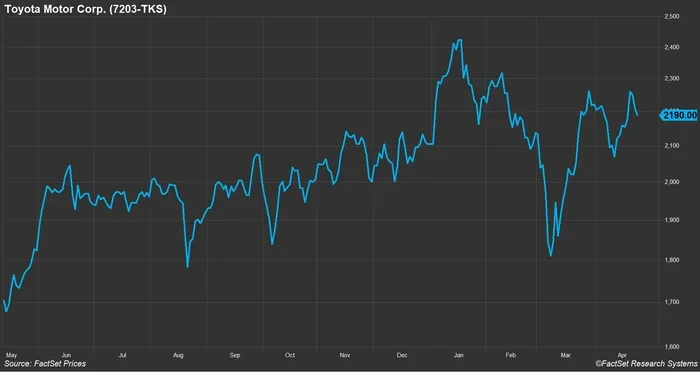
The Toyota stock price changes every day based on supply and demand. As of recent data, Toyota trades at a price that reflects its massive global operations. The company has a very large market capitalization, which places it among the top automotive companies worldwide. Market cap is simply the total value of all outstanding shares.
When you are looking at the Toyota stock price, pay attention to trends over time. A single day’s move does not tell the whole story. Look at how the stock has performed over months and years to get a clearer picture.
Step-by-Step Guide to Buying Toyota Stock
Here is where the real action begins. Follow these steps to buy Toyota stock for the first time.
Step 1: Choose a Brokerage Account
The first thing you need is a brokerage account. This is your gateway to the stock market. Many online brokers make this process quick and easy. Some popular options include well-known platforms that offer low fees and user-friendly interfaces. Look for a broker that offers fractional shares. This lets you buy a portion of a share, which is great for beginners with smaller budgets.
When picking a broker, consider these factors:
- Commission fees: Many brokers now offer zero-commission trades.
- Account minimums: Some brokers have no minimum deposit requirement.
- Fractional share availability: This lets you invest with any amount of money.
- Research tools: Look for brokers that provide stock analysis and market data.
- Customer support: Good support helps when you have questions or issues.
Step 2: Fund Your Account
Once you open your account, you need to add money. Most brokers allow you to link a bank account and transfer funds electronically. The process usually takes a few business days. Some brokers also accept debit card deposits for faster access.
Before you fund your account, decide how much you want to invest. Only invest money you can afford to lose. The stock market goes up and down, and Toyota stock is no exception.
Step 3: Search for Toyota Stock
Log in to your brokerage platform and search for the ticker symbol TM. You will see the current Toyota stock price along with charts and recent performance data. If your broker supports fractional shares, you can enter the exact dollar amount you want to invest.
Take a moment to review the stock information. Look at the current price, the day’s range, and the trading volume. These numbers give you a snapshot of how the stock is trading right now.
Step 4: Place Your Order
When you are ready, place your buy order. You have a few options:
- Market Order: Buys the stock at the current market price. It executes immediately.
- Limit Order: You set a specific price. The order only fills when the stock reaches that price.
- Fractional Order: Lets you invest a specific dollar amount regardless of the share price.
For most beginners, a market order or a fractional order is the simplest choice. A limit order can save you money if you are patient and willing to wait for the right price.
Step 5: Monitor Your Investment
After you buy Toyota stock, the work is not done. You should keep an eye on your investment. Check in regularly but avoid checking every single hour. The stock market has natural ups and downs. Short-term fluctuations are normal.
Set a reminder to review your Toyota position quarterly. Look at the company’s earnings reports and any news that might affect the stock price. This habit will help you stay informed without getting stressed by daily market noise.
Key Financial Metrics to Watch
If you want to evaluate Toyota as an investment, you need to understand a few key numbers. These metrics help you judge whether the stock is a good buy at its current price.
Price-to-Earnings Ratio (P/E)
The P/E ratio compares a company’s stock price to its earnings per share. A lower P/E can suggest the stock is undervalued. A higher P/E might mean the stock is priced for future growth. Toyota’s P/E ratio tends to be moderate compared to other automakers. This reflects the company’s stable and mature business model.
Dividend Yield
The dividend yield tells you how much income you can expect relative to the stock price. Toyota pays a regular dividend, which makes it attractive for income investors. Compare Toyota’s dividend yield to other automotive stocks to see where it stands.
Revenue Growth
Look at Toyota’s revenue growth over the past several years. Steady growth is a positive sign. It shows the company is expanding its sales and market share. Toyota has demonstrated consistent revenue growth even during challenging economic periods.
Debt-to-Equity Ratio
This ratio measures how much debt a company carries compared to its equity. A lower ratio is generally better. Toyota maintains a manageable debt level, which gives it financial flexibility to invest in new technology and weather economic downturns.
Toyota vs. Other Automotive Stocks
Toyota does not operate in a vacuum. It competes with other major automakers around the world. Here is how Toyota compares to a few key competitors.
| Company | Focus | Dividend | Global Reach |
|---|---|---|---|
| Toyota | Hybrid leader, broad lineup | Yes, consistent | 170+ countries |
| Ford | Trucks, SUVs, EVs | Yes, recent restart | Primarily US and Europe |
| Tesla | Electric vehicles | No | Global, growing fast |
| General Motors | Trucks, EVs, SUVs | Yes | Primarily North America |
What sets Toyota apart is its diversity. While companies like Tesla focus mainly on electric vehicles and Ford focuses heavily on trucks, Toyota has a balanced approach. It invests in hybrids, electric vehicles, hydrogen fuel cells, and traditional combustion engines. This diversity helps Toyota stay resilient when market trends shift.
It is also worth noting that the auto industry is highly competitive. Tesla, for example, has captured significant attention in the EV space. Understanding how many Teslas were sold in 2023 gives you perspective on the competitive landscape. Tesla’s sales numbers show strong demand for electric vehicles, but Toyota’s hybrid strategy has already moved millions of units over many years. Both approaches have merit, and both companies are worth watching.
Production scale is another important factor. How many cars a car factory makes in a day can reveal a lot about a company’s manufacturing efficiency. Toyota is known for its legendary production systems, particularly the Toyota Production System. This efficiency gives Toyota a cost advantage that many competitors struggle to match.
Risks of Investing in Toyota Stock
Every investment carries risk, and Toyota is no exception. Being aware of potential downsides helps you make smarter decisions.
Currency Risk
Toyota earns revenue in many currencies around the world. Changes in exchange rates can affect the value of Toyota’s overseas earnings when converted to Japanese yen or US dollars. This can create volatility in the stock price.
Competition From EV Startups
While Toyota has a strong hybrid lineup, it faces fierce competition from electric vehicle startups. Companies that focus exclusively on EVs may move faster in developing new technology. Toyota needs to continue innovating to maintain its competitive edge.
Economic Cycles
Car sales tend to slow down during economic recessions. If the global economy weakens, Toyota’s sales and profits could be affected. This is a risk that affects all automotive stocks, not just Toyota.
Supply Chain Disruptions
The COVID-19 pandemic showed how vulnerable the auto industry can be to supply chain problems. Semiconductor shortages, shipping delays, and raw material costs can all impact Toyota’s ability to produce and sell vehicles.
Tips for Long-Term Toyota Investors
If you plan to hold Toyota stock for the long term, these tips will serve you well.
Start small and be consistent. You do not need to invest a large sum all at once. Many investors use dollar-cost averaging, which means investing a fixed amount at regular intervals. This approach reduces the impact of market volatility and takes the pressure off timing the market.
Reinvest your dividends. If Toyota pays a dividend, consider reinvesting it to buy more shares. Over time, this compounding effect can significantly grow your investment. Most brokers offer a dividend reinvestment plan, or DRIP, that makes this process automatic.
Stay informed but avoid panic. Keep up with Toyota’s news and earnings reports. But when the stock drops, do not panic and sell. Market downturns are normal, and patient investors are often rewarded in the long run.
Diversify your portfolio. Even if you love Toyota, do not put all your money into one stock. Spread your investments across different sectors and asset classes. This reduces your overall risk and increases your chances of steady returns.
Where to Find More Information About Toyota
Doing your own research is an important part of investing. Here are some resources to help you learn more about Toyota as an investment.
Toyota’s official investor relations website provides financial reports, earnings calls, and shareholder information. You can find annual reports, quarterly earnings, and guidance for future growth. Reading these documents gives you a deeper understanding of how the company is performing.
Financial news websites also cover Toyota regularly. They provide analysis, stock forecasts, and expert opinions. Look for reputable sources that offer balanced perspectives. Remember that no single source should be your only basis for investment decisions.
Understanding the broader automotive industry also helps. For example, learning about how much Ford car salesman make can give you insight into the economics of the auto industry as a whole. When salespeople earn well, it often reflects strong car sales and healthy industry conditions. These kinds of connections help you think like an investor, not just a stock buyer.
Conclusion
Investing in Toyota stock is a straightforward process once you know the steps. You open a brokerage account, fund it, search for the ticker TM, and place your order. But the real work comes after you buy. Staying informed, monitoring your investment, and thinking long-term are what separate successful investors from those who chase quick gains.
Toyota offers a compelling combination of global reach, financial stability, and innovation. Whether you are drawn to its dividend payments, its leadership in hybrid technology, or its reputation as a reliable blue chip stock, there are many reasons to consider Toyota for your portfolio. Start small, stay patient, and let your investment grow over time.
The auto industry is changing fast. Electric vehicles are gaining popularity, new technologies are emerging, and consumer preferences are evolving. Toyota has shown remarkable adaptability throughout its long history. That adaptability gives investors confidence that the company will continue to thrive for decades to come.
So take the first step today. Open a brokerage account, buy your first shares of Toyota, and start building your investment journey. The world of stock investing is open to you, and Toyota is a great place to begin.
Frequently Asked Questions
Can I buy Toyota stock directly from the company?
Yes, Toyota offers a direct stock purchase plan through its investor relations program. This allows you to buy shares without going through a traditional broker. However, this option may have limitations depending on your country of residence. Check Toyota’s official website for the latest details on their direct purchase program.
How much does it cost to buy Toyota stock?
With fractional shares offered by most modern brokers, you can invest as little as one dollar in Toyota stock. There are no minimum purchase requirements at most brokerages. The only cost you need to watch for is any trading commissions, though many brokers now charge zero fees for stock trades.
Does Toyota pay a dividend?
Yes, Toyota pays a regular dividend to its shareholders. The dividend is typically paid quarterly and has been a consistent feature of Toyota’s shareholder returns. The exact dividend amount can vary based on the company’s earnings and board decisions. You can find the latest dividend information on Toyota’s investor relations page or through your brokerage.
Is Toyota stock a good investment for beginners?
Toyota is often considered a good stock for beginners. It is a well-established company with a long track record of stability and growth. The stock is widely available through major brokerages, and fractional shares make it accessible with any budget. However, all investments carry risk, so beginners should always do their research and never invest more than they can afford to lose.
What is the difference between Toyota’s ADR and its Tokyo-listed shares?
Toyota ADRs trade on the New York Stock Exchange under the ticker TM. They represent shares of Toyota listed on the Tokyo Stock Exchange. ADRs make it easy for US investors to buy Toyota stock in US dollars. Tokyo-listed shares trade in Japanese yen and are subject to different currency and market dynamics. For most American investors, ADRs are the simplest option.
How can I track my Toyota stock performance?
Most brokerage platforms offer portfolio tracking tools that show your Toyota stock performance in real time. You can also track the TM ticker on financial websites and apps. Set up price alerts if you want to be notified of significant moves. Reviewing your Toyota position quarterly is a good habit for staying informed without obsessing over daily price changes.
=== INTERNAL LINKS ===
For more insights into the automotive industry, check out our article on how many Teslas were sold in 2023 to understand the competitive landscape.
Want to learn about manufacturing scale? Read our guide on how many cars a car factory makes in a day to see how Toyota’s production compares.
For broader industry context, see our piece on how much Ford car salesman make and what it reveals about auto industry economics.