How Many Teslas Were Sold in 2023 Surprising Numbers
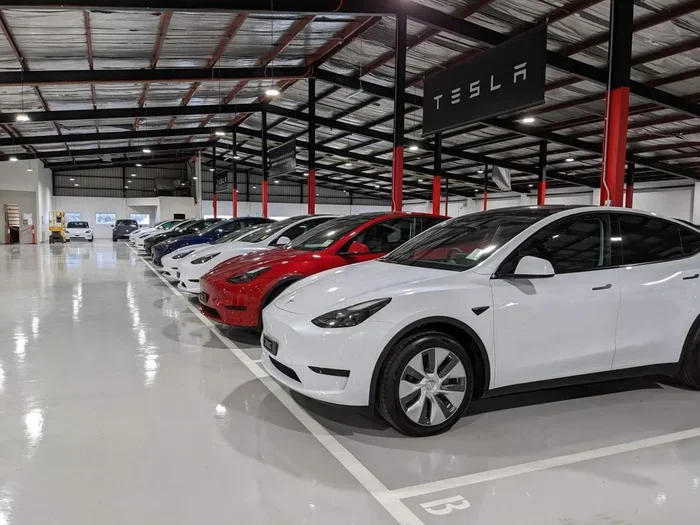
So, how many Teslas were sold in 2023? The answer might surprise you. Tesla delivered over 1.8 million vehicles globally, marking a significant shift in electric vehicle sales and EV market growth. Despite production challenges and fierce competition, Tesla maintained its position as the leading clean energy vehicle manufacturer.
Tesla had a big year in 2023. The electric car maker delivered over 1.8 million vehicles to customers around the world. That number shocked many people in the automotive industry. Just a few years ago, no one expected electric vehicles to grow this fast.
When we look at how many Teslas were sold in 2023, the numbers tell a powerful story. Tesla kept growing even as competitors caught up. New factories opened. New models launched. And consumers showed strong interest in clean energy vehicles. Let us break down the full picture of Tesla’s 2023 sales journey.
Key Takeaways
- Record Deliveries: Tesla hit over 1.8 million deliveries in 2023, a strong year for the company.
- Model Y Dominated: The Model Y was the best-selling electric car worldwide, outperforming most competitors.
- Global Expansion: Tesla’s sales growth came from new factories in Texas, Berlin, and Shanghai.
- EV Market Leader: Tesla held the top spot in battery electric vehicle sales despite rising competition.
- Challenges Existed: Price cuts and factory upgrades affected margins, but volume remained strong.
- Future Outlook: Tesla aims to ramp up production with new models and expanded facilities.
📑 Table of Contents
Tesla’s 2023 Sales: The Big Picture
Tesla reported its full-year 2023 results in early January 2024. The company delivered 1,808,581 vehicles. That was up from about 1.3 million in 2022. This growth rate of roughly 38% year-over-year is impressive for any automaker.
What makes these numbers even more interesting is the context. The global automotive sales figures were still recovering from supply chain issues. Chip shortages, factory shutdowns, and logistics problems affected many car makers. Tesla navigated these challenges better than most.
Quarterly Breakdown of Tesla Sales
Tesla’s sales did not happen evenly across the year. Each quarter brought its own story. Here is a quick look at how the numbers stacked up:
- Q1 2023: Deliveries started strong at around 422,000 units. Tesla had just finished building its new Mexico factory plans.
- Q2 2023: The company delivered roughly 466,000 vehicles. This was a period of aggressive price cuts to boost demand.
- Q3 2023: Deliveries hit about 435,000 units. Factory upgrades at Berlin and Texas caused brief pauses.
- Q4 2023: Tesla closed the year with roughly 485,000 deliveries. Holiday demand and new incentives helped push the numbers up.
Notice that Q2 and Q3 saw some dips. These were not random. Tesla cut prices significantly in Q2 to drive volume. The strategy worked for sales numbers but squeezed profit margins. Still, the overall trajectory was upward.
How This Compares to Factory Production
To put Tesla’s numbers in perspective, consider this: a typical car factory produces a few thousand units per day. When we ask how many cars a factory makes in a day, the answer for most traditional automakers is modest. Tesla’s combined global output is far larger than most single factories. The company operates multiple Gigafactories that run around the clock to meet demand.
Which Tesla Model Sold the Most?
Not all Tesla models performed equally in 2023. Some models flew off the lot while others lagged behind. Understanding which vehicles drove the bulk of sales helps us see where Tesla’s focus lies.
The Model Y: Tesla’s Best Seller
The Model Y was the undisputed king of Tesla’s lineup in 2023. This compact SUV accounted for the majority of deliveries. It is affordable, practical, and has a long electric range. Families love it. Commuters love it. And it fits into the EV market share conversation as one of the most popular electric cars ever made.
The Model Y also benefits from Tesla’s global production network. It is built in Shanghai, Berlin, Austin, and Fremont. This multi-factory strategy means Tesla can serve customers in every major market without shipping vehicles halfway across the planet.
The Model 3: A Steady Performer
The Model 3 sedan has been a consistent seller since its launch. In 2023, it held strong as Tesla’s second most popular vehicle. The refreshed 2023 model brought updated styling and improved tech features. Many buyers chose the Model 3 for its balance of range, price, and brand prestige.
The Cybertruck: A Late Entrant
The Cybertruck finally reached customers in late 2023. However, its impact on total sales was minimal. Production ramp-up was slow, and deliveries were limited. Still, the Cybertruck generated massive buzz and showed Tesla’s willingness to take risks with bold designs.
The Model S and Model X
The luxury models, Model S and Model X, made up a small fraction of Tesla’s 2023 sales. These vehicles target a niche market of buyers who want top-tier performance and luxury features. They are important for brand positioning but do not drive the volume that the Model Y and Model 3 do.
Where Did Tesla Sell the Most Cars?
Tesla’s sales were not evenly spread across the globe. Some regions contributed far more to the total than others. Understanding the geographic breakdown helps us see where electric car demand is strongest.
North America
The United States remained Tesla’s largest single market. Tesla’s Fremont factory and the new Austin Gigafactory supply American customers. Federal tax credits and state incentives made Tesla vehicles more accessible. The US car market showed strong acceptance of electric vehicles throughout 2023.
Canada also contributed solid numbers. Tesla’s Supercharger network expansion helped reduce range anxiety for Canadian buyers. The growing charging infrastructure made owning a Tesla more practical for daily use.
Europe
Europe was Tesla’s second-largest market in 2023. The Berlin Gigafactory serves customers across the European Union. European governments offered generous incentives for clean energy vehicles, which boosted demand. However, competition from European makers like VW, BMW, and Mercedes was fierce.
Tesla faced pricing pressure in Europe. Local manufacturers offered compelling electric alternatives. Still, Tesla’s brand recognition and Supercharger network gave it an edge.
China
China is the world’s largest auto market, and Tesla plays a big role there. The Shanghai Gigafactory produces vehicles for both domestic and export markets. Chinese EV makers like BYD became serious competitors in 2023. Tesla held its ground through competitive pricing and strong brand appeal.
Other Markets
Tesla also sold vehicles in Australia, Japan, South Korea, and emerging markets. While these regions contributed smaller numbers, they represent future growth potential. As EV market growth continues, these markets will become increasingly important.
How Tesla’s 2023 Sales Compare to Competitors
Tesla did not sell in a vacuum. The electric vehicle market became much more crowded in 2023. Several companies launched compelling electric cars that challenged Tesla’s dominance.
BYD: The Rising Giant
Chinese automaker BYD sold over 3 million electrified vehicles in 2023. That number dwarfs Tesla’s deliveries. However, BYD includes plug-in hybrids in its count. When looking at pure battery electric vehicles, Tesla still leads globally. BYD’s strength is in the affordable EV segment, where Tesla has struggled to compete.
Traditional Automakers Enter the Race
Ford, GM, Volkswagen, and Hyundai all expanded their EV lineups in 2023. The Ford Mustang Mach-E and Hyundai Ioniq 5 gained popularity. These vehicles offer strong competition in specific segments. But Tesla’s global scale and charging network still give it a significant advantage.
When we think about how many man hours it takes to build a car, Tesla’s vertical integration gives it an edge. The company builds many of its own components, from batteries to motors. This reduces dependency on suppliers and helps control costs.
Charging Infrastructure as a Competitive Advantage
One area where Tesla truly leads is charging. The Supercharger network spans dozens of countries. Other automakers are still building out their charging networks. For many buyers, the peace of mind that comes with reliable charging is a deciding factor. This infrastructure advantage directly supports Tesla’s EV market share growth.
What Drove Tesla’s Sales Growth in 2023?
Several factors contributed to Tesla’s strong 2023 sales. Understanding these drivers helps us predict where the company is headed next.
Price Cuts Boosted Volume
Tesla cut prices on most models multiple times in 2023. These reductions made Tesla vehicles more accessible to a wider audience. The strategy worked for volume. More buyers could afford a Tesla. However, it also put pressure on profit margins.
Price cuts were partly a response to competition. BYD and other makers were undercutting Tesla on price in key markets. Tesla needed to defend its market position. The results were mixed: higher volume but lower per-vehicle profit.
New Gigafactories Ramping Up
Tesla’s manufacturing capacity grew significantly in 2023. The Austin Gigafactory reached full production. The Berlin factory overcame early quality challenges. These new facilities allowed Tesla to produce more vehicles closer to its customers. Reduced shipping costs and faster delivery times made the whole operation more efficient.
If you are curious about factory timelines, building a car factory takes years of planning and construction. Tesla has been remarkably fast at scaling its production capacity compared to traditional automakers.
Government Incentives and Policy Support
Government policies played a big role in Tesla’s 2023 success. The US Inflation Reduction Act expanded EV tax credits. European countries offered purchase incentives. China provided subsidies for electric vehicle buyers. All of these policies encouraged consumers to choose electric over gas-powered cars.
Brand Strength and Marketing
Tesla needs almost no traditional advertising. Word of mouth, social media, and CEO Elon Musk’s public profile drive brand awareness. The Tesla brand has become synonymous with electric vehicles for many consumers. This brand power translates directly into sales.
Challenges Tesla Faced During 2023
Despite the strong numbers, 2023 was not without challenges for Tesla. Understanding these hurdles gives a more complete picture of the company’s performance.
Margin Pressure from Price Cuts
Every price cut reduced Tesla’s profit per vehicle. The company’s automotive gross margin compressed significantly during 2023. Investors watched these margins closely. Tesla needed to balance volume growth with profitability. The company’s ability to do so will determine its long-term success.
Factory Quality and Reliability Issues
The Berlin and Austin factories faced production quality challenges early on. Paint issues, assembly problems, and supply chain disruptions slowed output. Tesla worked through these issues throughout the year. Factory learning curves are normal for new production facilities, but they still impact delivery numbers.
Increasing Competition
The automotive industry trends of 2023 showed a clear shift toward electric vehicles. More brands meant more competition for Tesla. Traditional automakers invested billions in EV development. Chinese EV makers brought affordable options to global markets. Tesla had to work harder to maintain its lead.
Regulatory and Political Headwinds
Tesla faced regulatory scrutiny in several markets. Autopilot safety investigations continued. Labor disputes at some factories drew attention. Political tensions between the US and China affected Tesla’s operations in both countries. These factors created uncertainty for investors and customers alike.
What the Numbers Mean for the Future
Tesla’s 2023 sales set the stage for the company’s next chapter. The lessons learned this year will shape future strategy. Here is what we can expect going forward.
New Models on the Horizon
Tesla has several new vehicles in development. The next-generation platform promises lower production costs and higher efficiency. A more affordable Tesla model is expected to launch in the coming years. This could open the market to millions of new buyers who currently find Tesla prices out of reach.
Global Production Expansion
Tesla plans to build more Gigafactories around the world. Mexico, India, and Southeast Asia are potential new locations. Each new factory increases Tesla’s global vehicle registration data footprint and reduces shipping costs. The company’s goal is to make electric vehicles accessible to as many people as possible.
Energy and Storage Business Growth
Tesla is more than just cars. The company’s energy storage business grew rapidly in 2023. Powerwall home batteries and Megapack utility-scale systems complement the vehicle business. This diversification helps Tesla weather downturns in car sales.
The Road Ahead for Electric Vehicle Adoption
Tesla’s 2023 results confirm that consumer EV adoption is accelerating. More people are choosing electric vehicles every year. Charging infrastructure continues to improve. Battery technology gets better and cheaper. All of these trends favor Tesla and the broader EV industry.
When we compare Tesla’s scale to traditional automakers, the difference is striking. While companies like Toyota still produce tens of millions of vehicles annually, Tesla’s growth rate is unmatched. Understanding how long it takes a factory to build a car at scale helps us appreciate what Tesla has accomplished in such a short time.
Tesla’s 2023 delivery numbers prove that electric vehicles are no longer a niche market. They are mainstream. And Tesla is leading that transformation.
Key Takeaways
- Record Deliveries: Tesla delivered over 1.8 million vehicles in 2023, a 38% increase from the year before.
- Model Y Led the Way: The Model Y was the best-selling electric SUV globally and the backbone of Tesla’s sales.
- Price Cuts Drove Volume: Aggressive pricing strategies boosted sales but compressed profit margins.
- Global Factories Mattered: New Gigafactories in Austin and Berlin helped Tesla scale production to meet demand.
- Competition Increased: BYD, Ford, GM, and others challenged Tesla more aggressively than ever before.
- Charging Network Advantage: Tesla’s Supercharger network remains a key differentiator in the EV market growth story.
- Future Looks Bright: New models, expanded factories, and growing EV adoption set Tesla up for continued success.
Frequently Asked Questions
How many Teslas were sold in 2023?
Tesla delivered 1,808,581 vehicles in 2023. This was up roughly 38% compared to 2022. The numbers include all models across all global markets.
Which Tesla model was the best seller in 2023?
The Model Y was Tesla’s best-selling model in 2023. This compact SUV accounted for the majority of deliveries worldwide. Its combination of range, price, and practicality made it a top choice for families and commuters.
Where did Tesla sell the most cars in 2023?
The United States was Tesla’s largest market in 2023. China and Europe followed as the second and third largest markets. Tesla’s Shanghai and Berlin Gigafactories played key roles in serving these regions.
Did Tesla cut prices in 2023?
Yes, Tesla cut prices multiple times in 2023. The price reductions were designed to boost demand and defend market share against growing competition. While they helped sales volume, they also put pressure on profit margins.
How does Tesla’s 2023 sales compare to competitors like BYD?
BYD sold over 3 million electrified vehicles in 2023, but that number includes plug-in hybrids. For pure battery electric vehicles, Tesla still leads globally. BYD’s strength lies in the affordable EV segment where Tesla has had a harder time competing.
What challenges did Tesla face in 2023?
Tesla dealt with margin pressure from price cuts, factory quality issues at new plants, and increasing competition from both traditional automakers and Chinese EV makers. Regulatory scrutiny and political tensions also created headwinds for the company during the year.