How Long Do Toyotas Normally Last and What to Expect
Toyotas are built to last, with many models easily reaching 200,000 to 300,000 miles when properly cared for. The Toyota lifespan depends on maintenance habits, driving conditions, and the specific model you own. Regular Toyota maintenance and smart ownership choices can push your vehicle well beyond average expectations.
Key Takeaways
- Toyotas routinely last 200,000+ miles with proper care, and many models reach 300,000 miles or more.
- Regular maintenance is the single biggest factor in extending your Toyota’s lifespan.
- Toyota reliability rankings consistently place the brand among the top in the industry.
- Driving habits and conditions play a major role in how long your Toyota will last.
- Resale value stays strong even on high-mileage Toyotas, making them smart long-term investments.
- Common problems are manageable when caught early through routine inspections.
- Hybrid Toyotas offer additional longevity benefits with less wear on the engine.
📑 Table of Contents
- How Long Do Toyotas Normally Last and What to Expect
- Why Toyotas Last So Long
- Average Toyota Lifespan by Model
- Factors That Affect Toyota Longevity
- Toyota Reliability Compared to Other Brands
- How to Maximize Your Toyota’s Lifespan
- Common Toyota Problems to Watch For
- The Financial Benefits of Owning a Long-Lasting Toyota
- Conclusion
How Long Do Toyotas Normally Last and What to Expect
When you buy a Toyota, you are buying one of the most reliable vehicles on the road. People choose Toyotas for many reasons, but longevity sits at the top of the list. So, how long do Toyotas normally last? The short answer is that most Toyotas can comfortably reach 200,000 to 300,000 miles with proper care.
But the full answer is more interesting than that. Your Toyota’s lifespan depends on several factors, including how you maintain it, where you drive, and which model you own. Some Toyotas have even surpassed the 400,000-mile mark, which blows most people’s minds. In this article, we will walk you through everything you need to know about Toyota longevity. We will cover what to expect, how to extend your vehicle’s life, and which models tend to last the longest.
Whether you already own a Toyota or are thinking about buying one, this guide will give you real, practical insights. No fluff. Just honest information about Toyota durability and what you can do to get the most miles out of your investment.
Why Toyotas Last So Long
Toyota has earned a reputation for building vehicles that just keep going. This is not an accident. The company has spent decades refining its manufacturing processes and focusing on long-lasting design. But what exactly makes Toyotas stand out in terms of vehicle lifespan?
Engineering and Build Quality
Toyota engineers design their vehicles with simplicity and durability in mind. They use high-quality materials and focus on parts that do not need to be fancy — they need to work, every single day, for hundreds of thousands of miles. The Toyota engine life is legendary because the company over-engineers critical components like the engine block, transmission, and suspension parts.
Unlike some brands that prioritize flashy features, Toyota focuses on what matters most under the hood. This build quality is why you see Toyotas on the road with 250,000 miles still running strong. The company also tests every vehicle under extreme conditions before it reaches the showroom floor.
Proven Track Record
Toyota has been around for a long time, and their track record speaks for itself. The brand consistently ranks at or near the top of reliability surveys from organizations like J.D. Power and Consumer Reports. Models like the Toyota Camry, Corolla, and Tacoma have become benchmarks for long-lasting vehicles.
When you look at lists of the highest-mileage vehicles still on the road, Toyotas dominate the rankings. This is not luck. It is the result of decades of focused engineering and a commitment to quality over shortcuts.
Average Toyota Lifespan by Model
Not all Toyotas are created equal when it comes to lifespan. Some models are built for heavy-duty use and can handle more miles than others. Here is a closer look at what you can expect from popular Toyota models.
Toyota Camry
The Camry is one of the most popular sedans in America, and for good reason. A well-maintained Camry can easily reach 250,000 to 300,000 miles. The engine is robust, and the car is known for requiring fewer repairs than most competitors. Many owners report crossing the 200,000-mile mark without any major issues.
Toyota Corolla
The Corolla is Toyota’s entry-level sedan, but do not let that fool you. This car is a workhorse. With regular Toyota maintenance, a Corolla can last well over 200,000 miles. Some owners have pushed their Corollas past 300,000 miles with nothing more than routine oil changes and brake pad replacements.
Toyota Tacoma
The Tacoma is Toyota’s legendary pickup truck, and it is built to last. A Tacoma can easily handle 250,000 to 300,000 miles or more. The truck’s durability is one of the main reasons it has remained the best-selling midsize truck in the United States for years. Many Tacoma owners use their trucks for work and towing, and the vehicles still hold up remarkably well.
Toyota RAV4
The RAV4 is one of the best-selling SUVs in the world, and it is also one of the most durable. A RAV4 can comfortably reach 200,000 to 250,000 miles with proper care. The SUV’s reliable Toyota engine life and sturdy construction make it a great choice for families who want a vehicle that will last for years.
Factors That Affect Toyota Longevity
Even though Toyotas are built to last, several factors can shorten or extend their lifespan. Understanding these factors helps you take control of your vehicle’s mileage expectations.
Maintenance Habits
This is the biggest factor. A Toyota that receives regular oil changes, tire rotations, brake inspections, and fluid flushes will easily outlast a neglected one. Following the Toyota maintenance schedule is not optional if you want maximum longevity. Skipping oil changes, for example, can lead to engine damage that cuts your vehicle’s life short by tens of thousands of miles.
Creating a consistent maintenance schedule is one of the best things you can do for your vehicle. Building a structured maintenance routine ensures you never miss a critical service interval. Write it down, set phone reminders, or use a maintenance app to stay on track.
Driving Conditions
Where and how you drive matters a lot. Highway driving is generally easier on a vehicle than stop-and-go city driving. Extreme temperatures, both hot and cold, can also accelerate wear and tear. If you live in an area with harsh winters and road salt, your Toyota’s undercarriage and body may corrode faster.
Similarly, if you frequently tow heavy loads or drive on dusty, unpaved roads, your vehicle will experience more stress. Toyota durability can handle a lot, but even the best-built vehicles suffer when subjected to abuse over time.
Driving Habits
How you drive directly impacts your vehicle’s lifespan. Aggressive acceleration, hard braking, and speeding all put extra stress on the engine, transmission, and brakes. Gentle driving habits, on the other hand, reduce wear and help your Toyota run smoothly for many years.
Simple changes like warming up the engine for a minute before driving and avoiding sudden stops can add thousands of miles to your vehicle’s life. These habits are easy to adopt and make a real difference over time.
Climate and Environment
Where you park and store your vehicle matters more than you might think. Cars left in direct sunlight for years can experience interior fading, cracked dashboards, and battery issues. Vehicles stored in humid environments may develop rust faster. If possible, park in a garage or covered area to protect your Toyota from the elements.
Toyota Reliability Compared to Other Brands
Toyota consistently ranks among the most reliable car brands in the world. But how does it stack up against the competition? Let us take a quick look.
| Brand/Model | Average Lifespan (Miles) | Annual Repair Cost | Reliability Rating |
|---|---|---|---|
| Toyota Camry | 250,000 – 300,000 | $400 – $500 | Excellent |
| Toyota Corolla | 200,000 – 300,000 | $350 – $450 | Excellent |
| Toyota Tacoma | 250,000 – 300,000+ | $450 – $550 | Excellent |
| Ford F-150 | 200,000 – 250,000 | $500 – $700 | Good |
| Chevy Tahoe | 200,000 – 250,000 | $550 – $750 | Good |
As you can see, Toyotas tend to last longer and cost less to repair than many competitors. When you compare a Ford F-150 lifespan to a Toyota Tacoma, or a Chevy Tahoe longevity to a Toyota RAV4, the Toyota models often come out ahead. This is not to say other brands are bad, but Toyota has a clear edge in the longevity department.
That said, some competitors are closing the gap. Brands like Honda and Mazda also produce long-lasting vehicles that can rival Toyota in terms of reliability. However, Toyota’s combination of durability, low repair costs, and strong resale value makes it hard to beat.
How to Maximize Your Toyota’s Lifespan
Want to get the most miles out of your Toyota? Follow these practical tips to ensure your vehicle stays healthy for as long as possible.
Follow the Factory Maintenance Schedule
This cannot be stressed enough. The Toyota maintenance schedule in your owner’s manual is there for a reason. Every service interval exists to catch small problems before they become big, expensive ones. Stick to the schedule, and your Toyota will reward you with years of trouble-free driving.
Use Genuine Toyota Parts
Aftermarket parts can be tempting because they cost less, but genuine Toyota parts are designed specifically for your vehicle. They fit better, last longer, and maintain the integrity of your car’s systems. When it comes to critical components like brakes, filters, and engine parts, always choose quality.
Keep Up With Fluid Changes
Engine oil, transmission fluid, coolant, and brake fluid all have a limited lifespan. Over time, these fluids break down and lose their effectiveness. Regular fluid changes keep your Toyota’s systems running smoothly and prevent premature wear on expensive components.
Address Problems Early
Do not ignore warning lights, strange noises, or changes in how your vehicle drives. These are signals that something needs attention. Catching problems early means cheaper repairs and less chance of cascading damage. A small issue ignored today can become a major repair tomorrow.
Store Your Vehicle Properly
If you have a Toyota that you do not drive every day, proper storage is essential. Keep the battery maintained, inflate tires to the correct pressure, and run the engine periodically to keep fluids circulating. Toyota hybrid models in particular can sit for extended periods, but even they benefit from regular use. Hybrid vehicles can generally sit longer than traditional cars, but regular driving is still best for overall health.
Drive Gently and Consistently
Your driving style is one of the most powerful tools you have for extending your Toyota’s life. Smooth acceleration, gradual braking, and steady speeds reduce stress on every system in the vehicle. Think of it as treating your car the way you would want to be treated — with care and consideration.
Common Toyota Problems to Watch For
Even the most reliable vehicles develop issues over time. Knowing what to watch for helps you stay ahead of problems and keep your Toyota running strong.
Some Toyotas are known for specific issues. For example, older Camry models sometimes experience oil consumption issues. Certain Tacoma trucks from specific years may have minor transmission concerns. The key is to research your specific model and year so you know what potential problems to look for.
Regular inspections can catch most of these issues early. A trusted mechanic who knows Toyotas well can spot warning signs long before they become serious problems. Investing in a pre-purchase inspection before buying a used Toyota is also a smart move that can save you from expensive surprises.
The Financial Benefits of Owning a Long-Lasting Toyota
One of the biggest advantages of owning a Toyota that lasts is the financial impact. A vehicle that reaches 250,000 miles instead of 150,000 miles saves you thousands of dollars in monthly payments and depreciation costs. Instead of buying a new car every few years, you can drive your Toyota for a decade or more and still have a reliable vehicle.
Toyota resale value remains strong even at high mileage, which means when you do decide to sell or trade in, you get a fair price. This is another reason Toyotas make such smart long-term investments. The Toyota ownership cost over time is significantly lower than many competing brands.
When you factor in lower repair costs, better fuel economy, and strong resale value, the financial case for owning a Toyota becomes even stronger. A Toyota that lasts 20 years and 250,000 miles is not just reliable transportation — it is a financial asset.
Conclusion
The answer to how long Toyotas normally last is clear: with proper care, most Toyotas can comfortably reach 200,000 to 300,000 miles, and many go well beyond that. The combination of excellent engineering, proven reliability, and affordable maintenance makes Toyota one of the best choices for anyone looking for a vehicle that will last.
Your driving habits, maintenance routine, and the specific model you choose all play a role in your Toyota’s lifespan. But the foundation is there — Toyotas are simply built to go the distance. Follow the maintenance schedule, drive gently, and address issues early, and your Toyota will keep running strong for years to come.
Whether you are a current Toyota owner or shopping for your next vehicle, the message is the same: a Toyota is a smart investment in long-term reliability. Choose the right model, take care of it, and it will take care of you for a very long time.
Frequently Asked Questions
How many miles can a Toyota normally last?
Most Toyotas can last between 200,000 and 300,000 miles with proper maintenance. Some well-cared-for models have been known to exceed 400,000 miles. The key factor is consistent Toyota maintenance and gentle driving habits.
Which Toyota model lasts the longest?
The Toyota Camry, Corolla, and Tacoma are among the longest-lasting Toyota models. These vehicles are known for their robust engineering and low repair costs. When properly maintained, they routinely surpass 250,000 miles.
Is a high-mileage Toyota worth buying?
Yes, in most cases. Toyotas hold their value well and are known for reliability even at high mileage. A Toyota with 150,000 miles can still have many years of service left if it has been well-maintained. Always get a pre-purchase inspection before buying.
How does Toyota reliability compare to other brands?
Toyota consistently ranks at or near the top of reliability surveys. Compared to brands like Ford and Chevrolet, Toyotas tend to last longer and cost less to repair over their lifetime. This is a major reason they are so popular among long-term car owners.
What is the most common cause of Toyota breakdowns?
Neglecting regular maintenance is the most common cause of Toyota breakdowns. Skipping oil changes, ignoring warning lights, and delaying repairs all shorten a Toyota’s lifespan. Staying on top of scheduled services prevents most serious issues.
Do Toyota hybrids last longer than gas-only models?
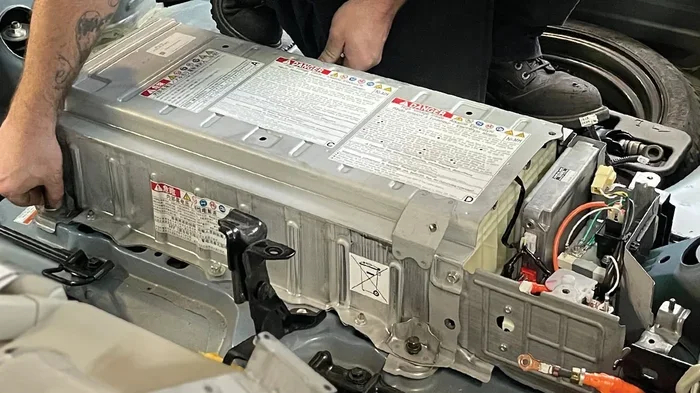
Toyota hybrids can last longer because the electric motor reduces strain on the gasoline engine. Less engine wear means fewer major repairs over time. However, hybrid battery replacement can be costly, so factor that into your long-term ownership plans.