Accident Cars for Sale by Owner Find Your Perfect Deal
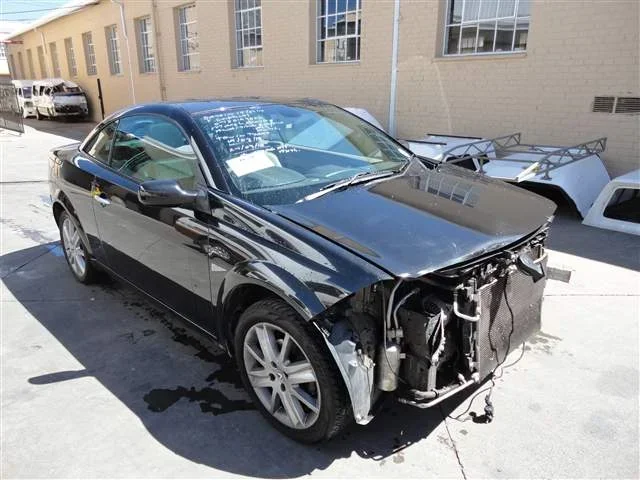
Accident cars for sale by owner are damaged vehicles sold directly by their previous owners, often at a fraction of the retail price. You can score a bargain if you know how to spot hidden issues and verify the vehicle history report. This guide walks you through finding, evaluating, and purchasing these cars with confidence.
Looking for a car deal that feels too good to be true? Accident cars for sale by owner might just be the answer. These vehicles come with a story, and that story can mean serious savings. You can find a used car with minor damage or a total loss that still runs perfectly. The key is knowing what you are getting into before you sign anything.
Buying a damaged vehicle from a private seller is different from walking into a dealership. There is no salesperson hovering over you, no fancy showroom, and no warranty booklet. Instead, you get direct access to the person who lived with the car every day. That can be a huge advantage if you know how to ask the right questions.
This guide will show you exactly how to navigate the world of accident cars for sale by owner. You will learn where to find them, what to inspect, and how to negotiate like a pro. By the end, you will feel confident enough to spot a great deal and avoid a costly mistake.
Key Takeaways
- Point 1: Buying from an owner can save thousands compared to dealers.
- Point 2: Always get a vehicle history report and a pre-purchase inspection.
- Point 3: Understand salvage and rebuilt titles to avoid surprises.
- Point 4: Insurance and financing are possible but may cost more.
- Point 5: Negotiate based on documented repair costs and damage severity.
- Point 6: Private sales offer more flexibility but less buyer protection.
📑 Table of Contents
What Are Accident Cars for Sale by Owner?
Accident cars for sale by owner are vehicles that have been in some kind of collision or damage event and are now being sold directly by their previous owner. This is different from a dealer selling a damaged car. The owner knows the full story because they lived with it. They might be selling because they cannot afford repairs, they received a settlement, or they simply want to move on.
Understanding Salvage and Rebuilt Titles
When a car is damaged severely, the insurance company may declare it a total loss. This means the cost to repair it exceeds a certain percentage of the car’s value. The vehicle then gets a salvage title. After repairs, it can be inspected and receive a rebuilt title. A rebuilt title tells you the car was damaged and has been fixed. It is still legal to drive, but it carries a stigma that affects resale value.
Why Owners Sell Damaged Vehicles
Owners sell damaged cars for many reasons. Some need quick cash to pay medical bills or other debts. Others received an insurance payout and do not want to deal with repairs. A few owners simply love the car and want it to go to someone who will fix it right. Understanding the seller’s motivation helps you gauge how much they know about the damage.
- Quick Tip: Always ask the seller why they are selling. Their answer can reveal a lot about the car’s condition.
Common Mistakes Buyers Make
The biggest mistake is falling in love with a low price. You see a bargain and your mind starts dreaming of savings. Another mistake is skipping the vehicle history report. Some buyers assume a clean exterior means a clean history. That is never true with accident cars. Always look at the facts on paper before you look at the paint job.
- Key Takeaway: Never let a low price override your need for facts. A vehicle history report is your best friend.
- Key Takeaway: Ask the seller directly about the damage. A honest owner will tell you what they know.
Where to Find Accident Cars for Sale by Owner
Finding accident cars for sale by owner has never been easier. You have many channels at your fingertips. The trick is knowing which ones are trustworthy and which ones are full of red flags. Stick to well-known platforms and always verify the seller’s identity.
Online Marketplaces and Classifieds
Websites like Craigslist, Facebook Marketplace, and local classified sites are goldmines for private sellers. You can filter by location, price, and damage type. Search terms like salvage car for sale or insurance write-off private sale often turn up good results. Always meet in a public place and bring a friend.
Insurance Auctions and Salvage Yards
Insurance companies sell damaged vehicles at auction to recoup costs. These are not always run by owners, but many end up in the hands of individuals who flip them. You can find online car auctions like Copart or IAAI. You will need to register and often bid sight unseen. This is for experienced buyers who understand repair costs and structural damage.
- Quick Tip: If you are new to buying damaged cars, start with a local private sale. You can inspect the car in person and ask questions directly.
Local Car Clubs and Forums
Many used car enthusiasts buy and sell damaged vehicles within niche communities. A car forum for a specific model can connect you with owners who know the vehicle inside and out. They often part out or sell cars with minor damage at fair prices. This is a great way to find a rebuilt title car with solid repairs.
- Key Takeaway: Diversify your search. Check online marketplaces, auctions, and enthusiast forums to find the best options.
- Key Takeaway: Always verify the seller’s identity and meet in a safe, public location.
Evaluating an Accident Car: What to Check
Once you find a promising accident car for sale by owner, the real work begins. You need to dig deep into the vehicle’s past and present. Do not rely on what the seller tells you. Trust the data and the expert eyes of a mechanic.
Vehicle History Report and VIN Check
The vehicle history report is your first line of defense. You will need the VIN (Vehicle Identification Number). Plug it into services like Carfax or AutoCheck. Look for any record of accidents, airbag deployment, frame damage, or flood exposure. A VIN check can also reveal if the car has a salvage or rebuilt title. If the seller refuses to give you the VIN, walk away.
Pre-Purchase Inspection by a Mechanic
This step is non-negotiable. You must pay a trusted mechanic to inspect the car. They will lift it, check the frame, and look for hidden structural damage. A mechanic can tell if the car was properly repaired or if it has cosmetic damage covering deeper problems. Ask for a written estimate of any needed repairs. This gives you leverage when negotiating.
Common Types of Accident Damage
Not all damage is equal. Cosmetic damage like dents and scratches affects only the look. Structural damage involves the frame or unibody. This is far more serious and expensive to fix. Airbag deployment indicates a moderate to severe crash. Flood damage can cause rust and electrical issues years later. Know what type of damage you are dealing with.
| Damage Type | Severity | Typical Repair Cost | Risk Level |
|---|---|---|---|
| Cosmetic (dents, scratches) | Low | $500 – $2,000 | Low |
| Minor frame damage | Medium | $2,000 – $5,000 | Medium |
| Major structural damage | High | $5,000 – $15,000+ | High |
| Flood damage | High | Variable, often hidden | Very High |
| Airbag deployment | Medium-High | $1,000 – $3,000 (bags) | Medium |
- Key Takeaway: Always get a vehicle history report and a pre-purchase inspection. Skipping these steps is the fastest way to buy a lemon.
- Key Takeaway: Understand the difference between cosmetic and structural damage. Structural issues can compromise safety.
The Pros and Cons of Buying from a Private Owner
Buying accident cars for sale by owner has a unique set of advantages and disadvantages. You are cutting out the middleman, but you also lose the protections a dealer offers. Weigh these factors carefully before you commit.
Price Advantages vs. Risk Factors
The biggest advantage is price. Private sellers do not have lot fees, advertising costs, or a profit margin built in. You can often save 20% to 40% compared to a dealer selling a similar used car. The risk is that you have no warranty and no recourse if the car breaks down after the sale. The seller may not know the full extent of the damage either.
Negotiation Flexibility
Private owners are often more flexible on price and terms. They may accept a lower offer or agree to a payment plan. Some even offer owner financing, where they act as the lender. This can be a huge plus if you have a less-than-perfect credit score. However, you must put any agreement in writing to protect both parties.
| Factor | Buying from Owner | Buying from Dealer |
|---|---|---|
| Purchase Price | Lower (no markup) | Higher (includes profit margin) |
| Selection | Limited to what owners list | Wide inventory on lot |
| Warranty | Usually none | Often includes dealer warranty |
| Financing | May require cash or private loan | In-house financing available |
| Risk | Higher (as-is sale) | Lower (some consumer protections) |
| Flexibility | Very high on price and terms | Low (set prices and terms) |
- Key Takeaway: Buying from an owner saves money but shifts the risk to you. Always get everything in writing.
- Key Takeaway: Use the comparison table above to decide which buying path fits your budget and comfort level.
Financing and Insurance for Accident Cars
One of the biggest concerns with accident cars for sale by owner is how to pay for them and insure them. The good news is that both are possible, but you need to plan ahead. Salvage and rebuilt title vehicles are not treated the same as clean title cars in the financial world.
Getting a Loan on a Salvage Title Vehicle
Traditional banks are often reluctant to lend on a salvage or rebuilt title. They see it as a higher risk. You may need to look at specialty lenders or credit unions that have experience with damaged vehicles. Some sellers offer owner financing, which means they lend you the money directly. This can be a great option if you have a solid repayment plan and a written agreement.
Insurance Coverage Options
Insuring an accident car is absolutely possible, but the coverage may differ. Most insurers will cover a rebuilt title vehicle for liability. Comprehensive and collision coverage can be harder to find and may cost more. The insurer will want to know the repair estimate and may require an inspection. Shop around and compare quotes from at least three companies.
Expert Insight: According to industry experts, a well-documented repair history can lower your insurance premium. Keep all receipts from the original repairs and any work done after purchase. This paper trail proves the car was fixed properly and is not a hidden risk.
- Key Takeaway: Expect to pay a bit more for insurance on a damaged vehicle. The savings on the purchase price often outweigh the extra premium.
- Key Takeaway: Explore specialty lenders and owner financing if traditional banks turn you down.
How to Negotiate the Best Deal on an Accident Car
Negotiation is where the real magic happens. When buying accident cars for sale by owner, you have a strong bargaining position because the seller wants to get rid of the car quickly. Use that to your advantage, but always be fair.
Setting a Fair Price Based on Damage
Research the fair market value of the car in clean condition. Then subtract a realistic amount for the damage and repairs. Use the mechanic’s repair estimate as your guide. If the car needs $3,000 in repairs and the seller is asking $10,000, the fair price is around $7,000. Do not lowball so aggressively that you offend the seller. Stay respectful and explain your numbers.
Closing the Sale Safely
Once you agree on a price, you must close the deal properly. Get a bill of sale that includes the VIN, purchase price, date, and both parties’ names. Sign over the title and file the transfer with your local DMV. Pay with a cashier’s check or bank transfer, not cash, so you have a record. If the seller still has a loan on the car, make sure the lien is released before you take possession.
- Verify the title is clear and in the seller’s name.
- Complete a bill of sale with all vehicle details.
- Pay securely and get a receipt.
- Sign the title and submit the transfer to the DMV.
- Update your insurance policy immediately.
- Quick Tip: Bring a friend or family member to the final transaction. A second set of eyes helps you spot any last-minute issues and keeps you safe.
Key Takeaway: A fair price is based on the car’s clean value minus documented repair costs. Use the mechanic’s estimate as your anchor.
Key Takeaway: Always close the sale with a written bill of sale and a proper title transfer. This protects you legally.
Buying accident cars for sale by owner can be one of the smartest moves you make in the used car market. You are not just getting a cheap ride. You are gaining a vehicle with a second chance, often at a price that makes sense. The process requires patience, diligence, and a willingness to learn. But the reward is a car that fits your budget and your needs. Start your search today, follow the steps in this guide, and you will be well on your way to finding a great deal.
Frequently Asked Questions
What does a salvage title mean for an accident car?
A salvage title means the insurance company declared the vehicle a total loss. The car was damaged beyond a certain percentage of its value. It can be repaired and re-inspected for a rebuilt title, but it will always carry the salvage history. This affects resale value and insurance options.
Can I get insurance on an accident car sold by the owner?
Yes, you can insure a rebuilt title vehicle. Most insurers offer liability coverage. Comprehensive and collision may cost more and require a detailed inspection. Always disclose the vehicle’s history honestly when applying for a policy.
How do I verify if an accident car has been properly repaired?
Request all repair invoices and receipts from the seller. Then pay for a pre-purchase inspection by a certified mechanic. They will check the frame, suspension, and safety systems to confirm the repairs were done correctly.
Is it safe to buy an accident car from a private seller?
It can be safe if you do your homework. Get a vehicle history report, have the car inspected, and meet the seller in a public place. Never buy a car sight unseen without a thorough inspection and a clear title.
What should I look for in a vehicle history report?
Look for accident records, title brands like salvage or rebuilt, odometer discrepancies, and any liens on the vehicle. A clean history report does not guarantee no damage, but a bad report is a major red flag.
Can I finance an accident car purchase from a private owner?
Financing is possible but may require a specialty lender or credit union. Some owners offer owner financing. Traditional banks often hesitate on salvage or rebuilt titles. Be prepared to explore alternative lending options.