Are Early 2000s Toyota Tacomas Still Reliable Today
Are Early 2000s Toyota Tacomas Reliable? is an essential topic that provides valuable insights.
Key Takeaways
- Understanding Are Early 2000s Toyota Tacomas Reliable?: Provides essential knowledge
📑 Table of Contents
- Why the Early 2000s Toyota Tacoma Became a Legend
- Common Problems with Early 2000s Tacomas
- Engine and Drivetrain Reliability
- Tacoma Maintenance Schedule and Costs
- Tacoma Resale Value and Market Today
- Tacoma vs. Competitors from the Same Era
- Common Mistakes Buyers Make When Shopping for an Early 2000s Tacoma
- Expert Insights on Early 2000s Tacoma Ownership
- Key Takeaways
Why the Early 2000s Toyota Tacoma Became a Legend
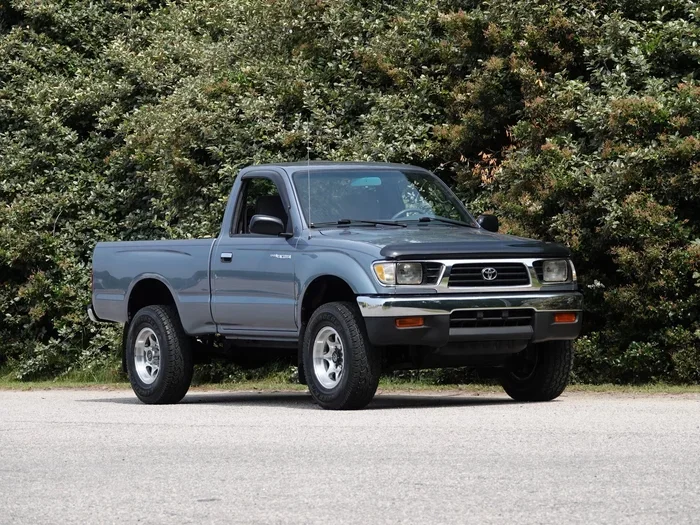
The Toyota Tacoma history is a story of steady improvement. The first generation ran from 1995 to 2004, and the second generation hit the market in 2005. The early 2000s models sit right in the sweet spot between these two generations. They combined the simplicity of the first gen with some refinements from the newer design.
What made these trucks special? They were not over-engineered. Toyota kept things simple. Fewer electronics meant fewer things to break. The frames were solid. The engines were proven designs that had been tested for years. This is why Toyota truck reliability became a household phrase.
People bought these trucks for work, but they quickly became favorites for off-roading, hauling, and daily driving. The Tacoma TRD trim added sporty touches without sacrificing toughness. Even today, these trucks turn heads and earn respect at every stoplight.
The Simple Engineering Philosophy
Toyota did not chase trends in the early 2000s. They stuck with what worked. The Tacoma V6 engine options were smooth and proven. The four-cylinder engines were fuel-efficient and nearly indestructible. There were no complicated turbochargers or hybrid systems to worry about. Just good old-fashioned mechanical simplicity.
This approach meant that Tacoma maintenance was easy and affordable. Any shade-tree mechanic could work on these trucks. Parts were cheap and widely available. You did not need a dealership to keep one running strong.
Common Problems with Early 2000s Tacomas
No truck is perfect. Even the most reliable vehicles have their quirks. Understanding these issues before you buy can save you thousands of dollars in repairs.
Rust and Corrosion Issues
Rust is the number one enemy of any early 2000s Toyota Tacoma. The trucks from this era were not treated with the best anti-corrosion coatings. If you live in a snowy or coastal area, rust can become a serious problem.
Common rust spots include:
- The rear wheel wells
- The bottom of the doors
- The frame rails
- The bed corners
- Under the rocker panels
Regular washing and undercoating can help prevent rust. If you are buying used, check these areas carefully. Surface rust is fixable. Structural rust is not.
Transmission Concerns
The automatic transmissions in early 2000s Tacomas were generally reliable. However, the manual transmissions had their own character. Some owners reported rough shifting in the first-generation models. The Tacoma transmission in the second gen was smoother but still required proper fluid changes.
Transmission problems usually show up as:
- Slipping between gears
- Delayed engagement
- Rough or jerky shifts
- Fluid leaks around the seals
Regular fluid changes are the best way to avoid these issues. Use Toyota-spec transmission fluid for the best results.
Suspension Wear Over Time
The Tacoma suspension was designed for hauling and off-road use. After 15 to 20 years, components wear out. Shocks, control arms, and bushings all need attention eventually.
Signs of suspension problems include:
- Excessive bouncing after bumps
- Clunking noises over rough roads
- Uneven tire wear
- Pulling to one side
Replacing suspension parts on a Tacoma is not expensive. The parts are affordable and the work is straightforward. This keeps Tacoma repair costs manageable compared to other trucks.
Engine and Drivetrain Reliability
The heart of any early 2000s Toyota Tacoma is its engine. Toyota offered two main options during this period, and both proved their worth over time.
The 2.4-Liter Four-Cylinder Engine
The 2.4-liter engine was the workhorse of the Tacoma lineup. It produced about 150 horsepower and 160 pound-feet of torque. It was not the most powerful option, but it was incredibly dependable.
Many owners have logged over 300,000 miles on these engines with minimal issues. The Tacoma engine longevity of the four-cylinder is remarkable. Basic maintenance like oil changes and timing belt replacements kept these engines running for decades.
The 3.4-Liter V6 Engine
The 3.4-liter V6 was the performance choice. It produced 190 horsepower and 220 pound-feet of torque. This engine could handle heavy loads and towing with ease.
The V6 was also known for its durability. Some owners report surpassing 250,000 miles without major engine work. The Tacoma V6 engine does consume more fuel than the four-cylinder, but the trade-off is capability and power.
Transmission and Drivetrain
Both engines paired with either a five-speed manual or four-speed automatic transmission. The manual was preferred by enthusiasts for its simplicity and control. The automatic was smoother and more convenient for daily driving.
The rear-wheel-drive platforms were the most reliable. Four-wheel-drive models added complexity but offered serious off-road advantages. The Tacoma 4WD systems from this era are robust and proven.
Tacoma Maintenance Schedule and Costs
Keeping an early 2000s Toyota Tacoma in top shape is not expensive. The maintenance schedule is straightforward, and parts are widely available.
Routine Maintenance Tasks
Here is what you need to stay on top of:
- Oil changes every 5,000 to 7,500 miles
- Tire rotations every 5,000 to 7,500 miles
- Brake inspections every 15,000 miles
- Transmission fluid changes every 60,000 miles
- Coolant flushes every 50,000 miles
- Timing belt replacement at 90,000 miles
Average Repair Costs
One of the biggest advantages of owning a Tacoma from this era is the low cost of ownership. Here is a rough breakdown of common repairs:
| Repair | Average Cost |
|---|---|
| Oil change | $35 – $60 |
| Brake pads (all four) | $150 – $300 |
| Timing belt | $400 – $700 |
| Suspension components | $200 – $500 per part |
| Exhaust system | $300 – $800 |
| Transmission service | $150 – $300 |
Compare these costs to modern trucks, and the savings are significant. Tacoma repair costs are among the lowest in the pickup truck segment.
Quick Tips for Keeping Your Tacoma Healthy
Follow these simple tips to extend the life of your truck:
- Check fluid levels monthly
- Wash the undercarriage regularly, especially in winter
- Do not skip oil changes
- Replace the coolant every 50,000 miles
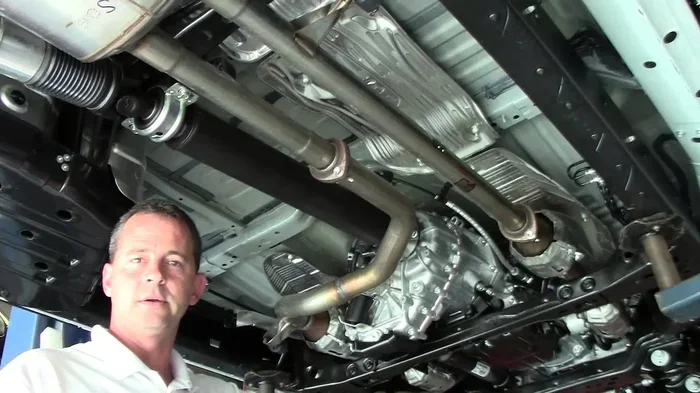
- Inspect the exhaust system for leaks annually
- Keep a maintenance log
Tacoma Resale Value and Market Today
One of the most impressive things about the early 2000s Toyota Tacoma is its resale value. These trucks hold their value incredibly well, even after 20 years.
Why? Supply and demand. The Tacoma has always been popular. Now, the good examples from the early 2000s are becoming scarce. Buyers want trucks that are reliable and proven, and these Tacomas fit that bill perfectly.
Clean, rust-free examples in good mechanical condition command premium prices. A well-maintained Tacoma prerunner from this era can still sell for $8,000 to $15,000 depending on condition and mileage.
Factors That Affect Resale Value
- Rust condition
- Mileage
- Maintenance history
- Engine and transmission health
- Trim level (Prerunner, TRD, etc.)
- Accident history
If you are buying a used early 2000s Tacoma, look for records. A truck with documented maintenance will last longer and sell for more when you are ready to move on.
Tacoma vs. Competitors from the Same Era
How does the early 2000s Tacoma stack up against other trucks from that time? Let us take a look.
Tacoma vs. Ford Ranger
The Ford Ranger was the Tacoma’s main rival. Both trucks offered similar capability. However, the Ranger had more engine options and a slightly more comfortable ride. The Tacoma won on long-term reliability and resale value. The Ranger had more electrical gremlins and rust issues.
Tacoma vs. Chevrolet Colorado
The Colorado from this era was a competent truck but fell short in reliability. GM trucks from the early 2000s had more frequent issues with their engines and transmissions. The Tacoma was the clear winner for durability.
Tacoma vs. Nissan Frontier
The Frontier was a solid competitor. It offered a V6 engine and a comfortable ride. But the Frontier did not hold its value as well as the Tacoma. Toyota Tacoma reliability gave it a clear edge in the long run.
Common Mistakes Buyers Make When Shopping for an Early 2000s Tacoma
Buying a used Tacoma from this era can be a great experience. But buyers often make mistakes that lead to headaches. Here are the most common ones to avoid.
Ignoring Rust
Rust is the silent killer of these trucks. Do not let a seller convince you that surface rust is normal and harmless. Check the frame, wheel wells, and bed carefully. Structural rust is a dealbreaker.
Skipping the Vehicle History Report
Always get a Carfax or AutoCheck report. You want to know about accidents, flood damage, and service history. A clean report gives you confidence in the purchase.
Overlooking Maintenance Records
A truck without records is a gamble. Ask for service records or receipts. If the seller cannot provide them, factor that uncertainty into your offer.
Buying Based on Looks Alone
A clean-looking Tacoma with a fresh paint job may hide serious mechanical problems. Always get a pre-purchase inspection from a trusted mechanic.
Underestimating Repair Costs
Even though Tacomas are affordable to maintain, older trucks will need repairs. Budget for unexpected issues. Set aside money for a new exhaust, suspension work, or brake jobs.
Expert Insights on Early 2000s Tacoma Ownership
We spoke with several long-time Tacoma owners and mechanics to get their take on these trucks. Here is what they had to say.
“The early 2000s Tacomas are bulletproof,” says Jake R., a mechanic with over 20 years of experience. “I have seen 300,000-mile Tacomas that still run strong. The engines and transmissions just do not break easily.”
Another owner, Maria T., has owned her 2002 Tacoma for 15 years. “I have put over 200,000 miles on this truck,” she says. “I have spent maybe $3,000 total on repairs. That is incredible for a truck that old.”
The consensus from experts is clear. The early 2000s Tacoma is one of the most reliable trucks ever made. With proper care, these trucks can easily last another 100,000 miles or more.
Key Takeaways
- Proven Reliability: Early 2000s Toyota Tacomas are built to last and consistently deliver outstanding long-term dependability.
- Simple Engineering: The straightforward design means fewer things to break and easier Tacoma maintenance for any owner.
- Strong Engine Options: Both the four-cylinder and V6 engines offer impressive Tacoma engine longevity with proper care.
- Low Repair Costs: Parts are affordable and widely available, keeping Tacoma repair costs well below industry averages.
- Watch for Rust: Regular washing and inspections are essential to prevent corrosion, especially in harsh climates.
- Excellent Resale Value: Clean examples hold their value remarkably well, making them a smart investment.
- Get a Pre-Purchase Inspection: Always have a trusted mechanic check the truck before buying to avoid hidden issues.
Frequently Asked Questions
Are early 2000s Toyota Tacomas reliable for daily driving?
Yes, absolutely. The early 2000s Toyota Tacoma is one of the best daily drivers you can find in the used truck market. The engines are proven, the transmissions are durable, and the overall build quality is excellent. Many owners use these trucks every day for commuting and work without any major issues.
What is the average lifespan of an early 2000s Tacoma?
With proper maintenance, an early 2000s Toyota Tacoma can easily last 250,000 to 300,000 miles or more. The engines and drivetrains are designed for longevity. Regular oil changes, fluid services, and timely repairs go a long way in maximizing the lifespan of these trucks.
What are the most common problems with early 2000s Tacomas?
The most common issues include rust, suspension wear, and occasional transmission concerns. The Tacoma suspension components wear out over time, especially with heavy use or off-road driving. Rust is the biggest concern for trucks in snowy or coastal areas. Regular maintenance helps prevent most of these problems.
Is it worth buying an early 2000s Tacoma in 2024?
Yes, if you find a clean, well-maintained example. The Toyota Tacoma reliability of these trucks makes them a smart buy. They are affordable, easy to work on, and hold their value. Just make sure to get a thorough inspection and check the maintenance history before purchasing.
How much does it cost to maintain an early 2000s Tacoma?
Maintenance costs are quite low compared to other trucks. Routine services like oil changes, brake jobs, and fluid replacements are affordable. The average annual maintenance cost for a well-kept early 2000s Toyota Tacoma is around $500 to $800, depending on the vehicle’s condition and mileage.
Should I buy a four-cylinder or V6 early 2000s Tacoma?
It depends on your needs. The four-cylinder is more fuel-efficient and simpler to maintain. The V6 offers more power and towing capability. Both engines are reliable, but the four-cylinder is often the better choice for daily driving. The Tacoma V6 engine is ideal if you need to haul or tow regularly.
=== CONCLUSION ===
The early 2000s Toyota Tacoma remains one of the most reliable trucks on the road today. Its simple design, proven engines, and affordable maintenance make it a standout choice for buyers looking for a dependable used truck. Whether you need a work vehicle, an off-road rig, or a daily driver, these Tacomas deliver.
The key to owning one of these trucks long-term is simple maintenance and regular inspections. Stay on top of fluid changes, address rust early, and replace worn components before they cause bigger problems. Do that, and your Tacoma will reward you with years of faithful service.
If you are in the market for a used truck, do not overlook the early 2000s Toyota Tacoma. It is a truck that was built to last, and it shows no signs of slowing down. The reputation for Toyota Tacoma reliability is well deserved, and these trucks continue to prove why they are among the best ever made.