Arizona Window Tint Law Explained for Every Driver
The Arizona Window Tint Law sets specific rules for how dark or reflective your car windows can be. Understanding these regulations helps you avoid fines, stay safe, and keep your vehicle legal on Arizona roads. This guide breaks down every tint rule you need to know as a driver in the Grand Canyon State.
Arizona is known for its blazing sun and scorching summers. That is exactly why so many drivers in the state choose to tint their car windows. But here is the thing — not all tint is legal. The Arizona Window Tint Law sets clear rules about how dark your windows can be, what kind of tint you can use, and where it is allowed. If you drive in Arizona, knowing these rules is not optional. It is essential.
Whether you are a new car owner or someone who has been tinting windows for years, this guide has you covered. We will walk through every rule, every exception, and every penalty you need to know. By the end, you will feel confident about your car window tinting choices and how they fit within Arizona law. Let us dive in.
Key Takeaways
- Non-reflective tint is allowed on the top 5 inches of the windshield.
- Front side windows must allow more than 33% of light through (VLT).
- Rear side windows and rear windshield can be any darkness level.
- Reflective tint is not permitted on front or rear side windows.
- Medical exemptions are available for darker tint with a doctor’s approval.
- Violating Arizona tint laws can result in fines up to $300 or more.
- Sticker certification is required to prove your tint meets state standards.
📑 Table of Contents
- What Is the Arizona Window Tint Law?
- Legal Tint Limits by Window
- Reflective Tint Rules in Arizona
- Medical Exemptions for Darker Tint
- Types of Window Tint Films Available
- Pennalties for Illegal Tint in Arizona
- Tips for Choosing Compliant Window Tint in Arizona
- Common Mistakes Drivers Make with Window Tint
- Expert Insights on Arizona Tint Laws
- How Arizona Tint Law Compares to Neighboring States
- Key Takeaways
- Conclusion
What Is the Arizona Window Tint Law?
The Arizona Window Tint Law is a set of regulations that controls how much light can pass through your vehicle’s windows. These rules are enforced by the Arizona Department of Public Safety and the Arizona Motor Vehicle Division (MVD). The goal is simple — keep drivers safe while still allowing people to enjoy the benefits of window tint.
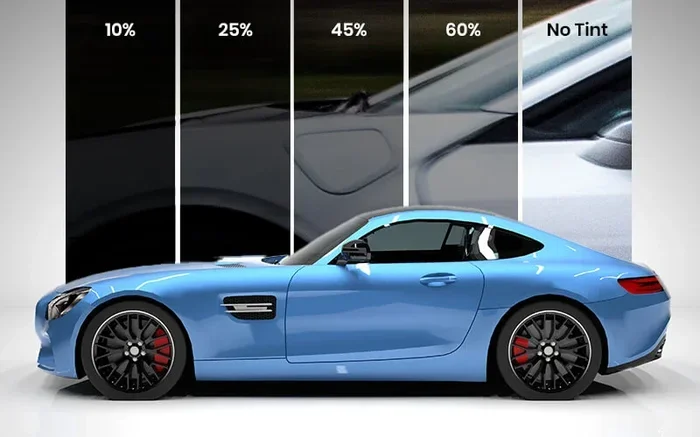
At the heart of these rules is something called Visible Light Transmission, or VLT. VLT measures the percentage of light that passes through your window tint film. A higher VLT means more light gets through. A lower VLT means the tint is darker. Arizona sets specific VLT limits depending on which window you are tinting. Let us break that down.
Why Does VLT Matter?
VLT is the number one thing you need to understand about legal tint limits. If your tint is too dark, it blocks too much light. This reduces visibility, especially at night or in tunnels. That is a safety hazard. On the other hand, tint that is too light may not give you the sun protection or heat rejection you want. Finding the right balance is key.
The state of Arizona measures VLT using special tools during vehicle inspections or traffic stops. If your tint does not meet the required percentage, you could face a tint ticket. That is why it pays to know the rules before you tint your windows.
Legal Tint Limits by Window
Here is where things get specific. Arizona law treats different windows differently. The front windshield, front side windows, rear side windows, and rear windshield all have their own rules. Let us go through each one.
Windshield Tint Rules
You cannot tint the entire windshield in Arizona. However, you are allowed to apply a non-reflective tint to the top 5 inches of the windshield. This strip sits above the manufacturer’s AS-1 line, which is the line where the windshield starts to curve. This small strip helps reduce glare from the sun without blocking your view of the road.
Any tint below that 5-inch strip on the windshield is illegal. Period. If you have tint that goes lower than that, you are breaking the law and could be pulled over.
Front Side Window Tint Rules
The front side windows — those are the driver’s and passenger’s windows on both sides — must allow at least 33% of visible light to pass through. This is the VLT requirement for front side windows in Arizona. In practical terms, this means your front windows can have a light tint, but they cannot be very dark.
This rule exists for a reason. Front side windows are the primary windows drivers use to see other vehicles, pedestrians, and road signs. Keeping them at 33% VLT ensures enough light gets through for safe driving.
Rear Side Window and Rear Windshield Rules
Here is some good news. The rear side windows and the rear windshield can be tinted to any darkness level. You can go as dark as you want on these windows. There is no VLT minimum for the back of your vehicle.
However, there is a catch. If your rear windows are tinted very dark, Arizona law requires you to have dual side mirrors. This ensures you can still see what is happening behind and beside your vehicle. Without dual mirrors, even legal rear tint can get you in trouble.
Reflective Tint Rules in Arizona
Not all tint is created equal. Some tint films are designed to reflect sunlight, which helps keep your car cooler. But in Arizona, reflective tint is not allowed on the front side windows or the rear side windows. The law prohibits any metallic or mirror-like finish on these windows.
The reason is visibility. Reflective tint can blind other drivers, especially when the sun hits it just right. It can also make it harder for police officers to see inside your vehicle during a traffic stop. So if you are considering a reflective tint, you will need to choose a different type of film.
What About Non-Reflective Tint?
Non-reflective tint is perfectly fine — as long as it is only on the top 5 inches of the windshield. For all other windows, the tint must not have a reflective or mirrored appearance. Stick with matte or satin finish tint films, and you will stay within the law.
Medical Exemptions for Darker Tint
Not everyone can tolerate standard tint levels. Some people have medical conditions that make them extremely sensitive to sunlight. For these individuals, Arizona offers a medical exemption for darker window tint.
Who Qualifies for a Medical Exemption?
Conditions like lupus, porphyria, or severe photosensitivity may qualify you for an exemption. You will need a written statement from a licensed physician explaining your condition and why darker tint is medically necessary. This document must be kept in your vehicle at all times.
With a medical exemption, you can tint your front side windows darker than the 33% VLT limit. However, you must still carry the exemption certificate in your car. If you are pulled over, showing this document proves your tint is legal even though it exceeds standard limits.
How to Apply for a Medical Exemption
Talk to your doctor first. They will determine whether your condition qualifies. If it does, they will write a formal statement for you. You do not need to register this with the state ahead of time, but you must have it in your vehicle whenever you drive. It is a good idea to keep a copy in your glove box at all times.
Types of Window Tint Films Available
Not all window tint is the same. There are several types of tint films on the market, and each one has different properties. Understanding your options helps you choose a tint that is both effective and legal.
Dyed Window Tint
Dyed tint is the most common and affordable option. It uses layers of dye to absorb heat and reduce glare. However, dyed tint tends to fade over time, especially in Arizona’s intense sun. It also offers less heat rejection compared to other options.
Metalized Window Tint
Metalized tint contains tiny metallic particles that reflect heat and UV rays. It is durable and scratch-resistant. But here is the problem — metalized tint is often reflective. And as we discussed, reflective tint is not legal on side windows in Arizona. You will need to avoid this type for your front and rear side windows.
Ceramic Window Tint
Ceramic tint is the premium choice. It blocks heat and UV rays without using metal, so it is not reflective. This makes it fully compliant with Arizona’s tint laws. Ceramic tint also does not fade or interfere with electronic signals like GPS or phone reception. It is more expensive, but it is worth it for many drivers.
Carbon Window Tint
Carbon tint is a great middle-ground option. It is non-reflective, fades resistant, and offers solid heat rejection. It is also legal for use on all windows in Arizona. Carbon tint gives your car a sleek, matte black look without breaking any rules.
Pennalties for Illegal Tint in Arizona
Breaking Arizona’s tint law comes with real consequences. You cannot just tint your windows however you want and hope for the best. Here is what can happen if you violate the law.
Fines and Citations
A tint ticket in Arizona can cost you anywhere from $100 to $300 or more, depending on the county and the severity of the violation. This is a civil citation, not a criminal offense, but it still hits your wallet.
Vehicle Inspection Failures
If your vehicle fails an inspection because of illegal tint, you will need to remove or replace the tint before you can pass. This means extra time and money. Some drivers find themselves in a cycle of failed inspections and re-tinting costs.
Removal Orders
In serious cases, law enforcement can order you to remove the tint immediately. If you refuse, you could face additional fines or your vehicle could be impounded. It is simply not worth the risk.
How to Avoid Tint Violations
The easiest way to avoid problems is to work with a reputable window tinting shop that knows Arizona law. A professional installer will understand VLT requirements and ensure your tint is compliant from day one. Always ask for a certificate or sticker that proves your tint meets state standards.
Tips for Choosing Compliant Window Tint in Arizona
Tinting your windows the right way is easier than you think. Follow these tips to stay legal and enjoy your tint for years to come.
1. Know Your VLT Before You Buy
Before you visit a tint shop, know what VLT percentage you need. For front side windows, aim for 33% or higher. For rear windows, you have more flexibility, but still choose wisely.
2. Ask for a Certificate
A reputable tint shop will provide a certificate of compliance. This document proves your tint meets Arizona law. Keep it in your glove box. If you ever get pulled over, this is your proof that your tint is legal.
3. Choose Non-Reflective Films
Stick with non-reflective tint for all side windows. Ceramic and carbon films are excellent choices because they offer great heat rejection without any reflection.
4. Consider the Sun Protection Factor
Good tint does more than just look nice. It blocks harmful UV rays that can cause skin damage and fade your car’s interior. Look for tint films that block at least 99% of UV radiation.
5. Keep Your Receipts and Documentation
Save your receipt, your certificate, and any medical exemption paperwork. Having all your documents organized makes life much easier if you ever get stopped by law enforcement.
Quick Tips for Arizona Drivers
- Always check the VLT percentage before purchasing tint film.
- Ask your installer if they are familiar with Arizona tint regulations.
- Keep a copy of your medical exemption in the glove box if applicable.
- Do not DIY tint your front windows unless you are certain of the VLT.
- Schedule a regular check of your tint condition to ensure it has not faded below legal limits.
Common Mistakes Drivers Make with Window Tint
Even well-meaning drivers can run into trouble with tint laws. Here are some common mistakes to avoid.
Buying tint online without checking VLT. Many online tint kits do not clearly state the VLT percentage. You might end up with tint that is too dark for your front windows.
Assuming all shops know the law. Not every tint shop is up to date on Arizona regulations. Always ask questions and verify that the tint they are installing meets state requirements.
Forgetting about rear mirror requirements. If you tint your rear windows dark, you need dual side mirrors. Skipping this can still result in a citation even if the tint itself is technically legal.
Ignoring the 5-inch windshield strip rule. Some drivers think they can tint more of the windshield if it is non-reflective. That is not true. The 5-inch limit is strict and non-negotiable.
Expert Insights on Arizona Tint Laws
We spoke with several Arizona-based auto detailing professionals and legal experts to get their take on window tint regulations. Here is what they had to say.
“The number one mistake we see is people buying the darkest tint possible without checking the law,” says Jake Moreno, a licensed auto detailer in Phoenix. “Arizona is very specific about front side windows. If you go below 33% VLT on those windows, you are asking for a ticket.”
Attorney Sarah Lindstrom from Tucson adds, “Medical exemptions are often overlooked. Many people who qualify simply do not know about them. A quick conversation with your doctor can save you hundreds of dollars in fines.”
These experts agree on one thing — knowledge is your best defense. The more you understand the Arizona Window Tint Law, the better equipped you are to make smart choices for your vehicle.
How Arizona Tint Law Compares to Neighboring States
It is always helpful to see how Arizona’s rules stack up against nearby states. Here is a quick comparison.
| State | Front Side VLT | Rear Side VLT | Windshield Tint | Reflective Tint Allowed? |
|---|---|---|---|---|
| Arizona | 33% or more | Any darkness | Top 5 inches only | No |
| California | 70% or more | Any darkness | Top 4 inches only | No |
| Nevada | 35% or more | Any darkness | Top 5 inches only | No |
| New Mexico | 20% or more | Any darkness | Top 5 inches only | No |
As you can see, Arizona is more lenient than California when it comes to front side window tint. However, Nevada requires slightly lighter tint on front windows. The key takeaway is that tint laws vary by state, so always check the rules for wherever you are driving.
Key Takeaways
- The Arizona Window Tint Law allows non-reflective tint on the top 5 inches of the windshield only.
- Front side windows must have a VLT of 33% or higher.
- Rear side windows and rear windshield can be any darkness level.
- Reflective or metallic tint is not allowed on any side windows.
- Medical exemptions are available for drivers with qualifying conditions.
- Violations can result in fines of $100 to $300 or more.
- Always keep your tint certificate and medical exemption documents in your vehicle.
Conclusion
The Arizona Window Tint Law is clear once you understand the basics. Front side windows need at least 33% VLT. The windshield can only have a small non-reflective strip at the top. Rear windows are free to be as dark as you want, as long as you have dual mirrors. And reflective tint? That is a no-go on all side windows.
Following these rules keeps you safe, keeps your wallet full, and keeps your car legal on Arizona roads. Whether you choose a simple dyed tint or invest in premium ceramic film, the key is compliance. Work with a trusted installer, keep your documentation handy, and you will have nothing to worry about.
So go ahead and enjoy the benefits of window tint — reduced glare, cooler interior, and better UV protection. Just make sure your car window tinting choices align with the law. Your future self will thank you the next time you cruise down a sun-drenched Arizona highway with perfectly legal, beautifully tinted windows.
Frequently Asked Questions
What is the legal tint darkness for front side windows in Arizona?
The legal tint darkness for front side windows in Arizona requires a VLT of at least 33%. This means your front windows must allow 33% or more of visible light to pass through the tint film. Anything darker than that on your front side windows is a violation of Arizona law.
Can I tint my entire windshield in Arizona?
No, you cannot tint the entire windshield. Arizona law only allows a non-reflective tint strip on the top 5 inches of the windshield. This strip sits above the AS-1 line where the windshield begins to curve. Any tint below that line on the windshield is illegal.
Do I need a medical exemption for dark tint on my front windows?
Yes, if you want your front side windows tinted darker than 33% VLT, you need a medical exemption. You must have a written statement from a licensed physician explaining your condition. Keep this document in your vehicle at all times to show law enforcement if needed.
What happens if I get caught with illegal tint in Arizona?
If you are caught with illegal tint in Arizona, you can receive a citation with fines ranging from $100 to $300 or more. You may also be required to remove the illegal tint before your vehicle can pass inspection. Repeated violations could lead to additional penalties.
Is ceramic tint legal in Arizona?
Yes, ceramic tint is fully legal in Arizona. It is non-reflective, offers excellent heat rejection, and blocks up to 99% of UV rays. Ceramic tint is one of the best choices for Arizona drivers because it complies with all state tint regulations while providing superior performance.
Do I need dual side mirrors if my rear windows are tinted?
Yes, Arizona law requires dual side mirrors if your rear side windows and rear windshield are tinted. This rule applies regardless of how dark the tint is. Dual mirrors ensure you have adequate visibility behind and beside your vehicle, even with heavily tinted rear windows.