Can a Coolant Leak Cause Overheating and Engine Damage
Yes, a coolant leak can absolutely cause your engine to overheat and suffer severe damage. When coolant escapes from the cooling system, your engine loses its ability to regulate temperature, leading to potential warping, cracking, and costly repairs. Understanding the warning signs early can save you thousands of dollars and keep your vehicle running safely on the road.
Every car owner knows that engine overheating is a serious problem. But what causes it? One of the most common and overlooked reasons is a simple coolant leak. When your vehicle loses coolant, the entire cooling system suffers. Your engine starts running hotter than it should. Over time, this can lead to engine damage that costs hundreds or even thousands of dollars to fix.
If you have ever seen a puddle of green or orange fluid under your car, you have already spotted a potential coolant leak. Many drivers ignore this sign until it is too late. The truth is, a small leak today can become a major overheating problem tomorrow. Understanding how your cooling system works and what happens when it fails can help you act quickly and avoid expensive repairs.
In this article, we will explore the connection between a coolant leak and engine overheating. We will look at the common causes, warning signs, and what you can do to protect your vehicle. Whether you are a seasoned car owner or a complete beginner, this guide will give you the knowledge you need to stay safe on the road.
Key Takeaways
- Coolant leaks directly lead to overheating: Without enough coolant, your engine cannot dissipate heat properly.
- Multiple components can cause leaks: Hoses, the radiator, water pump, and head gasket are all common culprits.
- Early detection saves money: Catching a coolant leak early prevents catastrophic engine damage.
- Warning signs are easy to spot: Sweet smells, puddles, and rising temperature gauges all point to a problem.
- Regular maintenance prevents leaks: Routine coolant flushes and inspections keep your cooling system healthy.
- Driving with a leak is risky: Continuing to drive can result in complete engine failure.
📑 Table of Contents
- How a Coolant Leak Leads to Overheating
- Common Causes of Coolant Leaks
- Warning Signs of a Coolant Leak
- How to Diagnose a Coolant Leak
- The Damage a Coolant Leak Can Cause to Your Engine
- Coolant Leak Repair Costs
- Quick Tips to Prevent Coolant Leaks and Overheating
- Common Mistakes Drivers Make with Coolant Leaks
- When to See a Professional Mechanic
- Conclusion
How a Coolant Leak Leads to Overheating
Your engine generates a tremendous amount of heat during normal operation. The cooling system is designed to keep temperatures in check. Coolant circulates through the engine block, absorbs heat, and carries it to the radiator where it cools down. This cycle repeats constantly to maintain a safe operating temperature.
When a coolant leak develops, the system loses fluid. There is less coolant available to absorb and transfer heat. As a result, the engine starts to run hotter. The temperature gauge on your dashboard begins to climb. If the leak is not addressed quickly, the engine can overheat within minutes.
The Role of Coolant in Heat Regulation
Coolant is not just water. It is a carefully balanced mixture of water and antifreeze chemicals. This mixture has a higher boiling point than plain water. It also contains corrosion inhibitors that protect the metal surfaces inside your cooling system. When the level drops, these protective qualities diminish.
Here is what happens step by step when coolant escapes:
- Coolant level drops below the minimum marker in the reservoir.
- Air pockets form in the engine block and radiator.
- Heat transfer becomes inefficient because air does not absorb heat as well as coolant.
- The thermostat may not open properly due to inconsistent temperatures.
- The radiator fan works harder but cannot compensate for the lost fluid.
- Engine temperature rises past the safe threshold.
Even a small leak can cause problems over time. A slow drip might not cause immediate overheating, but it will gradually reduce the coolant level. Eventually, the system cannot function properly. This is why regular checks of your coolant level are so important.
What Temperature Does an Engine Overheat At?
Most engines operate safely between 195°F and 220°F (90°C to 104°C). When the temperature exceeds 230°F (110°C), the engine is running hot. Above 245°F (118°C), damage can begin. At these temperatures, the aluminum components in the engine start to warp. The cylinder head can warp, leading to a loss of compression. In severe cases, the engine block itself can crack.
Common Causes of Coolant Leaks
Finding the source of a coolant leak is the first step toward fixing it. Leaks can occur in many different parts of the cooling system. Some are easy to spot, while others require a closer inspection.
Worn or Damaged Radiator Hoses
The radiator hoses carry coolant between the engine and the radiator. Over time, these rubber hoses become brittle and crack. Heat, vibration, and pressure all take a toll on them. A cracked hose can spray coolant directly onto the engine or drip onto the ground. This is one of the most common causes of coolant leaks in older vehicles.
Faulty Radiator Cap
The radiator cap maintains pressure inside the cooling system. This pressure raises the boiling point of the coolant, allowing it to absorb more heat. When the cap fails, pressure drops, and coolant can escape through the overflow hose. A bad cap might seem minor, but it can cause serious overheating issues if left unchecked.
Failing Water Pump
The water pump circulates coolant through the engine block and radiator. It has internal seals that can wear out over time. When these seals fail, coolant leaks from the pump. You might notice a small puddle of coolant near the front of the engine. A failing water pump also reduces coolant flow, which compounds the overheating problem.
Blown Head Gasket
A blown head gasket is one of the most serious causes of coolant loss. The head gasket sits between the engine block and the cylinder head. It seals the combustion chambers and keeps coolant and oil separate. When it fails, coolant can leak into the cylinders or into the oil passages. This type of leak often causes white smoke from the exhaust and a milky appearance in the oil.
Cracked Radiator
The radiator itself can develop cracks from impact, corrosion, or age. A cracked radiator allows coolant to seep out, often from the bottom tank or between the core fins. Because the radiator is located at the front of the car, it is vulnerable to road debris and minor collisions.
Leaking Heater Core
The heater core is a small radiator inside your dashboard. It provides heat to the cabin. When it leaks, coolant often drips onto the passenger floor. You might also notice a sweet smell inside the car or foggy windows. A leaking heater core can slowly drain your coolant reservoir over time.
Warning Signs of a Coolant Leak
Catching a coolant leak early can save you from major engine damage. The signs are usually obvious if you know what to look for. Here are the most common indicators that your cooling system is losing fluid.
Puddles Under Your Car
One of the easiest ways to spot a coolant leak is to check under your car after it has been parked. Coolant typically appears as a puddle of bright green, orange, or pink fluid. It has a slightly slippery feel and a sweet smell. If you notice any fluid pooling, do not ignore it.
Rising Temperature Gauge
Your dashboard has a temperature gauge that shows how hot your engine is running. If you notice the needle climbing toward the red zone, pull over safely. This is a clear sign that the engine is not being cooled properly. A coolant leak is one of the most common reasons for a rising temperature gauge.
Sweet Smell Coming From the Engine
Coolant has a distinctively sweet smell that is hard to miss. If you notice this odor coming from under the hood, there is a good chance you have a leak. The smell might be more noticeable after driving or when the engine is warm.
Low Coolant Warning Light
Many modern vehicles have a coolant level warning light on the dashboard. When this light comes on, it means the system has detected a low fluid level. This is your first warning that something is wrong. Top off the coolant temporarily and have the system inspected for leaks.
Steam or Vapor from the Engine Bay
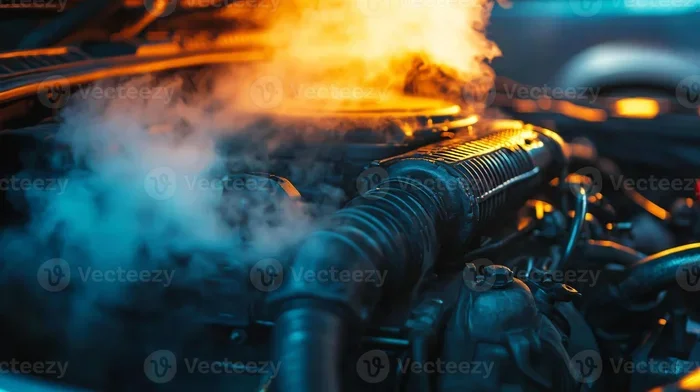
If you see steam rising from under the hood, your engine is likely overheating. This happens when coolant leaks onto hot engine components and evaporates immediately. Steam can also come from a cracked radiator hose or a loose connection. Stop driving and let the engine cool down before opening the hood.
Reduced Heating Performance
Your car’s heater relies on hot coolant flowing through the heater core. If you notice the heater blowing cold air even when the engine is warm, your coolant level might be too low. This is an often-overlooked sign of a coolant leak.
How to Diagnose a Coolant Leak
Finding the exact source of a coolant leak requires a bit of detective work. Sometimes the leak is obvious, and other times it is hidden. Here are some practical steps you can take to identify the problem.
Visual Inspection
Start by opening the hood and looking for wet spots, stains, or dried coolant residue. Check around the hoses, radiator, water pump, and heater core connections. A flashlight can help you see into tight spaces. Look for any crusty or colored deposits, which indicate where coolant has been leaking and evaporating.
Pressure Test the Cooling System
A cooling system pressure test is one of the most effective diagnostic tools. A mechanic attaches a pressure pump to the radiator or coolant reservoir. The system is pressurized to simulate operating conditions. If there is a leak, you will see coolant escaping from the damaged area. This test can reveal even very small leaks that are hard to see with the naked eye.
Use a UV Dye
Some coolant leak repair kits include a UV-reactive dye. You add the dye to the coolant system, run the engine, and then use a UV light to scan for leaks. The dye glows brightly under the light, making even tiny leaks easy to find. This method works well for slow leaks that are difficult to trace by sight alone.
Check the Oil and Coolant Interaction
Open your oil dipstick and look at the color of the oil. If it looks milky or frothy, coolant may have mixed with the oil. This is a serious sign that could indicate a blown head gasket. Do not drive the vehicle in this condition. Have it towed to a repair shop immediately.
Inspect the Overflow Reservoir
The coolant reservoir or overflow tank shows the current level of fluid. If the level is consistently dropping, you have a leak somewhere in the system. Mark the current level with a piece of tape and check it again after a day or two. A drop in level confirms that fluid is being lost.
The Damage a Coolant Leak Can Cause to Your Engine
Driving with a coolant leak is like running your car without a safety net. The damage can range from minor to catastrophic, depending on the size of the leak and how long you continue to drive.
Warped Cylinder Head
When the engine overheats, the aluminum cylinder head can warp. A warped head does not sit flush against the engine block. This creates gaps that allow combustion gases to escape and coolant to leak into the cylinders. Repairing a warped head often requires expensive machining or replacement.
Cracked Engine Block
In extreme cases, prolonged overheating can cause the engine block itself to crack. A cracked block allows coolant to mix with engine oil and combustion gases to escape into the cooling system. This type of damage often requires a complete engine replacement or a very expensive rebuild.
Damaged Catalytic Converter
When coolant enters the combustion chambers, it burns and produces white exhaust smoke. The chemicals in coolant can contaminate and clog the catalytic converter. A failed catalytic converter is an expensive repair that affects your vehicle’s emissions and performance.
Corrosion Inside the Cooling System
Low coolant levels expose metal surfaces to air. This accelerates corrosion inside the radiator, water pump, and engine passages. Over time, corrosion creates more leaks and reduces the efficiency of the entire cooling system. It becomes a vicious cycle that gets worse the longer you ignore the problem.
Thermostat and Water Pump Damage
Overheating can damage the thermostat and water pump as well. The thermostat is a heat-sensitive valve that regulates coolant flow. High temperatures can cause it to stick open or closed. The water pump relies on coolant for lubrication and cooling of its internal bearings. Without enough fluid, the pump can seize and fail entirely.
Coolant Leak Repair Costs
The cost to repair a coolant leak varies widely depending on the source and severity of the leak. Addressing the problem early almost always costs less than waiting for damage to occur.
| Repair Type | Average Cost Range | Severity Level |
|---|---|---|
| Radiator Hose Replacement | $50 – $150 | Low |
| Radiator Cap Replacement | $10 – $30 | Low |
| Thermostat Replacement | $100 – $250 | Medium |
| Water Pump Replacement | $300 – $750 | Medium |
| Radiator Repair or Replacement | $200 – $900 | Medium to High |
| Heater Core Replacement | $300 – $800 | Medium to High |
| Head Gasket Replacement | $1,000 – $2,500 | High |
| Engine Block Repair or Replacement | $3,000 – $7,000+ | Critical |
As you can see from the table, the cost increases dramatically when a simple leak is left unaddressed. A radiator hose replacement might cost you just a few hundred dollars. But a blown head gasket can easily exceed $1,500. The difference is almost entirely in how quickly you respond to the initial warning signs.
Quick Tips to Prevent Coolant Leaks and Overheating
Prevention is always better than repair. Taking a few simple steps can keep your cooling system in great shape and prevent coolant leaks from developing.
- Check your coolant level monthly. Open the hood and look at the coolant reservoir. The fluid should be between the minimum and maximum markers. If it is low, top it off and investigate the cause.
- Inspect hoses and connections regularly. Look for cracks, swelling, or dampness around hose clamps. Replace any hose that looks worn or brittle.
- Flush and replace coolant on schedule. Most manufacturers recommend a coolant flush every 30,000 to 50,000 miles. Old coolant loses its protective properties and can cause internal corrosion.
- Use the correct coolant type. Different vehicles require different coolant formulations. Check your owner’s manual to make sure you are using the right one. Mixing incompatible coolants can cause chemical reactions that damage seals.
- Monitor your temperature gauge while driving. Keep an eye on the temperature gauge during your daily commute. If it starts climbing, pull over and investigate.
- Replace the radiator cap every few years. The cap is a small and inexpensive part that plays a big role in maintaining system pressure. A worn cap can cause slow leaks and pressure loss.
- Address small leaks immediately. Do not ignore a small puddle or a slight drop in coolant level. A minor leak today can become a major problem tomorrow.
Expert Insight
Seasoned mechanics often say that the cheapest repair is the one you do early. A coolant leak that costs $50 to fix today could cost $3,000 to repair next month if it leads to engine overheating and a cracked head gasket. Stay proactive with your vehicle’s maintenance schedule.
Common Mistakes Drivers Make with Coolant Leaks
Many drivers make mistakes when dealing with a coolant leak. Avoiding these common errors can save you time, money, and stress.
Topping Off Coolant Without Finding the Leak
It is tempting to simply add more coolant and keep driving. But this only masks the problem. The leak will continue, and you will keep losing fluid. Eventually, the coolant level drops too low, and the engine overheats. Always find and fix the source of the leak.
Using Water Instead of Coolant
Some drivers top off the system with plain water in an emergency. While water can work temporarily, it does not have the same boiling point or corrosion protection as proper coolant mixture. Using water long-term can cause mineral buildup and internal corrosion.
Ignoring a Slow Leak
A slow drip might seem harmless, but it adds up over days and weeks. A slow leak can drain your entire coolant reservoir without you noticing. By the time you see the temperature gauge rising, significant damage may have already occurred.
Using the Wrong Coolant Type
Not all coolants are the same. Using the wrong type can cause chemical incompatibility with seals and gaskets. This can actually create new leaks or worsen existing ones. Always check your owner’s manual for the recommended coolant specification.
Neglecting Regular Maintenance
Skipping scheduled coolant flushes and inspections is one of the biggest mistakes drivers make. Old coolant becomes acidic and loses its ability to protect the system. Regular maintenance keeps everything flowing smoothly and prevents unexpected failures.
When to See a Professional Mechanic
Some coolant leak repairs are simple enough for a DIY enthusiast. Replacing a radiator hose or a radiator cap can often be done at home with basic tools. However, certain situations require professional attention.
If you suspect a blown head gasket, do not attempt to repair it yourself. Head gasket replacement involves removing the cylinder head and requires specialized tools and expertise. Similarly, a cracked engine block or a failed water pump located deep within the engine bay is best left to a qualified mechanic.
Also, see a professional if you notice any of the following:
- The temperature gauge reads high even after adding coolant.
- You see white smoke coming from the exhaust.
- The oil on your dipstick looks milky or frothy.
- You hear unusual sounds from the engine, such as knocking or gurgling.
- The vehicle overheats repeatedly despite having a full coolant level.
A professional mechanic can perform a thorough inspection, run diagnostic tests, and recommend the right repair for your specific situation. Investing in a proper diagnosis can prevent you from wasting money on the wrong repair.
Conclusion
The answer to the question “Can a coolant leak cause overheating?” is a definitive yes. A coolant leak removes the fluid your engine needs to stay cool. Without proper cooling, the engine overheats, and the damage can be severe. From warped cylinder heads to cracked engine blocks, the consequences of ignoring a coolant leak are costly and serious.
The good news is that most coolant leaks are easy to prevent and affordable to repair when caught early. Regular maintenance, routine inspections, and prompt attention to warning signs can keep your cooling system working properly for years. Do not wait for the temperature gauge to hit the red zone. Check your coolant level, inspect your hoses, and address any leaks the moment you notice them.
Your engine is the heart of your vehicle. Protecting it from overheating starts with something as simple as maintaining the right coolant level. Take care of your car today, and it will take care of you tomorrow.
Frequently Asked Questions
Can a small coolant leak cause the engine to overheat?
Yes, even a small coolant leak can eventually cause overheating. A slow drip might not cause immediate problems, but it gradually reduces the fluid level. Over days or weeks, the coolant level drops enough that the engine can no longer be cooled properly. Always address even the smallest leak promptly.
How long can you drive with a coolant leak?
You should not drive at all with a known coolant leak. The amount of time you can safely drive depends on the size of the leak. A large leak can drain the system in minutes, while a small leak might give you a few days. However, driving with low coolant risks engine damage that can cost thousands of dollars to repair.
What color is coolant, and how can I tell it from other fluids?
Coolant is typically bright green, orange, pink, or yellow. It has a slightly slippery feel and a sweet smell. This distinguishes it from engine oil, which is amber or brown and feels oily, and from brake fluid, which is clear or light brown. If you find a puddle under your car, check the color and texture to identify it.
Can a coolant leak cause the check engine light to come on?
Yes, a coolant leak can indirectly trigger the check engine light. When the engine overheats due to low coolant, sensors detect the abnormal temperature and send a warning to the engine control unit. Additionally, if coolant enters the combustion chambers, it can affect oxygen sensors and catalytic converter readings, both of which can illuminate the warning light.
Is it safe to add coolant to a hot engine?
No, it is not safe to open the radiator cap on a hot engine. The cooling system is under pressure, and hot coolant can spray out and cause severe burns. Always let the engine cool down completely before adding coolant or inspecting the system. Wait at least 30 minutes after turning off the engine.
How often should I change my coolant to prevent leaks?
Most vehicle manufacturers recommend a coolant flush every 30,000 to 50,000 miles, or every two to five years. Check your owner’s manual for the specific schedule for your vehicle. Fresh coolant contains corrosion inhibitors that protect seals and gaskets from deteriorating, which helps prevent leaks from forming.