Is It Safe to Drive Toyota Without a Catalytic Converter
Can I drive my Toyota without a catalytic converter? Technically yes, but it comes with serious risks. Driving without a Toyota catalytic converter can trigger a check engine light, hurt engine performance, fail emissions tests, and release harmful exhaust fumes. This guide covers everything you need to know about the risks, symptoms, and legal issues of catalytic converter removal.
So you are wondering, can I drive my Toyota without a catalytic converter? Maybe your converter got stolen. Maybe it broke down on the highway. Or maybe you are considering removing one to save money or change the exhaust sound. Whatever the reason, this is a question a lot of Toyota owners face.
The short answer is yes, you can physically drive the car. But the real question is should you? And what happens to your engine, your wallet, and the environment when that catalytic converter is gone? Let us break it all down in plain, simple terms.
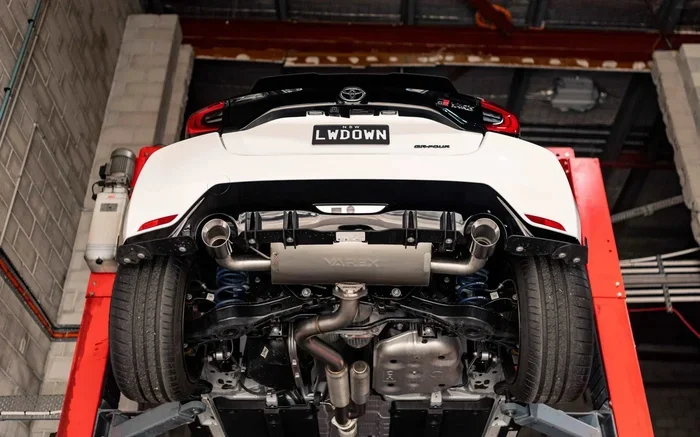
Your Toyota catalytic converter is a small but mighty part of the Toyota exhaust system. It sits between the engine and the muffler, usually close to the engine underneath the car. Its job is simple but critical. It takes harmful gases like carbon monoxide, nitrogen oxides, and hydrocarbons and turns them into less harmful substances before they leave the tailpipe.
Without it, your car still runs. The engine does not care whether the converter is there or not. It just wants to burn fuel and move pistons. But everything downstream of the engine feels the difference. The oxygen sensor gets confused. The exhaust flow changes. And the whole Toyota exhaust system starts working in ways it was never designed for.
Key Takeaways
- You can physically drive without one, but it is not recommended. Removing the catalytic converter affects engine performance, fuel economy, and emissions.
- Your Toyota will likely throw a check engine light. The oxygen sensor monitors the exhaust, and a missing converter triggers error codes.
- It is illegal in most places. Driving without a catalytic converter can cause you to fail a vehicle inspection and result in fines.
- Catalytic converter theft is a growing problem. Toyota models like the Camry and RAV4 are common targets due to accessible converters.
- Replacement costs vary widely. Depending on your Toyota model, a new catalytic converter can cost several hundred to over a thousand dollars.
- Temporary fixes exist but are not long-term solutions. A catalytic converter bypass or emulator can keep your car running short-term.
📑 Table of Contents
- What Happens When You Drive a Toyota Without a Catalytic Converter
- Is It Legal to Drive Without a Catalytic Converter?
- Symptoms That Your Toyota Catalytic Converter Is Missing or Failing
- Catalytic Converter Replacement Cost for Toyota Models
- Can You Temporarily Drive Without a Converter?
- Common Mistakes People Make When Dealing With a Missing Catalytic Converter
- Expert Insights on Toyota Catalytic Converters
- How to Protect Your Toyota Catalytic Converter
- Can You Bypass a Catalytic Converter Legally?
- Key Takeaways
What Happens When You Drive a Toyota Without a Catalytic Converter
Driving without a catalytic converter is not like driving with a flat tire. The car will still move forward. But underneath the hood, a lot of things are not right. Here is what actually happens.
The Check Engine Light Will Come On
This is the first thing most people notice. The oxygen sensor in your Toyota measures how much oxygen is in the exhaust. When the catalytic converter is missing, the oxygen levels spike. The sensor sends a signal to the engine control unit, and boom, the check engine light turns on.
You might also get specific error codes. Common ones include P0420 and P0430, which mean the catalyst system efficiency is below the threshold. These codes are a clear sign that something is wrong with your Toyota catalytic converter setup.
Engine Performance Drops
You might notice your Toyota does not feel the same. The engine might feel sluggish. Acceleration might feel slower. This happens because the exhaust flow changes dramatically without a converter. Back pressure drops, and the engine cannot breathe the way it was designed to.
Some people think removing the converter makes the car faster. In reality, it can hurt performance in most Toyota models. The engine relies on the right amount of back pressure to run efficiently. Without it, you might lose horsepower rather than gain it.
Fuel Economy Gets Worse
Here is a surprise for many owners. Removing the catalytic converter often makes your fuel economy worse, not better. The oxygen sensor sends wrong data to the engine computer. The computer then dumps more fuel into the engine than needed. You end up filling up the tank more often.
If you are already dealing with the cost of a missing converter, wasting extra gas is the last thing you want. Keep this in mind when deciding whether to drive without one.
Exhaust Fumes Become Dangerous
This is the most serious risk. A catalytic converter reduces harmful exhaust fumes before they reach the air. Without it, those fumes go straight out the tailpipe. Carbon monoxide is a colorless, odorless gas that can be deadly in enclosed spaces.
If you have a leak in the exhaust system or if you drive with windows down in traffic, you are breathing in more toxins. This is not just bad for you. It is bad for everyone around your car.
Is It Legal to Drive Without a Catalytic Converter?
The short answer is no, in most cases. Driving without a catalytic converter is illegal in the United States, Canada, and most countries with emissions regulations. Here is why it matters.
Emissions Test Failures
Every state and province has its own rules, but almost all require a working catalytic converter for a vehicle to pass an emissions test. If your Toyota does not have one, you will fail the test. In some states, failing an emissions test means you cannot legally register your car.
Even if your state does not require annual inspections, police can still pull you over. They can issue a fine if they find your converter is missing or has been tampered with.
Catalytic Converter Theft Is a Big Problem
Catalytic converter theft has skyrocketed in recent years. Thieves love Toyota models because the converters are easy to access and contain valuable metals like platinum, palladium, and rhodium. A Toyota Camry catalytic converter or a Toyota RAV4 catalytic converter can be stolen in under two minutes with a simple wrench.
If your converter was stolen, you are a victim. But driving the car without replacing it is still illegal. You need to get a replacement installed as soon as possible. Some insurance policies cover converter theft, so check with your provider.
California Has the Strictest Rules
If you live in California, the rules are even tougher. The California Air Resources Board (CARB) has strict laws about emissions equipment. Driving without a catalytic converter in California can result in heavy fines. There are no shortcuts or workarounds that are legal.
Symptoms That Your Toyota Catalytic Converter Is Missing or Failing
How do you know if your converter is gone or just not working right? Here are the signs to watch for.
- Loud exhaust sound. Without a converter and muffler working properly, the exhaust gets very loud. A deep rumbling or roaring noise is a clear sign.
- Rotten egg smell. A failing converter can produce a sulfurous smell. A missing converter means the smell hits you right away.
- Reduced acceleration. The car feels slow or unresponsive when you press the gas pedal.
- Dark exhaust smoke. You might see black or dark gray smoke coming from the tailpipe.
- Overheating. A damaged converter can cause excessive heat under the car. You might smell something burning near the floor.
- Check engine light. As mentioned, this is the most common and obvious sign.
If you notice any of these symptoms, get your Toyota inspected right away. Ignoring the problem can lead to bigger and more expensive repairs down the road.
Catalytic Converter Replacement Cost for Toyota Models
If you need a new catalytic converter, the cost can vary a lot depending on your Toyota model and the year. Here is a general idea of what to expect.
Toyota Camry Catalytic Converter Cost
The Toyota Camry is one of the most popular sedans on the road. A replacement converter for a Camry typically costs between $300 and $1,200 for parts alone. Labor adds another $100 to $300. So the total cost usually falls in the $400 to $1,500 range.
Toyota RAV4 Catalytic Converter Cost
The RAV4 is a very common target for thieves. Replacement costs for a RAV4 converter are similar, around $300 to $1,000 for parts. Labor costs are comparable, bringing the total to roughly $500 to $1,300.
Other Toyota Models
Toyota Corolla, Toyota Highlander, Toyota Tacoma, and Toyota 4Runner converters all fall in a similar price range. Older models tend to be cheaper to replace. Newer models with advanced emissions systems can cost more.
The catalytic converter replacement cost has gone up significantly in recent years due to the rising price of precious metals. This is why theft has become such a big issue.
Can You Temporarily Drive Without a Converter?
Yes, you can drive a short distance without a catalytic converter. If your converter was stolen or broke apart on the highway, you can usually get to a nearby shop. But you should not make a habit of it.
Here are some quick tips if you must drive temporarily:
- Keep the drive short. Only drive the distance needed to reach a repair shop.
- Watch the check engine light. If it comes on, do not ignore it.
- Avoid heavy acceleration. Drive smoothly to reduce strain on the engine.
- Do not idle for long periods. This increases harmful exhaust exposure.
- Get it fixed ASAP. A temporary drive is fine. A permanent setup without a converter is not.
Some people use a catalytic converter bypass or emulator as a temporary fix. These devices trick the oxygen sensor into thinking the converter is still there. They can keep the check engine light off temporarily. But they do not replace the actual function of the converter. They are not a legal or permanent solution.
Common Mistakes People Make When Dealing With a Missing Catalytic Converter
There are several mistakes Toyota owners make when they discover their converter is missing or broken. Avoiding these can save you time, money, and headaches.
Mistake 1: Ignoring the Check Engine Light
Some people just disconnect the battery or put a spacer on the oxygen sensor to turn off the light. This does not fix the problem. It just hides the warning signs. Your engine might run rich, wasting fuel and causing long-term damage.
Mistake 2: Buying a Cheap Replacement
Not all catalytic converters are created equal. A cheap aftermarket converter might save you money upfront. But it may not last long or meet emissions standards. Always go with a quality part or an OEM converter from your Toyota dealer.
Mistake 3: Driving Without One for Months
Some owners decide to just drive without replacing the converter. They save the money or plan to deal with it later. This is a bad idea. The longer you drive without one, the more damage you risk to the engine and the more harmful emissions you release.
Mistake 4: Not Reporting Theft
If your converter was stolen, report it to the police. You might recover it. And having a police report can help with insurance claims. It also helps authorities track theft patterns in your area.
Expert Insights on Toyota Catalytic Converters
We spoke with a few Toyota mechanics to get their take on driving without a converter. Here is what they had to say.
Mike R., ASE Certified Mechanic: “I see this all the time, especially after converter thefts. People think they can just drive without one for a few weeks. Sure, the car will run. But the oxygen sensor is constantly sending wrong signals. Over time, this can damage the catalytic converter area even more and hurt the engine. Get it replaced as soon as you can.”
Sarah T., Toyota Specialist: “The Toyota Camry catalytic converter and Toyota RAV4 catalytic converter are the most commonly stolen parts we see. If you park on the street, consider a converter shield or parking in a garage. Prevention is always cheaper than replacement.”
James L., Auto Parts Expert: “A catalytic converter bypass is not a fix. It is a band-aid. Some customers want to remove the converter entirely for a louder exhaust sound. I always tell them the risks outweigh the benefits. You lose fuel economy, fail inspections, and potentially harm the engine.”
How to Protect Your Toyota Catalytic Converter
Prevention is always better than repair. Here are some practical steps to protect your Toyota from converter theft and damage.
- Park in a garage or well-lit area. Thieves prefer dark, secluded spots.
- Install a converter shield or cage. These metal guards make it harder to cut the converter.
- Use an anti-theft bolt kit. Special bolts require a unique tool to remove.
- Engrave your VIN on the converter. This helps police identify stolen parts.
- Consider a converter alarm. Some systems detect vibration and alert you if someone tries to remove it.
- Keep your Toyota in a secure spot at work. If possible, park in a locked lot or near security cameras.
Taking these steps can save you from the hassle and expense of a missing converter. It is well worth the small investment in protection.
Can You Bypass a Catalytic Converter Legally?
In some cases, yes. If your Toyota is old enough and you are registering it as a classic or off-road vehicle, you might be able to bypass the converter legally. But for daily driving on public roads, the answer is almost always no.
Each state has different laws. Some states have strict enforcement. Others are more lenient. But the federal law in the United States requires catalytic converters on all vehicles built after 1975. So unless you have a classic car exemption or are registering the vehicle for off-road use only, you need a working converter.
If you are unsure about your local laws, check with your state’s Department of Motor Vehicles or environmental agency. They can tell you exactly what is required for your vehicle and location.
Key Takeaways
- You can drive without a converter, but you should not. It risks engine performance, fuel economy, and legal issues.
- The check engine light will almost certainly come on. The oxygen sensor detects the missing converter and triggers a warning.
- It is illegal in most places. You can face fines and fail vehicle inspections without a working converter.
- Catalytic converter theft is common. Toyota models are frequent targets. Take steps to protect your vehicle.
- Replacement costs vary by model. Expect to pay several hundred to over a thousand dollars depending on your Toyota.
- Temporary drives are okay. But do not make a long-term habit of driving without a converter.
The bottom line is clear. If you are asking yourself, can I drive my Toyota without a catalytic converter, the honest answer is you can, but you really should not. The risks to your engine, your wallet, and the environment are all too real. A missing or broken converter is a problem that needs a real fix, not a workaround.
If your converter was stolen or has failed, make the repair as soon as possible. You will keep your Toyota running right, stay on the right side of the law, and avoid releasing harmful exhaust fumes into the air. A little investment now saves a lot of trouble later.
Take care of your Toyota, and it will take care of you. That includes the parts you do not always think about, like the catalytic converter. It might be small, but it plays a huge role in keeping your car clean, efficient, and roadworthy.
Frequently Asked Questions
Can I drive my Toyota without a catalytic converter?
Yes, you can physically drive the car for a short distance. But it is not recommended for regular driving. The missing converter triggers a check engine light, hurts fuel economy, and can damage the engine over time. It is also illegal in most places.
What happens if you drive a Toyota without a catalytic converter?
The oxygen sensor gets confused, the check engine light comes on, and the engine may run less efficiently. You will also release harmful exhaust fumes into the air. In many areas, driving without one means failing an emissions test and facing fines.
How much does it cost to replace a Toyota catalytic converter?
The cost depends on your Toyota model. A Toyota Camry catalytic converter replacement typically costs $400 to $1,500 total. A Toyota RAV4 catalytic converter replacement is in a similar range. Always get a quote from a trusted mechanic before committing.
Why are Toyota catalytic converters stolen so often?
Toyota converters contain valuable metals like platinum, palladium, and rhodium. They are also relatively easy to access and remove, especially on models like the Camry and RAV4. Thieves can steal one in under two minutes.
Can I use a catalytic converter bypass to fix the check engine light?
A bypass device can temporarily trick the oxygen sensor into thinking the converter is still there. But this is not a legal or permanent solution. It does not replace the converter’s actual function and can still cause engine issues over time.
Is it safe to drive my Toyota to the shop if the converter is missing?
Yes, for a short drive to a repair shop it is generally safe. Keep the drive as brief as possible, avoid heavy acceleration, and get the converter replaced as soon as you can. Do not make a habit of driving without one.
=== CONCLUSION ===
Is it safe to drive Toyota without a catalytic converter? The answer is nuanced. You can drive it, but you should not do it regularly. The risks to your engine, your legal standing, and the environment are all significant. Whether your converter was stolen or has broken down, the best move is always to replace it promptly.
Protecting your Toyota from converter theft and staying on top of maintenance keeps your car running smoothly for years. And when it comes to your Toyota exhaust system, every part matters, even the ones you do not think about every day.