Can We Convert Any Petrol Car to CNG and Save Money
Yes, you can convert most petrol cars to CNG and start saving on fuel costs today. A petrol to CNG conversion uses a CNG conversion kit that lets your engine run on compressed natural gas. This guide covers conversion costs, compatible cars, CNG mileage gains, and whether the investment pays off.
Have you ever wondered whether you can convert any petrol car to CNG and actually save money? It is a question that many car owners ask, especially when fuel prices keep climbing. The idea of running your car on a cheaper fuel source sounds great on paper. But the real answer is more nuanced than a simple yes or no.
This guide walks you through everything you need to know about petrol car conversion to CNG. We will cover how the process works, which cars qualify, what it costs, and whether the savings justify the investment. By the end, you will have a clear picture of whether converting your petrol car to CNG makes sense for your wallet and your driving needs.
Key Takeaways
- Most petrol cars can be converted to CNG: The process works with many models, but compatibility depends on your engine type and age.
- CNG fuel costs significantly less than petrol: You can save 40 to 60 percent on monthly fuel bills.
- A CNG conversion kit costs between 40,000 and 1,00,000 INR: The price varies based on kit quality and car model.
- Dual fuel cars offer flexibility: You can switch between petrol and CNG anytime while driving.
- Regular maintenance is essential: CNG engines need periodic checks to stay safe and efficient.
- Factory CNG cars are the best option: They come with manufacturer warranties and built-in safety features.
- Retrofitting older cars has trade-offs: You gain fuel savings but may lose some boot space and engine life.
📑 Table of Contents
- How Does a Petrol to CNG Conversion Work?
- Which Cars Can You Convert to CNG?
- CNG Conversion Kit Installation and Cost
- CNG vs Petrol: Fuel Savings and Mileage
- Benefits and Drawbacks of CNG Conversion
- Is CNG Conversion Worth It? The Final Verdict
- Common Mistakes People Make with CNG Conversion
- Frequently Asked Questions About Petrol to CNG Conversion
- Conclusion
How Does a Petrol to CNG Conversion Work?
Converting a petrol car to compressed natural gas involves installing a CNG conversion kit into your vehicle. This kit replaces or supplements your petrol fuel system. The engine now draws fuel from two sources, giving you the option to switch between petrol and CNG fuel while driving.
The Basic Components of a CNG Kit
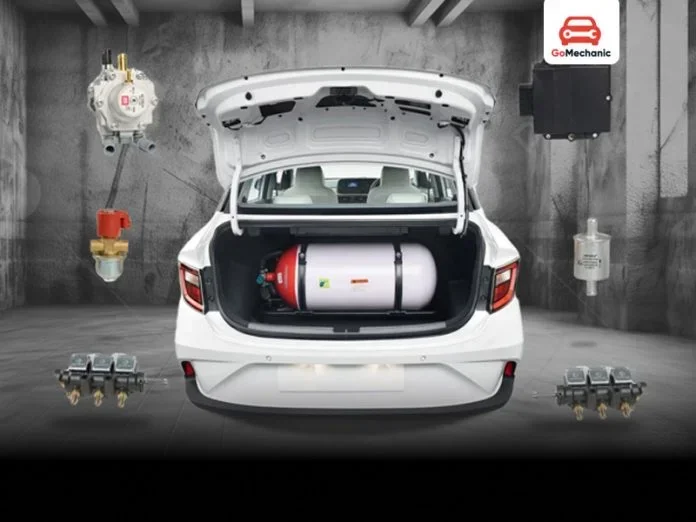
A standard CNG kit includes several key parts. Each one plays a role in making the conversion work safely and efficiently:
- CNG cylinders: These are the fuel tanks that store compressed natural gas. They are usually installed in the boot space.
- Fuel lines and regulators: These control the flow and pressure of gas from the cylinder to the engine.
- Electronic control unit (ECU): This smart module manages the fuel-air mixture and switches between petrol and CNG.
- Inlet valve modification: The engine needs adjustments to handle gas fuel properly.
- Manual or automatic switch: This lets you toggle between fuel types from the dashboard.
The CNG engine modification process is not something you should attempt at home. Certified technicians handle the installation to ensure safety and performance. A proper setup can last for years with regular CNG car maintenance.
Types of CNG Conversion Systems
There are two main types of systems used in retrofitting petrol cars. Understanding them helps you choose the right option.
Sequential injection kits are the most popular choice today. They deliver gas directly into each cylinder in a precise sequence. This method offers better mileage and smoother engine performance. Most modern cars use this type of system.
Venturi-type kits are an older and simpler design. They mix fuel and air using a vacuum-based mechanism. These kits are cheaper but less efficient. They work better with older cars that have carbureted engines.
Which Cars Can You Convert to CNG?
Not every car is a good candidate for petrol to CNG conversion. The decision depends on several factors. Let us look at what makes a car compatible and what to watch out for.
Engine Compatibility Matters
The most important factor is your car’s engine compatibility. Most petrol-only cars with spark-ignition engines can be converted. However, some engines handle gas better than others.
Cars with smaller displacement engines, usually between 1,000 and 1,500 cc, tend to work well with CNG conversion kits. These engines have lower compression ratios, which suit gas fuel. High-performance petrol engines with turbochargers may not be ideal candidates.
Diesel cars cannot be converted to CNG using standard kits. The combustion process in diesel engines is fundamentally different. Attempting such a conversion can damage your engine and void your warranty.
Age and Condition of Your Car
The age of your vehicle plays a big role too. Newer cars with fuel injection systems adapt better to CNG kits. Older cars with carburetors may need more extensive modifications.
Here are some general guidelines to keep in mind:
- Cars less than 5 years old: Great candidates for conversion with minimal engine stress.
- Cars between 5 and 10 years old: Still viable, but get a thorough engine check first.
- Cars older than 10 years: Proceed with caution. The engine may already have wear and tear.
Always consult a trusted mechanic before deciding. They can assess whether your specific model handles dual fuel operation well.
CNG Conversion Kit Installation and Cost
The conversion cost is one of the biggest factors that car owners consider. Understanding what you are paying for helps you make an informed decision.
How Much Does a CNG Kit Cost?
The price of a CNG kit price varies widely based on quality and brand. Here is a rough breakdown of costs:
| Kit Type | Approximate Cost (INR) | Best For |
|---|---|---|
| Basic Venturi Kit | 25,000 – 40,000 | Older carbureted cars |
| Sequential Injection Kit | 50,000 – 80,000 | Modern fuel-injected cars |
| Premium Sequential Kit | 80,000 – 1,20,000 | High-end and luxury cars |
Installation charges are usually separate and can add 5,000 to 15,000 INR. The total petrol car conversion expense typically ranges from 40,000 to 1,00,000 INR.
Where Should You Get the Kit Installed?
Always choose an authorized CNG kit installation center. Reputable brands like Landi Renzo, Lovato, and Zavoli have certified dealers across India. Avoid cheap, unbranded kits. They may save money upfront but can cause serious engine problems later.
Quick Tip: Ask the installer for a warranty on both the kit and the labor. A good installation center offers at least a one-year warranty on parts and work.
CNG vs Petrol: Fuel Savings and Mileage
The main reason most people consider converting petrol car to CNG is to save money on fuel. And the numbers do look promising. Let us break down the real-world savings.
Fuel Cost Comparison
CNG fuel cost is significantly lower than petrol in most cities. Here is a simple comparison based on average Indian fuel prices:
- Petrol price: Around 95 to 100 INR per liter (prices vary by city).
- CNG price: Around 55 to 75 INR per kilogram (prices vary by city).
- Cost per kilometer: CNG typically costs 40 to 60 percent less per kilometer than petrol.
If you drive 1,500 kilometers per month, switching to CNG mileage can save you 3,000 to 5,000 INR every month. Over a year, that adds up to 36,000 to 60,000 INR in savings.
How Does CNG Mileage Compare?
A dual fuel car running on CNG generally delivers 15 to 20 percent more kilometers per kilogram compared to petrol per liter. However, CNG has lower energy density than petrol. This means you may need to refuel more often.
In real-world driving, most CNG vehicle owners report the following mileage ranges:
- Small cars (1,000 – 1,200 cc): 28 to 32 km per kg on CNG.
- Mid-size sedans (1,400 – 1,600 cc): 24 to 28 km per kg on CNG.
- SUVs and larger cars: 18 to 22 km per kg on CNG.
The fuel savings depend on your driving habits, city traffic, and the condition of your CNG conversion kit. Keeping your kit well-maintained ensures you get the best mileage possible.
Benefits and Drawbacks of CNG Conversion
Every fuel option has pros and cons. Let us look at both sides of converting your petrol car to compressed natural gas.
Top Benefits of CNG Conversion
- Lower fuel costs: CNG is cheaper per unit of energy, saving you significant money over time.
- Cleaner emissions: CNG burns cleaner than petrol, reducing harmful exhaust gases.
- Less engine wear: Natural gas does not contain carbon deposits, so your engine stays cleaner longer.
- Dual fuel flexibility: You can switch to petrol when CNG stations are not available.
- Government incentives: Some states offer tax benefits or subsidies for CNG vehicles.
Common Drawbacks You Should Know
- Reduced boot space: The CNG cylinder takes up space in your boot or undercarriage.
- Fewer refueling stations: CNG stations are not as widely available as petrol pumps, especially in rural areas.
- Higher upfront cost: The conversion cost can take 1 to 2 years to recover through fuel savings.
- Engine power loss: CNG produces less power than petrol. You may notice a slight drop in acceleration.
- Regular maintenance: You need periodic inspections of cylinders, lines, and the ECU for CNG safety.
Expert Insight: Most CNG conversion experts agree that the benefits outweigh the drawbacks for daily commuters. If you drive more than 1,000 kilometers per month, the payback period is usually under 18 months.
Quick Tips for Maximizing Your CNG Savings
Follow these simple tips to get the most out of your petrol to CNG conversion:
- Keep your CNG cylinder pressure within the recommended range.
- Get your kit serviced every 10,000 kilometers or as per the manufacturer’s guidelines.
- Always use the petrol reserve for cold starts and long highway drives.
- Avoid running on empty CNG tanks to prevent moisture buildup in the lines.
- Drive smoothly and avoid aggressive acceleration to improve CNG mileage.
Is CNG Conversion Worth It? The Final Verdict
After considering all the factors, the answer depends on your specific situation. Let us summarize when converting your petrol car to CNG makes sense and when it might not.
It is worth it if: You drive more than 1,000 kilometers per month, your car is compatible with a CNG conversion kit, and you have easy access to CNG refueling stations. The fuel savings will quickly offset the initial conversion cost.
It may not be worth it if: You drive less than 500 kilometers per month, your car is very old or in poor condition, or you rarely have access to CNG stations. In these cases, the payback period becomes too long.
For those who own factory CNG cars, the benefits are even greater. These vehicles come with manufacturer warranties, optimized engine tuning, and built-in safety features. If you are buying a new car, consider a factory CNG variant instead of retrofitting.
The bottom line is clear. A well-done CNG engine modification on a compatible car can deliver real financial benefits. Just make sure you work with certified professionals, use quality kits, and commit to regular maintenance. Your wallet will thank you over time.
Common Mistakes People Make with CNG Conversion
Many car owners make avoidable errors when converting to CNG. Here are the most common mistakes and how to prevent them.
Choosing the Cheapest Kit Available
Low-cost kits may seem attractive, but they often lack safety features and efficiency. A poor-quality CNG conversion kit can damage your engine and reduce CNG mileage. Always invest in a reputable brand with proper certification.
Ignoring Cylinder Inspections
CNG cylinders need periodic hydro-testing to check for leaks and structural integrity. Skipping these inspections is a serious CNG safety risk. Most regulations require testing every three to five years.
Not Maintaining the Petrol System
Since you still have a petrol tank, you must use petrol regularly. Letting the petrol system sit unused for months can cause fuel lines to clog. Run on petrol at least once every two weeks to keep everything in good condition.
Overloading the Boot with Heavy Kits
Heavy CNG cylinders can strain your car’s suspension and handling over time. Choose lightweight cylinders when possible, and make sure the installation does not compromise your vehicle’s balance.
Frequently Asked Questions About Petrol to CNG Conversion
Can any petrol car be converted to CNG?
Most petrol cars with spark-ignition engines can be converted, but compatibility depends on your engine size, age, and fuel system. Cars with fuel injection work better than older carbureted models. Always get a professional assessment before proceeding with petrol car conversion.
How long does a CNG conversion kit last?
A quality CNG kit can last 5 to 8 years with proper CNG car maintenance. The cylinders typically need hydro-testing every 3 to 5 years. Regular servicing of the ECU, fuel lines, and regulator ensures long-lasting performance.
Does CNG conversion affect car insurance?
Most insurance companies do cover CNG-converted cars, but you must inform them about the modification. Some insurers may charge a slightly higher premium. Always check with your provider before getting the kit installed.
Is CNG safe for my car’s engine?
Yes, CNG is a clean-burning fuel that causes less engine wear than petrol. It does not contain carbon deposits, which keeps your engine cleaner. However, improper installation or low-quality kits can lead to problems. Always use certified CNG conversion kit brands and experienced technicians.
How much can I save per month with CNG?
Monthly savings depend on your driving distance and local fuel prices. On average, CNG fuel cost savings range from 3,000 to 5,000 INR per month for regular commuters. Over a year, this can total 36,000 to 60,000 INR in fuel savings.
Can I switch between petrol and CNG while driving?
Yes, most dual fuel cars allow you to switch between fuel types using a dashboard switch. You can even switch while driving at low speeds. The ECU manages the transition smoothly, so you experience no interruption in power delivery.
Conclusion
Converting a petrol car to CNG is a practical and cost-effective choice for many drivers. The petrol to CNG process is well-established, and thousands of cars on the road run happily on compressed natural gas every day. The key is choosing the right kit, working with certified professionals, and staying committed to regular maintenance.
The fuel savings alone make a compelling case, especially for high-mileage drivers. Add in cleaner emissions and less engine wear, and the benefits stack up quickly. While the upfront conversion cost can feel steep, the payback period is usually short enough to make it a smart investment.
Before you decide, assess your car’s compatibility, your driving habits, and the availability of CNG stations in your area. If everything aligns, go ahead and make the switch. Your car, your wallet, and the environment will all benefit from your decision to go with CNG.