Can You Disconnect Cruise Control and Why It Matters
Yes, you can disconnect cruise control — and knowing how to do it is one of the most important driving skills many people overlook. Whether you drive a modern SUV or a classic sedan, your vehicle gives you multiple ways to turn off cruise control instantly. Understanding this simple feature can boost your driving safety, prevent accidents, and give you full control when road conditions change.
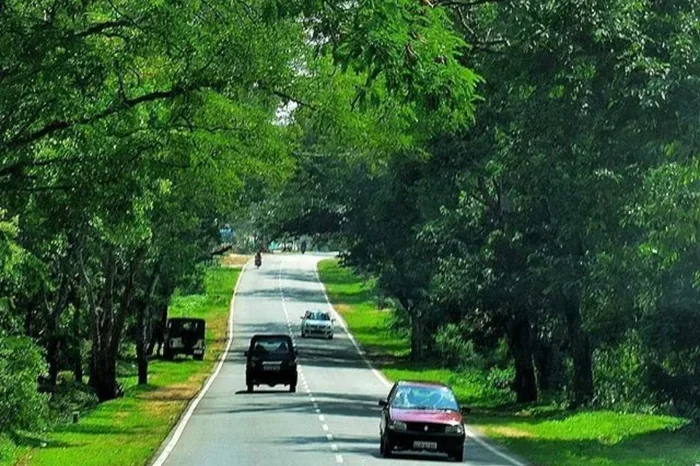
You are cruising down a long highway. The road stretches ahead, and your car is maintaining a steady vehicle speed without you touching the gas pedal. It feels great. But then traffic ahead slows down. A curve appears. Rain starts falling. In moments like these, one simple action matters more than anything: knowing how to disconnect cruise control.
Many drivers spend years behind the wheel without ever thinking about how their cruise control system actually works. They assume it will just “turn off” when needed. But the truth is, understanding the cruise control system in your car can make you a safer, more confident driver. This guide covers everything you need to know about how to turn off cruise control, why it matters, and what to do when things go wrong.
Whether you drive a brand-new truck with adaptive cruise control or an older sedan with a basic setup, this article has you covered. We will walk through every method, every button, and every situation where you need to cancel cruise control fast. Let us dive in.
Key Takeaways
- Easy to Disconnect: Every vehicle has a simple method to disengage cruise control using a button, pedal, or lever.
- Safety First: Knowing how to cancel cruise control quickly helps you react to changing road conditions.
- Multiple Methods: You can use the brake pedal, cruise control switch, or steering wheel buttons depending on your car.
- Adaptive Systems: Modern adaptive cruise control systems have additional features that behave differently when deactivating.
- Common Issues: Understanding cruise control problems helps you troubleshoot when the system won’t turn off.
- Manual Transmissions: If you drive a manual transmission, you have unique considerations when using cruise control.
📑 Table of Contents
- What Is Cruise Control and How Does It Work?
- Can You Disconnect Cruise Control? Yes, Here Is How
- Why Disconnecting Cruise Control Matters
- Common Cruise Control Problems and How to Fix Them
- Cruise Control Tips for Different Vehicle Types
- Quick Tips for Safe Cruise Control Use
- Expert Insights on Cruise Control Safety
- Key Takeaways
- Conclusion
What Is Cruise Control and How Does It Work?
Before we talk about disconnecting, let us quickly cover what cruise control actually does. At its core, a cruise control system is a feature that keeps your car moving at a set vehicle speed without you pressing the accelerator. You set a speed, and the system manages the throttle control for you.
Modern cars have evolved far beyond this basic idea. Today, many vehicles come with adaptive cruise control, which uses sensors and radar to adjust your speed based on traffic ahead. But no matter how advanced the system is, it always relies on you to activate and deactivate it.
The Basic Cruise Control Setup
Most vehicles have a cruise control switch located on the steering wheel or a lever on the steering column. When you press the “ON” or “SET” button, the system locks in your current speed. A small indicator light on the dashboard confirms it is active.
Here is how a basic cruise control setup works:
- You accelerate to your desired speed.
- You press the SET button to lock in that speed.
- The system holds the throttle position automatically.
- You can adjust the speed up or down using resume or coast buttons.
It is a simple and convenient system. But convenience only works when you know how to shut it off quickly and confidently.
How Adaptive Cruise Control Differs
Adaptive cruise control adds a layer of technology on top of the basic system. It uses cameras, radar, or lidar to detect vehicles ahead. When the car in front of you slows down, your car slows down too. When the road clears, it accelerates back to your set speed.
This is amazing for long road trips and heavy traffic. But it also means the disengage cruise control process can vary slightly from a standard system. Some adaptive systems deactivate when you tap the brake. Others require you to press a specific button on the steering wheel. We will cover all of this below.
Can You Disconnect Cruise Control? Yes, Here Is How
The short answer is yes. You can always disconnect cruise control. Every vehicle on the road has a built-in method to turn off cruise control immediately. The method depends on your car’s make, model, and year. Let us break down the most common ways to do it.
Method 1: Press the Brake Pedal
This is the most universal method across all vehicles. When you press the brake pedal, the cruise control system cancels itself automatically. It does not matter if you are driving a Toyota, a Ford, a BMW, or a Honda. The brake pedal is your primary safety link to the cruise control system.
Here is why this works so well:
- It is instinctive. Every driver knows to hit the brake in an emergency.
- It works at any speed.
- It activates your brake lights, alerting drivers behind you.
- It gives you immediate throttle control back.
The moment you lift your foot off the brake after pressing it, most systems will remember your last set speed. You can then press the RESUME button to pick up where you left off. But if you want a full cruise control reset, you will need to turn the system off completely.
Method 2: Use the Cruise Control Switch or Button
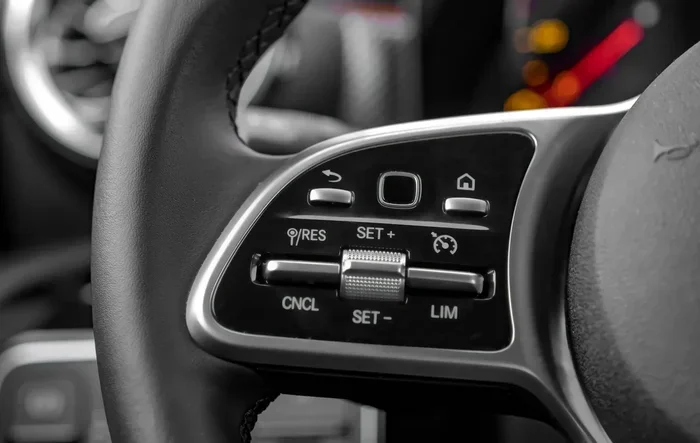
Most vehicles have a dedicated button or switch to cancel cruise control. On the steering wheel, you will typically see a CANCEL button. On older vehicles, there may be a lever on the steering column with an OFF position.
Pressing CANCEL disables the system without erasing your set speed. This is useful when you want to temporarily pause cruise control but plan to resume it shortly. The RESUME button will bring the system back to your previous speed.
Some vehicles also have an OFF button that completely shuts down the cruise control system. When you press this, the system forgets your saved speed entirely. You will need to set it again from scratch.
Method 3: Steering Wheel Controls on Modern Vehicles
Newer vehicles come packed with steering wheel controls that let you manage cruise control without taking your hands off the wheel. These controls often include buttons for:
- ON/OFF — to activate or shut down the system entirely.
- SET/RESUME — to lock in a speed or return to it.
- ACCEL/DECEL — to adjust speed in small increments.
- CANCEL — to temporarily disable the system.
These buttons are designed to be easy to reach and simple to use. But in a sudden situation, you need to know exactly where they are without looking. Practice finding them while parked so you can act fast when it counts.
Method 4: Pull the Cruise Control Lever
Some vehicles, especially older models and certain European cars, use a lever on the steering column to control cruise control. Pulling the lever toward you or pushing it to the OFF position will disengage the system.
This method is less common today, but if you drive a classic car or a vehicle with this style of control, it is the primary way to cancel cruise control. Make sure you know where your lever is and how it feels in different positions.
Why Disconnecting Cruise Control Matters
You might wonder why we need a full article just to explain how to turn off cruise control. The answer is simple: driving safety. Knowing when and how to disengage your cruise control can prevent accidents, save lives, and keep you in full control of your vehicle.
Changing Road Conditions
Road conditions change constantly. A dry, open highway one moment can turn into a wet, curvy road the next. Cruise control is designed for steady, predictable driving. It does not adapt to sudden changes in traction, visibility, or traffic flow.
When you encounter rain, ice, fog, or heavy traffic, you need to be able to disconnect cruise control instantly. The system cannot read the road the way you can. It cannot sense that the surface has become slippery or that a hazard is ahead. Your hands and feet are always the best safety tools you have.
Emergency Situations
In an emergency, every second counts. If a deer jumps in front of your car or the vehicle ahead slams on its brakes, you need immediate response time. Cruise control can actually slow your reaction time because your foot is not resting on the accelerator or brake pedal.
By keeping your foot near the pedals and knowing how to turn off cruise control in a split second, you give yourself the best chance to respond safely. This is one of the most important driving safety habits you can build.
Navigating Curves and Hills
Cruise control works best on flat, straight roads. When you approach a sharp curve or a steep hill, the system may not adjust your speed appropriately. On a downhill slope, for example, some cruise control systems will maintain or even increase speed because they rely on engine braking, which may not be enough.
Experienced drivers know to cancel cruise control before entering curves and steep inclines. They take back manual throttle control and use their judgment to set the right speed for the situation.
City Driving and Stop-and-Go Traffic
Cruise control is not designed for city driving. In stop-and-go traffic, you need to constantly adjust your speed, brake, and accelerate. Using cruise control in these conditions is not only ineffective but also potentially dangerous.
Always disengage cruise control when you enter urban areas, residential streets, or heavy traffic zones. The system is built for highways and open roads, not for navigating intersections and pedestrians.
Common Cruise Control Problems and How to Fix Them
Sometimes cruise control does not work the way it should. You might press the cancel button and nothing happens. Or the system turns off and on randomly. These issues can be frustrating, and they can also be dangerous if you cannot rely on the system when you need it.
Cruise Control Will Not Turn Off
If your cruise control will not disengage, the most common cause is a stuck switch or a faulty cruise control fuse. Start by checking the fuse box under your dashboard. A blown fuse can cause the system to malfunction.
Another possible cause is a sticky brake light switch. Since the brake pedal is tied to the cruise control cancellation system, a faulty switch can prevent proper deactivation. Have a mechanic inspect this if you suspect it is the problem.
Cruise Control Will Not Turn On
If you cannot activate cruise control at all, check a few things first. Make sure the system is not already on. Check that your vehicle speed is above the minimum threshold, which is usually around 25 to 30 mph. Verify that the brake pedal is not stuck or pressed down.
A faulty speed sensor can also prevent cruise control from working. This sensor tells the system how fast you are going, and if it fails, the entire cruise control system will shut down as a safety measure.
Adaptive Cruise Control Malfunctions
For vehicles with adaptive cruise control, malfunctions can be more complex. The system relies on sensors, cameras, and radar to function. Dirt, snow, or debris on these components can cause the system to fail or behave unpredictably.
If your adaptive cruise control keeps turning off or will not engage, check the sensors first. Clean them gently with a soft cloth. If the problem persists, your vehicle may need a software update or a professional diagnosis.
Cruise Control Resets Unexpectedly
Sometimes cruise control resets or disengages on its own. This can happen when you hit a bump in the road, when the traction control system activates, or when the brake pedal cruise control sensor detects even slight pressure.
This is actually a safety feature, not a bug. The system is designed to disengage when it detects any conflict with normal braking. If it is happening too often, check your brake pedal for any sticking or misalignment issues.
Cruise Control Tips for Different Vehicle Types
Not all vehicles handle cruise control the same way. Your driving experience and the type of car you own play a big role in how you use and disconnect cruise control. Let us look at a few different scenarios.
Driving a Manual Transmission Vehicle
If you drive a manual transmission, cruise control works a bit differently. The system still manages your throttle, but you handle the clutch and gears yourself. This means you need to be extra careful when cancel cruise control because you are already managing more inputs.
One important tip: do not rely on cruise control in heavy traffic with a manual transmission. The constant need to shift gears and manage the clutch means cruise control adds complexity rather than convenience.
Driving an Automatic Transmission Vehicle
Automatic vehicles are the most common setup for cruise control. The system works seamlessly with the transmission, adjusting speed and shifting gears without any input from you. Disengaging cruise control in an automatic is straightforward — just press the brake or hit the cancel button.
One thing to watch for: some automatic vehicles with adaptive cruise control will downshift automatically when you slow down. This can feel sudden if you are not expecting it. Stay alert and be ready to take manual control if needed.
Driving a Truck or SUV
Larger vehicles like trucks and SUVs benefit greatly from cruise control on long highway drives. However, their size and weight mean that stopping distances are longer. You need to be even more proactive about disconnecting cruise control when traffic slows or road conditions change.
Trucks and SUVs also tend to have more advanced cruise control systems, including adaptive cruise control with stop-and-go functionality. Familiarize yourself with your specific system’s features and limitations.
Quick Tips for Safe Cruise Control Use
Here are some practical tips to help you use cruise control safely and know exactly when to turn off cruise control:
- Always keep your foot near the brake pedal when cruise control is active.
- Do not use cruise control in wet, icy, or snowy conditions.
- Turn off cruise control in heavy traffic or city driving.
- Cancel cruise control before entering sharp curves or steep hills.
- Practice finding the cancel button in your car while parked.
- Keep your cruise control sensors clean, especially on vehicles with adaptive systems.
- Read your vehicle owner’s manual to understand your specific system’s features.
- Never use cruise control when you are tired or drowsy — it can make you less alert.
Expert Insights on Cruise Control Safety
Driving instructors and automotive safety experts agree on one key point: cruise control is a tool, not an autopilot. It is designed to assist you, not replace your attention and judgment.
According to road safety organizations, drivers who rely too heavily on cruise control can become less engaged with the driving task. This phenomenon is sometimes called “automation complacency.” When the car is doing the work for you, it is easy to let your guard down.
The best approach is to use cruise control when conditions are ideal — open highways, good weather, light traffic — and to disconnect cruise control the moment anything changes. Stay active, stay alert, and stay in control.
Experienced drivers also recommend taking short breaks on long trips. Even with cruise control engaged, your body needs movement and rest. Stop every couple of hours to stretch, hydrate, and refresh your focus.
Key Takeaways
- Multiple Ways to Disconnect: Every vehicle offers at least two ways to cancel cruise control — through the brake pedal or a dedicated button.
- Safety Is the Priority: Knowing how to disengage cruise control quickly is one of the simplest and most effective driving safety habits.
- Know Your Vehicle: Different cars have different systems. Spend time learning your specific cruise control switch and its functions.
- Watch for Problems: If your system malfunctions, check the fuse, sensors, and brake light switch before assuming the worst.
- Use It Wisely: Cruise control is best for long, straight, open roads in good weather. Turn it off when conditions change.
- Stay Alert: Cruise control assists you — it does not replace your attention or reaction skills.
Conclusion
So, can you disconnect cruise control? Absolutely. In fact, you have multiple ways to do it every single time you drive. Whether you tap the brake pedal, press the CANCEL button, or pull the steering column lever, your vehicle gives you full control. The key is knowing how your specific system works and when to use it.
Understanding your cruise control system is not just about convenience. It is about driving safety. It is about being prepared for the unexpected and having the confidence to take back control when you need it most. From adaptive cruise control to basic throttle control systems, every vehicle gives you the tools to stay safe.
Make it a habit to review your cruise controls whenever you get behind the wheel of a new or unfamiliar vehicle. Practice finding the cancel button. Read the owner’s manual. Ask questions at your next service appointment. The more you know, the safer and more confident you will be on the road.
Drive smart. Stay alert. And never hesitate to disconnect cruise control when the situation demands it. Your safety — and the safety of everyone around you — always comes first.
Frequently Asked Questions
Can you disconnect cruise control while driving at high speeds?
Yes, you can disconnect cruise control at any speed. Simply press the brake pedal or hit the CANCEL button on your steering wheel. The system will disengage immediately and return throttle control to you. This works at highway speeds and is designed to be quick and effortless.
What happens when you press the brake pedal while cruise control is active?
Pressing the brake pedal automatically cancels cruise control in virtually every vehicle. The system temporarily shuts off and your saved speed is stored in memory. You can press the RESUME button to return to your set speed once it is safe to do so.
Can a malfunctioning cruise control system be dangerous?
Yes, a malfunctioning cruise control system can be dangerous. If the system will not turn off, you may lose the ability to slow down using the normal cruise control cancellation method. In this case, pressing the brake pedal should still disengage the system. If it does not, shift to neutral or press the clutch to safely reduce speed.
Does adaptive cruise control work differently than standard cruise control?
Yes, adaptive cruise control uses sensors and radar to maintain a safe following distance. When you disengage cruise control, the system shuts down completely and you take full manual control. Some adaptive systems also turn off automatically when road conditions require it, such as in heavy rain or fog.
Should you use cruise control in the rain?
No, you should avoid using cruise control on wet roads. When the system is active, your foot is not on the accelerator or brake, which can slow your reaction time if you need to brake suddenly. Rain can also cause hydroplaning, and cruise control may increase your speed on a slippery surface. Always turn off cruise control in wet or icy conditions.
How do you reset cruise control after turning it off?
To perform a cruise control reset, turn the system completely off using the OFF button or by starting the engine fresh. Then, accelerate to your desired speed and press the SET button to establish a new speed setting. This clears any previous settings and gives you a clean start.
=== CONCLUSION ===
Can you disconnect cruise control? Yes, and now you know exactly how and why it matters. From the brake pedal to the steering wheel buttons, you have multiple reliable ways to cancel cruise control at any moment. Use this knowledge to stay safe, stay alert, and stay in full control of your vehicle every time you drive.