Car Mirror Camera Explained Everything You Need to Know
A car mirror camera is a smart device that replaces or sits behind your rearview mirror to give you a live feed, recording, and extra safety on the road. Whether you want a backup camera, a dash cam, or a full car camera system, a mirror camera does it all in one sleek unit. This guide covers how they work, what to look for, top picks, and real-world tips to help you choose the right one for your vehicle.
A car mirror camera is one of the smartest upgrades you can make to your vehicle. It sits right behind or replaces your existing rearview mirror and gives you a live video feed of what is behind you. Think of it as a combination rearview camera, dash cam, and parking monitor all rolled into one sleek package.
These devices have exploded in popularity over the last few years. Car owners want more safety, more convenience, and more control while driving. A mirror camera system delivers all three without cluttering your dashboard. It is clean, compact, and surprisingly powerful.
If you have ever wondered how a rearview mirror camera works or whether one is worth buying for your car, you are in the right place. This guide walks you through everything from basic features to advanced specs. By the end, you will know exactly what to look for and how to pick the best option for your needs.
Key Takeaways
- All-in-One Function: A car mirror camera combines a rearview mirror, display screen, and camera into a single unit for maximum convenience.
- Boosts Safety: It gives you better rear visibility, helps with parking, and records everything on the road.
- Easy to Install: Most mirror cameras are plug-and-play and do not require professional help.
- Key Features Matter: Look for night vision, wide-angle lenses, GPS tracking, and Wi-Fi connectivity when choosing.
- Works for Many Vehicles: From sedans to SUVs and trucks, there is a mirror camera fit for almost any car.
- Affordable Options Exist: You do not need to spend a fortune to get a quality car mirror camera.
📑 Table of Contents
- What Is a Car Mirror Camera?
- Why You Need a Car Mirror Camera
- Key Features to Look For
- How to Install a Car Mirror Camera
- Top Car Mirror Camera Brands and Models
- Common Mistakes to Avoid
- Car Mirror Camera vs Traditional Dash Cam
- How a Car Mirror Camera Improves Road Safety
- Future Trends in Car Mirror Camera Technology
- Final Thoughts
What Is a Car Mirror Camera?
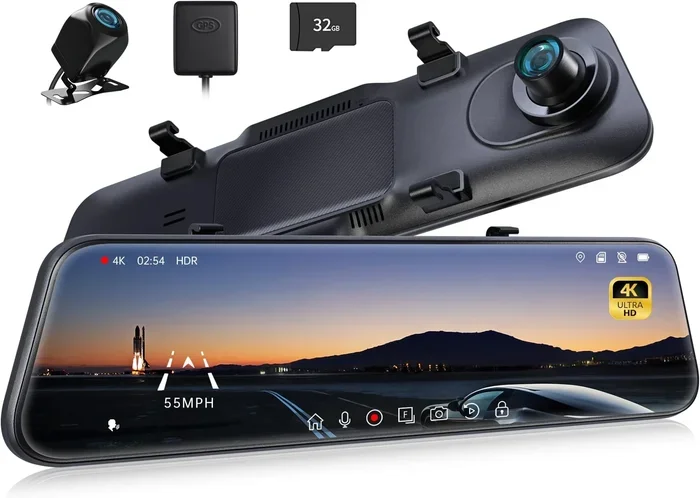
A car mirror camera is an electronic device that integrates a small camera and a display screen into your rearview mirror. Instead of looking through a plain glass mirror, you see a live feed from a camera mounted on your rear bumper or license plate. Some models also record video, track GPS location, and connect to your phone.
The concept is simple but the results are impressive. You get a wider view behind your car than a standard mirror ever provides. Blind spots shrink. Parking becomes easier. And you have a built-in recording device if anything happens on the road.
How Does It Work?
Here is the basic idea. A small camera is mounted at the back of your car, usually near the license plate. It sends a live video signal to the display built into the mirror unit. When you put the car in reverse, the screen automatically switches to a backup camera view. When you drive forward, you can tap the screen to see the rear view or let it stay on your regular mirror.
Most mirror monitor systems use a wired connection between the camera and the display. However, some newer models offer wireless transmission through Wi-Fi or Bluetooth. The signal travels from the rear camera to the mirror screen in real time, so there is virtually no delay.
Types of Car Mirror Cameras
Not all mirror cameras are the same. Here are the most common types you will find on the market:
- Full Replacement Mirrors: These completely replace your factory rearview mirror. They have a built-in screen and look almost identical to a normal mirror when the display is off.
- Add-On Mirror Monitors: These clip onto or hang below your existing mirror. They add a screen without removing your original mirror.
- Integrated GPS Mirror Cams: These combine a mirror display with a dash cam function. They record both front and rear footage with GPS data overlaid.
- Wireless Rearview Mirrors: These use a wireless signal from a rear-mounted camera to display on the mirror screen. No messy wiring needed.
Why You Need a Car Mirror Camera
Safety is the number one reason to add a car mirror camera to your vehicle. But there are many other benefits that make this upgrade worthwhile. Let us break them down.
Improved Rear Visibility
Standard rearview mirrors have blind spots. No matter how you adjust them, there are areas behind your car you cannot see. A rearview camera mirror eliminates most of those blind spots. The wide-angle lens on the rear camera captures a broad view of the road behind you, giving you much better awareness.
This is especially helpful in heavy traffic, on highways, and in tight parking lots. You can see cars, pedestrians, cyclists, and obstacles that you would normally miss.
Enhanced Parking Assistance
Parallel parking and backing into tight spots become much easier with a car backup camera built into your mirror. You get a clear view of what is behind you without craning your neck or relying on side mirrors alone. Many mirror cameras also display dynamic parking guidelines that move as you steer, making it even simpler to align your car.
Built-In Dash Cam Recording
Many car mirror camera systems double as dash cams. This means your device records everything that happens on the road, both in front and behind your vehicle. If you are ever involved in an accident or a hit-and-run, you have video evidence that can protect you.
Some models record in high definition, capturing license plates and road signs clearly. This footage can be invaluable when filing insurance claims or dealing with disputes.
Added Vehicle Security
When your car is parked, a mirror camera with recording can act as a security camera. Some models have a parking surveillance mode that starts recording automatically when motion or impact is detected. This means if someone scratches your car or hits it while parked, you have a video record of the event.
Key Features to Look For
Not every car mirror camera is created equal. To get the best experience, you need to know which features matter most. Here is a detailed breakdown of what to look for when shopping.
Camera Resolution and Lens Quality
The resolution of the camera determines how clear your video feed will be. Look for at least a 1080p resolution for a sharp and detailed image. Some premium models offer 4K recording, which is even better but also more expensive.
The lens angle is equally important. A wide-angle lens of around 150 to 170 degrees gives you a broad view of the road behind you. This reduces blind spots significantly. Just keep in mind that ultra-wide lenses can cause some distortion at the edges, which is normal.
Night Vision Capability
You need your rearview mirror camera to work just as well at night as during the day. Look for models with infrared sensors or enhanced low-light processing. Good night vision ensures you can see clearly when reversing in dark parking garages or driving at night.
GPS Tracking
A built-in GPS module adds real value to a car mirror camera. It records your speed and location data directly onto the video footage. This is useful for insurance purposes, trip logging, and proving where you were at a given time.
Wi-Fi and App Connectivity
Modern mirror cameras often connect to your smartphone through Wi-Fi. You can view the live feed, download recorded clips, and adjust settings right from your phone. Some models even let you share footage directly to social media or send it to your insurance company.
Screen Size and Display Quality
The display on your mirror monitor should be bright enough to see in direct sunlight. Most quality units use LCD screens between 4.3 and 5 inches. Touchscreen functionality is a nice bonus that makes navigation and settings adjustments much easier.
Loop Recording
Loop recording is a must-have feature. It means the camera continuously overwrites the oldest footage when the memory card is full. This ensures you always have the most recent recordings without needing to manage files manually.
How to Install a Car Mirror Camera
One of the best things about a car mirror camera is how easy it is to install. Most models come with everything you need and can be set up in under 30 minutes. No special tools or professional help required.
Step-by-Step Installation Guide
- Remove Your Old Mirror: Gently take off your existing rearview mirror. Most are held by a simple adhesive or a small clamp. Be careful not to break the windshield.
- Mount the New Mirror Unit: Place the new mirror camera unit where your old mirror was. Use the included adhesive pad or mounting bracket to secure it firmly.
- Route the Camera Wire: Run the cable from the mirror unit down the windshield pillar and under the headliner to the rear of the car. Most kits come with a trim removal tool to help you tuck the wire neatly.
- Mount the Rear Camera: Attach the rear camera near your license plate. Use the provided screws or adhesive to hold it in place. Connect the cable to the camera.
- Connect Power Wires: Tap into your reverse light wire for the camera power and your parking light wire for the mirror display. A simple wire tap or connection to the fuse box is all you need.
- Test Everything: Put the car in reverse and check that the screen shows a clear rear view. Test the front camera (if included), GPS, and Wi-Fi connection.
Quick Tips for a Clean Install
- Use zip ties to keep wires neat and hidden.
- Clean the windshield area with alcohol wipes before applying the adhesive.
- Take your time routing wires through the headliner to avoid rattling noises.
- Test the camera angle before finalizing the mount position.
Top Car Mirror Camera Brands and Models
The market for car mirror cameras has grown significantly. Here is a quick comparison of popular options to help you narrow down your choice.
| Brand | Resolution | Key Feature | Price Range |
|---|---|---|---|
| Garmin Mirror Clip | 1080p | GPS tracking and Wi-Fi | $150 – $200 |
| Nextbase 322GW | 1080p | Emergency SOS and Alexa built-in | $180 – $250 |
| Thinkware U30 | 1440p | Super night vision and GPS | $200 – $280 |
| Vava Dash Cam Mirror | 1080p | Wireless rear camera and touchscreen | $130 – $180 |
| Auto-Vox T2400 | 1080p | Full mirror replacement, easy install | $100 – $150 |
Each of these brands offers a solid car mirror camera experience. Your choice should depend on your budget, the features you prioritize, and the type of vehicle you drive.
Budget vs Premium Options
If you are on a tight budget, models in the $100 to $150 range still offer excellent 1080p recording and basic GPS functionality. Premium units in the $200 to $300 range add 4K recording, advanced night vision, Wi-Fi app control, and emergency detection features. You do not need the most expensive model to get great value, but premium options do offer a noticeably better experience.
Common Mistakes to Avoid
Even with a great car mirror camera, some common mistakes can reduce its effectiveness. Here is what to watch out for.
- Skipping the Firmware Update: Manufacturers release updates that improve performance and fix bugs. Always check for updates after installation.
- Wrong Camera Angle: If the rear camera is mounted too high or too low, your view will be off. Take time to adjust the angle properly.
- Ignoring Memory Card Quality: Cheap memory cards can corrupt footage or slow down recording. Use a high-speed, high-endurance microSD card.
- Not Cleaning the Lens: Dust and dirt on the camera lens can blur your footage. Wipe it regularly with a soft cloth.
- Overlooking Power Source: Make sure your camera is connected to a constant power source if you want parking mode recording. Otherwise, it will stop recording when you turn off the car.
Expert Insight: Getting the Most from Your Mirror Camera
According to automotive experts, the best way to get full value from a car mirror camera is to pair it with good driving habits. The camera is a tool that supplements your awareness, not replaces it. Always check your mirrors, use your turn signals, and stay focused on the road. The camera gives you an extra set of eyes, but you still need to drive safely.
Car Mirror Camera vs Traditional Dash Cam
You might wonder how a car mirror camera compares to a traditional dash cam. Both record your drive, but they serve different purposes and offer different experiences.
A traditional dash cam mounts on your windshield or dashboard and records only what is in front of the car. It is compact and focused. A mirror camera system, on the other hand, replaces your rearview mirror and often includes both front and rear recording. It also gives you a live rearview feed, which a dash cam alone cannot do.
If your main goal is front-facing recording, a dash cam works great. But if you want an all-in-one solution with rear visibility, recording, and GPS, a car mirror camera is the better choice. It saves space on your dashboard and keeps your windshield clear.
Comparison at a Glance
- Rear View: Mirror cameras provide it. Traditional dash cams do not.
- Installation: Mirror cameras replace your rearview mirror. Dash cams use suction cups or adhesive pads on the windshield.
- Dashboard Clutter: Mirror cameras keep your dash clean. Dash cams add another device to your windshield.
- Recording Scope: Many mirror cameras record both front and rear. Most dash cams only record the front.
How a Car Mirror Camera Improves Road Safety
Road safety is about more than just following the rules. It is about having the right tools to stay aware and react quickly. A car mirror camera significantly improves your situational awareness on the road.
When you can see what is behind you in real time, you make better decisions. You know when it is safe to change lanes. You can spot tailgaters and respond appropriately. You see pedestrians and cyclists before they enter your path. All of this adds up to safer driving for you and everyone around you.
For families with children, a rearview mirror camera is especially valuable. You can see behind your car clearly when backing out of driveways or parking spots, reducing the risk of backing into kids or pets that might be out of sight.
Many insurance companies also offer discounts for vehicles equipped with camera systems. Having a car mirror camera not only protects you on the road but can also save you money on your insurance premium over time.
Future Trends in Car Mirror Camera Technology
The world of car mirror cameras is evolving fast. Here are some trends to watch for in the coming years.
- AI-Powered Alerts: Future mirror cameras will use artificial intelligence to detect lane departures, forward collisions, and pedestrian movements in real time.
- Cloud Storage: Instead of relying on a memory card, new models will upload footage to the cloud automatically, ensuring your evidence is always safe.
- Integration with Smart Vehicles: As cars become smarter, mirror cameras will integrate seamlessly with built-in infotainment systems and autonomous driving features.
- 360-Degree Views: Some manufacturers are working on mirror cameras that provide a full 360-degree bird’s-eye view of your vehicle’s surroundings.
These innovations will make car mirror cameras even more valuable and essential for everyday driving. If you have not yet invested in one, now is a great time to start.
Final Thoughts
A car mirror camera is one of the most practical and impactful upgrades you can make to your vehicle. It improves your visibility, protects you on the road, records important moments, and adds a layer of security you cannot put a price on. Whether you are a daily commuter, a road trip enthusiast, or a new driver, a mirror camera system makes a real difference.
With so many options available at different price points, there is a car mirror camera for every budget and every vehicle type. Focus on the features that matter most to you, follow the installation tips in this guide, and enjoy the peace of mind that comes with better awareness on the road.
Take the time to research, compare models, and choose the one that fits your needs. Your safety and driving experience are worth it. A car mirror camera is not just an accessory. It is a smart investment in your well-being every time you hit the road.
Frequently Asked Questions
Is a car mirror camera easy to install?
Yes, most car mirror cameras are designed for DIY installation. They come with detailed instructions and all the mounting hardware you need. The entire process typically takes 20 to 30 minutes. No professional help is required for most models.
Does a car mirror camera work in all weather conditions?
Good quality mirror cameras are built to handle rain, snow, and extreme temperatures. They have weather-resistant housings and perform well in various conditions. However, keeping the camera lens clean will ensure the best performance year-round.
Can I use a car mirror camera in any vehicle?
Most car mirror cameras are universal and fit sedans, SUVs, trucks, and vans. They replace or attach to your existing rearview mirror setup. Always check the product dimensions and compatibility before purchasing.
Do I need a memory card for recording?
Yes, if you want the camera to record video, you will need a microSD card. Most models support cards up to 64GB or 128GB. Use a high-endurance card for the best results and longer lifespan.
Will a car mirror camera drain my car battery?
Most car mirror cameras are designed to draw minimal power. They turn on and off with your ignition, so they do not drain your battery when the car is off. If you use parking mode, the battery impact is still very low with modern units.
What is the difference between a car mirror camera and a dash cam?
A car mirror camera replaces your rearview mirror and typically includes a display screen, rear camera, and often a front-facing camera too. A traditional dash cam only records the front view and mounts on the windshield. Mirror cameras offer more functionality and a cleaner setup.
=== CONCLUSION ===
A car mirror camera is a game-changer for any driver who values safety, convenience, and peace of mind. From better rear visibility to built-in recording and GPS tracking, these devices offer benefits that go far beyond a standard rearview mirror. They are easy to install, affordable, and compatible with nearly any vehicle on the road today.
Use the tips and guidance in this article to find the right car mirror camera for your needs. Focus on resolution, night vision, GPS, and connectivity features that match your driving lifestyle. Install it properly, maintain it regularly, and enjoy the extra layer of protection it gives you every time you drive.
Your road is your responsibility, but your car mirror camera is there to help you every step of the way. Drive safer, record smarter, and travel with confidence knowing you have the best view on the road.