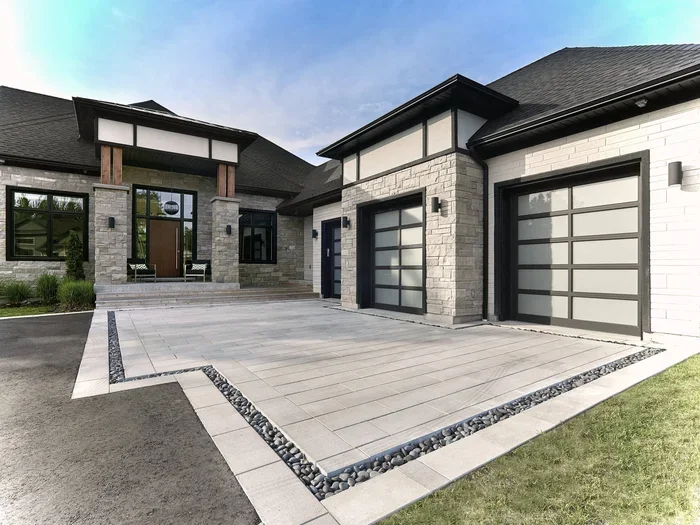
Car Parking Flooring for House Ideas You Will Love
Car parking flooring for house is more than just a practical choice — it is a smart upgrade that boosts curb appeal and protects your driveway. From epoxy coatings to interlocking pavers, there are many creative ways to transform your home parking area into something truly impressive.
Key Takeaways
- Quality flooring matters: The right car parking flooring for house setups protects your concrete and enhances your home’s look.
- Many material options exist: Epoxy, pavers, tiles, and coatings each offer unique benefits for residential parking areas.
- Design impacts value: A well-designed parking space can significantly improve your property’s curb appeal and resale value.
- Maintenance is simple: Regular cleaning and occasional resealing keep your parking flooring looking great for years.
- Budget matters: Costs vary widely, so planning ahead helps you choose the best option within your budget.
- Drainage and durability go together: Properly designed parking flooring handles water runoff and heavy vehicle loads.
- DIY is possible: Many parking flooring projects are beginner-friendly and can be completed in a weekend.
📑 Table of Contents
- Why Your Home Parking Space Needs the Right Flooring
- Best Car Parking Flooring Ideas for Your House
- Materials That Work Great for Home Parking
- How to Design a Parking Area That Looks Amazing
- Maintenance Tips to Keep Your Parking Flooring Fresh
- Common Mistakes to Avoid with Home Parking Flooring
- Expert Insights on Home Parking Flooring
- Cost Comparison of Car Parking Flooring Options
- Quick Tips for a Perfect Home Parking Space
- Conclusion
Why Your Home Parking Space Needs the Right Flooring
Most homeowners think about their parking space as just a place to park the car. But it is so much more than that. Your home parking area is one of the first things guests see. It sets the tone for your entire property. That is why car parking flooring for house choices matter so much.
A plain concrete slab can look dull and worn. It can crack over time. It absorbs heat in summer and turns into a skating rink in winter. But with the right flooring solution, you can fix all of these problems. You can add style, durability, and real value to your home.
Let us be honest. Nobody wakes up excited about parking lot flooring. But think about it this way. You spend thousands of dollars on your car. You probably also invest in your lawn, your fence, and your kitchen. So why skip the parking area? A great parking space protects your investment. It also makes your daily life more convenient.
Whether you have a single-car garage or a large driveway, there is a flooring solution that fits your needs. In this guide, we will walk you through the best ideas. You will learn about materials, designs, costs, and maintenance. By the end, you will know exactly what works best for your home.
Best Car Parking Flooring Ideas for Your House
Now let us dive into the fun part. There are many creative options when it comes to home parking solutions. Each one has its own look, feel, and price point. Let us explore the most popular choices.
Epoxy Garage Floor Coating
Epoxy coating is one of the most popular garage flooring ideas today. It creates a smooth, glossy surface that looks professional. The coating bonds directly to your existing concrete. This makes it incredibly strong and long-lasting.
You will love epoxy because it comes in many colors. You can choose a classic gray, a bold blue, or even a metallic finish. Some homeowners add decorative flakes for extra texture. The result looks like something out of a high-end showroom.
Epoxy also resists oil stains, chemicals, and moisture. This makes it perfect for a residential parking solution. It is easy to clean too. Just sweep or mop, and it looks brand new again.
Interlocking Driveway Pavers
If you want something more traditional, interlocking pavers are a fantastic choice. These individual pieces snap together to form a strong surface. They come in many shapes, sizes, and colors. You can create patterns that match your home’s style.
Pavers work great for outdoor parking areas. They handle heavy vehicles without cracking. They also allow water to drain through the joints. This helps prevent puddles and ice buildup. Many homeowners choose driveway pavers because they look timeless and elegant.
Garage Floor Tiles
Garage floor tiles are another excellent option for car parking flooring for house setups. These tiles are usually made from PVC or polypropylene. They click together like puzzle pieces. You can lay them over an existing concrete floor in just a few hours.
The best part? They are easy to replace if one gets damaged. They come in solid colors, patterns, and even wood-grain looks. Tiles are comfortable underfoot too. They are warmer than concrete in winter and cooler in summer.
Painted Concrete with Stencils
For budget-conscious homeowners, painted concrete is a great starting point. You can use concrete paint and stencils to add designs. Think borders, geometric patterns, or even faux brick. This is one of the most affordable parking area flooring options available.
However, painted concrete does need touch-ups over time. Chips and scratches can show after a few years. Still, for a quick refresh, it works very well.
Resin-Bound Surfacing
Resin-bound surfaces are becoming very popular. They are made from a mix of resin and gravel. The result is a smooth, seamless, and permeable finish. This type of surface handles rainwater very well. It also looks modern and clean.
Resin-bound parking pads are durable and low-maintenance. They resist weeds and moss growth. If you want a sleek, contemporary look, this is worth considering.
Materials That Work Great for Home Parking
Choosing the right material is the most important decision you will make. Let us break down the top materials and what makes each one special.
Concrete — The Classic Choice
Concrete is the most common material for home parking areas. It is affordable and widely available. A basic concrete slab gives you a solid, functional surface. But plain concrete can look boring fast.
You can upgrade concrete with decorative finishes. Stamped concrete, stained concrete, and exposed aggregate all add visual interest. These options give you the strength of concrete with a much better look. Many house parking solution projects start with a concrete base.
Asphalt — Smooth and Budget-Friendly
Asphalt is another popular choice, especially for larger parking areas. It is smoother than concrete and easier to install. Asphalt also costs less per square foot in most cases.
On the downside, asphalt needs sealcoating every few years. It can soften in very hot weather. Still, for a simple and effective outdoor parking flooring option, it works well.
Plastic and Rubber Grid Systems
Plastic grid systems are lightweight and easy to install. They are made from recycled materials in many cases. You fill the grid cells with gravel or grass. This creates a natural-looking and eco-friendly parking surface.
Rubber tiles and mats are another option. They absorb shock and reduce noise. They are great if you park heavy vehicles that might dent other surfaces. Both plastic grids and rubber systems are portable. You can even take them with you if you move.
Natural Stone and Cobblestone
For a luxury feel, nothing beats natural stone. Cobblestone and flagstone parking areas look absolutely stunning. They add a rustic or European charm to your property. Of course, this premium residential garage flooring option comes at a higher cost.
Natural stone is extremely durable. It can last for decades with minimal upkeep. But installation requires skilled labor. The upfront investment is higher than most other options.
How to Design a Parking Area That Looks Amazing
Now that you know about materials, let us talk design. A well-designed parking space does more than just hold your car. It complements your entire property.
Match Your Home’s Architecture
Take a close look at your house. What style is it? Modern, traditional, farmhouse, or Mediterranean? Your parking area should feel like a natural extension of your home. If your house has clean lines and a modern look, go for geometric patterns and neutral tones. If your home is more traditional, consider classic brick or cobblestone styles.
This might seem like a small detail. But it makes a big difference in overall curb appeal. Think of your parking pad design as part of your home’s exterior decoration.
Add Lighting for Safety and Style
Good lighting makes your parking area look better and feel safer. LED strip lights along the edges create a modern glow. Solar-powered pathway lights are easy to install and energy-efficient. You can also use overhead lights if you have a carport or covered parking area.
Lighting also helps during rainy or foggy nights. You will never struggle to find your car in the dark. Plus, it adds a welcoming touch every time you arrive home.
Create a Parking Pad With Borders
A defined parking pad is much better than an undefined concrete slab. Use edging, pavers, or painted lines to mark the parking space. This gives the area a polished and organized look. It also protects the edges from chipping and erosion.
Consider adding a center line if you park two vehicles. Bordered parking spaces look intentional and professional. They show that you care about the details. This is one of the simplest ways to elevate any parking space design.
Include a Drainage Solution
Water management is crucial for any parking area. Standing water damages flooring over time. It can also create safety hazards. Plan for proper drainage before installing your flooring.
French drains, channel drains, and permeable pavers all help. They direct water away from your parking surface. Some materials, like resin-bound surfacing, are naturally permeable. Always factor drainage into your planning stage. It saves you headaches later.
Think About Color and Texture
Color and texture can transform a boring parking space into a design feature. A warm gray epoxy with bronze flakes looks sophisticated. A brick-pattern paver adds character. Even a simple two-tone paint job can make a big impact.
Do not be afraid to experiment. Your parking area is a blank canvas. Use it to express your style. Just make sure the colors complement your home’s exterior. A cohesive look always feels more polished.
Maintenance Tips to Keep Your Parking Flooring Fresh
Once you install your new parking flooring, you want it to look great for a long time. Good maintenance makes all the difference. Here are some practical tips.
Regular Cleaning
Sweep your parking area at least once a week. Remove leaves, dirt, and debris regularly. For deeper cleaning, use a pressure washer every few months. This removes oil stains, grime, and buildup. A clean surface always looks better and lasts longer.
For epoxy and tile floors, a simple mop with mild soap works well. Avoid harsh chemicals that could damage the finish. Keeping your garage floor tiles or coating clean takes very little effort.
Seal and Protect
Seal your flooring periodically. Concrete needs sealing every two to three years. Epoxy may need a topcoat after five to eight years. Pavers benefit from joint sand refills and a sealant application.
Sealants protect against moisture, UV rays, and staining. They also enhance the color and shine. Think of sealing as an insurance policy for your investment. It extends the life of your flooring significantly.
Fix Cracks and Damage Quickly
Small cracks can become big problems fast. Fill them as soon as you notice them. For concrete, use a crack filler or patching compound. For pavers, replace any shifted or broken pieces immediately.
Ignoring small damage leads to uneven surfaces. It can also cause water to seep underneath. Quick repairs save you money in the long run. They also keep your parking area looking its best.
Winter Care Matters
Winter can be tough on parking flooring. Use a plastic snow shovel instead of a metal one. Metal shovels can scratch and chip surfaces. Avoid rock salt on concrete, as it can cause scaling. Use sand or calcium-based deicers instead.
For epoxy and tile surfaces, clearing snow promptly prevents moisture damage. If you have pavers, make sure the joints are filled properly before winter. A little winter care goes a long way toward protecting your concrete parking surface.
Common Mistakes to Avoid with Home Parking Flooring
Even the best flooring ideas can go wrong if you skip important steps. Here are common mistakes homeowners make and how to avoid them.
Skipping the Base Preparation
A strong base is essential for any parking flooring. If you install pavers or tiles on loose soil, they will shift over time. Always compact the ground and add a gravel base before installation. This applies to both concrete and non-concrete options. Taking time on preparation prevents costly repairs later.
Choosing the Wrong Material for Your Climate
Not every material works in every climate. Epoxy can be slippery when wet in some cases. Pavers may shift in areas with frequent freeze-thaw cycles. Research what works best in your region. Talk to local contractors who understand your weather conditions. The best home driveway ideas always account for climate.
Ignoring Vehicle Weight
Make sure your flooring can handle the weight of your vehicles. A standard sedan is different from a heavy truck or SUV. Some materials, like thin plastic tiles, may not support heavy loads. Always check the load-bearing capacity before choosing a material. Choosing the wrong option can lead to cracking and sinking.
Overlooking Ventilation for Coated Floors
If you choose epoxy or resin coatings, ventilation is key. These products release fumes during application. A well-ventilated space ensures safe and proper curing. Open doors, use fans, and follow the manufacturer’s instructions. Never apply coatings in enclosed spaces without proper airflow.
Not Planning for Future Needs
Your parking needs might change over time. You might add a second car, an EV charger, or a motorcycle. Design your parking area with flexibility in mind. Use modular systems that can be expanded. Leave enough space for future upgrades. A forward-thinking approach saves you from redoing the entire area later.
Expert Insights on Home Parking Flooring
Let us share some professional advice that can help you make better decisions.
Start With a Budget, But Stay Flexible
Set a clear budget before starting your project. Research the cost of materials and labor in your area. But stay flexible enough to adjust if you find a better option. Sometimes spending a little more upfront saves you from expensive repairs down the road. The best parking area design balances cost and quality.
Get Multiple Quotes
If you are hiring a professional, always get at least three quotes. Compare what is included in each price. Ask about warranties, timelines, and cleanup procedures. A reputable contractor will be happy to provide a detailed estimate. This approach helps you avoid overpaying or hiring someone unreliable.
Consider Long-Term Value
The cheapest option is not always the smartest one. Think about long-term value when choosing your flooring. A slightly more expensive option that lasts twenty years beats a budget choice that needs replacing in five. Factor in maintenance costs, lifespan, and curb appeal. Your residential parking solution should be an investment, not an expense.
Ask About Warranties
Many materials and coatings come with warranties. Epoxy manufacturers often offer lifetime warranties for residential use. Paver installers may guarantee their work for several years. Always ask about warranties before committing. A warranty gives you peace of mind and protects your investment.
Cost Comparison of Car Parking Flooring Options
Let us look at how different options compare in terms of cost. This table gives you a general idea. Actual prices vary based on your location and project size.
| Flooring Option | Cost Per Square Foot | Lifespan | Maintenance Level |
|---|---|---|---|
| Epoxy Coating | $3 – $8 | 10-20 years | Low |
| Interlocking Pavers | $8 – $15 | 20-30 years | Medium |
| Garage Floor Tiles | $5 – $12 | 10-15 years | Low |
| Painted Concrete | $2 – $5 | 5-10 years | Medium-High |
| Resin-Bound Surface | $7 – $14 | 15-25 years | Low |
| Natural Stone | $12 – $30 | 30+ years | Low-Medium |
As you can see, there are options for every budget. The key is finding the right balance between cost and durability. Do not let price alone drive your decision. Think about long-term value and how the flooring will look over time.
Quick Tips for a Perfect Home Parking Space
- Measure twice, install once. Get exact measurements before buying any materials.
- Use non-slip finishes. Especially in areas that get wet or icy.
- Add a border or edging. It gives a clean and finished look.
- Plan for cable runs. If you want an EV charger, plan the wiring early.
- Use rubber mats in high-wear areas. They protect the surface and reduce noise.
- Consider drainage first. Always plan water flow before choosing your flooring material.
- Match your home’s color palette. A cohesive look always wins.
Conclusion
Your car parking flooring for house is more than just a place to park. It is part of your home. It affects how your property looks, how it functions, and even its resale value. With so many materials and designs available, you have no reason to settle for a boring concrete slab.
Whether you choose epoxy coatings, interlocking pavers, or natural stone, the key is planning. Consider your budget, your climate, and your long-term needs. Take care of your flooring with regular maintenance. And do not be afraid to get creative with colors and patterns.
The best parking spaces are the ones that combine practicality with personality. They protect your vehicles. They welcome guests. They make coming home feel good. So take the time to choose the right car parking flooring for house setup. Your home — and your car — deserve it.
Frequently Asked Questions
What is the best material for car parking flooring for house?
Epoxy coating and interlocking pavers are two of the best options. Epoxy is affordable, durable, and easy to clean. Pavers offer a classic look and handle heavy vehicles well. Your best choice depends on your budget, style, and climate.
How long does car parking flooring last?
It depends on the material. Epoxy coatings last 10 to 20 years. Interlocking pavers can last 20 to 30 years or more. Painted concrete may need touch-ups every 5 to 10 years. Proper maintenance always extends the lifespan of any flooring type.
Can I install parking flooring myself?
Yes, some options are great for DIY. Garage floor tiles and painted concrete are beginner-friendly. Epoxy coating requires some preparation but is still doable at home. Pavers and resin-bound surfaces are more complex and may benefit from professional help.
How much does car parking flooring cost?
Costs range from about $2 to $30 per square foot. Painted concrete is the most budget-friendly at $2 to $5. Epoxy and tiles fall in the mid-range. Natural stone and resin-bound surfaces cost more but offer premium looks and durability.
Is epoxy flooring safe for outdoor parking areas?
Yes, epoxy can work outdoors. However, it can be slippery when wet. Choose a textured or anti-slip additive version for outdoor use. Also make sure the surface is properly prepped and sealed. This helps it handle rain, sun, and temperature changes.
How do I protect my parking floor from winter damage?
Use a plastic snow shovel instead of metal. Avoid rock salt on concrete surfaces. Choose calcium-based deicers or sand instead. Seal your floor before winter and clear snow promptly. These steps help prevent cracks, scaling, and moisture damage during cold months.