Does a Toyota 4Runner Drive Like a Real Work Truck
The Toyota 4Runner does not drive exactly like a traditional work truck, but it shares many traits that make it feel close. Built on a body-on-frame platform with a solid rear axle, the 4Runner offers truck-like durability and off-road prowess. However, its SUV-style comfort, car-like ride on pavement, and everyday usability set it apart from a Ford F150 or Chevy Silverado. Whether you want a daily driver with adventure capability or a true workhorse depends on what you need.
So, does a 4Runner drive like a truck? That is a question a lot of buyers ask before they pull the trigger on this iconic SUV. The short answer is yes and no. The Toyota 4Runner shares a lot with real work trucks, but it also feels very different when you slide behind the wheel.
If you are comparing the 4Runner to a Ford F150 or a Chevy Silverado, you will notice some clear differences. But if you want a vehicle that can haul gear, tackle trails, and still be comfortable for daily driving, the 4Runner hits a sweet spot. Let us break down exactly what it feels like to drive one.
The 4Runner has been around for decades, and Toyota built it with truck DNA from the start. It uses a body-on-frame design, which is the same construction method found in most traditional trucks. This gives it serious strength and durability. However, the way it drives on the road feels more like a tall SUV than a pickup or work truck.
Key Takeaways
- Body-on-frame construction: The 4Runner shares its rugged platform with Toyota trucks, giving it real truck DNA.
- Off-road dominance: With TRD trim options and high ground clearance, the 4Runner outperforms many trucks on trails.
- On-road comfort: Unlike work trucks, the 4Runner rides smoothly on highways and city streets.
- Towing and payload: It can tow up to 5,000 pounds and carry decent payload, but it is not a full work truck.
- Reliability factor: The 4Runner is known for lasting well over 200,000 miles, rivaling the average life expectancy of a Toyota 4Runner.
- Daily driver friendly: You can use it for groceries, commutes, and weekend adventures without truck drawbacks.
📑 Table of Contents
- What Makes a Truck a Truck?
- How the 4Runner Drives on Highways and Roads
- Off-Road Performance: Where the 4Runner Shines
- Towing and Hauling: Can It Work Like a Truck?
- Is the 4Runner a Daily Driver or a Work Truck?
- How the 4Runner Compares to Popular Trucks
- Can You Modify a 4Runner to Drive More Like a Truck?
- Who Should Buy a 4Runner Over a Truck?
- Who Should Buy a Real Work Truck Instead?
- Final Verdict: Does the 4Runner Drive Like a Truck?
What Makes a Truck a Truck?
Before we dive into how the 4Runner drives, let us talk about what actually makes a vehicle a truck. A work truck usually has a few key traits that set it apart from an SUV. Understanding these traits helps you see where the 4Runner fits in.
Frame and Construction
Most traditional trucks use a body-on-frame design. This means the body sits on a separate, strong frame. Think of it like a skeleton that holds everything together. This design makes trucks tough and great for hauling heavy loads. The 4Runner uses this exact same construction method. That is a big reason why it feels so solid on rough roads.
Purpose and Design
A real work truck is built first and foremost for work. It has a open bed for hauling materials, heavy-duty suspension for carrying weight, and engines tuned for torque and pulling power. The 4Runner was designed more as an adventure vehicle and daily driver. It has a closed cargo area behind the rear seats, which makes it more practical for families and everyday use.
Driving Feel and Suspension
Work trucks usually have a stiff, firm ride. They are built to handle heavy loads, so the suspension is tuned for durability over comfort. The 4Runner shares some of this firmness, especially in off-road trim levels, but it also includes comfort features that make long highway drives much more pleasant.
How the 4Runner Drives on Highways and Roads
One of the biggest differences between the 4Runner and a real truck is how it feels on paved roads. If you have ever driven a full-size truck on the interstate, you know they can feel bulky and noisy. The 4Runner is a different story.
Ride Comfort
The 4Runner rides surprisingly well for a body-on-frame SUV. The suspension soaks up bumps and road imperfections without too much harshness. At highway speeds, it feels stable and planted. Wind noise is present but not overwhelming. Compare this to a Ford F150, which can feel loud and bouncy when fully loaded, and the difference becomes clear.
Steering and Handling
Steering in the 4Runner is more refined than what you find in most trucks. It feels responsive enough for daily driving and lane changes on the highway. A work truck, on the other hand, often feels sluggish and heavy in the steering. The 4Runner does not handle like a sports car, but it is much more car-like than most trucks on the market.
Fuel Economy
Let us talk about gas mileage. The 4Runner is not a fuel-sipper. It gets around 16 to 20 miles per gallon depending on the year and trim. That is similar to many mid-size trucks. However, because the 4Runner is lighter than most full-size trucks, it sometimes edges out trucks like the Ford F150 in fuel economy comparisons. The Ford F150 gets varying mileage based on engine choice, and you can check how many MPG a Ford F150 gets to see the full picture.
Off-Road Performance: Where the 4Runner Shines
This is where the 4Runner really stands out from most trucks. While it does not drive exactly like a work truck on pavement, it often beats trucks when the trail gets rough.
Ground Clearance and Approach Angles
The 4Runner offers impressive ground clearance, especially in TRD Off-Road and TRD Pro trim levels. It can crawl over rocks, logs, and steep inclines with ease. Many trucks struggle in the same terrain because of their longer wheelbases and lower approach angles. The 4Runner’s compact SUV shape gives it a real advantage on tight trails.
4WD Systems
Toyota equips the 4Runner with a robust four-wheel-drive system. The transfer case is simple and reliable, which is exactly what you want when you are far from civilization. The locking rear differential in TRD trads adds serious traction when things get slippery. Compared to the electronic 4WD systems found in many modern trucks, the 4Runner feels more rugged and straightforward.
TRD Trim Levels
The TRD Off-Road and TRD Pro trims take the 4Runner’s off-road ability to another level. These versions come with special shock absorbers, skid plates, and tuned suspension. They make the 4Runner feel more like a trail-ready machine than a daily SUV. If you are serious about off-roading, these trims are worth every penny.
Towing and Hauling: Can It Work Like a Truck?
The 4Runner can tow, but it is not in the same league as a full-size work truck. Understanding its limits helps you decide if it fits your needs.
Towing Capacity
The Toyota 4Runner can tow up to 5,000 pounds when properly equipped. That is enough for a small trailer, a boat, or a camper. However, if you need to haul heavy equipment or a large fifth-wheel trailer, a truck like the Ford F150 2.7 Ecoboost will do the job much better. You can find out how much a Ford F150 2.7 Ecoboost can tow to see the difference.
Payload Capacity
The 4Runner’s payload capacity is around 1,500 pounds depending on the trim and year. That covers passengers and gear comfortably. But if you need to carry heavy construction materials or large loads regularly, a truck with a full-size bed will serve you better.
Cargo Space
The rear cargo area behind the seats is enclosed, which keeps your belongings safe and dry. It is not as open and versatile as a truck bed, but it works well for luggage, camping gear, and groceries. If you need more space, folding down the rear seats creates a long, flat load floor.
Is the 4Runner a Daily Driver or a Work Truck?
This is where the 4Runner really separates itself from traditional trucks. Most people who buy a 4Runner do not use it as a work truck. They use it as a daily driver that can also handle adventures on the weekends.
Comfort and Usability
The 4Runner has comfortable seats, modern infotainment, and enough room for five passengers. It is easy to drive to work, run errands, and take the family on road trips. A work truck is not always as comfortable for daily use, especially if you do not need the truck bed every day.
Reliability and Longevity
One of the biggest reasons people choose the 4Runner is its legendary reliability. These vehicles regularly last well past 200,000 miles with proper maintenance. If you are curious about how long a 4Runner can truly last, check out the average life expectancy of a Toyota 4Runner for detailed insights.
Resale Value
The 4Runner holds its value incredibly well. Used models sell for close to their original price, which is rare for any vehicle. This is partly because of its reputation for reliability and partly because of its cult following. Trucks like the Chevy Tahoe also hold value, and you can learn how many miles a Chevy Tahoe lasts to compare long-term ownership costs.
How the 4Runner Compares to Popular Trucks
Let us put the 4Runner side by side with some popular trucks so you can see the differences more clearly.
| Feature | Toyota 4Runner | Ford F150 | Chevy Silverado |
|---|---|---|---|
| Frame Type | Body-on-frame | Body-on-frame | Body-on-frame |
| Seating | 5 passengers | Up to 6 passengers | Up to 6 passengers |
| Towing Capacity | Up to 5,000 lbs | Up to 14,000 lbs | Up to 13,300 lbs |
| Fuel Economy (Combined) | 16-20 MPG | 20-24 MPG | 18-22 MPG |
| Off-Road Ability | Excellent | Good (with TRD) | Good (with ZR2) |
| Daily Comfort | Very Good | Good | Good |
| Payload Capacity | ~1,500 lbs | ~2,000-3,000 lbs | ~2,000-3,000 lbs |
| Open Bed | No | Yes | Yes |
As you can see from the comparison, the 4Runner is not designed to replace a full-size truck for heavy work. But it offers a unique blend of truck-like toughness and SUV comfort that few vehicles can match.
Can You Modify a 4Runner to Drive More Like a Truck?
Some owners want their 4Runner to feel even more truck-like. There are aftermarket upgrades that can change the driving experience. If you are interested in making your vehicle faster or more capable, you might want to look into how to modify a car to make it faster for general performance tips.
Suspension Upgrades
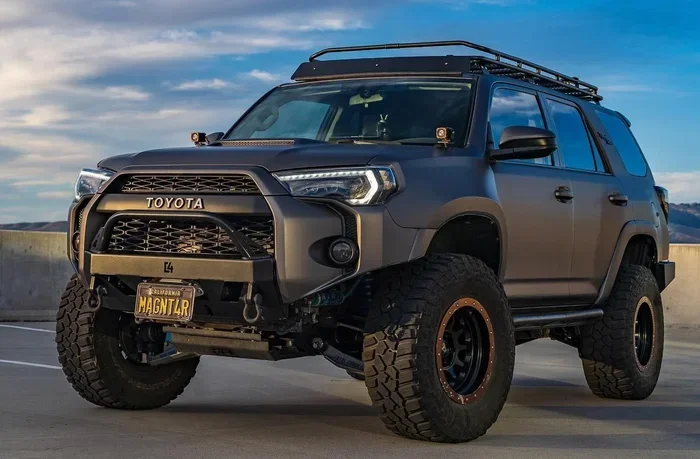
Lifting the 4Runner with larger tires gives it a more aggressive stance and improves off-road clearance. Many owners add aftermarket shocks from brands like Fox or Old Man Emu. These upgrades make the ride firmer, which is closer to how a truck feels on rough terrain.
Exhaust and Engine Mods
The 4Runner comes with a 4.0-liter V6 engine that produces 270 horsepower. Some owners add cold air intakes and performance exhaust systems to squeeze out a little more power. These mods do not turn the 4Runner into a work truck, but they do make it feel more responsive.
Bumpers and Skid Plates
Adding heavy-duty front and rear bumpers makes the 4Runner look and feel more like a truck. Steel bumpers protect the front end during off-road adventures and add a rugged appearance. Skid plates guard the undercarriage from rocks and debris.
Who Should Buy a 4Runner Over a Truck?
The 4Runner is not for everyone. Here are some situations where it makes more sense than buying a traditional work truck.
- You need a daily driver with off-road capability. The 4Runner lets you go to work comfortably and explore trails on the weekend.
- You want legendary reliability without truck maintenance costs. Trucks have more complex systems and higher maintenance bills over time.
- You need a family-friendly adventure vehicle. The enclosed cargo area and comfortable seats make it great for families.
- You live in an area with rough roads or frequent snow. The 4Runner’s 4WD system handles tough weather and terrain with confidence.
- You plan to keep the vehicle for a long time. The 4Runner’s resale value and durability make it a smart long-term investment.
Who Should Buy a Real Work Truck Instead?
On the other hand, there are clear reasons to choose a traditional truck over the 4Runner.
- You need to haul heavy loads regularly. A truck’s bed and higher payload capacity make this much easier.
- You need maximum towing power. Full-size trucks can tow thousands more pounds than the 4Runner.
- You need an open bed for bulky items. Lumber, furniture, and construction materials fit best in a truck bed.
- You use the vehicle primarily for work. Contractors and tradespeople benefit from a truck’s utility and durability.
Final Verdict: Does the 4Runner Drive Like a Truck?
The Toyota 4Runner drives like a mix between a truck and an SUV. It has the frame, the four-wheel drive, and the off-road toughness of a real work truck. But it also offers the comfort, usability, and daily-driver friendliness of a modern SUV. It does not replace a Ford F150 or a Chevy Silverado for heavy-duty work, but it comes closer than most SUVs ever could.
If you want a vehicle that can handle trails, carry your family comfortably, and last for hundreds of thousands of miles, the 4Runner is one of the best choices on the market. It does not drive exactly like a truck, but it feels like one in all the ways that matter most for adventure and reliability.
Think about what you need most. If you want a true work truck, go with a full-size pickup. But if you want something that drives like a truck, feels like a comfortable SUV, and can go anywhere you want, the Toyota 4Runner is hard to beat.
Frequently Asked Questions
Is the Toyota 4Runner classified as a truck or an SUV?
The 4Runner is officially classified as a mid-size SUV, even though it uses a body-on-frame platform like a truck. This construction method gives it truck-like durability, but its enclosed cargo area and passenger focus make it an SUV in the eyes of regulators and manufacturers.
Can the 4Runner tow as much as a full-size truck?
No, the 4Runner can tow up to 5,000 pounds, which is significantly less than most full-size trucks. A Ford F150 can tow over 14,000 pounds depending on the configuration. The 4Runner is better suited for small trailers, boats, and light hauling needs.
Is the 4Runner good for off-roading compared to trucks?
Yes, the 4Runner is often considered better for off-roading than many full-size trucks. Its shorter wheelbase, high ground clearance, and proven 4WD system make it extremely capable on trails. Many off-road enthusiasts prefer the 4Runner over trucks for its agility on tight terrain.
Is the 4Runner a good daily driver?
The 4Runner makes an excellent daily driver. It is comfortable, reliable, and easy to drive in city traffic and on highways. Unlike many trucks, it does not feel bulky or impractical for everyday errands and commuting.
How does the 4Runner’s fuel economy compare to trucks?
The 4Runner gets similar fuel economy to mid-size trucks, around 16 to 20 MPG combined. It is not the most fuel-efficient option, but its body-on-frame design and lighter weight sometimes give it a slight edge over heavier full-size trucks.
Should I buy a 4Runner or a Ford F150 for a family?
If your family values reliability, off-road adventures, and long-term ownership, the 4Runner is a great choice. If you need to haul lots of cargo or tow heavy trailers regularly, the F150 is the better option. Both are excellent vehicles, but they serve different needs.
=== END ===