Does a Toyota Spare Tire Have TPMS Warning Sensors
Does a Toyota spare tire have TPMS? The short answer is yes, many Toyota models come equipped with TPMS warning sensors in the spare tire. In this guide, we’ll explain how the system works, which Toyota models include it, and what to do when the light comes on. You’ll also learn how to replace the sensor and keep your spare tire in top condition.
Does a Toyota spare tire have TPMS? Many drivers assume the spare tire is just a simple donut tucked away in the trunk, but that’s not always the case. Does a Toyota spare tire have TPMS warning sensors? The answer depends on your model year and trim level. In this guide, we’ll walk you through everything you need to know about the tire pressure monitoring system on your Toyota spare.
If you’ve ever seen the TPMS light flicker on after swapping in your spare, you’re not alone. This small warning can cause big confusion. Understanding how the system works will save you time, money, and a trip to the dealer. Let’s dive into the details.
The Toyota tire pressure monitoring system keeps an eye on air pressure in all five tires, including the spare. When pressure drops below a safe level, the dashboard light comes on. But does the spare tire always have a sensor? Not necessarily. Some Toyotas use indirect TPMS, which relies on wheel speed sensors rather than individual pressure sensors. Other models include a direct TPMS sensor inside the spare wheel. Knowing which type your car has is the first step.
Key Takeaways
- Yes, many Toyota models include TPMS sensors in the spare tire. Full-size spares almost always have a direct TPMS sensor, while compact donuts may not.
- The spare tire TPMS light can come on due to a dead sensor battery or a faulty sensor. A dead battery is the most common cause after the sensor reaches 5–10 years of age.
- You can reset the TPMS light by disconnecting the battery or using a scan tool. Trying does unplugging a car battery reset codes can clear temporary fault codes.
- Not all Toyota spare tires have TPMS; compact donuts often lack sensors. Check your owner’s manual or look for a metal valve stem on the spare wheel.
- Visit any Toyota dealership for professional TPMS sensor replacement and programming. The answer to can you take a Toyota to any Toyota dealership is yes, and they can handle the job.
- Regularly check your spare tire pressure to ensure it’s ready for use. Spare tires lose air over time and may trigger the TPMS light if pressure drops.
📑 Table of Contents
Does a Toyota Spare Tire Have TPMS?
The question “Does a Toyota spare tire have TPMS” is one of the most common searches among Toyota owners. The short answer is yes, many newer Toyota models include TPMS sensors in the spare tire. However, older models and base trims might not have this feature.
Toyota uses two main types of TPMS: direct and indirect. Direct TPMS has a small sensor inside each wheel, including the spare. These sensors measure the exact air pressure and send data to the car’s computer. Indirect TPMS uses the anti-lock braking system’s wheel speed sensors to detect a rolling radius difference caused by low pressure. Indirect systems do not have a physical sensor in the spare tire.
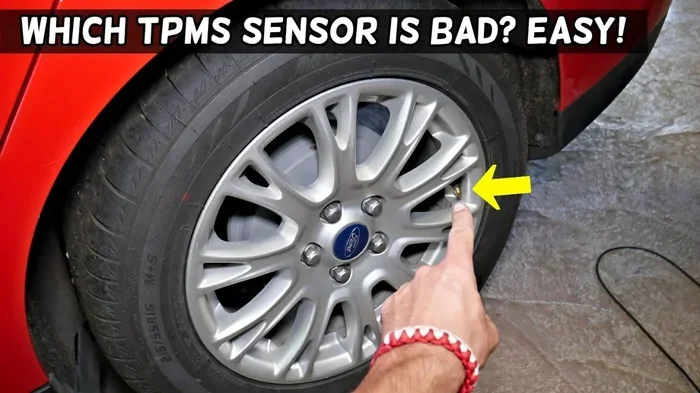
If your Toyota came with a full-size spare, it almost certainly has a TPMS sensor. Compact temporary spares, often called donuts, may or may not include a sensor depending on the package. You can check your owner’s manual or look for a small metal stem on the spare wheel that resembles a valve stem. That’s the TPMS sensor. The sensor is usually sealed inside the wheel and cannot be serviced separately. When the battery dies, the entire sensor assembly must be replaced.
Another thing to keep in mind is that the spare tire TPMS sensor is often a different part number than the sensors on your regular wheels. Because the spare is rarely used, Toyota sometimes uses a different sensor design that is more robust. Always check with your dealer to confirm the correct part number for your specific Toyota model. Using the wrong sensor can cause the TPMS light to stay on even after installation.
How Toyota Spare Tire TPMS Sensors Work
Direct TPMS sensors sit inside the wheel, mounted to the valve stem or banded to the rim. They contain a small battery, a pressure gauge, and a radio transmitter. Every few seconds, the sensor sends a signal to the car’s body control module. If the pressure drops below the recommended level, the system triggers the TPMS warning light on the dashboard.
The spare tire sensor works exactly the same way as the sensors on your regular wheels. When you install the spare, the car’s computer recognizes the sensor ID and begins monitoring that wheel. If the spare has a dead battery or a faulty sensor, the light will stay on. This is a common issue after a tire change. The system expects all five wheels to have functioning sensors, so a missing or dead sensor in the spare will trigger the light.
Toyota spare tire TPMS sensors are typically rated for 5 to 10 years of battery life. After that, the sensor battery dies and the light comes on. Replacing the sensor battery usually requires removing the sensor from the wheel, which can be tricky. Some owners prefer to replace the entire sensor assembly rather than trying to open the sealed unit. The sensor battery is a small lithium coin cell, similar to a watch battery, and it cannot be recharged.
When the sensor transmits data, it uses a low-frequency radio signal. The car’s computer listens for these signals and compares the pressure readings. If one sensor stops transmitting, the system assumes a fault and illuminates the malfunction indicator lamp. This is why a dead spare tire sensor can cause the TPMS light to stay on even if your regular tires are perfectly fine.
Direct vs. Indirect TPMS on Toyota Spares
Direct TPMS gives you an exact pressure reading for each tire, including the spare. You can see the live pressure on the dashboard display in many newer Toyotas. Indirect TPMS does not have a physical sensor in the spare. Instead, it compares the rotational speed of all four wheels. If one wheel spins faster than the others, the system assumes it has low pressure and triggers the light. Indirect systems are simpler and cheaper, but they cannot tell you which tire is low or give you an exact pressure number.
Most Toyota models with a full-size spare use direct TPMS because the spare is the same size as the regular tires. Compact temporary spares are often used with indirect systems because the spare is a different size and the wheel speed comparison would be inaccurate. Always check your owner’s manual to confirm which type your Toyota uses.
Which Toyota Models Include TPMS in the Spare?
Not every Toyota model includes a TPMS sensor in the spare tire. The presence of the sensor depends on the trim level, model year, and whether the car has a full-size spare or a compact temporary spare. Here are some general guidelines to help you figure out if your Toyota has one.
- Toyota Camry: Most models from 2007 onward include a TPMS sensor in the full-size spare. The spare is stored under the trunk floor and is the same size as the regular tires.
- Toyota RAV4: Many RAV4 models have a full-size spare with TPMS. The sensor is integrated into the wheel assembly and is easy to check visually.
- Toyota Tacoma: Tacoma models often come with a full-size spare on the tailgate, and these usually include TPMS sensors. The spare is exposed to the elements, so the sensor must be weatherproof.
- Toyota Corolla: Some Corolla trims use a compact spare without a TPMS sensor. Check your owner’s manual to be sure. The compact spare is lighter and saves space, but it lacks the sensor.
- Toyota 4Runner: The 4Runner typically has a full-size spare with TPMS, especially in higher trims. The spare is stored under the rear of the vehicle and is subject to road debris.
- Toyota Highlander: Higher trims of the Highlander include a full-size spare with TPMS. The sensor is part of the spare wheel assembly and is sealed for life.
If you’re unsure, look for a small metal band around the rim of the spare wheel. If you see a valve stem that looks different from the standard rubber valve, it likely houses a TPMS sensor. You can also check the tire sidewall for a TPMS marking. The marking looks like a small circle with the letters TPMS inside. If your spare has this marking, it definitely has a sensor.
Quick Tip: If you bought your Toyota used and are not sure about the spare, take it to any Toyota dealership. The answer to can you take a Toyota to any Toyota dealership is yes, and they can scan the system to see if a spare sensor is present. They can also read the sensor IDs and confirm which wheels have active sensors. This is a quick and free service that can save you a lot of guesswork.
What to Do When Your Spare Tire TPMS Light Comes On
Seeing the TPMS light after installing your spare tire can be alarming. The light means the car’s computer cannot read the sensor or has detected low pressure. Here’s what to do step by step.
First, check the actual tire pressure of the spare. Use a reliable tire pressure gauge and compare it to the recommended pressure listed on the driver’s door jamb. If the pressure is low, inflate the spare to the correct level. Sometimes the light simply turns off after a few minutes of driving. Spare tires can lose pressure during storage, so this is the most common and easiest fix.
If the pressure is correct and the light stays on, the sensor battery may be dead. A dead battery is the most common reason for a persistent TPMS light on a spare tire. In this case, you’ll need to replace the sensor. You can also try resetting the system by does unplugging a car battery reset codes, which can clear the stored fault code and turn off the light temporarily. This method works because disconnecting the battery resets the car’s computer and clears temporary fault codes. Just be aware that this will also reset other settings like your radio stations and clock.
Here’s a simple reset procedure you can try at home:
- Turn the ignition to the ON position without starting the engine.
- Locate the TPMS reset button, usually found under the steering column or on the dashboard.
- Press and hold the button until the TPMS light blinks three times.
- Start the engine and drive for 20 minutes at speeds above 30 mph.
If the reset doesn’t work, the sensor may need to be replaced. You can visit any Toyota dealership, and the answer to can you take a Toyota to any Toyota dealership is yes—they can program and replace the sensor for you. A dealer will use a professional scan tool to relearn the sensor ID and clear the fault code. This is the most reliable method and ensures the system works correctly.
Common Mistakes to Avoid:
- Don’t ignore the TPMS light. Driving on a spare with low pressure can damage the tire and the wheel.
- Don’t assume the spare tire TPMS sensor will last forever. Replace the sensor when the battery dies.
- Don’t try to recharge the TPMS sensor battery. They are sealed and non-rechargeable.
- Don’t mix OEM and aftermarket sensors on the same car unless they are all compatible.
When to See a Professional
If you’ve tried the reset procedure and the light still won’t go off, it’s time to see a professional. A flashing TPMS light often indicates a serious fault that needs immediate attention. A Toyota technician can hook up a scan tool to the OBD-II port and read the specific fault code. This tells you exactly which sensor is failing and whether it’s a battery issue or a hardware problem. Trying to drive with a faulty TPMS sensor can also affect your vehicle’s safety systems, so don’t delay the repair.
Can You Replace the TPMS Sensor in a Toyota Spare Tire?
Yes, you can replace the TPMS sensor in a Toyota spare tire. The process is similar to replacing a sensor on a regular wheel, but access can be more difficult because the spare is stored under the car or on the tailgate. You have two main options: OEM Toyota sensor or aftermarket sensor.
OEM sensors are programmed specifically for your Toyota model and require a dealer or professional tool to pair. Aftermarket sensors are universal and can be programmed with a handheld TPMS tool. Both options work well, but OEM sensors tend to have better battery life and reliability. Aftermarket sensors are cheaper and can be a good choice if you’re on a budget. Here’s a quick comparison of the two options:
| Feature | OEM Toyota TPMS Sensor | Aftermarket TPMS Sensor |
|---|---|---|
| Compatibility | Plug-and-play with Toyota systems | Requires programming with a TPMS tool |
| Battery Life | 5–10 years | 5–7 years |
| Cost | $50–$100 per sensor | $20–$50 per sensor |
| Programming | Dealer or professional scan tool | Handheld TPMS programmer |
| Durability | High | Varies by brand |
| Warranty | Toyota dealer warranty | Manufacturer warranty |
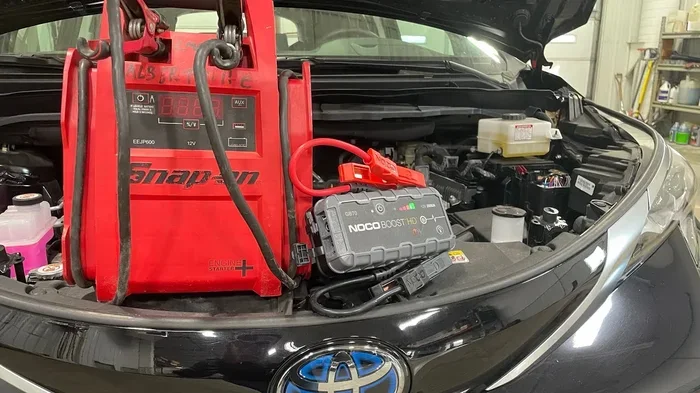
While you can jump start a Toyota hybrid battery to restore power to the 12V system, this won’t fix a dead TPMS sensor battery. The TPMS sensor uses its own small battery, and the only fix is replacement. If you’re handy with tools, you can replace the sensor yourself. You’ll need a TPMS sensor tool, a torque wrench, and a little patience. The sensor is usually held in place by a brass nut that threads onto the valve stem. Use care not to overtighten, as this can crack the sensor housing. Always refer to the sensor manufacturer’s instructions for the correct torque specification.
Expert Insights: According to Toyota service advisors, the most common complaint about spare tire TPMS is the light coming on after a tire rotation or a flat tire repair. This happens because the sensor ID changes when the wheel is moved to a different position. The car’s computer sees a new sensor and triggers the light until it learns the new ID. After installing a spare tire, drive the car for at least 15 minutes at highway speeds. This allows the TPMS system to relearn the sensor ID. If the light doesn’t go off, a quick reset with a scan tool at a Toyota dealership will solve the problem.
Another important point is that some Toyota models have a TPMS reset procedure that requires holding the reset button for 10 seconds. Always refer to your owner’s manual for the exact steps. The manual will also tell you the recommended spare tire pressure, which is often higher than the pressure in your regular tires. For most Toyotas, the spare tire pressure is 60 PSI, which is significantly higher than the normal 32–35 PSI for regular tires. Using the wrong pressure can affect handling and wear.
Tools You’ll Need for a DIY Sensor Replacement
If you decide to replace the TPMS sensor yourself, here’s a list of tools you’ll need:
- A TPMS sensor tool or reprogramming device
- A torque wrench sized for the sensor nut
- A new TPMS sensor (OEM or aftermarket)
- A tire pressure gauge
- A valve core tool (if the sensor uses a removable valve stem)
- penetrating oil for stuck sensor nuts
Before you start, make sure the new sensor is compatible with your Toyota model. Some aftermarket sensors come pre-programmed for specific makes and models. Others require you to hold a button on the sensor to put it into pairing mode. Follow the instructions carefully to avoid frustration.
How to Maintain Your Toyota Spare Tire TPMS
Maintaining your spare tire TPMS is simple and can save you from unexpected dashboard warnings. A little preventative care goes a long way toward keeping your system in top shape.
Start by checking the spare tire pressure every time you check your other tires. The recommended pressure for a spare tire is often printed on the tire sidewall or in the owner’s manual. For most Toyotas, the spare tire pressure is 60 PSI, which is higher than the normal 32–35 PSI for regular tires. Use a digital tire pressure gauge for accuracy. A cheap pencil gauge can give false readings, especially on the high-pressure spare.
Next, inspect the spare tire visually. Look for cracks, dry rot, or uneven wear. A spare tire that has been sitting for years can degrade even if the pressure is correct. If the tire looks cracked or brittle, replace it immediately. A spare tire that fails while you’re on the road is worse than having no spare at all.
Also, make sure the spare tire carrier and lock nut are in good condition. A loose spare tire can fall off while driving, and a stuck carrier can make it impossible to change a flat. Spray the carrier mechanism with a lubricant like WD-40 once a year to keep it working smoothly. Check the lock nut key and make sure it’s accessible. Many people forget where they put the lock nut key until they need it.
Finally, keep a record of when you replaced the TPMS sensor battery. Most sensors have a 5–10 year lifespan. If your Toyota is getting older, it’s a good idea to proactively replace the sensor before the battery dies and leaves you stranded with a TPMS light. You can have the sensor tested at any auto parts store or Toyota dealership. They can check the battery voltage and signal strength to determine if replacement is needed.
Quick Tips for Toyota Spare Tire TPMS:
- Check pressure monthly: Spare tires lose air faster than regular tires.
- Store the spare properly: Keep it clean and dry to prevent sensor corrosion.
- Use the correct torque: When reinstalling the spare, tighten the lug nuts to the factory spec.
- Don’t exceed 50 mph: Most compact spares are rated for a maximum of 50 mph.
- Replace the sensor with the wheel: If you buy a new spare wheel, the TPMS sensor often comes with it.
- Keep the lock nut key handy: Store it in your glovebox or with your jack tools.
Conclusion
So, does a Toyota spare tire have TPMS? For most modern Toyotas, the answer is yes. The spare tire TPMS system provides the same protection as the sensors on your regular wheels, alerting you to low pressure before it becomes a dangerous situation. Whether you drive a Camry, RAV4, or Tacoma, understanding how the system works will help you stay safe and avoid unnecessary repairs.
If your TPMS light comes on after installing the spare, don’t panic. Check the pressure, try a reset, and if needed, replace the sensor. You can always visit any Toyota dealership for professional help. Keeping your spare tire in good condition is a small effort that pays off when you need it most.
Remember to include the spare tire in your regular tire maintenance routine. Check the pressure, inspect the tread, and replace the sensor battery before it dies. With a little care, your Toyota spare tire will be ready to roll whenever you need it. Take a few minutes today to check your spare and give yourself peace of mind for the road ahead.
Frequently Asked Questions
Can I drive my Toyota with the spare tire TPMS light on?
Yes, you can drive short distances, but it’s not recommended. The light means the system cannot monitor the spare tire pressure. Driving on an underinflated spare can be dangerous and may cause the tire to fail. Have the sensor checked as soon as possible.
How long does a Toyota spare tire TPMS sensor battery last?
Most Toyota spare tire TPMS sensors have a battery life of 5 to 10 years. The battery is sealed inside the sensor and cannot be replaced separately. When the battery dies, you must replace the entire sensor assembly.
Will the TPMS light turn off by itself after installing the spare?
Sometimes. If the spare tire pressure is correct and the sensor is working, the light may turn off after a few minutes of driving. If it stays on, you may need to reset the system or replace the sensor.
How much does it cost to replace a Toyota spare tire TPMS sensor?
The cost varies depending on whether you choose an OEM or aftermarket sensor. OEM sensors typically cost $50 to $100, while aftermarket sensors range from $20 to $50. Professional installation at a dealership may add $50 to $100 for programming.
Do all Toyota compact spares have TPMS sensors?
No, many Toyota compact temporary spares do not have TPMS sensors. These donut spares are often used with indirect TPMS systems that rely on wheel speed sensors. Check your owner’s manual to confirm whether your compact spare has a sensor.
Can I reset the TPMS light myself without a scan tool?
Yes, you can try resetting the TPMS light using the reset button under the steering column or on the dashboard. You can also try does unplugging a car battery reset codes to clear temporary fault codes. If these methods don’t work, a scan tool or dealer visit will be needed.