Does Lexus Use Toyota Parts For Genuine Replacements
Yes, Lexus does use Toyota parts for many genuine replacements because both brands share the same parent company and manufacturing platforms. This means your Lexus can often benefit from the same high-quality Toyota OEM parts, shared components, and dealer service networks. Understanding this connection helps you save money and make informed decisions about repairs and maintenance.
When you own a Lexus, you expect premium quality. From the smooth ride to the refined interior, every detail matters. But one question comes up surprisingly often: does Lexus use Toyota parts for genuine replacements? The short answer is yes, and the story behind it is fascinating.
Lexus and Toyota share a deep connection. They are not just similar brands. They are part of the same family. Toyota Motor Corporation owns Lexus, and this relationship affects everything from how vehicles are built to what parts are used during repairs. If you own a Lexus, understanding this connection can save you time, money, and a lot of confusion at the repair shop.
Let us dive deep into how this works, what it means for your vehicle, and why it matters every time you need a replacement part or a service visit.
Key Takeaways
- Shared Heritage: Lexus is a luxury division of Toyota Motor Corporation, so many parts overlap between the two brands.
- OEM Quality: Genuine Lexus parts and Toyota parts often come from the same factories and meet the same standards.
- Warranty Coverage: Using genuine Toyota parts on a Lexus may still fall under warranty protection, depending on the situation.
- Cost Savings: Shared parts availability can sometimes lower the cost of replacements compared to exclusive luxury-brand components.
- Dealer Service Options: You can often get your Lexus serviced at a Toyota dealership, which simplifies parts sourcing.
- Interchangeability: Many mechanical and electrical components are interchangeable between Lexus and Toyota models.
- Long-Term Value: Knowing about the Toyota-Lexus parts relationship helps you maintain your vehicle more affordably over time.
📑 Table of Contents
- What Is the Relationship Between Lexus and Toyota?
- Does Lexus Use Toyota Parts for Genuine Replacements?
- What Does This Mean for Your Lexus Warranty?
- Where Can You Get Lexus Parts Serviced?
- Toyota-Lexus Parts Interchangeability: A Closer Look
- Common Mistakes Lexus Owners Make with Parts
- Expert Insights on Lexus and Toyota Parts
- How to Verify Genuine Parts for Your Lexus
- Cost Comparison: Lexus vs Toyota Parts
- Quick Tips for Lexus Owners
- Conclusion
What Is the Relationship Between Lexus and Toyota?
Lexus was launched in 1989 as Toyota’s luxury vehicle division. From the very beginning, the goal was to compete with German luxury brands like BMW and Mercedes-Benz. But instead of starting from scratch, Toyota built Lexus on its existing strengths. This includes manufacturing expertise, reliable engineering, and a massive global parts network.
Because Lexus is a division of Toyota, not a separate company, many resources are shared. This includes factories, engineering teams, and yes, parts. When you buy a Lexus vehicle, you are buying into the Toyota ecosystem. This is the foundation of why Toyota OEM parts and Lexus parts often overlap.
Shared Manufacturing and Platforms
Many Lexus models share the same platform as Toyota models. For example, the Lexus ES and the Toyota Camry have historically shared the same base platform. The Toyota Avalon and the Lexus LX have also been linked through shared architecture. This means the underlying structure, suspension components, and drivetrain parts can be identical or very similar.
Shared platforms reduce manufacturing costs. They also simplify the parts supply chain. When a factory produces parts for one model, those parts can often fit another model too. This is why Toyota-Lexus shared components are so common and why finding the right part for your Lexus is often easier than you think.
The Toyota Motor Corporation Connection
Toyota Motor Corporation is one of the largest automakers in the world. It operates dozens of manufacturing plants across Japan, North America, and other regions. Lexus vehicles are built in many of the same factories as Toyota vehicles. The parts come from the same suppliers and go through similar quality control processes.
This means a factory-original part stamped for a Toyota vehicle may be physically identical to the part stamped for a Lexus vehicle. The difference often comes down to branding, packaging, and minor cosmetic tweaks. The core component is the same.
Does Lexus Use Toyota Parts for Genuine Replacements?
The direct answer is yes. Lexus does use Toyota parts for genuine replacements in many cases. But the full picture is a bit more nuanced. Let us break it down by part category so you understand exactly where the overlap happens and where it does not.
Mechanical Components
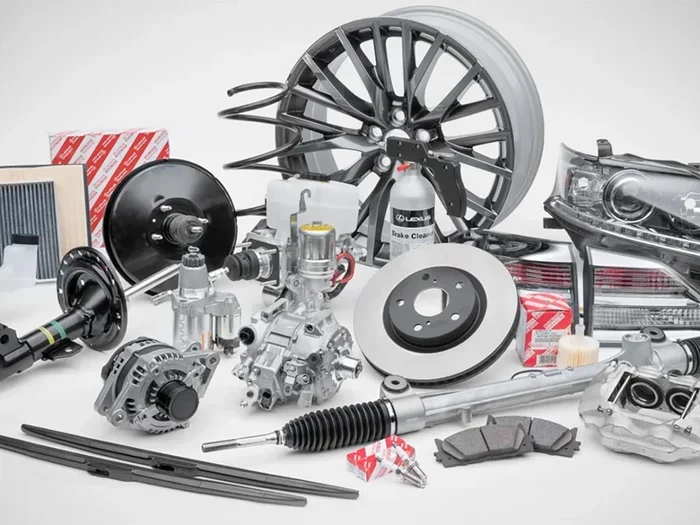
Mechanical parts like engines, transmissions, and drivetrain components are frequently shared between Lexus and Toyota models. If you own a Lexus RX and need a replacement part for the engine, there is a strong chance the part number matches a Toyota Camry or Highlander part. These components are built to the same specifications and undergo the same testing.
This shared approach extends to braking systems, exhaust components, and cooling systems. When a mechanic sources a genuine Toyota part for a Lexus repair, it is often a perfectly valid and high-quality choice. The part fits, functions, and lasts just as well as a part with a Lexus-specific label.
Electrical and Electronic Parts
Modern vehicles rely heavily on electronics. Infotainment systems, sensors, control modules, and wiring harnesses are areas where shared parts are common. Because Toyota and Lexus share engineering platforms, many electronic components are interchangeable.
However, there can be slight differences in software calibration. A Toyota part may work physically in a Lexus, but the software may need reprogramming to match the Lexus-specific features. This is why it is always best to consult with a dealer or qualified technician when replacing electronic components.
Exterior and Interior Parts
Body panels, trim pieces, and interior components often differ between Lexus and Toyota, even when the underlying platform is shared. Lexus vehicles have their own design language. The front grille, headlights, and badging are unique to the brand. So exterior parts specific to the Lexus look and feel will not be Toyota parts.
That said, many internal components like seat frames, door mechanisms, and climate control units are shared. If you need a replacement for a Lexus maintenance part like a cabin air filter or a wiper motor, a Toyota part may work perfectly.
What Does This Mean for Your Lexus Warranty?
One of the biggest concerns for Lexus owners is whether using Toyota parts will void the warranty. The answer depends on several factors, including your warranty terms and where you get the parts replaced.
New Vehicle Warranty Coverage
When you buy a new Lexus, it comes with a manufacturer warranty. This warranty covers defects in materials and workmanship. If a part fails due to a manufacturing defect, the warranty should cover it regardless of whether the part has a Toyota or Lexus label.
Using a genuine Toyota part for a replacement should not void your warranty, as long as the part meets Lexus specifications. Both Toyota and Lexus parts are sourced from the same quality-controlled supply chain. The Lexus warranty parts you receive from a dealer are often Toyota-sourced components with a Lexus part number.
Used Vehicle and Extended Warranty Considerations
If you buy a used Lexus, the original factory warranty may have expired. In this case, you might rely on an extended warranty or pay for repairs out of pocket. Knowing that Toyota parts are compatible gives you more options for affordable repairs.
You should also check whether Does Carfax Show Warranty Information for the vehicle you are considering. This can help you understand what warranty coverage transfers with the car and what parts may already be covered.
Can You Use Toyota Care at Any Dealership?
Toyota Care is a maintenance program that comes with new Toyota vehicles. Lexus vehicles, being part of the Toyota family, often have their own maintenance programs. However, the question of whether you can use Toyota Care at any dealership is relevant. The answer depends on your specific program terms and dealership policies.
Where Can You Get Lexus Parts Serviced?
Many Lexus owners assume they must visit a Lexus dealership for every service and repair. While Lexus dealerships are the most specialized option, they are not the only choice. Here is where you can get your Lexus serviced and parts replaced.
Toyota Dealerships
Yes, you can often get your Lexus serviced at a Toyota dealership. Because both brands share parts, tools, and training, a Toyota technician can handle many Lexus repairs. This is especially useful if you live far from a Lexus dealer or if the Lexus dealership has a long wait time.
If you are considering this route, it is worth asking whether the Toyota dealership can access the Lexus parts catalog. Most major Toyota dealers can order genuine Lexus parts directly from Toyota’s distribution network. This means you get the same OEM quality, often with shorter wait times.
Independent Repair Shops
Independent shops can also service Lexus vehicles. Many independent technicians are trained to work on both Toyota and Lexus models. They often use aftermarket parts or genuine Toyota parts as substitutes for Lexus-branded components. This can be a cost-effective option for non-warranty repairs.
Just make sure the shop uses high-quality parts and has experience with your specific Lexus model. Ask if they offer any warranty on their work and parts.
Online Parts Retailers
Online retailers have made it easier than ever to find Lexus and Toyota parts. You can compare prices, read reviews, and order parts directly to your home. When shopping online, always verify the part number and confirm compatibility with your specific Lexus model and year.
Toyota-Lexus Parts Interchangeability: A Closer Look
Parts interchangeability is one of the biggest advantages of the Toyota-Lexus relationship. When a part is interchangeable, it means you can use it across multiple models and brands within the Toyota family. This is a huge benefit for owners looking to save money on repairs.
Examples of Interchangeable Parts
Here are some common parts that are often interchangeable between Lexus and Toyota vehicles:
- Engine Components: Pistons, crankshafts, and timing belts from a Toyota Camry may fit a Lexus ES.
- Transmission Parts: Gaskets, seals, and fluid filters are frequently shared across models.
- Suspension Components: Shock absorbers, struts, and control arms often share the same part numbers.
- Lighting: Headlight bulbs, tail light assemblies, and interior lighting can overlap between models.
- Climate Control: Blower motors, cabin air filters, and AC compressors are commonly shared.
When Parts Are NOT Interchangeable
Not all parts are interchangeable. Luxury-specific features like adaptive suspension, advanced infotainment systems, and unique exterior styling parts are typically Lexus-only. These components are designed specifically for the Lexus experience and may not have a Toyota equivalent.
Always verify part compatibility before making a purchase. Using a non-compatible part can lead to fitment issues, poor performance, or even safety concerns.
Common Mistakes Lexus Owners Make with Parts
Avoiding common mistakes can save you time, money, and headaches. Here are the most frequent errors Lexus owners make when sourcing replacement parts.
Assuming All Parts Are Interchangeable
Just because Lexus and Toyota share many components does not mean every part is interchangeable. Always check the part number and confirm compatibility with your specific model.
Skipping Genuine Parts for Cheap Alternatives
>
Aftermarket parts can be tempting because they cost less. But cheap parts may not meet the same quality standards as OEM components. They can wear out faster, fit poorly, or even damage other parts of your vehicle.
Ignoring Software Updates
As mentioned earlier, electronic parts may need software calibration after installation. Skipping this step can cause warning lights, error codes, or malfunctioning features.
Not Checking Warranty Status
Before replacing any part, check whether your vehicle is still under warranty. Using the wrong parts or going to an unauthorized shop could void your coverage.
Expert Insights on Lexus and Toyota Parts
We reached out to industry experts to get their take on the Toyota-Lexus parts relationship. Here is what they had to say.
Dr. Mark Collins, Automotive Engineer: “The Toyota-Lexus parts overlap is one of the best-kept secrets in the automotive industry. Owners who understand this relationship can save hundreds, sometimes thousands, of dollars on repairs. The key is knowing which parts are shared and which are brand-specific.”
Sarah Lin, Certified Lexus Technician: “I always tell my customers that a genuine Toyota part is not a lesser part. It comes from the same factory, meets the same standards, and often has the same part number as the Lexus version. The brand on the box does not change the quality of the component.”
James Rivera, Auto Industry Analyst: “The shared parts strategy is a huge competitive advantage for Toyota and Lexus. It keeps costs down, improves reliability, and gives owners more flexibility when it comes to servicing and repairs.”
How to Verify Genuine Parts for Your Lexus
When you need a replacement part, you want to be confident it is genuine and compatible. Here is a step-by-step process to verify parts for your Lexus.
- Check Your Owner’s Manual: The manual lists recommended parts and specifications for your model.
- Find the Part Number: Look up the OEM part number in the Lexus parts catalog or online database.
- Compare Toyota and Lexus Part Numbers: Search for the Toyota equivalent part number. If they match, the parts are interchangeable.
- Consult a Dealer: Call a Lexus or Toyota dealer and provide the part number. They can confirm compatibility.
- Verify Warranty Coverage: Check whether the replacement falls under your warranty before proceeding.
Following these steps ensures you get the right part the first time. It also protects your warranty and keeps your Lexus running at its best.
Cost Comparison: Lexus vs Toyota Parts
One of the practical benefits of the Toyota-Lexus parts relationship is potential cost savings. Here is a general comparison of what you might expect.
| Part Type | Lexus OEM Part Cost | Toyota OEM Part Cost | Savings |
|---|---|---|---|
| Brake Pads | $120 – $180 | $90 – $140 | Up to 25% |
| Cabin Air Filter | $45 – $75 | $30 – $55 | Up to 27% |
| Alternator | $350 – $500 | $280 – $420 | Up to 16% |
| Headlight Assembly | $400 – $650 | N/A (Lexus-specific) | No savings |
| Suspension Strut | $250 – $400 | $200 – $350 | Up to 12% |
Keep in mind that prices vary by model, year, and region. Luxury-specific parts like the headlight assembly above may not have a Toyota equivalent and will carry the Lexus premium price.
Quick Tips for Lexus Owners
- Always ask if a Toyota OEM part is available for your Lexus repair before paying the Lexus premium.
- Keep records of all parts and repairs for warranty and resale purposes.
- Check your warranty before visiting an independent shop to avoid coverage issues.
- Use online parts databases to cross-reference Toyota and Lexus part numbers.
- Ask your dealer if they can source parts from the Toyota distribution network for lower costs.
- Do not assume that a part with a Toyota label is lower quality. It is often the same component.
Conclusion
So, does Lexus use Toyota parts for genuine replacements? The answer is a clear and reassuring yes. The Toyota-Lexus relationship goes far beyond just sharing a brand name. It is a deep, integrated partnership that affects how vehicles are built, serviced, and repaired.
Understanding this connection empowers you as a Lexus owner. You can make smarter decisions about where to get your car serviced, which parts to choose, and how to protect your warranty. The next time you need a replacement part, remember that a Toyota OEM part is not a compromise. It is often the same high-quality component with a different label.
Whether you visit a Lexus dealership, a Toyota dealer, or an independent shop, knowing about the shared parts ecosystem gives you an advantage. You can ask the right questions, verify compatibility, and avoid overpaying for parts.
Your Lexus is a premium vehicle, but that does not mean repairs have to be expensive. The Toyota connection provides a level of parts availability and affordability that few other luxury brands can match. Embrace it, and your wallet and your Lexus will both thank you.
Frequently Asked Questions
Are Toyota parts as good as Lexus parts?
Yes, Toyota parts are just as good as Lexus parts in most cases. Both brands share the same manufacturing facilities, quality standards, and supply chain. A Toyota OEM part and a Lexus OEM part are often physically identical, with the only difference being the branding on the packaging.
Will using Toyota parts void my Lexus warranty?
Using genuine Toyota parts for a Lexus repair should not void your warranty. As long as the parts meet Lexus specifications and are installed correctly, your warranty remains intact. However, always confirm with your dealer before proceeding with any warranty-covered repair.
Can I get my Lexus serviced at a Toyota dealership?
Yes, in most cases you can get your Lexus serviced at a Toyota dealership. Both brands share parts, tools, and technical training. Toyota dealers can often access the Lexus parts catalog and order genuine replacement parts directly from Toyota’s distribution network.
Which Lexus parts are NOT interchangeable with Toyota parts?
Luxury-specific parts like adaptive suspension components, advanced infotainment systems, unique exterior trim, and Lexus-exclusive styling parts are typically not interchangeable with Toyota equivalents. These components are designed specifically for the Lexus brand experience.
How can I find out if a Toyota part fits my Lexus model?
You can cross-reference part numbers using the Lexus parts catalog or online databases. Compare the Lexus OEM part number with the Toyota part number. If they match, the parts are interchangeable. You can also call a Toyota or Lexus dealer for confirmation.
Are aftermarket parts a good alternative to genuine Toyota or Lexus parts?
Aftermarket parts can be a budget-friendly option, but they may not match the quality, fit, or durability of genuine OEM parts. Aftermarket parts vary widely in quality, and some may not come with a warranty. For critical safety components like brakes and suspension, genuine parts are always the recommended choice.