Does the RAV4 Display Tire Pressure on the Dashboard
Yes, the Toyota RAV4 does display tire pressure information on the dashboard through its Tire Pressure Monitoring System (TPMS). The RAV4 dashboard shows real-time tire pressure readings on higher trims, while lower trims use a warning light to alert you when pressure drops below safe levels. Understanding how to read and respond to these indicators helps you maintain tire health and stay safe on the road.
Does the RAV4 display tire pressure on the dashboard? This is one of the most common questions Toyota RAV4 owners ask, especially when they see a strange light flicker on their instrument cluster. The short answer is yes, but the level of detail depends on your specific trim level and model year. Some RAV4 models give you a live digital readout of each tire’s pressure, while others rely on a simple warning light to tell you something is off.
Knowing how your Toyota RAV4 communicates tire pressure information matters. Proper tire pressure monitoring keeps you safe, improves fuel economy, and extends the life of your tires. When you understand what your dashboard is trying to tell you, you can act fast and avoid costly repairs. This guide breaks down everything you need to know about the RAV4 dashboard and its tire pressure features.
Whether you just bought a new RAV4 or have been driving one for years, this article covers the tire pressure display, warning lights, reset procedures, and common problems. We will walk you through each scenario so you never have to guess what that little light on your dash actually means.
Key Takeaways
- RAV4 Dashboard Displays Tire Pressure: Higher trims show live tire pressure readings, while base models use a warning light indicator.
- TPMS Light Means Action: The tire pressure warning light activates when one or more tires fall below the recommended PSI level.
- Resetting Is Simple: You can reset the TPMS light after fixing the tire issue using the dashboard controls or the reset button.
- Manual Checks Still Matter: Even with a digital display, using a tire pressure gauge regularly ensures accuracy and catches slow leaks early.
- Weather Affects Pressure: Cold temperatures can cause temporary pressure drops that trigger the warning light, which is normal and usually resolves.
- Ignoring the Light Is Risky: Driving with low tire pressure reduces fuel economy, wears tires unevenly, and increases the chance of a blowout.
- RAV4 Features Vary by Trim: Not all RAV4 models show the same level of tire pressure detail on the dashboard display.
📑 Table of Contents
- What Is the Tire Pressure Monitoring System in the RAV4?
- How to Check Tire Pressure on Your RAV4 Dashboard
- Understanding Tire Pressure Warning Lights on the RAV4 Dashboard
- How to Reset the Tire Pressure Light on a RAV4
- Common Tire Pressure Problems in the Toyota RAV4
- Tips for Maintaining Proper Tire Pressure in Your RAV4
- Frequently Asked Questions
- Conclusion
What Is the Tire Pressure Monitoring System in the RAV4?
Every modern Toyota RAV4 comes equipped with a Tire Pressure Monitoring System, commonly known as TPMS. This electronic system uses sensors inside each tire to measure the air pressure and send data to your vehicle’s computer. The RAV4 dashboard then displays this information in a way that is easy for the driver to understand.
The TPMS has two main jobs. First, it warns you when a tire is underinflated. Second, on higher-end trims, it provides real-time pressure readings for each individual tire. This means you can check your tire pressure readings without ever leaving the driver’s seat. The system works silently in the background and only activates when it detects a problem.
There are two types of TPMS systems used in the RAV4. Direct TPMS uses physical sensors mounted inside the tire valve stems. These sensors measure the actual air pressure and transmit the data wirelessly to the car’s computer. Indirect TPMS, found in some older models, uses the vehicle’s anti-lock braking sensors to detect differences in wheel rotation speed caused by underinflated tires. Most newer RAV4 models use the direct system because it provides more accurate tire pressure monitoring.
How TPMS Sensors Work
Each tire contains a small sensor that measures the internal air pressure. These sensors send data to a receiver module located in the vehicle. The module processes the information and compares it to the recommended pressure level for your specific RAV4 model. If the pressure falls below the threshold, the system triggers a warning on the RAV4 dashboard.
The sensors are battery-powered and typically last between five and ten years. When the battery dies, the sensor needs to be replaced. This is something to keep in mind as your vehicle ages. Regular vehicle maintenance includes checking the health of these sensors, especially if your RAV4 has higher mileage.
How to Check Tire Pressure on Your RAV4 Dashboard
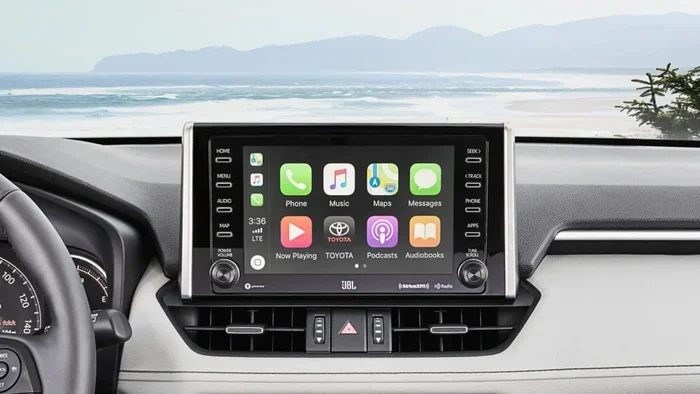
Checking your tire pressure on the RAV4 is straightforward, but the process varies depending on your trim level. Higher trims like the XLE, XSE, and Limited offer a full-color multi-information display that shows individual tire pressure values. Base models and older RAV4 versions may only show a generic warning light.
To access the tire pressure display, start the vehicle and look at the instrument cluster behind the steering wheel. On models with a digital display, you can scroll through different vehicle information screens using the steering wheel controls. The tire pressure screen will show the PSI reading for each tire along with the recommended pressure level.
Here is how to find the tire pressure display on most RAV4 models:
- Start the engine and press the steering wheel buttons to navigate the display menu.
- Look for the vehicle information or settings section on the screen.
- Select the tire pressure option to see live readings for all four tires.
- Compare the displayed values to the recommended PSI listed on the driver’s side door jamb.
If your RAV4 does not have a digital pressure readout, you will need to use a manual tire pressure gauge to check each tire. The dashboard will only show a warning light when pressure drops significantly. This is why many owners prefer the higher trims that include a full tire pressure display for peace of mind.
Recommended Tire Pressure Levels for the RAV4
The recommended tire pressure for a Toyota RAV4 typically ranges between 32 and 35 PSI, but this can vary based on the model year and trim. You can find the exact specification on a sticker located on the driver’s side door frame. Always inflate your tires to the pressure listed for your specific RAV4 model, not the number printed on the tire sidewall.
Keeping your tires at the correct pressure improves handling, ride comfort, and fuel efficiency. Underinflated tires create more rolling resistance, which forces the engine to work harder and burn more gas. Overinflated tires reduce the contact patch with the road, leading to a harsher ride and uneven tread wear.
Understanding Tire Pressure Warning Lights on the RAV4 Dashboard
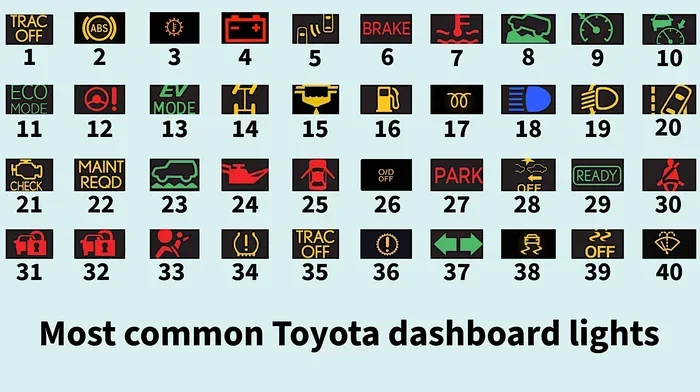
The tire pressure warning light is one of the most important dashboard indicators on your RAV4. It looks like a horseshoe shape with an exclamation mark in the center. When this light illuminates, it means the TPMS has detected that one or more tires are below the safe pressure threshold.
There are two types of warnings you might see. The first is a steady yellow light, which indicates that at least one tire is underinflated. The second is a flashing light, which usually signals a malfunction in the TPMS system itself, such as a dead sensor battery or a faulty sensor. Both situations require attention, but they mean different things.
When the warning light comes on, do not ignore it. Even if your tires look fine to the naked eye, a loss of just a few PSI can affect your safety and fuel economy. Pull over safely and check the pressure with a gauge as soon as possible.
Why the TPMS Light Comes On
Several factors can trigger the tire pressure warning light on your RAV4. Understanding these causes helps you respond appropriately and avoid unnecessary trips to the mechanic.
Temperature changes are one of the most common reasons. Cold weather causes the air inside your tires to contract, which lowers the pressure. A drop of just 10 degrees Fahrenheit can reduce tire pressure by about 1 PSI. This is why you might notice the light coming on during winter mornings and disappearing once the tires warm up from driving.
Other common causes include:
- A slow leak from a puncture or damaged valve stem.
- Natural air loss over time, which happens even without a visible leak.
- A faulty TPMS sensor that needs replacement.
- Recent tire rotation or replacement that was not followed by a sensor reset.
- A dead battery in one of the TPMS sensors.
If you notice the light comes on after a temperature drop, try inflating your tires to the recommended level and see if the light goes away after driving for a few minutes. If the light persists, a manual inspection of each tire is necessary.
How to Reset the Tire Pressure Light on a RAV4
Once you have fixed the tire pressure issue, the next step is resetting the TPMS light on your RAV4. The reset process is simple and can usually be done from the driver’s seat without any special tools.
On most RAV4 models, the reset procedure works like this:
- Make sure all tires are inflated to the recommended PSI level.
- Start the vehicle and locate the TPMS reset button, which is usually found beneath the steering column.
- Press and hold the reset button until the warning light on the dashboard blinks three times.
- Release the button and drive the vehicle for about 10 to 20 minutes.
- The system will recalibrate, and the light should turn off.
If the light does not go off after following these steps, there may be a deeper issue. A sensor could be failing, or there might be a slow leak that you have not detected yet. In this case, it is worth visiting a service center or using a diagnostic tool to read the specific error code.
When to Seek Professional Help
Sometimes the TPMS light stays on even after you have inflated your tires correctly. This can happen if the system needs a full recalibration or if one of the sensors has failed. A professional mechanic can use a diagnostic scanner to identify which sensor is causing the problem and replace it if needed.
Regular tire health checks go hand in hand with TPMS maintenance. If you frequently see the warning light, it might be time to inspect your tires more closely or replace aging sensors. Keeping up with RAV4 dashboard maintenance ensures your tire pressure monitoring system works reliably when you need it most.
Common Tire Pressure Problems in the Toyota RAV4
Like any vehicle, the RAV4 can experience specific tire pressure issues over time. Being aware of these common problems helps you catch them early and avoid more serious damage to your tires or vehicle.
One of the most frequent issues is a slow leak in the valve stem. The valve stem is the small metal or rubber piece that sticks out of the wheel. Over time, it can crack or become corroded, allowing air to escape slowly. This type of leak is hard to detect visually but will trigger the TPMS light eventually.
Another common problem is sensor battery failure. Since the TPMS sensors run on small batteries, they eventually die and need replacement. When a sensor battery dies, the system cannot read the pressure for that tire and will typically trigger a warning. The average sensor battery lasts about seven years, so older RAV4 models are more prone to this issue.
Temperature-related pressure drops are also very common, especially in colder climates. Many RAV4 owners notice the TPMS light coming on during the first cold snap of winter. This is usually temporary and resolves once the tires warm up from driving. However, if the light stays on, you should check the pressure manually to be safe.
How Temperature Affects Tire Pressure
Air inside your tires contracts when it gets cold and expands when it gets warm. This basic physical principle means your tire pressure can fluctuate with the seasons. A tire that reads 33 PSI in the summer might drop to 28 PSI in the dead of winter.
To account for this, many experts recommend checking your tire pressure at least once a month and adjusting as needed. This simple habit keeps your RAV4 dashboard readings accurate and prevents unnecessary warning lights. It also contributes to better vehicle maintenance overall.
Tips for Maintaining Proper Tire Pressure in Your RAV4
Maintaining the right tire pressure is one of the easiest ways to keep your RAV4 running smoothly and safely. A few simple habits can make a big difference in tire longevity, fuel economy, and driving comfort.
First, invest in a quality tire pressure gauge. Digital gauges are affordable and give you precise readings every time. Use it to check all four tires, including the spare, at least once a month. Do not rely solely on the dashboard display, even if your RAV4 has one, because the TPMS only alerts you after pressure has dropped significantly.
Second, check your tire pressure when the tires are cold. Driving heats up the air inside the tires, which raises the pressure reading. For the most accurate measurement, check your tires before you have driven more than a mile or two.
Third, keep a record of your pressure readings. This helps you spot trends, such as a tire that consistently loses air over time. Catching a slow leak early can save you from a flat tire on the highway.
Fourth, do not forget about the spare tire. If your RAV4 comes with a full-size spare, it needs proper pressure too. A spare with low pressure is useless when you actually need it. Check the spare at least twice a year.
Fifth, consider the load you carry. If you frequently haul heavy cargo or tow a trailer with your RAV4, you may need to increase your tire pressure slightly above the standard recommendation. Check your owner’s manual for the load-specific pressure guidelines.
Quick Tips for Tire Pressure Maintenance
- Check tire pressure monthly and before long trips.
- Keep a portable air compressor in your garage for quick top-offs.
- Replace valve stems when you replace tires to prevent slow leaks.
- Have your TPMS sensors checked during routine oil changes.
- Rotate your tires every 5,000 to 7,000 miles to ensure even wear.
By following these simple tips, you can keep your RAV4’s tires in excellent condition and avoid the hassle of frequent TPMS warnings. Proper tire pressure is one of the most overlooked aspects of vehicle maintenance, but it makes a noticeable difference in how your car feels and performs.
Frequently Asked Questions
Does the RAV4 Display Tire Pressure on All Trim Levels?
No, not all RAV4 trims display individual tire pressure readings. Higher trims like the XLE, XSE, and Limited typically offer a digital tire pressure display on the multi-information screen. Base trims and older model years may only show a warning light when pressure drops below the safe threshold. Check your owner’s manual to confirm what your specific RAV4 trim supports.
Can You Drive a Rav4 Without a Key Fob and Still Monitor Tire Pressure?
Yes, you can still monitor tire pressure on the dashboard even if you are driving without the key fob. The TPMS operates independently of the key fob system and will continue to display warnings or readings as normal. However, if you are wondering about other dashboard features, you can read more about whether you can drive a RAV4 without a key fob in our dedicated guide.
How Often Should I Check My RAV4 Tire Pressure Manually?
You should check your RAV4 tire pressure manually at least once a month and before any long road trips. The TPMS is designed as a backup warning system, not a replacement for regular manual checks. Using a tire pressure gauge gives you more precise readings and helps you catch slow leaks before they trigger the dashboard warning light.
Why Does My RAV4 Tire Pressure Light Come On in Cold Weather?
Cold weather causes the air inside your tires to contract, which lowers the pressure by about 1 PSI for every 10-degree drop in temperature. This temporary pressure drop can trigger the TPMS light on your RAV4 dashboard. The light usually goes away once the tires warm up from driving. If it stays on, you should check and adjust the pressure manually.
Can I Reset the TPMS Light Myself Without Going to a Dealer?
Yes, you can reset the TPMS light yourself in most cases. Simply inflate your tires to the recommended pressure, locate the TPMS reset button under the steering column, and hold it until the warning light blinks three times. Then drive for 10 to 20 minutes while the system recalibrates. If the light returns, there may be an underlying issue that needs professional diagnosis.
How Much Does It Cost to Replace a TPMS Sensor on a RAV4?
Replacing a TPMS sensor on a Toyota RAV4 typically costs between $50 and $150 per sensor, depending on the model year and whether you choose OEM or aftermarket parts. Some sensors also require programming to the vehicle’s computer, which may add to the labor cost. Regular vehicle maintenance can help extend sensor life and delay the need for replacement.
Conclusion
Does the RAV4 display tire pressure on the dashboard? Yes, it does, and understanding how this system works can save you time, money, and headaches. The Toyota RAV4 offers tire pressure monitoring across its lineup, with higher trims providing detailed digital readings and all models featuring a warning light to alert you of low pressure.
By staying on top of your tire pressure monitoring, checking your tires regularly with a manual gauge, and responding quickly when the warning light appears, you keep your RAV4 running safely and efficiently. Proper tire pressure improves fuel economy, extends tire life, and protects you and your passengers on every drive.
Make tire health a regular part of your vehicle maintenance routine. A few minutes of attention each month goes a long way toward preventing bigger problems down the road. Your RAV4’s dashboard is designed to help you stay informed, so pay attention to what it tells you and take action when needed.