Does the Toyota Highlander Qualify for Section 179 Deduction
The Toyota Highlander can qualify for a Section 179 deduction, but with important limitations. Because the Highlander weighs under 6,000 pounds GVWR, it does not qualify for the enhanced heavy SUV tax write-off. Business owners can still claim a standard deduction, but IRS passenger vehicle depreciation caps apply.
Running a business means watching every dollar. When you purchase a vehicle for work, the Section 179 deduction can be a game-changer. It allows you to deduct the full cost of qualifying business assets in the year you buy them. But not every vehicle qualifies the same way. The Toyota Highlander is a trusted SUV, but its tax treatment has specific rules you need to understand before filing.
Many business owners search for ways to reduce their tax burden. The Section 179 deduction offers a straightforward path. However, the IRS places strict rules on passenger vehicles. The Toyota Highlander falls into a category that has both opportunities and limitations. This guide explains everything you need to know to make an informed decision.
We will cover the basics of Section 179, the Highlander’s specifications, weight requirements, and the step-by-step process for claiming your deduction. By the end, you will know exactly where your Highlander stands and what you can do to get the most out of your business vehicle deduction.
Key Takeaways
- The Toyota Highlander qualifies for a standard Section 179 deduction, but not the enhanced SUV exception.
- The Highlander’s GVWR is below 6,000 pounds, which limits the first-year depreciation amount.
- Business use percentage directly impacts how much of the deduction you can claim.
- Proper documentation, including logs and receipts, is essential for a successful claim.
- The 2024 Section 179 deduction limit is $1,220,000, but passenger vehicle caps reduce this for the Highlander.
- Consulting a tax professional is recommended to ensure you maximize your deduction legally.
- Alternative Toyota SUVs over 6,000 pounds GVWR may offer a larger Section 179 benefit.
📑 Table of Contents
What Is the Section 179 Deduction?
The Section 179 deduction is a tax provision that lets business owners deduct the full purchase price of qualifying equipment and vehicles in the year of purchase. Instead of spreading the cost over several years through depreciation, you can write off the entire amount at once. This can significantly reduce your taxable income.
The Section 179 deduction applies to tangible personal property used for business. This includes computers, office equipment, and vehicles. For vehicles, the IRS has special rules. Passenger vehicles face annual depreciation limits that cap how much you can deduct. The goal is to prevent abuse while still rewarding business investment.
How Section 179 Works for Business Vehicles
When you use the Section 179 deduction for a vehicle, you must meet the business use test. The vehicle must be used more than 50 percent for business purposes. If you use your Highlander for both personal and business trips, you can only deduct the business portion. Keeping a mileage log is essential for this.
The Section 179 deduction also has an annual limit. For 2024, the maximum deduction is $1,220,000. However, this limit applies to total qualifying property, not just one vehicle. There is also a phase-out threshold. If you place more than $3,050,000 in qualifying property during the year, the deduction starts to decrease.
For most small business owners, these limits are more than enough. A single vehicle purchase rarely hits the phase-out point. But understanding the rules helps you plan your purchases wisely. You want to make sure every dollar of your business expense deduction counts.
Does the Toyota Highlander Qualify for Section 179?
The short answer is yes, but with a big caveat. The Toyota Highlander can qualify for the standard Section 179 deduction. However, it does not qualify for the enhanced heavy SUV deduction that many business owners seek. The reason comes down to weight.
The Toyota Highlander has a gross vehicle weight rating (GVWR) of approximately 4,300 to 4,500 pounds. The IRS sets the threshold for the enhanced SUV tax write-off at 6,000 pounds GVWR. Vehicles above this weight qualify for much higher first-year depreciation limits. The Highlander falls below this line, which means it is classified as a passenger car for tax purposes.
This classification matters a lot. Passenger cars have strict annual depreciation caps. For the Section 179 deduction, the first-year limit for passenger vehicles is much lower than for heavy SUVs. You can still claim the deduction, but the amount is smaller. This is why many business owners compare vehicles before making a purchase decision.
The Heavy SUV Exception and Why It Matters
The heavy SUV deduction is the loophole that makes owning a large business vehicle so attractive. SUVs, vans, and trucks with a GVWR over 6,000 pounds can qualify for first-year Section 179 deductions of up to $20,200 or more (depending on the year). Some vehicles even allow full expensing under bonus depreciation rules.
The Toyota Highlander does not meet this threshold. Its weight places it in the passenger car category. For passenger cars, the first-year Section 179 deduction is capped at around $20,200 as well, but the overall depreciation schedule is tighter. Over the life of the vehicle, you may deduct less total compared to a heavy SUV.
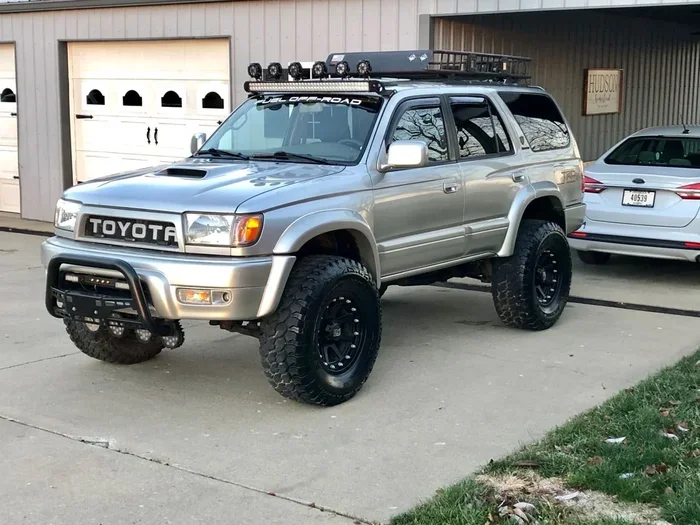
If maximizing your tax write-off vehicle deduction is your top priority, this distinction is critical. You may want to compare the Toyota Highlander with other Toyota SUVs that exceed 6,000 pounds GVWR. For example, the Toyota 4Runner or Toyota Sequoia may offer a better business vehicle deduction pathway.
Understanding Vehicle Weight and IRS Classification
The IRS classifies vehicles based on their GVWR, which stands for gross vehicle weight rating. This number includes the vehicle’s curb weight plus the maximum load it can carry. The classification determines which tax rules apply to your business vehicle deduction.
Here is how the IRS breaks it down:
- Passenger vehicles (GVWR under 6,000 pounds) face strict depreciation limits and lower Section 179 deduction caps.
- Heavy SUVs, trucks, and vans (GVWR over 6,000 pounds) qualify for the enhanced deduction and higher first-year limits.
- Qualified property includes any tangible asset used more than 50 percent for business, including vehicles that meet the weight threshold.
The Toyota Highlander sits firmly in the passenger vehicle category. Its Toyota Highlander specifications include a curb weight of around 3,800 to 4,000 pounds and a GVWR below 6,000 pounds. This means the IRS treats it like a standard car for tax purposes, regardless of its size or seating capacity.
When you are shopping for a business vehicle, checking the GVWR is essential. The number is listed on the vehicle door sticker or in the owner’s manual. If you want the full heavy SUV deduction, you need a vehicle that clears the 6,000-pound mark. This one detail can make a significant difference in your tax savings vehicle strategy.
How GVWR Differs from Curb Weight
It is easy to confuse curb weight with GVWR. Curb weight is the weight of the empty vehicle. GVWR is the maximum safe weight including passengers, cargo, and fuel. The IRS uses GVWR for classification. A vehicle might look heavy but still fall under 6,000 pounds GVWR. Always check the official rating, not your estimate.
Some business owners assume that a larger vehicle automatically qualifies for the heavy SUV exception. This is not true. The Toyota Highlander is a large three-row SUV, but its GVWR keeps it in the passenger car category. Understanding this distinction helps you make smarter purchasing decisions for your business.
How to Claim the Section 179 Deduction for Your Highlander
If you have already purchased a Toyota Highlander for business use, you can still claim the Section 179 deduction. The process is straightforward, but you need the right documentation and timing. Here is how to do it step by step.
Step 1: Confirm Business Use Percentage
The IRS requires you to determine the percentage of business use for your vehicle. If you use your Highlander 100 percent for business, you can deduct the full amount (within the passenger vehicle limits). If you use it for personal errands too, you must reduce your deduction proportionally.
Keep a detailed mileage log. Record every business trip, including the date, destination, purpose, and miles driven. This log serves as proof if the IRS ever audits your claim. Many business owners use apps to track this automatically. The more organized your records, the smoother the process.
Step 2: Gather Your Purchase Documentation
You need proof of purchase to claim the Section 179 deduction. Keep your invoice, title, and registration documents. The vehicle must be placed in service during the tax year you are claiming. If you bought the Highlander in December but did not start using it for business until January, you must wait until that tax year.
Also, make sure the vehicle is titled and registered in your business name or in your name if you are a sole proprietor. The business asset deduction requires that the vehicle is used in your trade or business. Personal vehicles do not qualify.
Step 3: File Form 4562
To claim the Section 179 deduction, you file Form 4562 with your tax return. This form handles depreciation and Section 179 deductions. You will enter the vehicle details, the cost basis, the business use percentage, and the deduction amount.
If you are claiming the full Section 179 deduction, enter the full purchase price on Part I of the form. The software or your tax preparer will calculate the limits based on the vehicle classification. For passenger vehicles like the Highlander, the form will apply the annual depreciation cap automatically.
Step 4: Consider Bonus Depreciation
In addition to Section 179, you may also qualify for bonus depreciation. This allows you to deduct a percentage of the vehicle’s cost in the first year. For 2024, the bonus depreciation rate is 60 percent. You can combine Section 179 with bonus depreciation, but you must follow the IRS rules for each.
For the Toyota Highlander, bonus depreciation can help bridge the gap left by the passenger vehicle limits. While the Section 179 deduction is capped, bonus depreciation lets you deduct a large portion of the remaining value in year one. Together, these two tools can significantly reduce your tax bill.
Business Use Requirements and Documentation
The IRS takes business use very seriously. To claim any business vehicle deduction, you must prove that the vehicle is used primarily for business. The standard threshold is more than 50 percent business use. However, the higher your business use percentage, the larger your deduction.
Here are the key documentation requirements:
- Mileage log: Record every trip, separating business and personal miles.
- Receipts: Keep all purchase and maintenance receipts for the vehicle.
- Business purpose notes: Write down the reason for each business trip.
- Odometer readings: Track starting and ending odometer readings periodically.
When you purchase a vehicle for your business, you also need proper identification and registration. If you need a replacement key, having Toyota cut a key from the VIN ensures you have the correct documentation tied to your vehicle identification number. This may seem minor, but it supports your overall record-keeping for tax purposes.
Many business owners also wonder about service and maintenance. You can take your Toyota to any dealer for service and still claim your deduction. The IRS does not require you to use a specific service center. What matters is that you keep records of all business-related expenses, including maintenance costs.
Common Documentation Mistakes to Avoid
Failing to keep a mileage log is the most common mistake. Without it, the IRS may disallow your deduction entirely. Another mistake is claiming 100 percent business use without sufficient proof. If you use your Highlander for weekend family trips, you must reduce your deduction accordingly.
Also, do not forget to track expenses like fuel, insurance, and repairs. These are separate deductions that can further reduce your taxable income. Combining the Section 179 deduction with operating expense deductions gives you the maximum tax savings vehicle benefit.
Tips for Maximizing Your Section 179 Deduction
Getting the most out of your Section 179 deduction requires planning. Here are practical tips to help you maximize your savings when using a Toyota Highlander for business.
Compare Vehicle Options Before Buying
If you have not yet purchased your vehicle, compare the Toyota Highlander with other options. SUVs over 6,000 pounds GVWR offer a much better business vehicle deduction. The Toyota 4Runner, for example, has a GVWR above 6,000 pounds and qualifies for the enhanced heavy SUV deduction. The price difference may be small, but the tax savings can be significant.
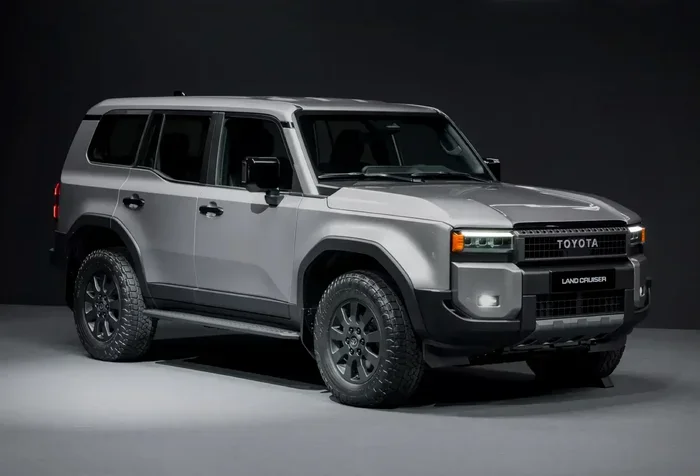
You might also consider the Toyota Sequoia or other large Toyota SUVs. When comparing options, you could check how much the 2026 FJ Cruiser costs to see if a different Toyota model better fits your tax write-off vehicle goals. The right vehicle choice can save you thousands in taxes over the ownership period.
Time Your Purchase Strategically
The Section 179 deduction applies in the tax year you place the vehicle in service. If you need the deduction for a specific tax year, plan your purchase accordingly. Buying in December gives you the deduction for that tax year. Waiting until January delays the benefit.
Also, consider the annual Section 179 limits. If you are purchasing multiple assets for your business, prioritize vehicles and equipment that give you the biggest deduction. The qualifying property rules allow you to allocate your deduction across multiple items, so plan your purchases holistically.
Work with a Tax Professional
Tax laws change every year. The Section 179 deduction limits, depreciation caps, and bonus depreciation rates can shift. A qualified tax professional can help you navigate these changes and ensure you are not leaving money on the table. They can also help you structure your purchases to maximize the business expense deduction while staying compliant with IRS rules.
Keep Records Year-Round
The best time to start documenting is the day you buy the vehicle. Do not wait until tax season. A well-organized record-keeping system makes filing easier and protects you in case of an audit. Use a dedicated folder for all vehicle-related documents, including purchase paperwork, maintenance records, and mileage logs.
Many business owners also track fuel efficiency and maintenance costs. These numbers help you understand the true cost of operating your vehicle. Over time, this data helps you make better purchasing decisions for your business fleet or personal vehicle.
Conclusion
The Toyota Highlander does qualify for the Section 179 deduction, but with important limitations. Its weight places it in the passenger vehicle category, which means lower depreciation caps and a smaller first-year deduction compared to heavy SUVs. However, the deduction is still valuable. Combined with bonus depreciation and operating expense deductions, you can still achieve meaningful tax savings vehicle benefits.
Understanding the rules before you buy is the key to making the right decision. If maximizing your business vehicle deduction is your priority, consider comparing the Highlander with heavier Toyota SUVs that qualify for the enhanced heavy SUV deduction. And if you already own a Highlander, proper documentation and strategic filing can help you claim every dollar you deserve.
The Section 179 deduction is a powerful tool for business owners. Whether you drive a Highlander or another vehicle, knowing the rules puts you in control of your tax strategy. Take the time to understand your options, keep your records clean, and work with a trusted tax professional. Your business tax deduction is worth the effort.
Frequently Asked Questions
Can I claim the Section 179 deduction on a Toyota Highlander used partially for personal trips?
Yes, but your deduction is limited to the business use percentage. If you use your Highlander 60 percent for business and 40 percent for personal use, you can only deduct 60 percent of the vehicle cost. The IRS requires accurate mileage tracking to support your claim.
What is the GVWR threshold for the heavy SUV Section 179 exception?
The IRS sets the threshold at 6,000 pounds GVWR. Any SUV, truck, or van with a GVWR above 6,000 pounds qualifies for the enhanced Section 179 deduction with higher first-year limits. The Toyota Highlander falls below this threshold, which is why it is classified as a passenger vehicle.
Can I combine Section 179 with bonus depreciation on my Toyota Highlander?
Yes, you can combine both deductions. Section 179 lets you deduct a portion of the cost immediately, and bonus depreciation lets you deduct a percentage of the remaining value. For 2024, bonus depreciation is 60 percent. Together, they can significantly reduce your taxable income from a vehicle purchase.
Does the Toyota Highlander Hybrid qualify differently for Section 179?
No, the hybrid version follows the same IRS rules. The hybrid powertrain does not change the vehicle’s GVWR or its classification as a passenger vehicle. The Section 179 deduction limits for the Highlander Hybrid are the same as for the standard model.
What happens if my business use percentage drops below 50 percent?
If your business use falls below 50 percent, you may lose the ability to claim the full Section 179 deduction. The IRS requires more than 50 percent business use for full expensing. If your use drops significantly, consult a tax professional to understand how it affects your deduction.
Are there state-level Section 179 equivalents for the Toyota Highlander?
Some states offer their own version of the Section 179 deduction or similar business vehicle deduction programs. These vary widely by state. Check with your state tax agency or a local tax advisor to see if your tax write-off vehicle purchase qualifies for additional state-level savings.