Factors That Affect the Cost of Auto Window Tint Guide
The auto window tint cost depends on several important factors, including the type of film you choose, your vehicle size, and whether you go with professional installation or a DIY approach. Ceramic tint offers top-tier heat rejection but costs more, while dye-based tint is budget-friendly but fades faster. Understanding these factors that affect the cost of auto window tint helps you make a smart, informed decision.
When you start shopping for auto window tint, the first thing that hits you is the wide range of prices. One shop quotes $200, another quotes $600 for what seems like the same job. So what gives?
The truth is, the auto window tint cost is not a one-size-fits-all number. Many different elements come together to determine the final price. The type of film you pick, the size of your vehicle, the quality of installation, and even local laws all play a role. This guide breaks down every factor that affects the cost of auto window tint in plain, simple language so you never overpay or underinvest.
Whether you want better UV protection, less glare while driving, or a sleek look for your car, knowing what drives the price puts you in control. You will walk away understanding exactly where your money goes and how to get the best value for your window tinting price. Let us dive in.
Key Takeaways
- Film type matters most: Ceramic, carbon, metallic, and dye-based films all have different price points and performance levels.
- Vehicle size drives cost: SUVs and trucks cost more to tint than sedans because they have more glass surface area.
- Professional installation costs more upfront: But it delivers better durability, fewer bubbles, and a stronger warranty.
- Legal tint limits vary by state: Always check local regulations before choosing your tint percentage.
- Quality film lasts longer: Investing in premium film quality saves money over time through better UV protection and tint durability.
- Additional features add value: Glare reduction, privacy tint, and solar energy rejection are worth the extra cost for many drivers.
📑 Table of Contents
- What Is Auto Window Tint and Why Does It Matter?
- Types of Window Tint Film and Their Prices
- Vehicle Size and Number of Windows
- Professional vs. DIY Installation
- Legal Restrictions and Tint Regulations
- Maintenance and Long-Term Value
- Expert Insights on Choosing the Right Tint
- Key Takeaways
- Conclusion
What Is Auto Window Tint and Why Does It Matter?
Auto window tint is a thin film applied to the inside of your car windows. It serves many purposes, from blocking harmful UV rays to reducing heat inside your vehicle. People tint their cars for comfort, privacy, and style. But the car window tint installation cost can vary quite a bit depending on what you are looking for.
The film itself is usually made from layers of polyester and other materials. Different film quality levels use different materials and manufacturing processes. Cheaper films use basic dyes, while premium films use advanced ceramics or carbon particles. These material differences are the biggest reason window tinting price ranges so widely.
Beyond looks, tinted windows offer real practical benefits. They protect your skin from long-term sun exposure. They keep your car cooler on hot summer days. They also reduce glare from the sun and headlights at night. All of these benefits tie back to the factors that affect the cost of auto window tint, because better performance usually means better materials and higher prices.
How Tint Percentage Works
The tint percentage refers to how much light the film lets through. A 5% tint, often called “limo tint,” is very dark and blocks most light. A 70% tint is nearly clear and lets in a lot of light. The percentage you choose can affect both the price and the legal tint limits in your area.
Darker tints sometimes cost slightly more because they use denser materials. But the percentage alone does not determine the price. The type of film used at that percentage matters just as much. For example, a 35% ceramic tint will cost more than a 35% dye-based tint even though the darkness level is the same.
Types of Window Tint Film and Their Prices
The type of film you choose is the single biggest factor that affects the cost of auto window tint. Each film type has its own look, performance level, and price tag. Here is a closer look at the most common options on the market today.
Dye-Based Tint
Dye-based tint is the most affordable option. It uses a layer of dye sandwiched between adhesive and a protective coating. This type of film does a decent job at reducing glare and adding privacy. However, it has some downsides.
- Price range: $50 to $150 for a full sedan
- Heat rejection: Moderate — it absorbs heat but does not block it as well as advanced films
- Durability: Lower — the dye can fade or bubble over time, usually within 2 to 4 years
- Best for: Budget-conscious drivers who want a basic tint without fancy features
If you are on a tight budget, dye-based tint gets the job done. Just know that you may need to replace it sooner than with pricier options. This is one of the reasons the window tinting price can be so low for this type.
Metallic Tint
Metallic tint contains tiny metal particles embedded in the film. These particles reflect heat and give the film a shiny, mirror-like look. It performs better than dye-based tint in terms of heat rejection and tint durability.
- Price range: $100 to $250 for a full sedan
- Heat rejection: Good — metal particles effectively reflect solar energy away from the car
- Durability: Moderate to good — lasts around 4 to 6 years
- Best for: Drivers who want strong performance and a sleek, shiny finish
The downside of metallic tint is that it can interfere with cell phone signals and GPS reception. The metal layer blocks some radio frequencies. For most people, this is a minor issue, but it is worth knowing before you commit. This trade-off keeps the car window tint installation cost in the mid-range.
Carbon Tint
Carbon tint has become very popular in recent years. It does not contain metal, so it will not interfere with electronics. The film has a matte, non-reflective finish that many people find more attractive than metallic options.
- Price range: $150 to $350 for a full sedan
- Heat rejection: Very good — carbon particles block a high percentage of infrared heat
- Durability: High — lasts 5 to 8 years without fading
- Best for: Drivers who want a balance of performance, looks, and no signal interference
Carbon tint sits in the middle of the price spectrum for a reason. It offers strong UV protection and excellent solar energy rejection without the drawbacks of metallic film. Many car enthusiasts consider this the sweet spot between cost and performance.
Ceramic Tint
Ceramic tint is the premium option. It uses nano-ceramic particles that deliver the highest level of performance in every category. It blocks heat better than any other film type, provides excellent UV protection, and does not fade or discolor over time.
- Price range: $250 to $600+ for a full sedan
- Heat rejection: Excellent — blocks up to 90% or more of infrared heat
- Durability: Very high — can last 10+ years with proper care
- Best for: Drivers who want the absolute best performance and do not mind paying more
The ceramic tint price is significantly higher, but many owners say it is worth it. The tint durability alone justifies the investment for people who plan to keep their car for many years. Plus, the heat rejection and UV protection benefits are noticeable every single time you get in the car.
| Film Type | Avg. Cost (Sedan) | Heat Rejection | Durability | Signal Interference |
|---|---|---|---|---|
| Dye-Based | $50 – $150 | Moderate | 2-4 years | None |
| Metallic | $100 – $250 | Good | 4-6 years | Yes |
| Carbon | $150 – $350 | Very Good | 5-8 years | None |
| Ceramic | $250 – $600+ | Excellent | 10+ years | None |
As you can see from the table above, the window tinting price goes up as the film technology improves. This is the most important of all the factors that affect the cost of auto window tint. Your choice here will determine the baseline cost for your entire project.
Vehicle Size and Number of Windows
Not all cars have the same amount of glass. A compact sedan has far fewer square inches of window surface than a large SUV or a pickup truck. The vehicle type you drive directly impacts the car window tint installation cost because more glass means more film and more labor time.
Sedans and Compact Cars
Sedans are the cheapest vehicles to tint. They have four doors, a rear windshield, and a front windshield — that is six windows total. The total surface area is relatively small, so the film and labor costs stay low. A basic dye-based tint on a sedan can be done for as little as $100 to $200.
SUVs and Crossovers
SUVs have larger windows, especially on the sides and the rear. The side windows on a full-size SUV can be quite tall, requiring more film per window. Expect the window tinting price to jump by 30% to 50% compared to a sedan of similar film quality.
Trucks and Vans
Trucks and vans present unique challenges. Many have rear windows that curve or have unusual shapes. Some vans have split side windows or large sunroofs that need special attention. All of these factors increase the car window tint installation cost because they require more precision and more film.
Why More Windows Means Higher Cost
Every window needs to be cleaned, measured, cut, and applied separately. The technician spends more time on vehicles with more glass. Some shops charge per window, while others quote a flat rate for the whole car. Always ask for a detailed breakdown so you understand exactly what you are paying for. This transparency helps you compare window tinting price options across different shops.
Professional vs. DIY Installation
One of the biggest decisions you will make is whether to hire a professional or tackle the job yourself. Both options have pros and cons, and the choice significantly impacts the auto window tint cost and the final result.
Professional Installation
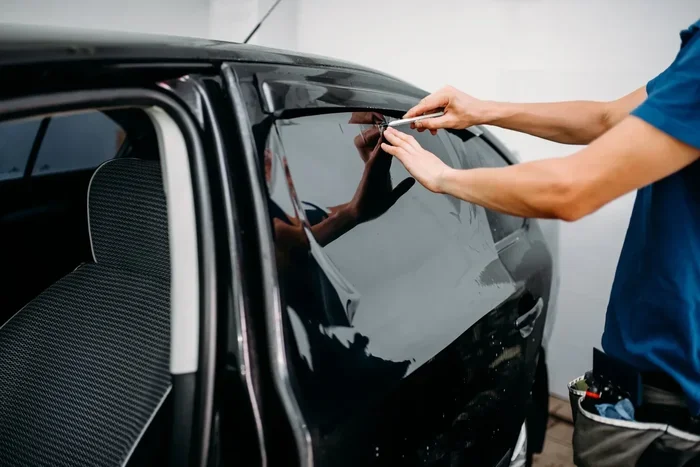
Hiring a professional means you pay for expertise, quality tools, and a window tint warranty. A skilled installer knows how to apply film without bubbles, wrinkles, or peeling edges. They also understand legal tint limits and can help you choose a tint percentage that complies with local laws.
- Average cost: $200 to $600+ depending on film type and vehicle size
- Pros: High-quality finish, warranty coverage, correct tint percentage selection, saves you time
- Cons: Higher upfront cost, you are dependent on the shop’s schedule
Professional installation is the best choice for most people. The tint durability and heat rejection performance are noticeably better when the film is applied correctly. A good installation can extend the life of your tint by several years.
DIY Window Tint Kits
DIY window tint kits are widely available online and at auto parts stores. They cost much less upfront, which is their biggest appeal. A basic kit for a sedan might run $30 to $100.
- Average cost: $30 to $100 for a DIY kit
- Pros: Very low upfront cost, you control the timeline, fun hands-on project
- Cons: Higher risk of bubbles and peeling, no warranty, time-consuming, may not meet legal tint limits
DIY tinting is a great option if you are on a very tight budget and enjoy working with your hands. However, the results are often inconsistent. Bubbles, creases, and peeling edges are common problems. You also lose the window tint warranty that comes with professional work. Over time, a poorly applied DIY tint may need to be replaced, which can end up costing more than a professional job from the start.
Quick Tips for a Better Tint Job
Whether you go professional or DIY, a few tips can help you get the best results. Clean your windows thoroughly before any film is applied. Work in a dust-free environment with low humidity. Take your time with the application, and do not rush the squeegee step. These small details make a big difference in how long your tint lasts and how good it looks.
Legal Restrictions and Tint Regulations
Every state has its own legal tint limits that dictate how dark your tint can be and on which windows. These regulations directly affect the auto window tint cost because some film types and darkness levels may not be legal in your area.
Why Laws Matter for Your Budget
If you choose a tint that is too dark for your state, you could get pulled over and fined. Some shops will not apply illegal tints, and others may charge extra to stay within the legal tint percentage. Understanding the rules in your area helps you avoid wasted money and legal trouble.
Common Legal Tint Rules
Most states allow a certain level of darkness on the side windows and rear windshield but have stricter rules for the front windshield. For example, many states require the front windshield to have a clear strip at the top, while the side windows can be tinted to 35% or 20%. The legal tint limits vary widely, so always check your local Department of Motor Vehicles website before scheduling your installation.
Medical Exemptions
Some states allow darker tints for medical reasons. If you or a passenger has a condition that requires extra UV protection, you may qualify for an exemption. This can open up more film options and potentially higher window tinting price points that would otherwise be restricted.
Maintenance and Long-Term Value
The factors that affect the cost of auto window tint do not end at the point of purchase. How you care for your tint over time affects its lifespan, appearance, and overall value.
How to Extend Your Tint’s Life
Proper maintenance keeps your tint looking great and performing well for years. Avoid rolling down your windows for at least 48 to 72 hours after installation. This allows the adhesive to cure fully. Use a soft microfiber cloth when cleaning your windows, and avoid harsh chemical cleaners that can degrade the film.
- Wait 3 days before rolling down windows
- Use mild soap and a soft cloth for cleaning
- Avoid ammonia-based cleaners that break down the film
- Park in shade when possible to reduce heat stress on the film
Warranty Matters
A good window tint warranty protects you against bubbling, peeling, and fading. Premium films from reputable brands often come with lifetime warranties. This is another reason the auto window tint cost is higher for quality products — the warranty adds real value over time.
When comparing quotes, ask each shop what their warranty covers. Some warranties only cover the film itself, while others cover both the film and the labor. A comprehensive warranty gives you peace of mind and saves you money if something goes wrong down the road.
Is Premium Tint Worth the Extra Cost?
For most car owners, the answer is yes. Premium ceramic tint or high-quality carbon tint costs more upfront but delivers better heat rejection, superior UV protection, and longer tint durability. Over a 10-year period, a premium film may actually cost less than replacing a cheap dye-based tint two or three times.
Think of it this way: the window tinting price is an investment in your comfort, your health, and your vehicle’s value. Better film means less heat inside the car, fewer harmful UV rays reaching your skin, and a cleaner, more polished look. These benefits compound over time, making premium tint a smart financial choice.
Expert Insights on Choosing the Right Tint
Industry professionals agree that the biggest mistake people make is choosing based on price alone. The cheapest option often leads to disappointment. A better approach is to balance your budget with your performance needs. If you live in a hot climate, prioritize heat rejection and UV protection. If your main goal is privacy, a moderate tint percentage on the side windows may be all you need.
Another expert tip is to always get quotes from at least three different shops. Pricing varies widely even within the same city. Ask what film brands they carry, what the warranty includes, and whether the quote covers all windows or charges per window. This research ensures you get a fair window tinting price and high-quality film quality for your investment.
Key Takeaways
- Film type is the biggest cost driver: Ceramic costs the most, dye-based costs the least, and each type offers different performance levels.
- Vehicle size matters: Larger vehicles with more glass surface area cost more to tint than smaller cars.
- Professional installation costs more: But it delivers better results, longer durability, and a stronger window tint warranty.
- Know your legal limits: Choosing a tint percentage within your state’s legal tint limits avoids fines and the need to re-tint.
- Maintenance extends lifespan: Simple care habits like waiting before rolling down windows and using gentle cleaners keep your tint looking great.
- Premium film pays off long-term: The higher auto window tint cost for quality film saves money over time through better performance and fewer replacements.
Conclusion
The auto window tint cost is shaped by many factors working together. The type of film you choose, the size of your vehicle, the quality of installation, and your local legal requirements all contribute to the final number. By understanding these factors that affect the cost of auto window tint, you can make a confident decision that balances your budget with your needs.
Do not just chase the lowest window tinting price. Instead, focus on getting the best value for your money. Choose a film type that fits your climate and lifestyle, pick a tint percentage that meets legal requirements, and invest in quality professional installation whenever possible. The result will be a car that looks better, feels more comfortable, and stays protected from harmful UV rays for years to come.
Take the time to research your options, compare quotes, and ask questions. A well-informed decision on your car window tint installation cost pays off every single time you get behind the wheel. Your car, your skin, and your comfort will thank you.
Frequently Asked Questions
What is the average cost to tint all windows on a car?
The average cost ranges from $100 to $600 depending on your vehicle size, the type of film you choose, and your location. A basic dye-based tint on a sedan will be on the lower end, while a premium ceramic tint on an SUV will be on the higher end. Always get at least three quotes to ensure a fair window tinting price.
Does tint darkness affect the cost?
Yes, darker tints can sometimes cost slightly more because they use denser materials. However, the tint percentage alone does not determine the price. The film type matters just as much. A 35% ceramic tint will cost more than a 5% dye-based tint even though the darker film is cheaper.
Is DIY window tint worth the savings?
DIY kits are much cheaper upfront, often costing $30 to $100. However, they come with a higher risk of bubbles, peeling, and uneven application. You also lose the window tint warranty that professional installation provides. For most people, the long-term value of professional work outweighs the initial savings of a DIY job.
How long does auto window tint last?
The lifespan depends on the film type. Dye-based tint lasts 2 to 4 years, metallic tint lasts 4 to 6 years, carbon tint lasts 5 to 8 years, and ceramic tint can last 10 years or more with proper care. Tint durability is one of the strongest reasons to invest in higher-quality film.
Are there any hidden costs I should watch out for?
Some shops charge extra for front windshield tinting or for vehicles with unusual window shapes. Ask whether the quote includes all windows and whether there is a separate charge for the rear windshield. Also confirm if the price includes any prep work or post-installation care instructions.
Can I tint my windows if I live in a state with strict legal tint limits?
Yes, you can still tint your windows legally. The key is to choose a tint percentage that complies with your state’s legal tint limits. Many shops are familiar with local regulations and will recommend compliant options. If you need extra UV protection, look for films that offer strong performance at a legal darkness level.