How Can a Car Catch on Fire Common Causes Explained
Understanding how a car can catch on fire is essential for every driver. This guide breaks down the most common causes of vehicle fires, from electrical faults and fuel leaks to accident-related blazes. You will learn warning signs, practical prevention steps, and what to do if your car goes up in flames.
Few things are as terrifying as watching flames engulf your vehicle. The thought of a car fire can send chills down anyone’s spine. Yet, vehicle fires happen more often than most people realize. Every year, thousands of cars catch fire on roads and highways across the country. Understanding how can a car catch on fire is the first step toward protecting yourself and your loved ones.
Car fires are not just rare movie scenes. They are a real and serious danger on our roads. The causes range from simple maintenance neglect to severe collision damage. Some fires start slowly with a small leak or a frayed wire. Others ignite in an instant after a high-speed crash. Either way, the result can be devastating. This article will walk you through the most common car fire causes, the warning signs to watch for, and practical steps you can take to prevent a fire from starting.
Whether you drive a brand-new sedan or a trusty old truck, this guide has something for you. We will cover electrical problems, fuel system issues, mechanical failures, and what happens after an accident. You will also learn about car fire prevention tips and the right car fire response steps if disaster strikes. Let us dive in and make sure you are as prepared as possible.
Key Takeaways
- Electrical failures are the leading cause of car fires worldwide.
- Fuel system leaks create highly flammable conditions under and around your vehicle.
- Overheating engines and catalytic converters can reach temperatures hot enough to ignite nearby materials.
- Car fires after accidents often result from damaged fuel lines and exposed components.
- Knowing the warning signs like smoke, strange smells, and fluid leaks can save your life.
- Regular car maintenance and basic vehicle fire prevention steps reduce risk significantly.
- Having a fire extinguisher for car use in your vehicle is a smart safety investment.
📑 Table of Contents
What Causes a Car to Catch on Fire?
The question of how can a car catch on fire has several answers. Most vehicle fires trace back to a handful of root causes. These include electrical faults, fuel leaks, mechanical failures, and external damage. Each cause has its own set of triggers and warning signs. Let us explore the main categories so you understand where the real dangers lie.
According to car fire statistics, mechanical or electrical failures account for nearly two-thirds of all vehicle fires. Only a small percentage are caused by collisions. This means most car fires are actually preventable. Regular car maintenance and awareness of warning signs go a long way. Below, we break down each major cause in detail.
Fuel System Leaks
Gasoline is highly flammable. Even a small fuel system leak can create a dangerous situation. When fuel drips onto hot engine parts or exhaust components, ignition can happen in seconds. Fuel lines can degrade over time, especially in older vehicles. Rust, wear, and improper repairs can all lead to a fuel leak fire.
Common signs of a fuel leak include a strong gasoline smell near the car, visible drips under the vehicle, and a drop in fuel efficiency. If you notice any of these signs, get your car inspected immediately. A fuel leak fire can erupt without much warning. This is one of the most common car fire causes, and it is also one of the easiest to prevent.
Electrical Failures
Your car contains miles of wiring and dozens of electrical components. Over time, insulation can wear thin. Wires can fray, corrode, or get pinched. When exposed wires touch each other or metal surfaces, they can spark. That spark can ignite nearby fluids, insulation, or debris. An electrical short circuit is one of the most common reasons a car catches fire.
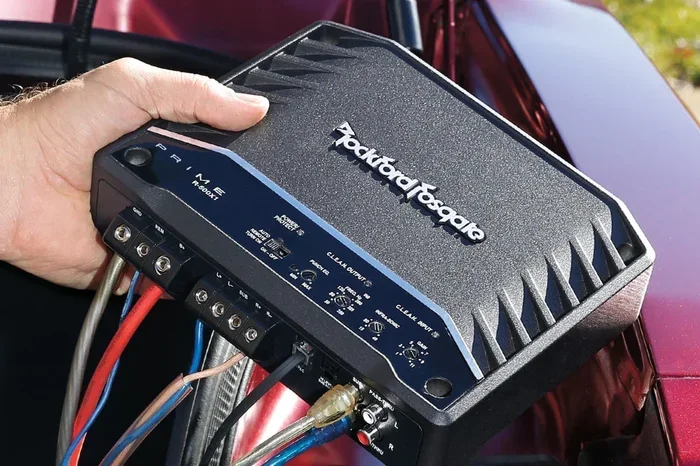
Older vehicles are especially vulnerable. However, even new cars can develop electrical issues. Poorly installed aftermarket accessories like stereo systems or LED lights can create fire hazards. A short circuit in the dashboard or under the hood can go unnoticed until it is too late. This is why regular electrical inspections matter for vehicle fire prevention.
Mechanical Failures
Engines, transmissions, and braking systems all generate intense heat. When these systems fail, the consequences can be severe. A seized engine, a broken belt, or a stuck brake caliper can create extreme friction. That friction generates heat, which can ignite oil, grease, or nearby plastic and rubber components.
Mechanical failures often build up over time. A car that runs hot consistently is at higher risk. Slipping belts and worn bearings create heat signatures that can go unnoticed during normal driving. Keeping your car well-maintained reduces the chance of a mechanical failure turning into an underhood fire.
Electrical Problems That Lead to Vehicle Fires
Electrical issues deserve their own deep dive because they are the number one cause of car fires. Your vehicle’s electrical system powers everything from the ignition to the headlights. When something goes wrong in that system, the results can be catastrophic. Understanding how an electrical fire in car scenarios develop can help you spot trouble early.
Short Circuits and Wiring Issues
A short circuit happens when electricity takes an unintended path. This often occurs when insulation breaks down and bare wires come into contact. The result is a sudden surge of current, which generates intense heat. That heat can melt wire insulation, ignite nearby materials, and start a fire under the hood.
Short circuits can happen anywhere in the vehicle. They are common behind the dashboard, under the hood, and even inside the doors. Water intrusion from leaks can accelerate corrosion and increase the risk. If you notice flickering lights, blown fuses, or a burning smell from the electrical system, do not ignore them. These are early warning signs of a potential electrical fire in car situations.
Battery Problems
Car batteries store a large amount of energy. When a battery malfunctions, it can overheat, swell, or even explode. A damaged or overcharged battery can release hydrogen gas, which is highly flammable. In extreme cases, the battery can catch fire on its own.
Hybrid and electric vehicles use high-voltage battery packs. These packs store far more energy than a standard car battery. While rare, hybrid car fire incidents have made headlines. The risk is low but real. If you drive a hybrid or electric vehicle, follow the manufacturer’s maintenance guidelines closely. Regular battery inspections are a key part of vehicle fire prevention.
Aftermarket Modifications
Customizing your car can be fun. But improper installations can introduce serious fire risks. Aftermarket stereo systems, lighting kits, and winches all draw extra power. If the wiring is not done correctly, the risk of an electrical short circuit increases significantly. Cheap parts and DIY installations without professional help are the most common culprits.
Always have modifications done by certified professionals. Use quality parts that match your vehicle’s electrical specifications. A simple inline fuse or relay can prevent a lot of trouble. Think of it as a small investment in car fire safety that pays off big.
Fuel System Leaks and Fire Risks
The fuel system is essentially a network of flammable liquid running through your car. Any breach in that system creates a serious hazard. A fuel leak fire can develop faster than most people expect. Gasoline vapors are especially dangerous because they are heavier than air and can travel along the ground to an ignition source.
Gas Tank and Fuel Line Issues
The fuel tank and its connecting lines take a beating from road conditions, weather, and age. Rust can eat through metal fuel lines. Rubber hoses can crack and harden over time. A dent in the fuel tank from a pothole or minor collision can create a slow leak that goes unnoticed for days.
Fuel lines running underneath the car are particularly vulnerable to road debris damage. A rock or piece of junk can puncture a line at highway speeds. If you ever smell gasoline while driving, pull over safely and turn off the engine. Do not keep driving on a suspected fuel leak. This is one of the most dangerous car fire causes and demands immediate attention.
Hybrid and Electric Vehicle Fires
Hybrid and electric vehicles use lithium-ion battery packs. These batteries are generally safe, but they can catch fire under certain conditions. Physical damage, manufacturing defects, or thermal runaway events can trigger a battery fire. Electric car fire incidents, while rare, tend to burn hotter and are harder to extinguish than traditional car fires.
Automakers have made significant advances in battery safety. Fire-resistant enclosures, thermal management systems, and advanced sensors all help reduce risk. Still, drivers of hybrid and electric vehicles should stay informed. Follow all recommended maintenance schedules and never attempt to modify the high-voltage system yourself. Proper vehicle fire prevention applies to all types of cars.
Car Fires After Accidents
Car fires after accidents are one of the most frightening scenarios a driver can face. A collision can rupture fuel lines, damage the exhaust system, and crush electrical wiring. The combination of leaked fuel, sparks, and heat creates a perfect storm for ignition. Understanding why car fire after accident situations happen can help you respond more effectively.
Collision Damage and Fuel Exposure
When a car is hit hard, the fuel tank can crack or puncture. Gasoline spills onto hot engine parts, exhaust pipes, or road surfaces. A single spark from a damaged electrical component is all it takes. The fire can spread rapidly, especially if the fuel pump continues to push gasoline through the damaged lines.
Rear-end collisions are particularly dangerous for fuel system damage. The trunk and rear axle area house many of the fuel lines and the tank. Even a low-speed rear collision can cause enough damage to create a fuel leak fire. This is why it is so important to have your car inspected after any accident, no matter how minor it seems.
Post-Crash Fire Response
If your car catches fire after a collision, your priority is getting yourself and your passengers out safely. Move away from the vehicle immediately. Do not try to retrieve personal belongings. Call emergency services right away. Most car fire response guidelines emphasize that you should never attempt to fight a vehicle fire yourself unless it is very small and contained.
Keep a rated fire extinguisher for car use in your trunk. A Class B and Class ABC extinguisher can handle fuel and electrical fires. However, your safety always comes first. Get out, stay out, and let the professionals handle it. Knowing this simple car fire response plan can make the difference between a scary moment and a tragedy.
Overheating and Mechanical Failures
Heat is a natural byproduct of how a car operates. But when heat builds up beyond what the cooling system can handle, trouble follows. An overheating engine can reach temperatures that ignite oil, coolant, and surrounding materials. Understanding how an overheating engine leads to a fire is crucial for every driver.
Engine Overheating
Your car’s cooling system works hard to keep the engine at a safe operating temperature. When the system fails, the engine can overheat quickly. Common causes include a low coolant level, a broken water pump, a clogged radiator, or a faulty thermostat. When the engine runs too hot, fluids inside can boil, expand, and leak onto hot surfaces.
Engine oil, transmission fluid, and power steering fluid are all flammable. When they come into contact with exhaust manifolds or other hot components, they can ignite. This type of underhood fire develops fast. If your temperature gauge spikes or you see steam coming from under the hood, pull over and turn off the engine immediately. Continuing to drive an overheating engine is one of the most avoidable car fire causes.
Catalytic Converter Issues
The catalytic converter is part of your exhaust system. It gets extremely hot during normal operation. In fact, it can reach temperatures above 1,200 degrees Fahrenheit. If the converter becomes clogged or contaminated, it can overheat even further. A hot catalytic converter can ignite dry leaves, grass, or other debris that comes into contact with the underside of your car.
Catalytic converter fire incidents are more common than most people think. They often happen when drivers park over dry vegetation or when the converter is damaged. Regular exhaust system inspections can catch problems early. If you notice a rotten egg smell, reduced performance, or excessive heat from underneath the car, have it checked out. This is a simple car maintenance tip that helps with vehicle fire prevention.
Warning Signs and How to Prevent Car Fires
Most car fires do not happen out of nowhere. They usually give you warning signs days or even weeks before ignition. Learning to recognize these signs is one of the most powerful tools in your car safety toolkit. Prevention is always better than reaction, and knowing what to look for can save your life.
Warning Signs of Car Fire
Your car will often tell you something is wrong before a fire starts. Pay attention to these warning signs of car fire indicators:
- Smoke or steam coming from under the hood or from any part of the vehicle.
- A burning smell that could indicate overheating plastic, rubber, or fluid.
- Fluid leaks under the car, especially oil, coolant, or fuel.
- Flickering lights or electrical glitches that suggest wiring problems.
- Unexplained fuse blowouts that happen repeatedly.
- Rapid temperature gauge spikes that come and go.
- Loose or damaged wiring you can see under the hood.
- Fuel smell inside or outside the car.
Do not dismiss any of these signs. Even a small amount of smoke from the engine area deserves immediate attention. Pull over safely, turn off the engine, and get the car inspected. Acting quickly on these warning signs is one of the best vehicle fire prevention strategies you can use.
Prevention Tips
Preventing a car fire starts with simple habits. Here are practical car safety tips every driver should follow:
- Follow the maintenance schedule. Regular oil changes, fluid checks, and inspections keep your car running safely.
- Check for fluid leaks regularly. Look under your car after it has been parked overnight.
- Do not ignore warning lights. The check engine light, temperature gauge, and oil pressure light exist for a reason.
- Keep the hood clean. Oil and debris buildup under the hood can catch fire when the engine gets hot.
- Avoid smoking near the car. Especially near the fuel tank or when refueling.
- Store flammable materials properly. Do not leave gasoline containers, aerosols, or cleaning products in a hot car.
- Have electrical work done professionally. Never attempt complex wiring jobs yourself unless you are qualified.
- Carry a fire extinguisher for car use. A small ABC-rated extinguisher in the trunk can make a life-saving difference.
These car maintenance tips and car safety tips are simple but effective. They take very little time and can dramatically reduce your risk of experiencing a vehicle fire. Prevention is the best form of car fire safety.
What to Do If Your Car Catches Fire
Even with the best prevention, fires can still happen. Knowing what to do in the moment is critical. Panic leads to bad decisions. Having a clear plan in mind can help you stay calm and act quickly.
If you see smoke or flames from your car, follow these steps immediately. First, signal and pull over to a safe location. Turn off the engine. This cuts the fuel supply and reduces the electrical load. Get everyone out of the car and move at least 150 feet away. Call emergency services right away. Do not go back to the car for anything. If the fire is very small and contained, and you have a fire extinguisher for car use nearby, you can attempt to put it out. Aim at the base of the fire, not the flames. But if the fire is growing, evacuate immediately and let the professionals handle it.
Your car insurance may cover fire damage, but no vehicle is worth risking your life. Always prioritize human safety over property. Knowing these car fire response steps ahead of time means you will be prepared if the worst ever happens.
Conclusion
The question of how can a car catch on fire has many answers, but the root causes are surprisingly consistent. Electrical failures, fuel leaks, mechanical breakdowns, and accident damage are the main culprits. The good news is that most car fires are preventable. Regular maintenance, awareness of warning signs, and basic safety habits go a long way toward keeping you and your vehicle safe.
Take the time to inspect your car regularly. Listen to it. Smell for anything unusual. Do not ignore the small warning signs because they can escalate quickly. Keep a fire extinguisher in your trunk and make sure everyone in your family knows the car fire response plan. Being informed and prepared is the best defense against a vehicle fire. Stay safe on the road, and never underestimate the importance of vehicle fire prevention.
Frequently Asked Questions
What are the most common car fire causes?
The most common car fire causes are electrical failures, fuel system leaks, and mechanical breakdowns. According to car fire statistics, electrical issues account for the largest share of vehicle fires. Fuel leaks and overheating engines follow closely behind. Regular car maintenance can prevent most of these scenarios.
How can I prevent my car from catching fire?
Prevention starts with following your car maintenance schedule. Check for fluid leaks, inspect wiring, and never ignore warning lights. Keep your hood clean and store flammable materials away from the vehicle. Having a fire extinguisher for car use in your trunk is also a smart safety step.
What should I do if I smell gasoline while driving?
A gasoline smell is a serious warning sign of a potential fuel leak fire. Pull over safely, turn off the engine, and exit the vehicle. Do not restart the car or attempt to drive it. Call for roadside assistance or emergency services and have the car towed to a mechanic.
Can a car battery catch fire?
Yes, a car battery can catch fire or even explode if it is damaged, overcharged, or malfunctioning. Batteries release hydrogen gas, which is highly flammable. Hybrid and electric vehicles use larger battery packs that carry additional risks. Always have battery issues inspected by a professional as part of your vehicle fire prevention routine.
Are car fires after accidents common?
Car fires after accidents are less common than many people fear, but they do happen. Collision damage can rupture fuel lines, damage electrical systems, and expose flammable materials. The risk increases with high-speed or severe impacts. Always have your car thoroughly inspected after any accident, even if it looks minor.
How fast does a car fire spread?
A car fire can spread extremely quickly, often in less than a minute. Modern vehicles contain many flammable materials, including fuel, plastics, and synthetic fabrics. Once a fire starts, it can become fully engulfed in seconds. This is why immediate evacuation and calling emergency services are the most important car fire response steps.
=== META TITLE ===
How Can a Car Catch on Fire? Common Causes Explained
=== URL SLUG ===
/how-can-a-car-catch-on-fire-causes-explained