How Can I Make My Toyota Corolla More Fuel Efficient
Making your Toyota Corolla more fuel efficient is easier than you think. With the right maintenance, smart driving habits, and a few simple upgrades, you can significantly improve your gas mileage and save money over time. This guide covers everything from oil choices and tire pressure to driving techniques that maximize your Corolla’s fuel economy.
Want to get more miles out of every gallon in your Toyota Corolla? You are not alone. Millions of drivers search for ways to improve their fuel efficiency every single day. The good news is that small changes can lead to big savings. Whether you drive a newer model or an older one, there are plenty of practical steps you can take right now.
Improving your Toyota Corolla fuel efficiency does not require expensive parts or mechanic visits. Most tips are free or cost very little. From simple maintenance routines to smarter driving habits, this guide walks you through everything you need to know. We will also cover some common mistakes that secretly waste gas. By the end, you will have a clear roadmap to squeeze every last drop of fuel out of your Corolla.
Let us be real for a second. Gas prices keep going up. Nobody wants to spend more money than they have to at the pump. Your Toyota Corolla is already known for being a fuel-efficient car. But even the best vehicles can lose MPG over time if you are not careful. The tips in this article can help you reclaim that lost efficiency and maybe even surpass the factory ratings.
Key Takeaways
- Use the right oil: Choosing the correct viscosity oil, like 5W-30, can improve your Corolla’s fuel efficiency and engine health.
- Check tire pressure regularly: Properly inflated tires reduce rolling resistance and help you get more miles per gallon.
- Drive smoothly: Avoiding rapid acceleration and heavy braking can boost your MPG by up to 30 percent.
- Stay on top of maintenance: Regular oil changes, air filter replacements, and spark plug checks keep your engine running efficiently.
- Reduce unnecessary weight: Removing extra items from your car decreases the load on your engine and improves fuel economy.
- Use cruise control wisely: Maintaining a steady speed on highways saves fuel compared to constant speed changes.
- Limit idling time: Turning off your engine when parked saves fuel and reduces emissions.
📑 Table of Contents
- Understand How Fuel Efficiency Works in the Toyota Corolla
- Stick to a Maintenance Schedule for Better Fuel Economy
- Adopt Smart Driving Habits That Save Gas
- Keep Your Tires in Top Shape
- Reduce Weight and Improve Aerodynamics
- Choose the Right Fuel and Fluids
- Common Mistakes That Hurt Your Corolla’s Fuel Efficiency
- Final Thoughts on Improving Your Toyota Corolla’s Fuel Efficiency
Understand How Fuel Efficiency Works in the Toyota Corolla
Before diving into tips, it helps to understand what affects your Corolla’s fuel economy. Every car has factors that either help or hurt MPG. Knowing these gives you a head start.
What Is Fuel Efficiency and Why Does It Matter?
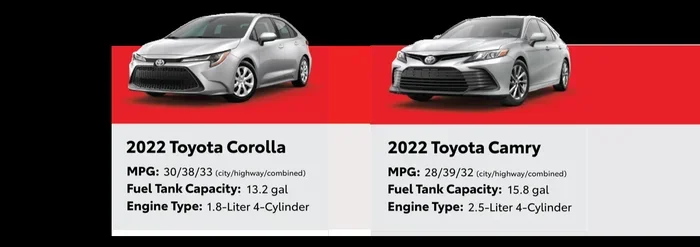
Fuel efficiency means how far your car can travel on a certain amount of fuel. For the Toyota Corolla, this is usually measured in miles per gallon, or MPG. Higher MPG means you go farther and spend less money. Better fuel efficiency also means fewer trips to the gas station and less impact on the environment.
The EPA rates every new car with estimated MPG numbers. Your actual mileage may vary based on how you drive and maintain your vehicle. Understanding this gap between rated and real-world MPG is the first step toward improvement.
Factors That Affect Your Corolla’s MPG
Several things influence how much fuel your Corolla uses:
- Engine condition: A well-maintained engine burns fuel more efficiently.
- Tire pressure: Underinflated tires create more drag, forcing the engine to work harder.
- Driving style: Aggressive driving wastes fuel quickly.
- Vehicle weight: Extra cargo means the engine burns more gas.
- Air conditioning use: Running the AC puts extra load on the engine.
- Oil type and condition: Old or wrong viscosity oil increases engine friction.
Each of these factors plays a role. The great part is that most of them are within your control. You can make changes today that will show results at your next fill-up.
Stick to a Maintenance Schedule for Better Fuel Economy
Regular maintenance is the backbone of fuel efficiency. A well-cared-for Corolla runs smoother and uses less gas. Skipping maintenance might save you a little time now, but it costs you more at the pump later.
Change Your Oil on Time
Fresh oil keeps your engine lubricated and running smoothly. Old oil becomes thick and gritty, which creates more friction inside the engine. More friction means your engine works harder and burns more fuel.
Always use the oil weight recommended by Toyota for your Corolla. Using 5W-30 oil in your Toyota Corolla is a common choice that balances protection and efficiency. Check your owner’s manual to confirm the right viscosity for your specific model year.
Here are some quick oil maintenance tips:
- Change your oil every 5,000 to 7,500 miles for conventional oil.
- Use synthetic oil if your Corolla model supports it for better performance.
- Reset your oil life indicator after each change so you stay on track.
- Check your oil level monthly to catch leaks early.
Replace Your Air Filter Regularly
A dirty air filter restricts airflow to your engine. When your engine cannot breathe properly, it compensates by using more fuel. Replacing your air filter is one of the cheapest and easiest ways to boost MPG.
Most Toyota Corolla owners should replace their air filter every 15,000 to 30,000 miles. If you drive in dusty or polluted areas, you may need to do it more often. A clean air filter also improves engine performance and acceleration.
Check and Replace Spark Plugs
Spark plugs ignite the fuel-air mixture in your engine’s cylinders. Worn spark plugs cause incomplete combustion, which wastes fuel and reduces power. Replacing them on schedule keeps your engine firing on all cylinders.
Toyota typically recommends spark plug replacement every 30,000 to 100,000 miles depending on the type. Check your owner’s manual for the exact interval. A simple spark plug swap can noticeably improve your fuel economy and smooth out your idle.
Adopt Smart Driving Habits That Save Gas
How you drive matters just as much as how you maintain your car. Small adjustments behind the wheel can lead to significant fuel savings over time.
Accelerate Gently and Maintain Steady Speeds
Jackrabbit starts are one of the biggest fuel wasters. When you slam the accelerator, your engine floods with fuel that it does not fully use. Instead, press the gas pedal gently and gradually.
On the highway, try to maintain a steady speed. Using cruise control helps with this. Consistent speeds let your engine operate at its most efficient RPM range. Frequent speed changes and braking waste the energy your engine already created.
Avoid Heavy Braking
Every time you brake hard, you are essentially wasting the fuel energy your car used to accelerate. Looking ahead and anticipating stops helps you ease off the gas earlier. This technique, often called coasting, saves a surprising amount of fuel.
Try to keep a generous following distance so you have more time to slow down gradually. Not only does this improve fuel economy, but it also makes your driving safer.
Limit Idling Time
Idling gets zero miles per gallon. If you are parked and waiting for more than 30 seconds, turn off your engine. Modern Toyotas are designed to handle frequent restarting without damage.
Common idling situations include:
- Waiting for someone in a parking lot.
- Sitting in drive-through lanes for extended periods.
- Warming up the car in winter (modern engines do not need long warm-ups).
Cutting idling time alone can improve your overall MPG by a noticeable margin.
Use Your Air Conditioning Wisely
Running the AC puts extra load on your engine, which increases fuel consumption. However, driving with the windows down at highway speeds creates aerodynamic drag that can also hurt MPG.
Here is the best approach:
- At low speeds in the city, open your windows for natural ventilation.
- At highway speeds, use the AC and keep your windows up.
- Set the temperature to a comfortable but not freezing level.
- Use the recirculate mode to cool the cabin faster and more efficiently.
Finding this balance helps you stay comfortable without sacrificing too much fuel economy.
Keep Your Tires in Top Shape
Tires are the only part of your car that touches the road. Their condition has a direct impact on fuel efficiency. Many drivers overlook tire maintenance, but it is one of the simplest ways to improve MPG.
Maintain Proper Tire Pressure
Underinflated tires create more rolling resistance. Your engine has to work harder to push the car forward. Even a few PSI below the recommended level can reduce your fuel economy by a few percent.
Check your tire pressure at least once a month. The recommended pressure for your Toyota Corolla is listed on the driver’s side door jamb. Use a reliable tire gauge and inflate to the exact specification. Do not rely on the visual check, because tires can lose pressure slowly without looking flat.
Choose the Right Tires
Not all tires are created equal when it comes to fuel efficiency. Low rolling resistance tires are designed to minimize the energy lost as your tires roll. Switching to these tires can improve your MPG by 1 to 3 percent.
When shopping for new tires, look for models rated for fuel efficiency. The UTQG rating system includes a treadwear score and a traction rating. Some tire brands even list estimated fuel savings on their packaging.
Rotate and Align Your Tires
Uneven tire wear increases rolling resistance and reduces MPG. Rotating your tires every 5,000 to 7,500 miles promotes even wear. Proper wheel alignment prevents your car from pulling to one side, which also reduces drag.
Get your alignment checked if you notice your Corolla pulling to the left or right. Misaligned wheels force the engine to work harder to maintain a straight path.
Reduce Weight and Improve Aerodynamics
Your Toyota Corolla does not need to carry more than it has to. Extra weight and poor aerodynamics both increase fuel consumption.
Remove Unnecessary Items from Your Car
Every extra pound your car carries requires more fuel to move. Take out items you do not need on a daily basis. This includes sports equipment, heavy tools, old groceries, and anything else cluttering your trunk or back seat.
Many drivers carry around 100 or more pounds of unnecessary cargo without realizing it. That extra weight can reduce your MPG by 1 to 2 percent over time. A quick cleanup of your car can make a difference.
Remove Roof Racks and Cargo Carriers When Not in Use
Roof racks and cargo carriers create significant aerodynamic drag. Even when empty, they disrupt the airflow over your car and force the engine to use more fuel.
If you do not use your roof rack regularly, remove it. You will notice improved fuel economy, especially during highway driving. This is one of the simplest and most overlooked fuel-saving tips.
Choose the Right Fuel and Fluids
The fluids you put in your Corolla matter more than most people realize. Using the wrong fluids can hurt performance and reduce fuel efficiency.
Stick with Regular Gas Unless Told Otherwise
Most Toyota Corolla models run perfectly fine on regular unleaded gasoline. Premium gas does not improve fuel efficiency for engines designed for regular fuel. Unless your owner’s manual specifically calls for premium, save your money and stick with regular.
Some drivers believe premium gas makes their car run better. In most cases, this is not true for the Corolla. Using the recommended fuel type keeps your engine happy and your wallet full.
Use the Correct Transmission Fluid
For automatic Corolla models, using the right transmission fluid ensures smooth shifting. Rough or delayed shifts can increase fuel consumption. Check your owner’s manual for the correct fluid type and change it according to the recommended schedule.
Keep Your Coolant at the Right Level
Coolant regulates your engine temperature. An overheating engine runs less efficiently and uses more fuel. Check your coolant level regularly and top it off with the correct type specified by Toyota.
A well-functioning cooling system keeps your engine at optimal operating temperature, which directly translates to better fuel economy.
Common Mistakes That Hurt Your Corolla’s Fuel Efficiency
Even with the best intentions, some habits quietly sabotage your MPG. Being aware of these mistakes helps you avoid them.
Ignoring Dashboard Warning Lights
Warning lights on your dashboard exist for a reason. The check engine light, for example, can indicate problems that directly affect fuel economy. A loose gas cap, faulty oxygen sensor, or misfiring spark plug can all trigger this light and hurt your MPG.
If you see a warning light, do not ignore it. Address the issue promptly. Sometimes a simple fix like tightening your gas cap can restore lost fuel efficiency.
Overloading Your Vehicle
We touched on weight earlier, but overloading deserves its own mention. Towing beyond your Corolla’s capacity or carrying heavy loads on a regular basis significantly reduces fuel economy. Know your car’s limits and stay within them.
Skipping Scheduled Service
It is tempting to skip service appointments when your car seems fine. But preventive maintenance catches small problems before they become big fuel-wasting issues. Staying on top of your Corolla’s service schedule pays dividends at the pump.
Final Thoughts on Improving Your Toyota Corolla’s Fuel Efficiency
Improving your Toyota Corolla fuel efficiency is a mix of smart maintenance, better driving habits, and small lifestyle changes. None of these tips require a huge time or money investment. Start with the easiest ones and build from there.
The most impactful steps are maintaining proper tire pressure, using the right oil, driving smoothly, and reducing unnecessary weight. Combine these habits and you will see real results on your next trip to the gas station. Your wallet and the environment will thank you.
Remember, every little bit counts. Even improving your MPG by just 2 or 3 miles per gallon adds up to significant savings over a year of driving. Your Toyota Corolla is a great car. With these tips, it can be even better.
Start today. Pick one or two tips from this article and put them into practice right away. Small consistent changes lead to big long-term results. Happy driving and happy saving.
Frequently Asked Questions
What is the best oil for fuel efficiency in a Toyota Corolla?
Using the recommended viscosity, such as 5W-30, helps your engine run smoothly and use less fuel. Synthetic oils can offer even better protection and efficiency. Always check your owner’s manual for the exact oil specification your Corolla needs.
How often should I check my tire pressure to save fuel?
You should check your tire pressure at least once a month. Tires naturally lose air over time, and even a small drop in pressure can reduce your MPG. Keeping them at the recommended PSI helps your Corolla roll more efficiently.
Does using cruise control really save fuel?
Yes, cruise control helps maintain a steady speed on highways, which reduces unnecessary acceleration and braking. This consistency allows your engine to operate at its most efficient level. However, avoid using cruise control on hilly or winding roads where it may cause unnecessary throttle adjustments.
Can a dirty air filter really affect my Corolla’s fuel economy?
Absolutely. A clogged air filter restricts airflow to the engine, causing it to burn more fuel to compensate. Replacing a dirty air filter is one of the cheapest and easiest ways to improve your MPG. Most Corolla owners should replace theirs every 15,000 to 30,000 miles.
Is it better to drive with windows down or AC on for fuel economy?
At low city speeds, open windows use less fuel than running the AC. But at highway speeds, open windows create aerodynamic drag that can hurt MPG more than the AC does. The best approach is to use windows at low speeds and AC at higher speeds for optimal fuel efficiency.
How much can I really save by improving my Corolla’s fuel efficiency?
Even a 10 percent improvement in MPG can save you $100 or more per year depending on your driving habits and local gas prices. Small changes like proper tire pressure and gentler driving add up quickly. Over several years, the savings become quite significant.
=== CONCLUSION ===
Making your Toyota Corolla more fuel efficient is within your reach. You do not need expensive modifications or mechanic degrees. Simple steps like regular maintenance, smart driving, and paying attention to tire pressure go a long way. Start implementing these tips today and watch your MPG improve at every fill-up. Your Corolla was built to be efficient. With a little care and attention, you can make sure it stays that way for years to come.