How Does Toyota Use Artificial Intelligence Every Day
Toyota uses artificial intelligence across nearly every part of its business, from building smarter cars to improving factory production. The company relies on machine learning, AI safety systems, and predictive maintenance to stay ahead in the automotive world. Whether you are a Toyota owner or just curious about AI in the automotive industry, this guide covers it all.
Toyota is one of the biggest car companies in the world. And for years, it has been quietly using artificial intelligence to make better cars, safer roads, and smarter factories. When most people think about Toyota AI technology, they picture self-driving cars or fancy screens inside the cabin. But the truth is much bigger than that.
Artificial intelligence in cars is no longer science fiction. Toyota uses it every single day. From the moment a car is designed on a computer to the moment it rolls off the assembly line, AI plays a role. And once you drive the car home, AI is still working behind the scenes. This article breaks down exactly how Toyota uses artificial intelligence every day in simple, real-world terms.
If you own a Toyota or are thinking about buying one, understanding Toyota AI technology helps you appreciate what makes these vehicles special. Let us dive into the details.
Key Takeaways
- Toyota integrates AI into safety systems like collision avoidance and pedestrian detection to protect drivers every day.
- AI powers Toyota’s manufacturing processes, making assembly lines faster, smarter, and more efficient.
- Predictive maintenance uses AI to help owners catch problems before they become expensive repairs.
- Toyota invests heavily in autonomous driving research through its subsidiary, Toyota Research Institute.
- AI enhances the connected car experience, from navigation to voice-controlled features inside the cabin.
- Toyota’s AI strategy focuses on real-world impact, not just flashy technology that never reaches the customer.
📑 Table of Contents
- Toyota AI Technology: A Brief Overview
- AI-Powered Safety Systems in Toyota Vehicles
- How Toyota Uses AI in Manufacturing
- Predictive Maintenance: AI That Keeps Your Toyota Running
- Autonomous Driving: Toyota’s Self-Driving Research
- The Connected Car Experience: AI Inside Your Toyota
- Toyota’s AI Strategy for the Future
- Conclusion
Toyota AI Technology: A Brief Overview
Toyota has been investing in artificial intelligence in automotive for over a decade. The company does not just chase trends. It builds AI into its vehicles and factories with a clear purpose. Toyota Research Institute (TRI) leads much of this work. TRI was created in 2015 with a simple goal: use AI to make cars safer and more accessible.
The company focuses on three main areas. First, AI-powered safety systems that help prevent accidents. Second, smart manufacturing that builds cars faster and with fewer errors. Third, autonomous driving research that explores what the future of driving could look like. Each of these areas touches your life as a Toyota owner, even if you never notice.
Why Toyota Chose AI as a Core Strategy
Toyota has always been a practical company. It does not build cars just for show. When the company decided to invest in machine learning Toyota systems, it was solving real problems. Car accidents cause millions of injuries every year. Manufacturing defects lead to wasted materials and higher costs. AI helps solve both of these challenges at once.
The company also recognized that cars are becoming more like computers on wheels. Modern vehicles have hundreds of sensors and software programs. Managing all of that data requires intelligent systems. AI in the automotive industry is the natural next step for a company that values innovation backed by reliability.
AI-Powered Safety Systems in Toyota Vehicles
Safety is at the heart of everything Toyota does. The company uses AI driver assistance technologies to help you stay safe on the road. These systems work in real time, scanning the environment around your car and making split-second decisions.
Toyota Safety Sense: The AI Suite
Most new Toyota models come with a package called Toyota Safety Sense. This is a collection of AI-powered safety features that work together. Here is what it includes:
- Pedestrian Detection: Cameras and sensors use AI to spot people near the road. The system can alert you or apply the brakes if needed.
- Adaptive Cruise Control: Machine learning algorithms adjust your speed based on traffic flow. You do not need to constantly adjust the throttle.
- Lane Departure Warning: AI monitors road markings and warns you if you drift out of your lane.
- Automatic High Beams: Smart sensors detect oncoming traffic and switch your lights automatically.
All of these features rely on deep learning automotive models. These models get better over time. They learn from millions of miles of driving data. The more data they process, the smarter they become at predicting potential dangers.
How AI Prevents Accidents Before They Happen
Traditional safety systems react after something happens. AI-powered systems try to prevent the situation altogether. For example, if your car’s sensors detect a vehicle suddenly braking ahead, the system can pre-charge the brakes. This gives you a fraction of a second faster response time. That fraction can mean the difference between a safe stop and a collision.
Toyota also uses AI to study crash data from real-world accidents. Engineers feed this data into machine learning models to understand common accident patterns. Then they design new safety features that address those specific scenarios. This cycle of learning and improving is what makes Toyota AI technology so effective.
How Toyota Uses AI in Manufacturing
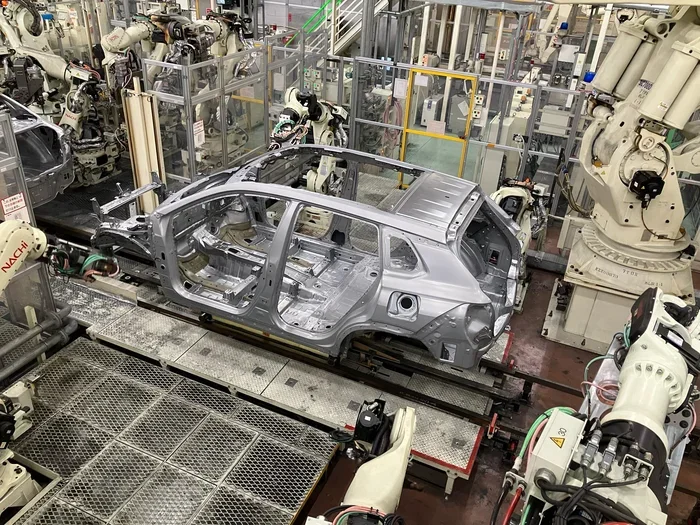
Building a car involves thousands of parts and millions of steps. Toyota uses artificial intelligence in car manufacturing to keep everything running smoothly. The factory floor is one of the most important places where AI makes a difference.
Smart Assembly Lines
Toyota factories use robots powered by AI and robotics to assemble vehicles. These robots do not just repeat the same motion over and over. They use machine learning Toyota systems to adapt. If a part does not fit correctly, the robot adjusts its approach. This reduces errors and speeds up production.
Here are some ways AI improves Toyota’s manufacturing process:
- Quality Control: AI cameras inspect every vehicle for defects. They catch issues that human eyes might miss.
- Predictive Maintenance: Sensors on factory equipment use AI to predict when a machine might break down. This prevents costly downtime.
- Supply Chain Optimization: AI helps Toyota manage its supply chain more efficiently. It predicts demand and adjusts ordering accordingly.
- Energy Efficiency: Smart systems adjust lighting, heating, and cooling based on real-time factory conditions.
The result is a factory that runs cleaner, faster, and smarter. Toyota has reported significant reductions in waste and defects thanks to AI in manufacturing. This is one of the less visible but most impactful uses of automotive artificial intelligence.
Digital Twins: Toyota’s Virtual Factory
Toyota has started using something called digital twins in its factories. A digital twin is a virtual copy of the entire production line. Engineers can test changes in the virtual world before applying them to the real factory. AI simulates thousands of scenarios to find the most efficient setup. This saves time, money, and resources.
Predictive Maintenance: AI That Keeps Your Toyota Running
One of the most practical uses of Toyota AI technology is predictive maintenance. This is where AI helps you take care of your car before something breaks.
How Predictive Maintenance Works
Modern Toyota vehicles are packed with sensors. These sensors monitor everything from engine temperature to tire pressure. AI algorithms analyze this data in real time. When the system detects a pattern that could lead to a problem, it sends you a warning.
For example, if your brake pads are wearing faster than expected, the system can alert you early. You can then visit a service center and get them replaced before they cause damage to other parts. This saves you money and keeps your car safer.
Creating a maintenance schedule based on AI predictions is far better than following a fixed mileage chart. Every driver is different. Some drive in heavy traffic. Some drive on rough roads. AI accounts for these differences and gives you personalized recommendations.
Connecting Predictive Maintenance to Your Service Plan
If you want to make the most of Toyota’s AI-powered maintenance, consider how it fits into your overall ownership experience. ToyotaCare is a maintenance plan that comes with new vehicles. Understanding whether you can use Toyota Care at any dealership helps you plan your service visits more effectively. AI diagnostics can also tell you exactly what needs attention, so you are never surprised by a bill.
Additionally, if you ever need to file a warranty claim related to an AI-detected issue, it helps to know whether your Toyota warranty works at any shop. AI systems make the diagnostic process faster and more accurate, which benefits you during service visits.
Autonomous Driving: Toyota’s Self-Driving Research
When people think about AI in cars, self-driving often comes to mind. Toyota has been working on autonomous driving technology for years through its research institute.
What Toyota Is Building
Toyota’s autonomous driving research focuses on making roads safer for everyone. The company is not just building a car that drives itself. It is building a system that understands the world around it. Deep learning models process data from cameras, radar, and lidar sensors to create a 360-degree view of the environment.
The company has tested its self-driving technology on public roads in Japan and the United States. The goal is to create vehicles that can handle complex driving situations. These include busy city streets, highway merging, and unexpected obstacles like pedestrians or animals.
Where Toyota Differs From Other Companies
Many car companies are racing to build fully autonomous vehicles. Toyota takes a different approach. The company focuses on incremental automation. This means adding AI features that help drivers today, while continuing to research full autonomy for the future.
Some of the current Toyota AI features you can find in newer models include:
- Automated parking assistance
- Traffic sign recognition
- Emergency steering assist
- Road sign identification
- Driver monitoring systems that detect drowsiness
These features may not make the car fully self-driving, but they make every trip safer. They represent the practical side of Toyota AI technology that real people can use right now.
The Connected Car Experience: AI Inside Your Toyota
Once you drive your Toyota home, AI continues to work for you. Connected car technology uses AI to make your daily commute more convenient and enjoyable.
Smart Navigation and Traffic Prediction
Toyota’s navigation systems use AI-powered traffic analysis to suggest the fastest route. The system learns from real-time traffic data and adjusts your route on the fly. If there is a accident or road closure ahead, your car can reroute you automatically.
This is especially helpful during rush hour or when you are traveling to an unfamiliar area. The AI does the thinking so you can focus on driving.
Voice Assistants and In-Car AI
Newer Toyota models come with voice-controlled assistants powered by natural language processing. You can ask your car to find a restaurant, change the music, or adjust the climate. The AI understands your voice and responds naturally. It gets better at understanding you the more you use it.
Some Toyota models also use AI to personalize your driving experience. The system learns your preferred seat position, mirror settings, and climate preferences. When you get in the car, it adjusts everything automatically. This is smart vehicle technology at its best.
Toyota’s AI Strategy for the Future
Toyota is not slowing down its AI investment. The company has announced plans to expand its artificial intelligence research in the coming years. Here is what the future might look like.
AI and Electric Vehicles
Toyota is investing heavily in electric vehicles, and AI plays a key role. Machine learning algorithms help optimize battery performance and range. AI systems manage how energy is used during driving, which helps electric Toyota models go farther on a single charge.
AI for Elderly and Disabled Drivers
One of Toyota’s most meaningful AI goals is accessibility. The company is developing systems that help elderly and disabled drivers stay mobile. AI-powered assistive technologies can handle tasks like parking, lane keeping, and emergency braking. This aligns with Toyota’s long-standing commitment to serving all drivers.
The Road Ahead for Toyota AI
Toyota believes that AI should serve people, not replace them. The company is building a future where artificial intelligence makes driving safer, cleaner, and more accessible. Whether through smarter safety features, better manufacturing, or autonomous research, Toyota’s AI strategy is focused on real-world impact.
If you are curious about how your own Toyota uses AI, start by exploring the safety features in your owner’s manual. You might be surprised by how much intelligence is already working for you every time you get behind the wheel.
Conclusion
Toyota uses artificial intelligence every day in ways that go far beyond what most people realize. From the factory floor to the driver’s seat, Toyota AI technology is making cars safer, manufacturing more efficient, and driving more convenient. The company’s approach to artificial intelligence in automotive is practical, measured, and focused on real results.
Whether it is AI-powered safety systems that prevent accidents, predictive maintenance that saves you money, or autonomous driving research that shapes the future, Toyota is putting AI to work. The company is not just chasing the latest trend. It is building a smarter, safer driving experience for everyone.
Next time you get in your Toyota, remember: artificial intelligence is working hard for you, even when you do not notice it. And that is exactly how it should be.
Frequently Asked Questions
What is Toyota Safety Sense and how does AI power it?
Toyota Safety Sense is a suite of active safety features found in most new Toyota vehicles. It uses cameras, radar, and machine learning algorithms to detect potential hazards. The AI system can warn you of dangers or take corrective action automatically, such as applying the brakes or adjusting your speed.
Can AI help me save money on car maintenance?
Yes. Predictive maintenance powered by AI can detect early warning signs of component wear. By catching problems early, you avoid expensive repairs and keep your Toyota running longer. This is one of the most practical benefits of Toyota AI technology for everyday owners.
Does Toyota have fully self-driving cars available now?
Not yet. Toyota is actively researching autonomous driving through Toyota Research Institute. However, current models offer AI driver assistance features like automated parking and lane keeping. Full self-driving capability is still in the testing and development phase.
How does AI improve Toyota’s manufacturing process?
AI helps Toyota build cars more efficiently by powering smart robots on the assembly line, inspecting vehicles for defects, and predicting equipment failures. These AI-powered manufacturing systems reduce waste, improve quality, and speed up production.
Will AI make Toyota vehicles more expensive?
AI features are becoming more affordable as the technology matures. Many AI safety features come standard on new Toyota models. Over time, the cost of these systems continues to decrease, making them accessible to more buyers.
How can I learn more about the AI features in my specific Toyota model?
Your owner’s manual is the best starting point. It explains every AI-powered feature available in your vehicle. You can also visit your local Toyota dealer or check Toyota’s official website for detailed guides and videos about your specific model’s capabilities.