How Long Does It Take From Port to Dealership for Toyota
How long does it take from port to dealership for Toyota vehicles? Typically, the journey takes between 2 to 6 weeks depending on the origin, shipping method, customs clearance, and logistics. Factors like port congestion, weather, documentation delays, and dealer inventory demand all play a role in the final delivery timeline. Understanding this process helps you set realistic expectations when waiting for your new Toyota.
This is a comprehensive guide about How Long Does It Take From Port to Dealership for Toyota Vehicles?.
Key Takeaways
- Average Timeline: Most Toyota vehicles take 2 to 6 weeks from port arrival to dealership delivery under normal conditions.
- Shipping Methods Matter: Roll-on/Roll-off (RoRo) and container shipping each have different transit and processing timelines.
- Customs Is a Key Variable: Customs clearance can add days or even weeks depending on documentation and inspections.
- Weather and Port Congestion: Natural disasters, port strikes, and seasonal traffic can significantly delay delivery.
- Dealer Preparation Adds Time: Once the vehicle arrives at the dealership, prep, inspection, and detailing take additional time before sale.
- Tracking Your Vehicle: You can track your Toyota’s journey using the VIN, shipping bills, or dealer updates.
[FEATURED_IMAGE_PLACEHOLDER]
How Long Does It Take From Port to Dealership for Toyota Vehicles?
If you have been waiting for a Toyota vehicle and wondering when it will arrive, you are not alone. The question how long does it take from port to dealership for Toyota is one of the most common among car buyers. The answer is not always straightforward because several moving parts affect the timeline.
On average, a Toyota vehicle travels from the port to the dealership in about 2 to 6 weeks. However, this window can shrink or stretch based on the origin of the shipment, the shipping method chosen, customs procedures, and how busy the dealership is with vehicle logistics and import car delivery processing.
Understanding the full journey helps you plan better. Whether you bought a Toyota Camry, a Toyota RAV4, or a Toyota Tacoma, the path from the manufacturing port to your local dealer follows a similar route. Let us break down every stage of this journey so you know exactly what to expect.
The Toyota Supply Chain and Shipping Process
Before your Toyota reaches the dealership, it goes through a well-organized supply chain. Each step has its own timeline, and understanding them gives you a clearer picture of the overall delivery duration.
From the Factory to the Port
Toyota vehicles are built in factories around the world. Major production plants are located in Japan, the United States, Thailand, and several other countries. Once a vehicle rolls off the assembly line, it is transported to a nearby port for export.
At the factory, vehicles are staged in large lots. They are then loaded onto cargo ships using specialized equipment. This step alone can take anywhere from a few days to a couple of weeks, depending on how many vehicles are waiting and how quickly the port can handle the volume.
The Toyota distribution network is highly efficient, but it still depends on scheduling, shipping slot availability, and coordination between the factory and port authorities. Think of it like a well-oiled machine, but even machines need time to process large volumes.
Types of Shipping Methods for Toyota Vehicles
The method used to ship your Toyota affects the total delivery time significantly. There are two primary methods used for transporting vehicles from overseas ports.
Roll-on/Roll-off (RoRo) Shipping: This is the most common method for shipping Toyota vehicles. Cars drive directly onto the ship and are secured on multiple decks. RoRo shipping is faster and more cost-effective. Transit times from Japan to the US West Coast, for example, typically range from 10 to 14 days.
Container Shipping: Some Toyota vehicles, especially those bound for specific regional dealers, are shipped inside containers. This method offers more protection but can take slightly longer. Container ships may also carry mixed cargo, which can add handling time at the destination port.
Air Freight (Rare Cases): In extremely rare situations, a high-demand or special edition Toyota may be shipped by air. This is expensive and not common for standard vehicle deliveries.
Port Arrival and Unloading
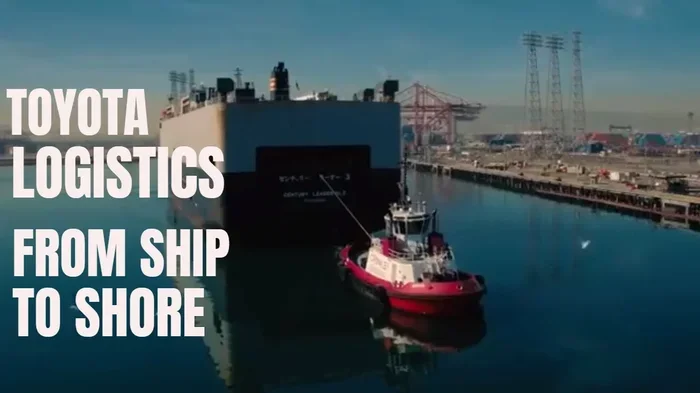
Once the ship docks at the destination port, the unloading process begins. Port workers carefully remove each vehicle from the ship and move it to a staging area. This staging area is often called a vehicle processing center or import terminal.
The time it takes to unload a ship depends on the port’s capacity and how many vehicles are on board. Major ports like Los Angeles, Long Beach, and Savannah handle thousands of vehicles each week. During peak seasons, there can be backups that extend the unloading timeline by several days.
After unloading, each vehicle goes through an initial inspection. Workers check for any damage that may have occurred during transit. This is an important quality control step that ensures only vehicles in good condition move forward in the process.
Customs and Regulatory Clearance for Imported Toyotas
Customs clearance is one of the most significant variables in the port-to-dealership timeline. Every imported vehicle must pass through customs before it can legally enter the country and be sold.
Documentation Requirements
To clear customs, the shipment must have complete documentation. This includes the bill of lading, commercial invoice, packing list, and the vehicle identification number (VIN). Customs officials verify that the vehicle matches the declared specifications and that all duties and taxes are accounted for.
For Toyota vehicles imported from Japan, additional documentation may be required. This includes compliance certificates proving the vehicle meets local safety and emissions standards. The Toyota import process has become more streamlined over the years, but it still requires careful attention to detail.
Common Customs Delays
Customs delays can range from a single day to several weeks. Common causes include:
- Incomplete or incorrect documentation: Missing paperwork is the number one cause of delays. Even a small error on the commercial invoice can hold up the entire shipment.
- Random inspections: Customs authorities may select a shipment for physical inspection. This adds time but is a standard procedure.
- Duty payment disputes: If there is a disagreement about the assessed value or tariff classification, the vehicle may be held until the issue is resolved.
- Regulatory changes: New import regulations or changes in trade agreements can temporarily slow down the clearance process.
Working with experienced customs brokers helps minimize these risks. Most Toyota dealerships have established relationships with brokers who specialize in vehicle logistics and can expedite the process.
From Customs to the Dealership: The Final Leg
Once customs clearance is complete, the Toyota vehicle is ready to travel from the port to the dealership. This final leg of the journey is usually the shortest but still requires careful coordination.
Transportation Options
There are a few ways vehicles move from the port to the dealership:
- Car carrier trucks: The most common method. Open-air carriers transport multiple vehicles at once. This is cost-effective and efficient for short to medium distances.
- Rail transport: For dealerships located far from the port, rail transport is often used. Vehicles are loaded onto specialized rail cars and shipped inland. This method is slower but more economical for long distances.
- Direct delivery: Some high-value or pre-ordered vehicles are shipped directly to the dealership via dedicated transport. This is faster but more expensive.
The distance between the port and the dealership is a major factor. A dealership in Los Angeles will receive a vehicle from the Port of Los Angeles much faster than a dealership in New York receiving the same shipment.
Dealership Inspection and Preparation
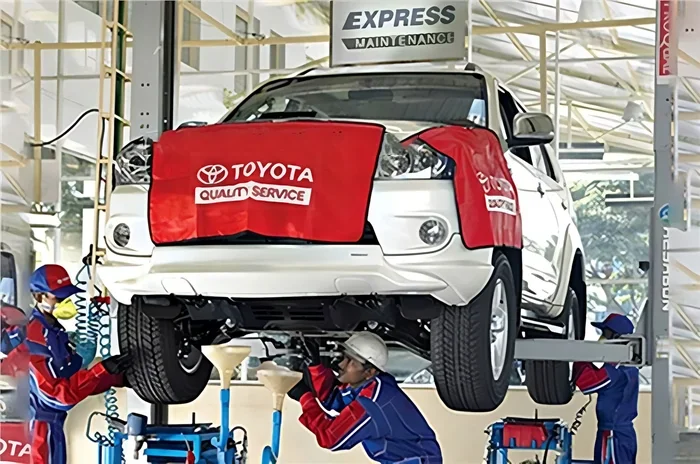
When the Toyota arrives at the dealership, it does not go straight to the sales floor. The vehicle goes through a thorough inspection and preparation process. This step is essential for ensuring the car is ready for sale.
During preparation, dealership staff will:
- Inspect the exterior and interior for any transit damage.
- Check fluid levels, tire pressure, and battery charge.
- Run a diagnostic scan to ensure all systems are functioning properly.
- Clean and detail the vehicle inside and out.
- Update the vehicle’s software and configure any dealer-installed accessories.
This preparation process typically takes 1 to 3 days. However, if the dealership is particularly busy or if any issues are found during inspection, it can take longer. The Toyota delivery timeline at this stage depends heavily on the dealership’s workflow and current inventory levels.
How Long Does It Take a Factory to Build a Car?
It is helpful to understand the full picture. While your focus is on the port-to-dealership journey, the factory process also matters. How long does it take a factory to build a car is a related question because the factory timeline sets the starting point for your vehicle’s journey. Toyota’s manufacturing process is highly optimized, but the vehicle still needs to be built, quality-checked, and staged for export before it ever reaches a port.
For context, Toyota factories can produce thousands of vehicles per day across their global network. Each vehicle spends several hours on the assembly line before it is complete. Once finished, it enters the staging area and waits for its turn to be shipped to a port. This factory-to-port step can add 1 to 3 weeks to the overall timeline before the port-to-dealership journey even begins.
Understanding this helps explain why the total time from order to delivery can sometimes feel longer than expected. The factory process, shipping, customs, and dealership prep all add up.
Factors That Affect the Port-to-Dealership Timeline
Several factors can speed up or slow down the delivery of a Toyota from the port to the dealership. Being aware of these helps you understand why timelines can vary so much.
Seasonal Demand and Inventory Cycles
Toyota dealerships experience seasonal fluctuations in demand. During certain times of the year, such as spring and summer, demand for new vehicles tends to increase. This can lead to faster turnover of inventory, meaning vehicles move through the port-to-dealership pipeline more quickly.
Conversely, during slower months, vehicles may sit at the dealership for a longer period before being sold. This does not mean the shipping is slower, but rather that the vehicle is waiting for a buyer.
Port Congestion and Weather
Major ports can experience congestion, especially during peak shipping seasons. Holidays like the Lunar New Year in Asia can cause temporary slowdowns in manufacturing and shipping. Additionally, severe weather events such as hurricanes, typhoons, or storms can delay vessel schedules and port operations.
Port strikes and labor disputes are another potential source of delays. While these are relatively rare, they can have a significant impact when they occur. Staying informed about port conditions helps you anticipate potential delays in your Toyota vehicle transport timeline.
Dealer-Specific Factors
Every dealership operates differently. Some dealerships have large, well-equipped preparation facilities and can process vehicles quickly. Others may have smaller operations that take longer to prepare each vehicle for sale.
The dealership’s current workload also matters. If a dealership just received a large shipment of vehicles, your Toyota may need to wait in line for inspection and preparation. This is normal and does not indicate any problem with the shipment itself.
Geographic Distance and Shipping Routes
The distance between the port and the dealership plays an obvious role. Vehicles shipped to ports on the West Coast of the United States reach Midwest and Eastern dealerships via rail or truck. This adds transit time that is not present for dealerships located near the port.
Shipping routes also matter. Direct routes are faster, while vessels that make multiple stops along the way add transit days at each port. The Toyota shipping process is designed to be efficient, but the specific route your vehicle takes can influence the final delivery date.
How to Track Your Toyota’s Journey From Port to Dealership
Waiting for a new Toyota can feel like a waiting game, but you are not completely in the dark. There are several ways to track your vehicle’s progress from the port to the dealership.
Use Your VIN: Your vehicle identification number is the key to tracking. Many online services allow you to enter your VIN and see the current status of your vehicle, including its location and estimated arrival date.
Check the Bill of Lading: The bill of lading is a document issued by the shipping carrier. It contains details about your shipment, including the vessel name, departure port, and estimated arrival date. Your dealer can provide you with a copy.
Communicate with Your Dealer: Your Toyota dealership is your best source of real-time updates. A good dealer will keep you informed about where your vehicle is in the process and when you can expect it to arrive.
Shipping Carrier Tracking: Many shipping companies offer online tracking tools. You can monitor the vessel carrying your Toyota and get updates on its estimated arrival at the destination port.
Staying proactive and tracking your vehicle reduces uncertainty. It also gives you a clearer picture of the car delivery schedule and helps you plan for pickup or delivery.
Common Mistakes Buyers Make When Waiting for a Toyota Delivery
There are several common mistakes that buyers make during the waiting period. Avoiding these can save you frustration and help you stay informed.
Not Asking for Updates: Many buyers assume the dealership will proactively contact them. While good dealers do this, it never hurts to ask for a status update every week or so.
Ignoring Documentation: Make sure all paperwork is in order before the vehicle arrives. This includes financing documents, insurance arrangements, and registration paperwork. Having these ready prevents delays when it is time to take delivery.
Not Understanding the Full Timeline: The port-to-dealership journey is only one part of the process. The factory build time, shipping time, customs clearance, and dealership prep all contribute to the total wait. Understanding this full picture helps set realistic expectations.
Expecting Exact Dates: Shipping involves many variables, and exact dates are difficult to guarantee. Always expect a window rather than a single date. This mindset reduces disappointment if there are minor delays.
Expert Insights on Toyota Vehicle Delivery Timelines
Industry experts in vehicle logistics and automotive shipping consistently emphasize the importance of planning ahead. According to logistics professionals, the average Toyota delivery timeline from port to dealership is around 3 to 4 weeks under normal conditions. However, this is just an average.
Experts also recommend building a buffer of at least 2 weeks into your expected delivery date. This accounts for the unpredictable variables like customs delays, weather disruptions, and port congestion. A buffer ensures you are not caught off guard if something goes wrong.
Another expert tip is to stay flexible with your delivery preferences. If your local dealership is experiencing delays, ask whether a nearby dealership has the same model available. This can significantly reduce your wait time and get you behind the wheel of your new Toyota sooner.
For those wondering about the broader manufacturing timeline, it is worth noting that how many man hours does it take to build a car is a related consideration. The labor-intensive nature of vehicle production means each Toyota that reaches the port has already gone through significant human effort and quality control before the shipping process even begins.
Key Takeaways
- Average Timeline: Most Toyota vehicles take 2 to 6 weeks from port arrival to dealership delivery under normal conditions.
- Shipping Methods Matter: Roll-on/Roll-off (RoRo) and container shipping each have different transit and processing timelines.
- Customs Is a Key Variable: Customs clearance can add days or even weeks depending on documentation and inspections.
- Weather and Port Congestion: Natural disasters, port strikes, and seasonal traffic can significantly delay delivery.
- Dealer Preparation Adds Time: Once the vehicle arrives at the dealership, prep, inspection, and detailing take additional time before sale.
- Tracking Your Vehicle: You can track your Toyota’s journey using the VIN, shipping bills, or dealer updates.
Conclusion
The journey of a Toyota from the port to the dealership is a complex process that involves multiple stages, each with its own timeline. On average, you can expect the port-to-dealership journey to take between 2 and 6 weeks. This includes unloading at the port, customs clearance, transportation to the dealership, and final preparation.
Factors like shipping method, port congestion, customs efficiency, and dealer workload all influence the final delivery date. By understanding these factors and tracking your vehicle’s progress, you can stay informed and reduce the uncertainty of the waiting period.
Patience is key when waiting for a new Toyota. While the process can sometimes feel slow, each step serves an important purpose in ensuring your vehicle arrives safely and in perfect condition. The next time you wonder how long does it take from port to dealership for Toyota, you will have a clear picture of what is happening behind the scenes.
Stay in touch with your dealer, keep an eye on tracking updates, and remember that your new Toyota is on its way. The wait will be worth it when you finally get to drive it off the lot.
Frequently Asked Questions
How long does it take for a Toyota to arrive at a dealership after shipping?
Typically, a Toyota arrives at the dealership within 2 to 3 days after clearing customs and leaving the port. However, this depends on the distance between the port and the dealership and the transportation method used. Dealership preparation adds another 1 to 3 days before the vehicle is ready for sale.
Can I speed up the port-to-dealership process for my Toyota?
You have limited control over the shipping and customs process, but you can stay proactive by communicating with your dealer and ensuring all paperwork is ready. Choosing a dealership closer to the port can also reduce transit time. Some dealers may also offer expedited processing for an additional fee.
What happens if my Toyota is delayed at customs?
Customs delays are common and usually resolve within a few days to a couple of weeks. Common causes include missing documentation, random inspections, or duty payment issues. Your dealer or customs broker will typically keep you updated if there is a delay. Staying organized with your paperwork helps minimize the risk of customs holdups.
Does the time of year affect how long it takes from port to dealership?
Yes, seasonal demand and port congestion can affect timelines. Peak shipping seasons, holidays, and severe weather can all cause delays. Planning your purchase outside of peak periods can sometimes result in a faster delivery. However, the difference is usually only a few days to a week.
How can I track my Toyota while it is in transit from the port?
You can track your Toyota using your VIN through online vehicle tracking services. Your dealer can also provide you with the bill of lading and shipping carrier details. Many shipping companies offer vessel tracking tools that let you monitor the ship’s location and estimated arrival time at the destination port.
Is it normal for a Toyota to sit at the dealership for weeks after arriving?
Yes, it is normal. Once a Toyota arrives at the dealership, it goes through inspection, preparation, and detailing before being placed on the lot. If the dealership is busy or if the vehicle is a slower-selling model, it may sit for a while before being sold. This does not mean anything is wrong with the vehicle.