How Long Does It Take to Fit a New Bumper on Your Car
Fitting a new bumper on your car typically takes between 1 and 3 hours for a straightforward replacement, but complex jobs involving paint matching, sensor repairs, or hidden damage can extend the timeline to several days. The bumper replacement duration depends on factors like the type of bumper, the extent of collision damage, and whether you visit a dealership or an independent body shop. Understanding the process helps you plan your car repair schedule and avoid unexpected delays.
Getting a new bumper on your car is one of the most common auto body repairs you will ever face. Whether it happened in a minor parking lot fender bender or a more serious collision, that question always comes up: how long does it actually take?
The answer is not as simple as “one hour.” A lot depends on what kind of bumper you have, what type of car you drive, and whether there is hidden damage you cannot see right away. In this guide, we walk you through the entire bumper replacement process step by step. You will learn what to expect, how long each stage takes, and how to avoid common mistakes that can drag out your car repair timeline.
By the end of this article, you will feel confident walking into a body shop and understanding exactly what is happening with your vehicle. No jargon, no fluff, just clear and practical advice about fitting a new bumper.
Key Takeaways
- Simple bumper swaps take 1 to 3 hours: A basic rear bumper or front bumper replacement with no paint work is usually quick.
- Paint matching adds time: If your bumper needs respraying, expect an extra day or two for drying and color matching.
- OEM vs aftermarket matters: Original Equipment Manufacturer bumpers fit more easily than aftermarket options, saving labor time.
- Hidden damage can extend the job: Bracket bends, sensor wiring, and crumple zone damage often reveal themselves during the repair.
- Insurance claims add a step: Filing a claim and getting approval can add days before the actual fitting begins.
- Professional installation is recommended: Even experienced DIYers benefit from a body shop for alignment and safety checks.
📑 Table of Contents
- What Happens During a Bumper Replacement?
- How Long Does a Basic Bumper Replacement Take?
- What Adds Time to the Bumper Fitting Process?
- OEM Bumper vs Aftermarket Bumper: Which Is Faster to Fit?
- How Long Should You Wait Before Driving After a New Bumper?
- Quick Tips to Speed Up Your Bumper Replacement
- Common Mistakes People Make With Bumper Replacements
- Expert Insights: What Body Shop Professionals Want You to Know
- How Much Does It Cost to Fit a New Bumper?
- Final Thoughts: Planning for Your Bumper Replacement
What Happens During a Bumper Replacement?
Before we talk about time, it helps to understand what the process actually involves. Many people assume a bumper swap is just a few bolts and done. In reality, there is more to it than that, especially if you want the job done right.
Removing the Old Bumper
The first step is taking off the damaged bumper. Your mechanic will unclip the fasteners, disconnect any wiring for sensors or cameras, and carefully pull the bumper away from the car. On most vehicles, this is where the bumper cover separates from the bumper absorber or the hidden reinforcement bar behind it.
This part usually takes 30 to 60 minutes. But if rust has seized the bolts or if there is hidden frame damage, it can take longer. A good body shop tech will inspect every connection point before moving forward.
Preparing the New Bumper
Once the old bumper is off, the new one needs to be prepped. This includes fitting the bumper brackets, checking that all clip and fastener points line up, and routing any wiring back through the correct channels.
If you are using an OEM bumper (Original Equipment Manufacturer), this step is usually smooth because the parts are designed specifically for your car model. An aftermarket bumper might require some adjustments, which can add extra time.
Installing and Aligning the New Bumper
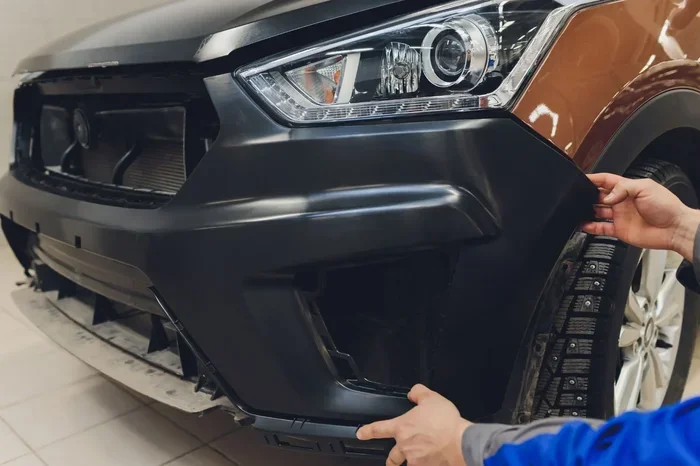
Now the new bumper goes on. The technician will hang it in place, check the fit against the fenders and headlights, and make sure everything sits flush. This alignment step is critical. A poorly fitted bumper can cause wind noise, reduced aerodynamics, and even safety issues in another crash.
Once alignment looks good, all the clips and bolts get tightened. The wiring is reconnected, and the bumper is tested for proper fitment.
Painting and Blending (If Needed)
If your new bumper needs paint, this adds a significant chunk of time. The shop needs to color-match your car’s existing paint, apply the base coat, add the clear coat, and let it cure. Most paint jobs need at least 24 hours to fully harden before the car goes back on the road.
Some shops use paintless techniques for minor scuffs, but a full bumper respray almost always requires a dedicated paint booth and drying time.
How Long Does a Basic Bumper Replacement Take?
A straightforward bumper replacement with no paint work typically takes about 1 to 3 hours. This is for a situation where the bumper cover is damaged but the underlying structure is intact, and there is no additional body damage to address.
Here is a quick breakdown of what affects the speed of a basic job:
- Bumper type: Rear bumpers are often faster to replace than front bumpers because the front has more sensors, cameras, and wiring to disconnect.
- Car model: Common vehicles like the Toyota Camry or Honda Civic have widely available parts and well-documented removal steps. Exotic or luxury cars may take longer due to complex bumper designs.
- Bumper material: Modern bumpers are made from plastic or composite materials that clip on easily. Older steel bumpers require more bolting and alignment work.
- Sensor and camera integration: If your bumper houses parking sensors, a front-facing camera, or a radar module, the tech must carefully disconnect and reconnect each one.
What Adds Time to the Bumper Fitting Process?
Sometimes a bumper job is quick and clean. Other times, it becomes a multi-day project. Here are the most common reasons a bumper replacement takes longer than expected.
Hidden Collision Damage
When a car hits something, the impact rarely stays in just one spot. A front-end collision can bend bumper brackets, damage the radiator support, or crack the crumple zone behind the bumper. Once the old bumper comes off, the technician may discover additional damage that needs repair before the new bumper can go on.
This kind of surprise finding can add hours or even days to the job. It is not a case of the shop dragging its feet. It is simply doing the right thing by fixing all the damage, not just the visible part.
Paint Matching and Curing
Getting the paint color right takes skill and time. A professional body shop uses a spectrophotometer to read your car’s existing color code and mixes a custom match. Even with modern tools, achieving a perfect blend between the new bumper and the surrounding panels is not instant.
After the paint is applied, it needs time to dry and cure. Most shops require at least one full day for the paint to harden properly. Rushing this step leads to peeling, fading, or an uneven finish.
Sensor Calibration
Many modern vehicles have advanced driver assistance systems (ADAS) built into the bumper area. These include forward-facing cameras, radar sensors, and ultrasonic parking sensors. After a bumper replacement, these systems often need recalibration to work correctly.
Sensor calibration can add 1 to 2 hours to the job, and in some cases, it requires specialized diagnostic equipment that not every shop has on-site. This is an important safety step that should never be skipped.
Insurance Claim Processing
If you are filing an insurance claim for your bumper damage, the claims process itself can add several days. The adjuster needs to inspect the vehicle, approve the estimate, and authorize the repair before any work begins.
Some insurance companies have preferred repair networks that speed things up. Others require additional documentation or second opinions. Either way, the actual bumper fitting time does not change. It is the pre-approval step that causes delays.
OEM Bumper vs Aftermarket Bumper: Which Is Faster to Fit?
This is one of the most common questions people ask when getting a new bumper. The short answer is that OEM bumpers fit faster because they are designed to match your specific vehicle. Aftermarket bumpers sometimes require modification.
Here is a closer look at the differences:
| Factor | OEM Bumper | Aftermarket Bumper |
|---|---|---|
| Fit and finish | Perfect factory match | May need trimming or adjustment |
| Installation time | Faster (1-3 hours) | Slower (2-4 hours) |
| Paint readiness | Often pre-primed | May need extra prep work |
| Sensor compatibility | Plug-and-play | May need wiring adapters |
| Cost | Higher | Lower |
| Warranty | Usually covered by dealer | Varies by manufacturer |
Choosing between an OEM and aftermarket bumper is a balancing act between cost and convenience. If time is your priority, OEM is the way to go. If budget matters more, a quality aftermarket bumper from a reputable brand can still deliver great results with only a small time increase.
How Long Should You Wait Before Driving After a New Bumper?
Once the bumper is fitted, you might be eager to drive away. But patience here pays off. If the bumper was painted, you should wait at least 24 to 48 hours before washing the car or driving through rain. The paint needs time to fully harden.
If no painting was involved, you can usually drive the same day. However, it is wise to have the technician do a quick safety check first. They should verify that all sensors are working, the bumper is securely fastened, and there are no loose clips or misaligned panels.
For vehicles with ADAS features, always insist on a full system check after the bumper goes back on. A misaligned camera or sensor can affect automatic emergency braking, lane keeping assist, and adaptive cruise control. These are safety features you do not want to compromise.
Quick Tips to Speed Up Your Bumper Replacement
You cannot control everything about the repair process, but there are smart steps you can take to keep things moving smoothly:
- Choose a reputable body shop with experience in your car brand. Familiarity with a specific model saves time on tricky fits.
- Have your parts ready. If you have already purchased the bumper, make sure it arrives at the shop before your appointment. Waiting for parts is one of the biggest causes of delays.
- Check your insurance coverage before booking. Knowing your deductible and approval timeline helps you plan realistically.
- Ask about paint curing time. If you need the car back quickly, ask the shop if they use fast-cure paint systems.
- Request a loaner car if the repair takes more than a day. Many body shops offer this service or can recommend a local rental.
- Keep all documentation. Save your repair invoice and any warranty paperwork for the new bumper. This protects you if issues come up later.
Common Mistakes People Make With Bumper Replacements
Avoiding these mistakes can save you time, money, and a lot of frustration:
- Skipping the alignment check. A bumper that is even slightly off can cause wind drag, rattles, and poor fuel economy over time.
- Choosing the cheapest option without checking quality. A poorly fitting aftermarket bumper can lead to gaps, water leaks, and premature wear.
- Ignoring hidden damage. If the shop finds additional damage during the repair, do not pressure them to just bolt the new bumper on over it. Fix the root cause first.
- Not asking about sensor recalibration. This is a critical safety step that many people overlook after a bumper replacement.
- Driving off too soon after painting. Give the paint proper curing time. Premature exposure to water or dirt can ruin the finish.
Expert Insights: What Body Shop Professionals Want You to Know
We spoke with several experienced technicians about the bumper replacement process. Here is what they had to say:
On timing: “A lot of people think bumper work is just a 30-minute job. And for a simple rear bumper swap with no paint, that is about right. But front bumpers on modern cars are a completely different story. There are cameras, sensors, and radiators all packed into that area. You need time to do it safely.”
On paint matching: “Color matching is an art as much as a science. Two cars of the same model and year can have slightly different shades depending on how much sun exposure they have had. We always test the match in natural light before we finish.”
On insurance: “The biggest delay we see is not the labor. It is waiting for the insurance company to approve the estimate. Customers should call their adjuster as soon as possible and keep the communication open.”
How Much Does It Cost to Fit a New Bumper?
While this article focuses on time, cost is closely related. A basic bumper replacement without paint typically costs between 300 and 800 for parts and labor combined. If painting is required, add another 200 to 500 depending on the color and the shop’s rates.
Luxury vehicles and imported cars tend to cost more due to pricier parts and more complex installation requirements. On the other hand, some common family cars have very affordable bumper parts available, which keeps the total bill lower.
Always get a written estimate before the work begins. A good body shop will break down the costs into parts, labor, and paint so you know exactly what you are paying for. If your insurance claim covers the repair, the shop will often handle the paperwork directly with your insurer.
Final Thoughts: Planning for Your Bumper Replacement
So, how long does it really take to fit a new bumper? For a simple job, you are looking at a few hours and possibly the same day. For a full bumper replacement with paint, sensor calibration, and hidden damage repair, plan for one to three days at a quality body shop.
The key is to be patient and let the professionals do the job properly. Rushing a bumper replacement can lead to fitment issues, safety problems, and expensive rework down the road. Take the time to find a trusted shop, understand the process, and give yourself a realistic timeline.
Your car’s bumper is more than just a cosmetic panel. It is a critical safety component designed to absorb impact and protect you and your passengers. When it is damaged, getting it replaced correctly and promptly is one of the best things you can do for your vehicle and your peace of mind.
Whether you are dealing with a cracked bumper cover from a parking lot scrape or a bent bumper absorber from a serious collision, now you know what to expect. Use this knowledge to plan your repair, ask the right questions, and get back on the road with confidence.
Frequently Asked Questions
Can I drive my car immediately after a bumper is fitted?
In most cases, yes. If no painting was involved, you can usually drive the car right away. However, if the bumper was painted, wait at least 24 hours for the paint to cure. Always let the technician do a quick safety check before you leave the shop.
Does insurance cover the cost of a bumper replacement?
It depends on your policy and the cause of the damage. If the bumper damage came from a collision or an incident covered by your policy, your insurance may pay for the repair minus your deductible. Comprehensive coverage often covers vandalism and weather damage too. Check with your insurer for specific details.
Is it better to use an OEM bumper or an aftermarket bumper?
OEM bumpers offer the best fit and are faster to install because they are designed specifically for your car. Aftermarket bumpers are more affordable but may require adjustments. For the best results and shortest fitting time, OEM is usually the preferred choice.
How do I know if my bumper needs replacement or just a repair?
Minor cracks and scuffs can often be repaired without replacing the whole bumper. But if the bumper is deeply cracked, bent, or has holes, a full replacement is safer and more durable. A good body shop can assess the damage and recommend the right option during an inspection.
Does bumper replacement affect my car’s sensors and safety systems?
Yes, it can. Many modern cars have parking sensors, cameras, and radar modules built into the bumper. After a replacement, these systems often need recalibration to function correctly. Always ask the shop if they will perform a sensor check after the new bumper is installed.
What should I do if the body shop finds additional damage during the repair?
Do not panic or pressure the shop to just finish the bumper job. Hidden damage is common after collisions. Ask the shop to document any additional damage, contact your insurance adjuster for approval, and then proceed with the full repair. Fixing everything at once is safer and more cost-effective in the long run.