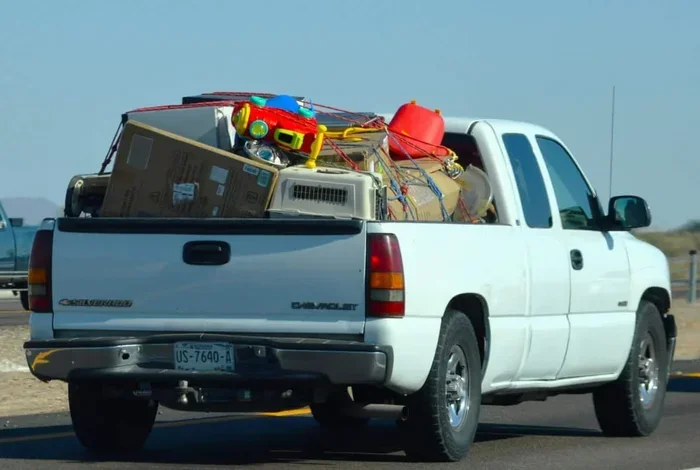
How Much Weight Can I Put in My Pickup Truck Safely
Knowing how much weight you can put in your pickup truck is essential for safety, performance, and avoiding costly repairs. Every truck has a specific payload capacity set by the manufacturer, and exceeding it can lead to dangerous driving conditions and long-term damage. In this guide, we break down payload ratings, GVWR, safe loading tips, and the most common mistakes truck owners make when hauling heavy loads.
Understanding how much weight you can put in your pickup truck is one of the most important things every truck owner should know. Whether you haul tools for work, furniture for a move, or camping gear for the weekend, staying within your truck’s weight limits keeps you and others safe on the road. Exceeding these limits can cause blown tires, brake failure, and even structural damage to your vehicle.
This guide walks you through everything you need to know about how much weight can I put in my pickup truck. We will cover payload capacity, GVWR, safe loading practices, and the most common mistakes people make when hauling heavy loads. By the end, you will have the confidence and knowledge to load your truck the right way every single time.
The information here applies to all pickup trucks, from compact models to full-size heavy-duty rigs. We will break down the numbers, share practical tips, and help you avoid costly mistakes. Let us get started.
Key Takeaways
- Payload capacity is the key number: It tells you the maximum weight your truck can carry in the cab and bed combined.
- GVWR sets the ceiling: Your Gross Vehicle Weight Rating includes the truck itself plus passengers, cargo, and hitch weight.
- Check your door jamb sticker: This is the fastest way to find your truck’s exact weight limits.
- Overloading causes real damage: It strains brakes, suspension, and tires, leading to expensive repairs and safety risks.
- Weight distribution matters: Properly balancing your load improves handling and stability on the road.
- Know your truck model: Different trucks have vastly different payload ratings, so always check your specific model.
📑 Table of Contents
What Does Payload Capacity Mean?
Payload capacity is the total weight your truck can safely carry. This includes everything in the cab, the truck bed, and any trailer tongue weight. It does not include the weight of the truck itself. Understanding this number is the first step to safe hauling.
Payload vs. Towing Capacity
Many people confuse payload with towing capacity, but they are very different. Towing capacity refers to how much weight your truck can pull behind it on a trailer. Payload capacity refers to how much weight you can place directly in and on the truck. Both numbers matter, but they serve different purposes.
For example, if you are hauling a loaded trailer, the tongue weight presses down on the hitch, which counts toward your payload. This is a detail many drivers overlook. Always add hitch weight to your cargo weight when calculating total payload.
Understanding GVWR
GVWR stands for Gross Vehicle Weight Rating. This is the maximum total weight of your truck when fully loaded. It includes the curb weight, passengers, cargo, and hitch weight. You can find your truck’s GVWR on the door jamb sticker or in the owner’s manual.
To calculate your available payload, subtract your truck’s curb weight from the GVWR. The result is the maximum weight you can safely add. This simple math is the foundation of safe loading.
Key Takeaways:
- Payload capacity is the weight your truck can carry in the cab and bed.
- Towing capacity is the weight your truck can pull on a trailer.
- GVWR is the total weight limit of the fully loaded truck.
- Always include hitch weight when calculating total payload.
How to Find Your Truck’s Weight Limit
Finding your truck’s weight limit is easier than you might think. Manufacturers provide this information in several places, and you should always check before loading up your truck bed.
Check the Door Jamb Sticker
The door jamb sticker is your best friend when it comes to truck weight limits. Open your driver’s door and look for a sticker on the door frame. This sticker lists your GVWR, curb weight, and payload capacity. It is the most accurate source for your specific truck.
Owner’s Manual Guidance
Your owner’s manual contains detailed information about your truck’s weight limits and safe loading practices. Most manuals have a dedicated section on payload and towing. If you no longer have the physical manual, you can usually find a PDF version on the manufacturer’s website.
Online Resources and Apps
Many manufacturers offer online tools where you can enter your truck’s year, make, and model to find exact specifications. Some third-party websites and apps also provide payload calculators. These tools are handy when you are at the store and need a quick answer.
Quick Tips for Finding Your Weight Limit:
- Always check the door jamb sticker first.
- Keep a photo of the sticker on your phone for easy reference.
- Use the owner’s manual for detailed loading guidelines.
- Double-check online resources for your specific trim and engine option.
Weight Limits by Truck Model
Different pickup trucks have vastly different payload capacities. A compact pickup will handle much less weight than a full-size heavy-duty truck. Here is a general comparison of popular truck models and their typical payload ratings.
| Truck Model | Payload Capacity (lbs) | Best For |
|---|---|---|
| Ford Ranger | 1,500 – 1,800 | Light-duty hauling and daily driving |
| Toyota Tacoma | 1,500 – 1,780 | Off-road adventures and moderate hauling |
| Chevrolet Silverado 1500 | 1,750 – 2,280 | General-purpose hauling and towing |
| Ram 1500 | 1,700 – 2,300 | Comfortable daily driving with hauling ability |
| Ford F-250 | 3,270 – 4,260 | Heavy-duty work and large loads |
| Ram 2500 | 3,100 – 4,090 | Tough jobs and heavy equipment hauling |
| Chevrolet Silverado 2500HD | 3,250 – 3,960 | Commercial use and serious hauling |
These numbers are approximate and can vary based on engine choice, cab configuration, bed length, and optional packages. Always verify your specific truck’s payload rating using the door jamb sticker or owner’s manual. A light-duty truck with the wrong load can be just as dangerous as a heavy-duty truck that is overloaded.
Expert Insight: Many truck owners assume their truck can handle more weight than it actually can. This is especially true for trucks with larger engines or four-wheel drive, which add extra weight and reduce available payload. Always account for the weight of aftermarket additions like bed liners, running boards, and winches when calculating your remaining capacity.
Safe Loading Practices for Your Truck Bed
Loading your truck correctly is just as important as knowing your weight limit. How you distribute weight across the truck bed affects handling, braking, and overall stability. A poorly loaded truck can feel sluggish, pull to one side, or become unsafe at highway speeds.
Weight Distribution Tips
Place the heaviest items over the rear axle whenever possible. This helps maintain balance and keeps the front wheels grounded for proper steering. Avoid loading too much weight toward the rear of the truck bed, as this can lift the front end and reduce control.
Spread cargo evenly from side to side to prevent the truck from pulling in one direction. Use tie-downs and straps to keep items from shifting during travel. A bed liner can also help prevent cargo from sliding around, which adds an extra layer of safety.
Securing Your Load
A properly secured load is a safe load. Use ratchet straps, bungee cords, or cargo nets to keep everything in place. For loose items like gravel or sand, use a bed cover or tonneau cover to prevent spillage. Always do a quick check of your load before hitting the road.
Quick Tips for Safe Loading:
- Heaviest items go over the rear axle.
- Distribute weight evenly side to side.
- Use a bed liner to prevent sliding.
- Secure everything with straps or nets.
- Re-check your load after the first few miles of driving.
- Do not stack cargo higher than the bed rails.
Expert Insight: Professional haulers often use a weight distribution hitch when pulling trailers. This device helps spread the trailer tongue weight evenly across all axles, improving stability and reducing strain on the suspension system. Even if you are not towing, understanding weight distribution principles can help you load your truck bed more effectively.
Common Mistakes That Lead to Overloading
Overloading a pickup truck is one of the most common mistakes truck owners make. It happens gradually, with small items added here and there until the truck is well past its limit. Recognizing these mistakes can save you from costly repairs and dangerous situations.
Ignoring the GVWR
The most common mistake is simply not knowing your truck’s GVWR. Many drivers assume their truck can handle any amount of weight because it is a big, sturdy vehicle. In reality, every truck has a strict weight limit that should never be exceeded. Ignoring the GVWR puts unnecessary stress on every component of your truck.
Forgetting About Hitch Weight
When towing a trailer, the tongue weight presses down on the hitch, which adds to your truck’s payload. Many drivers forget to account for this weight when calculating their total load. A heavy trailer with significant tongue weight can push your truck over its payload limit without you even realizing it.
Common Mistakes to Avoid:
- Not checking the door jamb sticker before loading.
- Forgetting to include passenger weight in your calculations.
- Overlooking the weight of accessories like bed liners and toolboxes.
- Assuming all truck models of the same brand have the same payload.
- Adding cargo until the truck looks full without weighing it.
- Ignoring warning signs like sagging rear suspension or difficulty steering.
Key Takeaways:
- Always calculate total weight including passengers and cargo.
- Remember that hitch weight counts toward your payload.
- Do not rely on visual estimates of load weight.
- Use a truck scale at a weigh station to verify your load.
What Happens When You Exceed the Weight Limit
Overloading a pickup truck has serious consequences. It affects every system in the vehicle and creates dangerous driving conditions. Understanding these risks can motivate you to stay within your truck’s weight limits.
Safety Risks on the Road
An overloaded truck takes longer to stop. The extra weight puts tremendous strain on the brakes, which can cause them to overheat and fail. The suspension system also suffers, leading to poor handling and increased risk of accidents. Tires can blow out under excessive weight, especially at highway speeds.
An overloaded truck may also sit too low in the rear, which can block your rearview visibility. The vehicle may sway or fishtail in crosswinds, making it difficult to control. These safety risks are not worth the convenience of hauling one extra item.
Long-Term Damage to Your Truck
Beyond immediate safety concerns, overloading causes long-term damage that can be very expensive to repair. The frame can warp or crack under excessive weight. The suspension components wear out prematurely. The transmission and drivetrain also experience extra stress, leading to early failure.
Over time, an overloaded truck will develop sagging rear springs, uneven tire wear, and alignment problems. These issues reduce the resale value of your truck and can cost thousands of dollars to fix. Staying within your weight limit is one of the best things you can do to protect your investment.
Expert Insight: Many truck manufacturers recommend having your truck weighed at a certified scale after any major load. This helps you verify that you are within safe limits and gives you peace of mind. Truck stops, commercial weighing stations, and some dump sites offer public scales for a small fee.
Conclusion
Knowing how much weight can I put in my pickup truck is essential for every truck owner. Your truck’s payload capacity, GVWR, and axle weight limits are not just numbers on a sticker. They are the foundation of safe and responsible hauling. By understanding these limits and following safe loading practices, you protect your truck, your passengers, and everyone else on the road.
Always check your door jamb sticker, consult your owner’s manual, and use a scale when in doubt. Avoid the common mistakes that lead to overloading, and take the time to distribute your weight properly. A well-loaded truck handles better, lasts longer, and keeps you safe on every trip.
Take a few minutes today to learn your truck’s specific weight limits. It is one of the simplest and most valuable things you can do as a truck owner. Safe hauling starts with knowing your numbers.
Frequently Asked Questions
How do I know if my pickup truck is overloaded?
Signs of an overloaded truck include sagging rear suspension, difficulty steering, excessive tire wear, and the truck sitting very low in the back. You can also weigh your truck at a certified scale and compare the total weight to your GVWR. If the total weight exceeds the rating, you are overloaded.
Can I exceed the payload limit for a short trip?
No. Exceeding the payload limit is dangerous regardless of trip length. Even a short drive with an overloaded truck increases the risk of brake failure, tire blowouts, and loss of control. Always stay within your truck’s rated capacity, no matter how far you are going.
What is the difference between curb weight and payload?
Curb weight is the weight of the truck itself with a full tank of fuel and standard equipment. Payload is the additional weight the truck can carry in the cab and bed. To find your payload, subtract curb weight from GVWR. This gives you the maximum weight you can safely add.
Does a bed liner add weight to my truck?
Yes, a bed liner adds weight to your truck. A spray-on bed liner typically adds about 100 to 200 pounds, while a drop-in liner can add less. This weight reduces your available payload capacity. Always account for the weight of accessories when calculating your total load.
How can I weigh my truck load accurately?
You can weigh your truck at a public scale, such as those found at truck stops, landfills, or recycling centers. Weigh the truck empty first, then weigh it fully loaded. Subtract the two numbers to find your actual payload. Some truck manufacturers also offer payload calculators on their websites.
What should I do if I need to haul more weight than my truck allows?
If you regularly need to haul more weight than your truck can handle, consider upgrading to a heavier-duty model. You can also reduce the weight of your load, use a trailer, or distribute the load across multiple trips. Never exceed your truck’s rated capacity, as it compromises safety and can void your warranty.